I’ve lost count of how many parents have told me, We booked early, we did everything right, and the airline still split us up.
If you’ve ever stared at a seat map and seen your 5‑year‑old in 23B while you’re in 31C, you know the feeling in your stomach.
Here’s the uncomfortable truth about family airline seating rules in the U.S.: airlines are not legally required to seat your child next to you. They’re strongly encouraged to do it. They often can. But they don’t always do it automatically—especially if you don’t pay for seats.
This guide is the playbook I wish every parent had before they hit “purchase.” We’ll walk through what the rules really say, how different airlines handle family seating, and the exact steps you can use to keep kids next to an adult without paying extra unless you truly have to.
1. First Decision: Are You Willing to Pay for Seats at All?
Before you even pick an airline, you need to answer one simple question: Are you willing to pay for seat selection, or is that a last resort?
Here’s the trade-off:
- Paying for seats = higher cost, lower stress, more control.
- Not paying = lower cost, higher uncertainty, more work before and at the airport.
Most airlines now treat seat selection as a paid extra, especially on basic or saver fares. If you skip it, the system may scatter your family around the cabin. Not because the airline hates kids, but because the algorithm is designed to optimize revenue
, not your sanity.
But remember: every ticketed passenger will get a seat. You’re not buying the right to sit; you’re buying the right to choose which seat. That’s a big difference, and it’s where you can start to push back and avoid paying for family seat selection when it’s not necessary.
If your budget is tight, think about it this way:
- For very young kids (under 5–6), consider paying for one adult + child to sit together, and use free options for everyone else.
- For older kids (around 10–13), you can often rely on airline family seating policies and airport agents if you’re proactive.
Once you’re clear on your own line—I’ll pay only if all the free strategies fail
—every other decision about how to sit with kids on a plane gets easier.
2. What the Rules Actually Say (and Don’t Say)
Let’s clear up the biggest misconception first: in the U.S., there is no hard law that forces airlines to seat your child next to you.
Here’s what actually exists:
- The U.S. Department of Transportation (DOT) has guidance asking airlines to do everything reasonably possible to seat children 13 and under next to an accompanying adult at no extra cost when seats are available. You can see their public dashboard on family seating policies by airline on the DOT site: DOT.
- A 2016 U.S. law told DOT to protect family seating, but DOT never issued binding regulations. So there’s no real enforcement mechanism yet.
- In Europe and the UK, regulators recommend that children under about 12 sit with an adult, but again, it’s guidance, not a strict rule.
What this means in practice:
- Airlines like to say they’ll try to seat families together.
- They also like to sell seats for a fee.
- Those two goals clash, and your family ends up in the middle.
Airlines will usually bend over backwards to avoid a PR disaster like a 4‑year‑old sitting alone between two strangers. But a 10‑year‑old a few rows away from you? That’s where they start to shrug and point to their best efforts
language.
Your job is to use the rules that exist—and the airline’s fear of complaints—to your advantage. That’s how you get free adjacent seats for parents and children without automatically handing over your credit card.
3. Choosing the Right Airline: Guarantees vs. “We’ll Try”
Not all airlines treat families the same. Some now publicly guarantee that kids will sit next to an adult at no extra cost. Others just say they’ll strive
to make it happen. That one word—strive
—is doing a lot of work.
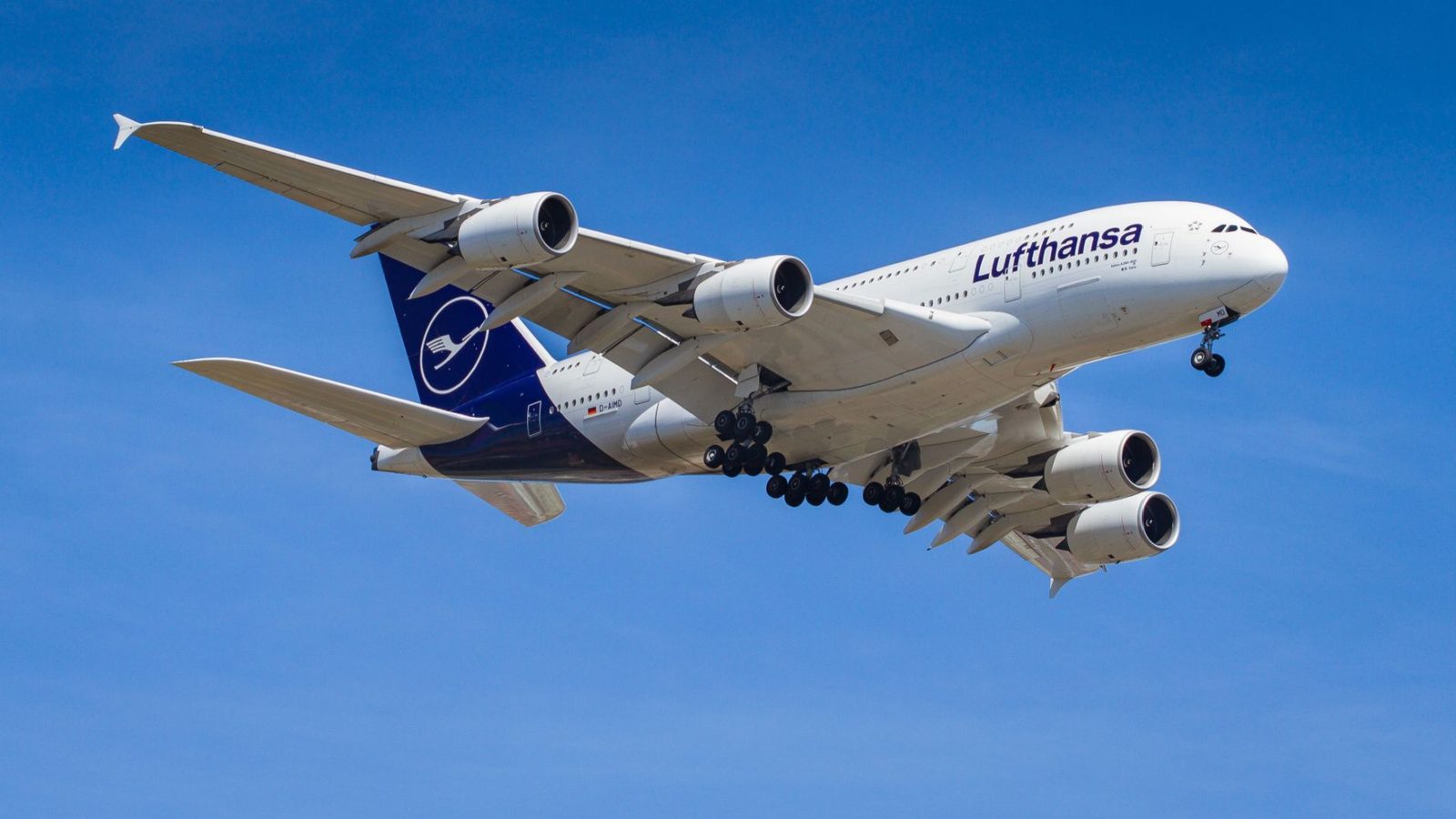
Based on current policies highlighted by the DOT dashboard and recent reporting, here’s how family seating vs paid seat selection usually plays out.
Airlines that generally guarantee adjacent seating (with conditions)
These carriers typically promise that children around 12–13 or younger can sit next to at least one accompanying adult at no extra cost, even on cheaper fares, if seats are available and there are no last-minute aircraft changes:
- Alaska Airlines
- American Airlines
- Frontier (yes, the ultra-low-cost carrier—check the fine print)
- Breeze in certain fare situations
These airlines may:
- Block certain seats for families.
- Reassign other passengers to keep you together.
- Ask for volunteers to move.
They are not required to give you free extra-legroom or premium seats. If the only adjacent seats are in a paid section, they can still say no.
Airlines that don’t guarantee but say they’ll try
Others—like Delta, JetBlue, Hawaiian, Allegiant—tend to use softer language. They’ll try to seat families together, but they recommend paying for seat selection if it’s critical.
Then there’s Southwest, which is its own category: open seating, no seat assignments. They offer a family boarding group (after Group A) for travelers with kids under 6, which usually lets at least one adult sit with each child. But it doesn’t guarantee the whole family in one row.
My rule of thumb when I’m planning flights so kids sit with me:
- With kids under 8, I strongly prefer an airline with a published guarantee or Southwest with family boarding.
- If I’m stuck with a more rigid low-cost carrier, I assume I’ll need to be extra proactive or pay for at least some seats.
Before you book, spend three minutes on the airline’s family seating page or the DOT dashboard. That quick check can save you hundreds of dollars—or hours of stress.
4. Booking Strategy: How to Set Yourself Up to Sit Together for Free
Once you’ve picked an airline, the next decision is how aggressive you want to be at booking. This is where most parents either win or lose the seating game.
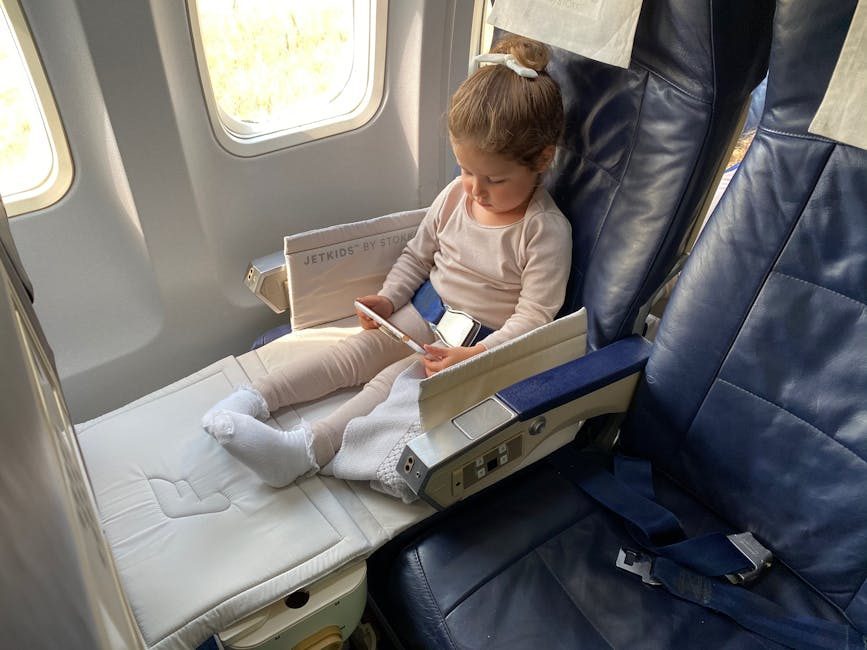
Here’s the approach I use to avoid paying for family seat selection whenever possible.
Step 1: Book as early as you reasonably can
Early booking means more empty seats and more flexibility for the system to place you together. On many airlines, basic economy fares still allow you to see the seat map, even if you don’t pay to choose.
Step 2: Use any free seat selection you’re entitled to
Some airlines quietly allow free seat selection at booking for certain fares or for kids traveling with adults. Others will auto-seat children next to an adult even if you don’t pay for everyone.
Look for these clues:
- Does the system automatically place your child next to you? If so, don’t move those seats unless you’re clearly improving them.
- Does the airline mention a
family seating policy
that keeps kids with at least one adult? If yes, you may only need to pay for one adult + child, not the whole group.
Step 3: Add notes for special needs or ages
If your child has a disability, medical condition, or anxiety that makes separation a real problem, note it in the booking and, if possible, call the airline. Many carriers will offer complimentary reserved seating for a passenger with a disability and a companion.
Step 4: Avoid seat traps on ultra-low-cost carriers
Some ultra-low-cost airlines have a sneaky pattern:
- They require adults to pay for a seat.
- But they may then seat accompanying children next to that adult for free.
Parents often overpay by selecting and paying for every single seat in the booking. Check the airline’s family airline seating rules carefully; sometimes paying for just one or two key seats is enough.
The goal at booking is simple: lock in at least one adult next to each young child, using every free tool the airline gives you, and only paying when the risk of separation is truly high.
5. The 24-Hour Check-In Window: Your Second Chance to Fix Seats
Even if your seats look fine at booking, they’re not truly safe until check-in. Aircraft swaps, schedule changes, and other passengers’ moves can shuffle everything.
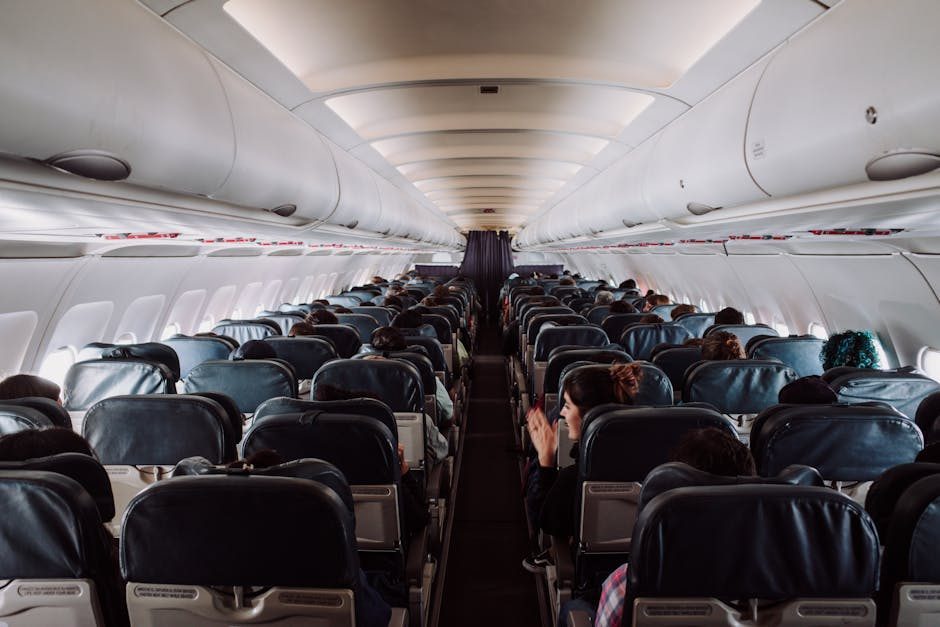
Think of the check-in window as your second shot at guaranteed family seating on flights—without paying.
Check in the minute it opens
Most airlines open online check-in 24 hours before departure. I set an alarm. Why?
- New seats often appear as other passengers change flights or upgrade.
- Some airlines release blocked seats closer to departure.
- Seat changes at this stage are usually first-come, first-served.
As soon as check-in opens:
- Check your seat map again.
- Look for newly available adjacent seats.
- Move your family into better positions if you can—especially to keep each child next to an adult.
If you’re still separated, don’t panic—escalate
If the system still has your 7‑year‑old in a different row, this is when I stop relying on the algorithm and start using people.
- Call the airline right after check-in opens. Explain calmly that you’re traveling with a child under 13 and you’re separated. Ask if they can override the system.
- Ask about family seating notes on your reservation. Some airlines can add a remark that alerts gate agents later.
The DOT guidance is on your side here. You can say something like, My child is under 13, and DOT guidance says airlines should do everything reasonably possible to seat us together without extra fees. Can you help?
6. Airport and Onboard Tactics: When the System Fails You
Sometimes, despite all the planning, you arrive at the airport and your seats are still scattered. This is where many parents give up and pay. I’d argue this is exactly when you should push harder—politely, but firmly.
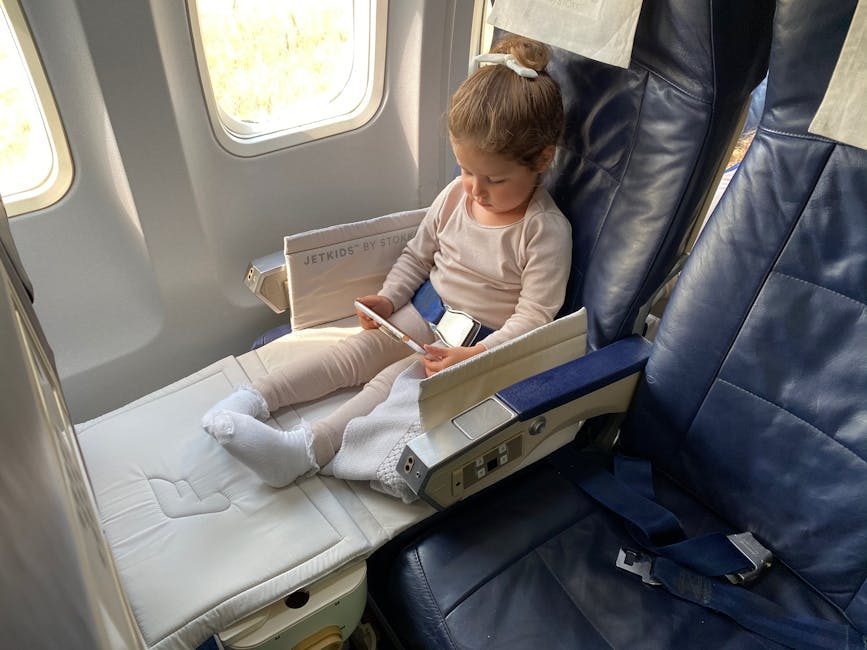
At the check-in counter
Get there early. The earlier you show up, the more unassigned seats the agents can work with.
At the counter, I usually say something like:
We’re traveling with a 6‑year‑old and a 9‑year‑old. Our seats are separated. We’re hoping you can help us sit with our kids without paying extra. Is there any way to move us around?
Key points:
- Be clear about ages. Younger kids = more urgency in the agent’s mind.
- Stay calm. Agents are much more willing to help someone who isn’t already furious.
- Ask if they can override the system. Many can, especially if they see a child alone.
At the gate
If check-in couldn’t fix it, go to the gate early and ask again. Gate agents often have more power than call center staff.
Try this:
- Show your boarding passes and point out where your kids are sitting.
- Ask if they can move solo adults to free up adjacent seats.
- Remind them (politely) that your child is under 13 and that DOT guidance supports family seating.
On the plane
If you board and you’re still separated, you still have options. This is where knowing how to keep kids seated next to parents really matters.
- Talk to the flight attendants before you start asking other passengers. They can make announcements or quietly ask for volunteers.
- When asking fellow passengers, be specific:
Would you be willing to swap your aisle seat for my aisle seat so I can sit next to my 7‑year‑old?
Offering a like-for-like seat helps. - Don’t assume no one will move. Many adults would rather swap than sit next to a nervous or upset child.
Airlines rarely leave very young children completely alone. But they may leave them with a stranger if you don’t speak up. Your voice is often the difference.
7. When It’s Actually Worth Paying for Seats
I’m skeptical of seat fees, but I’m not unrealistic. There are times when paying is the smart move.
I personally consider paying for seat selection when:
- I’m flying a strict low-cost carrier that openly says families may be split if they don’t pay.
- I’m traveling with a very young child (under 4–5) on a long or overnight flight.
- We have tight connections and I don’t want to waste time negotiating at the gate.
- There’s a medical or behavioral need that makes separation a serious problem.
Even then, I try to be strategic about airline seat fees for families:
- Pay for one adult + child together first. Let the older kids or second adult rely on free moves.
- Choose seats that are easy to swap (aisles and windows are more valuable than middle seats).
- Skip paying for extra-legroom unless you truly need it; airlines are not required to give those away to keep families together.
Think of seat fees as a tool, not a default. Use them when the risk of separation is high and the consequences for your family are serious—not just because the website is nudging you.
8. Quick Checklist: How to Keep Your Kids Next to You Without Fees
If you remember nothing else, remember this sequence. It’s the closest thing I’ve found to a no-fee system for airlines seating families together without fees.
- Before booking
- Check the airline’s family seating policy and the DOT dashboard.
- Prefer airlines that guarantee kids sit with an adult, or Southwest with family boarding.
- Be extra cautious with budget airlines family seating; assume you’ll need to work harder or pay for a few key seats.
- When booking
- Book early while the seat map is still open.
- Use any free seat selection you can; aim for at least one adult next to each young child.
- Note special needs or disabilities in the reservation and consider calling the airline.
- Watch for mistakes booking seats with kids, like paying for every seat when one paid adult seat would keep a child next to you for free.
- 24 hours before departure
- Check in the moment it opens.
- Scan the seat map for newly available adjacent seats and move if possible.
- If still separated, call the airline and ask for help, citing DOT guidance.
- At the airport
- Arrive early and ask check-in agents to reseat your family.
- Go to the gate early and ask again; gate agents have extra power.
- On the plane
- Ask flight attendants for help before you start negotiating with other passengers.
- Offer like-for-like swaps when asking people to move.
- Only then
- If all of that fails and your child is still separated, decide whether paying for a seat change is worth it for this flight.
Airlines have built a system where separation nudges you toward paying more. But once you understand the rules, the loopholes, and the human levers you can pull, you have far more power than it seems.
The next time you book, don’t just click through the seat map and hope. Ask yourself: What’s my plan if the system scatters us?
If you can answer that, you’re already ahead of most families on the plane.