
I’ve lost entire first days of trips to one simple mistake: a badly timed flight. Not a cancellation. Not a storm. Just me, clicking a flight because it was cheap or seemed good enough
.
If your first day usually disappears into jet lag, airport chaos, or a midnight arrival with no food and no transport, this is for you. We’ll walk through the travel booking mistakes that start with bad flight times and end with a wasted first day, extra costs, and a lot of regret.
The goal: you land at a sane hour, with energy, buffer time, and a plan. And if prices drop after you book, you still win.
1. Treating Flight Time Like a Footnote (Instead of the Main Decision)
Most of us start with one question: How cheap can I get there?
The problem? The cheapest option often has the worst timing. You save $60 and lose your entire first day of vacation.
Here’s the chain reaction many people don’t see coming:
- You pick a late-night arrival because it’s cheaper.
- You land exhausted, maybe at 1–2 a.m., with limited transport and no food.
- You sleep half the next day, miss your first tour, and start the trip already behind.
Or the opposite: you choose a 6 a.m. departure. Sounds efficient, right? But now you’re waking up at 3 a.m., paying extra for a taxi because public transport isn’t running, and starting your trip already sleep-deprived. That’s how a bad flight time mistake quietly ruins day one.
What I do now:
- I decide my ideal arrival window before I search. Example:
Arrive between 11 a.m. and 4 p.m.
- I filter flights by arrival time first, then compare prices within that window.
- I ask:
What is my first day worth?
If I’m paying $150/night for a hotel, sacrificing that day to save $40 on a flight is just bad math.
Try this mental shift: instead of What’s the cheapest ticket?
ask What schedule gives me a usable first day?
When you think about the wasted first day of vacation cost, the rock-bottom fare usually stops looking like a deal.

2. Ignoring Time Zones and Date Changes (and Arriving on the Wrong Day)
This one sounds ridiculous until it happens to you. People really do show up at the airport on the wrong day because they misread dates, overnight flights, or time zones. One red-eye and a couple of time zones can quietly steal a calendar day and trigger a whole chain of travel itinerary timing mistakes.
Here’s how it usually starts:
- You book a flight that departs at 11:55 p.m. on June 10 and arrives at 7:00 a.m. on June 11.
- Your hotel is booked from June 10 because you assumed you’d arrive that day.
- You pay for a night you never use, or you arrive to find your room given away.
Or worse: you think your flight is Monday night
, but the ticket says 00:30 on Tuesday. You show up 24 hours late. The airline shrugs. Your first day? Gone.
How to stop this chain reaction:
- Read the date and day of week on both departure and arrival. Don’t just glance at the time.
- For overnight flights, ask yourself:
What date do I actually land?
Then match your hotel booking to that. - On long-haul trips, especially across oceans, check if you lose or gain a day. Crossing the International Date Line can be sneaky.
- When in doubt, add your flights to a calendar app and see how they display. If your calendar says you arrive a day later than you thought, believe it.
One more thing: if you’re connecting, remember that each segment may be in a different time zone. Don’t try to mentally convert everything. Trust the local times printed on the ticket and let your calendar handle the rest.
3. Booking Tight Connections That Turn Delays into Disaster
We’ve all done it: you see a connection that’s just barely legal—maybe 45 minutes—and think, It’ll be fine.
Then a 20-minute delay turns into a sprint through the airport, a missed flight, and a wasted first day. Classic flight timing travel error.
Airlines often allow connections that are technically possible but practically risky. They assume everything runs on time. Real life doesn’t.
What usually goes wrong:
- Short connection + checked bag = your luggage goes on vacation without you.
- Immigration + security + terminal change = you miss the next flight entirely.
- Missed connection = rebooking, meal costs, maybe an unplanned airport hotel.
That’s how a smart
tight connection becomes a very expensive first day.
My minimums now:
- Domestic–domestic: I aim for at least 90 minutes, more if the airport is notorious for delays.
- International connection: 2–3 hours, especially if I need to clear immigration or re-check bags.
- Last flight of the day: I avoid tight connections entirely. If I miss it, I’m stuck overnight.
Yes, longer layovers feel inefficient. But a 2-hour layover with a coffee and a walk beats a 12-hour delay and a ruined first day every time.

4. Choosing the Wrong Airport (and Losing Hours on the Ground)
Many cities have multiple airports. One is closer, better connected, and easier. The other is cheaper on paper but costs you time, money, and energy once you land. This is one of those travel booking mistakes that doesn’t show up until you’re already tired and standing in a taxi line.
Here’s the trap:
- You see a cheaper flight into a secondary airport.
- You don’t check how far it is from the city or your hotel.
- You land, then spend 90 minutes in traffic and $60 on a taxi.
Suddenly that cheap
flight isn’t cheap, and your first day is half gone.
How I compare airports now:
- I search
[airport name] to [city center] transport
before booking. - I check if there’s a train, metro, or shuttle and how often it runs.
- I estimate total door-to-door time: flight + immigration + baggage + transport.
- I add the cost of ground transport to the ticket price. Then I compare airports.
Sometimes the main airport is actually cheaper once you factor in time and transport. Sometimes the secondary airport is fine—if you arrive at a time when buses and trains are running.
Ask yourself: Do I want to spend my first afternoon in a taxi on the highway?
If not, choose the airport that gets you into the city quickly, even if the ticket is slightly more.
5. Letting Airlines’ Dynamic Pricing Steal Your Money After You Book
Here’s a mistake almost nobody talks about: you book a flight, feel done, and never look at the price again. Meanwhile, the fare drops. Sometimes by a lot. That’s one of those quiet post booking travel mistakes that doesn’t ruin your first day, but it does hurt your wallet.
In 2026, airline pricing is wild. AI-driven systems adjust fares constantly based on demand, fuel, and competition. The price you pay at booking is not necessarily the price everyone else pays later.
And here’s the kicker: many airlines will let you recoup the difference if the fare drops on your exact flight. They just won’t tell you.
So the chain reaction looks like this:
- You book early to be safe. Good.
- The price drops two weeks later. You never notice.
- You overpay by $100–$300 and assume
that’s just how it is.
Some people try to track prices manually. They obsessively refresh search engines, set up alerts, and still miss the most volatile window. It’s exhausting and easy to get wrong.
A smarter way: use automation. Tools like Refare act like a price bodyguard
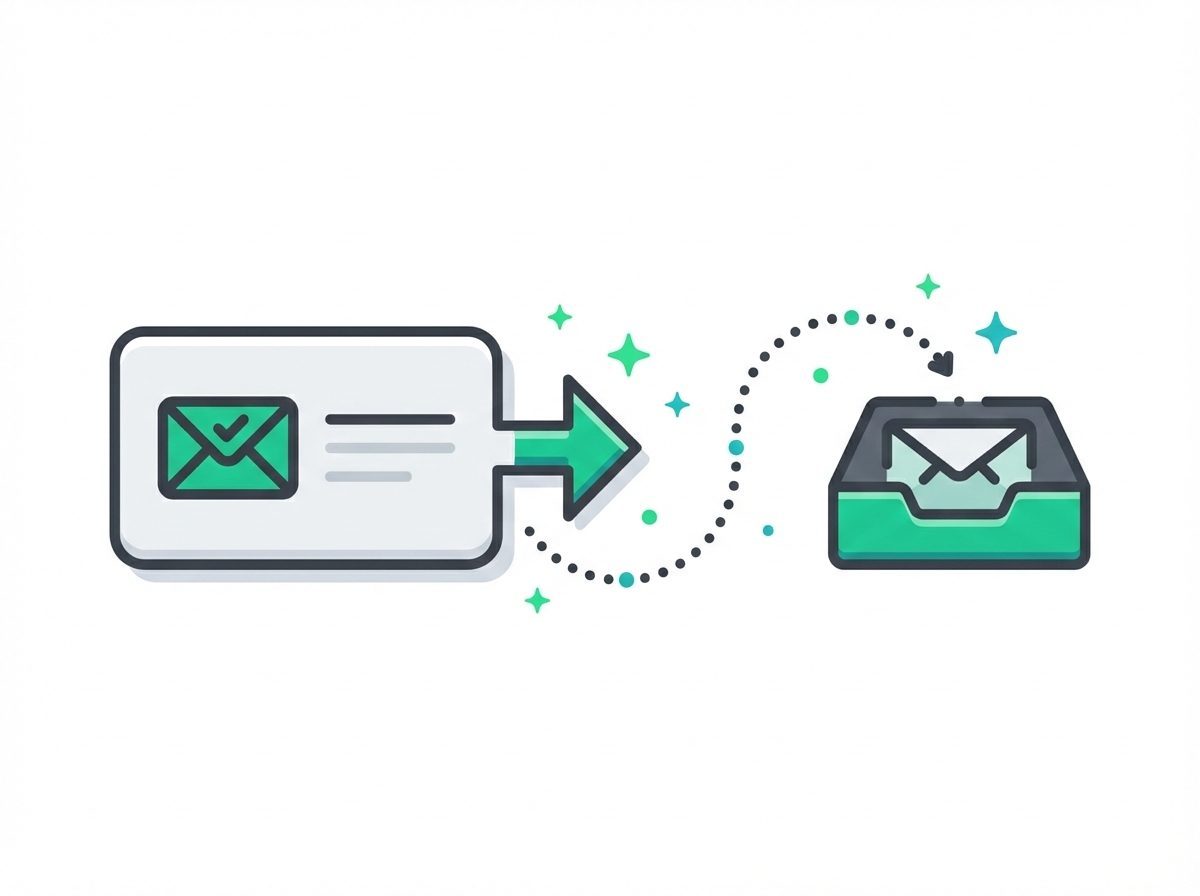
for flights you’ve already booked. You forward your confirmation email, their system monitors your exact itinerary, and if the price drops and your airline allows it, they handle the refund or credit for you.
They take a cut of the savings, but only if they actually save you money. No savings, no fee. That’s a very different mindset from the old set an alert and hope
approach.
Whether you use Refare or another tool, the principle is the same:
- Don’t assume the price you paid is final.
- Don’t waste hours manually checking fares.
- Let software watch for drops while you plan the fun parts of your trip.
6. Buying the Wrong Ticket Type and Trapping Your First Day
Basic economy, ultra-low-cost carriers, light
fares—these look cheap until you realize what they do to your flexibility. One small change in your plans and your first day collapses. This is where the cost of changing flight times suddenly becomes very real.
Here’s how it plays out:
- You book the cheapest fare without reading the rules.
- You can’t change the flight without huge fees—or at all.
- A delay, missed connection, or schedule change leaves you with almost no options.
Meanwhile, a slightly more expensive flexible fare would have let you move to a better-timed flight or recover from disruptions without paying through the nose.
What I check before I click:
- Can I change dates or times? What’s the fee?
- Is the ticket non-refundable? If so, am I okay with that?
- Does it include seat selection, or will I be stuck in a middle seat on a long-haul?
- What are the baggage rules? A cheap fare plus baggage fees can cost more than a standard ticket.
If your schedule is rigid—say you must be at a wedding or a conference—paying more for flexibility is often cheaper than dealing with the fallout of a non-changeable ticket.
Think of it this way: you’re not just buying a seat. You’re buying options. And options are what save your first day when things go sideways.
7. Underestimating Buffer Time on Arrival (and Overstuffing Day One)
We love to imagine a perfect first day: land at 10 a.m., drop bags, grab lunch, hit a museum, sunset drinks, fancy dinner. In reality, you’re jet-lagged, your room isn’t ready, and your brain is mush.
Overstuffing day one is one of the fastest ways to ruin it and a classic example of chain reaction travel planning errors.
What actually happens:
- Your flight is delayed an hour.
- Immigration takes longer than expected.
- Your hotel check-in isn’t until 3 p.m., and you’re stuck with your bags.
- You rush to make a 2 p.m. tour you booked months ago, arrive late, and spend the whole time half-asleep.
By dinner, you’re exhausted and annoyed. Not exactly the dream first day.
How I plan now:
- I treat day one as a soft landing, not a full sightseeing day.
- I schedule only one light, flexible activity: a walk, a casual meal, maybe a simple attraction near the hotel.
- I build in time for a shower, a short nap, or at least a reset.
- I avoid prepaying for anything non-refundable on day one unless absolutely necessary.
Buffer time isn’t laziness. It’s insurance. It absorbs delays, lost bags, and slow check-ins so your first day doesn’t collapse under the weight of your own expectations.

8. Forgetting Documents, Visas, and Expiry Dates (and Losing the Trip Before It Starts)
This one is brutal because it can kill the trip before you even board. You can have perfect flight times, smart connections, and a great first-day plan—and still be denied boarding because your passport or visa isn’t in order.
Common pitfalls:
- Passport expiring within 3–6 months of travel (many countries require this).
- Forgetting that some destinations require visas or electronic travel authorizations.
- Typos in your name or date of birth that don’t match your passport.
All of these can lead to denied boarding, last-minute fees, or frantic calls to consulates. Your first day—and sometimes your entire trip—disappears.
My pre-booking checklist:
- Check passport expiry. If it expires within 6 months of your return date, renew it.
- Look up visa requirements on official government sites, not random blogs.
- When booking, copy your name exactly as it appears on your passport.
- After booking, review your confirmation within 24 hours and fix any errors immediately.
It’s boring admin. But it’s the difference between a smooth first day and watching your plane leave without you.
Bringing It All Together: Design Your First Day on Purpose
Most people treat flight booking as a one-time transaction: find a fare, click, done. I’ve learned to treat it as designing my first day.
When you choose flight times, airports, ticket types, and post-booking tools carefully, you’re not just saving money. You’re buying a calmer arrival, a usable first day, and fewer nasty surprises. You’re also avoiding those subtle travel timing and cost trade offs that look cheap upfront but cost you later.
So next time you book, ask yourself:
If everything runs late, does my plan still work?
If prices drop after I book, do I have a way to benefit?
Is this first day something I’d actually enjoy living through?
If the answer is yes, you’re not just booking a flight. You’re setting up your entire trip to start on the right foot—and finally avoiding those bad flight time mistakes that used to steal your first day.