You spot a return flight to Europe for $299 and your brain lights up. Booked. In that moment, it feels like you just hacked the system.
But did you really?
With a lot of “too good to be true” cheap international travel deals, the real cost shows up later: baggage charges, foreign transaction fees, seat selection, airport transfers, local taxes and rules you didn’t know existed. I’ve watched plenty of “cheap” trips quietly double in price before the plane even left the gate.
This guide walks through the hidden costs of cheap international trips that I now check automatically. Once you learn to spot them before you book, you stop chasing fake bargains and start booking trips that are actually good value.
1. The Flight Price That Lies: What Your Ticket Really Costs
When I compare flights now, I don’t ask, Which ticket is cheapest?
I ask, What does this trip really cost me door-to-door?
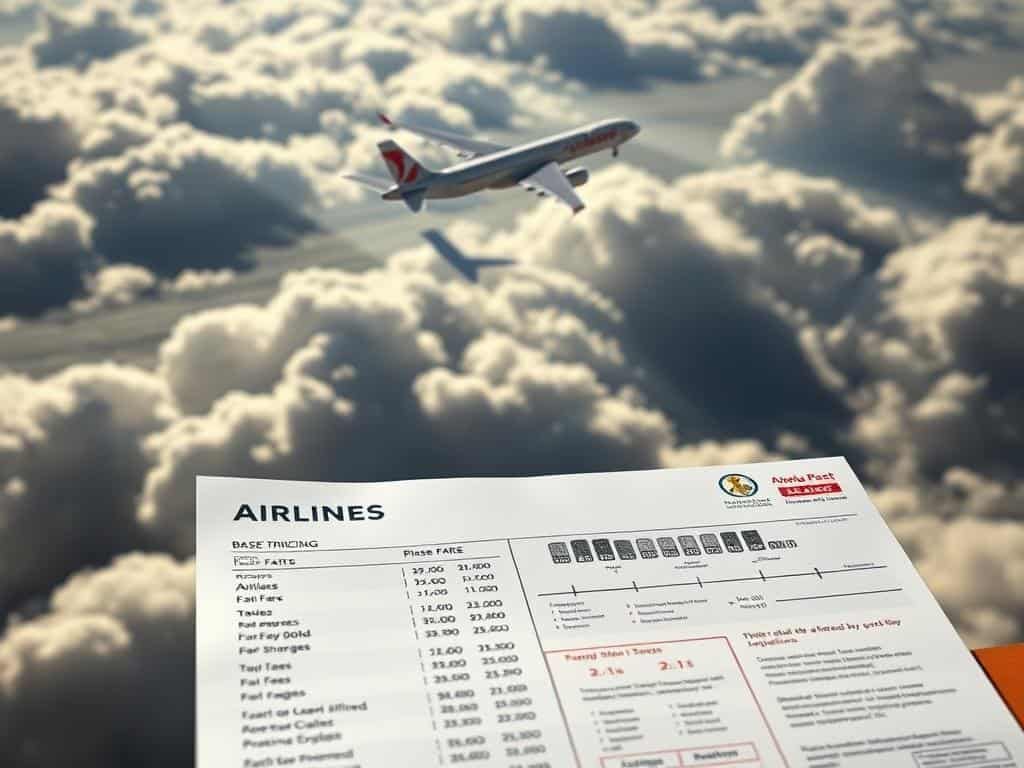
Airlines and online travel agencies love what’s called drip pricing. You see a low base fare first. Then, as you click through, the price quietly swells with taxes, surcharges and add-ons.
Here’s what usually hides behind that headline fare and turns cheap flight deals into cost traps:
- Mandatory taxes and fees – government taxes, airport fees, security charges, fuel surcharges. On international routes, these can add 20–50% to the base fare (source).
- Basic economy restrictions – no changes, no refunds, no advance seat selection, and sometimes no full-size carry-on. The fare looks cheap because half the normal rights are stripped out.
- Seat selection – that $299 fare can quietly become $350+ once you pay $15–$40 per segment just to sit with your partner or avoid the middle seat.
- Drip add-ons – pre-ticked insurance, priority boarding, “fare lock” fees, SMS alerts. None are essential, but they’re designed to feel that way.
The trap is simple: you compare base fares, but you pay total fares. That’s where the real cost of cheap flight deals lives.
How I sanity-check a “deal” now:
- Click through to the final payment page on at least two airlines for the same route and date. Compare the all-in price, not just the search result.
- Check what’s included: carry-on, checked bag, seat selection, meals, changes. A slightly higher fare that includes all of that is often cheaper in real life.
- Be wary of any fare that’s dramatically lower than competitors. Ask:
What did they remove to get it this low?
2. Baggage: The “Cheap” Ticket’s Favorite Ambush
If there’s one thing that quietly wrecks a budget international trip, it’s baggage. Airlines know you’ll obsess over the ticket price and ignore the suitcase math.
Here’s how the hidden baggage costs usually show up:
- Carry-on isn’t really free – some basic economy and low-cost fares include only a personal item. A normal cabin bag can cost $35–$65 each way (source).
- Checked bags are priced to hurt – $30–$70 for the first bag, more for the second. On a longer trip, couples can easily add $200+ just in luggage fees.
- Overweight penalties are brutal – being 2–3 kg over the limit can cost more than the original ticket on some budget carriers.
- Airport prices are worse – the same bag that costs $30 online might be $60–$100 if you pay at the counter or gate.
The psychology is sneaky: you see a $299 fare and think, We’ll figure out bags later.
Later is where the airline makes its money.
How I keep baggage from blowing up the budget:
- Read the baggage policy before booking – not after. I open the airline’s baggage page in a new tab and do the math for the whole trip.
- Compare fares with bags included – sometimes a “standard” or “main cabin” fare that includes a checked bag is only $40 more than basic economy. If a bag would cost $60 each way, the “expensive” fare is actually cheaper.
- Weigh at home – a cheap luggage scale can save you from overweight fees that erase your savings.
- Pack to a personal item for short trips – especially on low-cost carriers. Max out the allowed dimensions; most people leave free space on the table.
When I price a flight now, I don’t ask, How much is the ticket?
I ask, How much is the ticket plus the bags I realistically need?

3. Seat Selection, Comfort and the “Human Cost” of Cheap Fares
Cheap international tickets don’t just cost money. They cost comfort, flexibility and sometimes your sanity.
Over the last decade, airlines have quietly turned basic human comfort into a paid upgrade:
- Seat selection fees – window, aisle, sitting together, or extra legroom all cost extra on many airlines. Families can end up paying hundreds just to avoid being scattered around the cabin.
- Tighter seating – budget carriers and some legacy airlines pack more seats into the same aircraft. Less legroom, narrower seats, more fatigue and higher stress on long-haul flights.
- Zero flexibility – the cheapest fares often mean no changes, no refunds, and sky-high rebooking fees. One life event and your “deal” evaporates.
- Weaker support when things go wrong – ultra-low-cost carriers may have fewer staff, longer queues and less generous rebooking policies during disruptions.
There’s also a hidden time cost. Remote airports, awkward connections, long layovers – all common on the cheapest tickets – can turn a 7-hour trip into a 16-hour slog. That’s a full day of your life traded for $60 in savings.
How I decide if the discomfort is worth it:
- I put a rough value on my time:
If this routing adds 8 hours to my day, is it worth the $80 I’m saving?
- I check seat maps and pitch (legroom) on sites like SeatGuru or directly on the airline’s site.
- I ask:
If I get sick, delayed, or need to change dates, how painful is this fare going to be?
Sometimes the answer is, Yes, I’ll suffer a bit to save the cash.
But at least it’s a conscious trade, not a surprise.

4. FX Fees, Dynamic Currency Conversion and the Money You Lose Swiping
Even if you dodge the airline’s tricks, your bank and payment processors are waiting at your destination.
On international trips, foreign transaction fees and bad exchange rate costs can quietly eat 3–8% of everything you spend. Over a couple of weeks abroad, that’s the price of a nice hotel night or a domestic flight.
Here’s where the money leaks out and turns into hidden international travel fees:
- Foreign transaction fees (FTF) – many credit and debit cards charge around 3% on every non-local currency purchase. Flights, hotels, restaurants, trains – all of it.
- Dynamic Currency Conversion (DCC) – when a terminal asks,
Pay in your home currency?
it feels safer, but the exchange rate is usually terrible. You’re paying extra for the illusion of clarity. - ATM fees + bad FX – you might pay a local ATM fee, your bank’s foreign ATM fee, and then get a poor exchange rate on top.
- Paying the airline in the “wrong” currency – some airlines let you choose the currency at checkout. The “convenient” converted price can be worse than letting your bank handle the conversion.
How I stop FX from quietly taxing my trip:
- Use a card with 0% foreign transaction fees – non-negotiable if you travel abroad regularly.
- Always pay in the local currency when a terminal or website offers a choice. Decline DCC every time.
- Withdraw cash in fewer, larger chunks to reduce per-withdrawal fees – but only what you’ll realistically use.
- Check if your bank has partner ATMs abroad with reduced or waived fees.
That $299 flight you were proud of? If you bleed 5% on every foreign transaction for two weeks, you might quietly hand that saving back to your bank.
5. Local Rules, Fines and “Gotchas” That Tourists Learn the Hard Way
Cheap flights often nudge us toward destinations we don’t fully understand yet. That’s part of the fun. It’s also where local rules can ambush your budget.
Some of the most expensive surprises I’ve seen had nothing to do with the airline or airport baggage fees:
- Tourist taxes and city fees – many European cities charge per-night tourist taxes, sometimes per person. Not huge individually, but they add up over a week.
- Transit and toll rules – missing validation on a tram ticket, using the wrong lane on a toll road, or skipping a vignette (toll sticker) can lead to fines that dwarf your flight savings.
- Cash-only or card-only traps – some countries are still very cash-heavy; others are almost cashless. Being on the wrong side means extra ATM fees or bad currency exchange.
- Local SIM and roaming costs – international roaming can be absurdly expensive. A cheap eSIM or local SIM is usually far better value, but only if you plan ahead.
- Short-stay surcharges – some apartments or hotels add cleaning fees or short-stay surcharges that make a “cheap” nightly rate meaningless.
How I avoid getting blindsided by local rules:
- Before booking, I search:
[city] tourist tax
,[country] public transport fines
,[country] toll roads rental car
. - I check if the destination is cash-heavy or card-friendly and plan my ATM and card strategy accordingly.
- I look up SIM/eSIM options before I land, not at the airport kiosk where prices are often inflated.
It’s not about being paranoid. It’s about not letting a $60 fine or a nasty roaming bill erase the savings you fought for on flights.

6. Remote Airports, Transfers and the Geography Trap
One of the sneakiest tricks in the cheap international travel playbook is the secondary airport.
You think you’re flying to “Paris” or “London” or “Milan”. In reality, you’re landing 60–90 minutes away, at an airport that exists mainly because it’s cheap for airlines to use.
Here’s what that can mean for your budget and your time:
- Expensive transfers – special buses, long taxi rides, or rideshares with surge pricing. Your $40 flight can require a $35 transfer.
- Lost time – 2–3 extra hours of transit on arrival and departure days. That’s time you’re not exploring, sleeping or working.
- Awkward schedules – very early or very late flights that push you into extra hotel nights or airport hotels.
My rule now: I always map the airport to the city center before I book. I check:
- How long does it take to get into town?
- What does the cheapest realistic transfer cost?
- Does the flight time force me into extra nights or pricey taxis at odd hours?
Sometimes the answer is, Yes, this is still worth it.
But often, a slightly more expensive flight to the main airport is cheaper once you add transfers and time.
7. How to Compare Trips Like a Pro (and Stop Falling for Fake Deals)
Once you see all these hidden fees and local rules, the real question becomes: How do I compare trips in a way that reflects reality?
Here’s the simple framework I use whenever I’m tempted by a “crazy cheap” international fare or a suspiciously low package price.
Step 1: Build a real total cost for each option
- Base fare + mandatory taxes/fees (final checkout price)
- Realistic baggage costs (for how you actually pack)
- Seat selection if you care about sitting together or avoiding middle seats
- Airport transfers (both ways), especially from remote airports
- Estimated FX costs if your card charges foreign transaction fees
Step 2: Add the “soft” costs
- Extra travel time from secondary airports or long layovers
- Flexibility (change and cancellation rules)
- Comfort (seat pitch, overnight flights, red-eyes, tight connections)
Step 3: Ask the only question that matters
Knowing all of this, is the cheaper option still a better deal for me?
Sometimes the answer is yes. Sometimes the “expensive” airline with a higher base fare is actually the budget choice once you factor in bags, FX fees, transfers and your time.
The goal isn’t to avoid cheap international travel. It’s to avoid being surprised by it.
When you start thinking this way, something interesting happens: you book fewer trips on impulse, but the trips you do book feel calmer and more intentional. You know what you’re paying, and you know why.
That’s when travel stops feeling like a game you’re trying to beat and starts feeling like a life you’re deliberately designing.