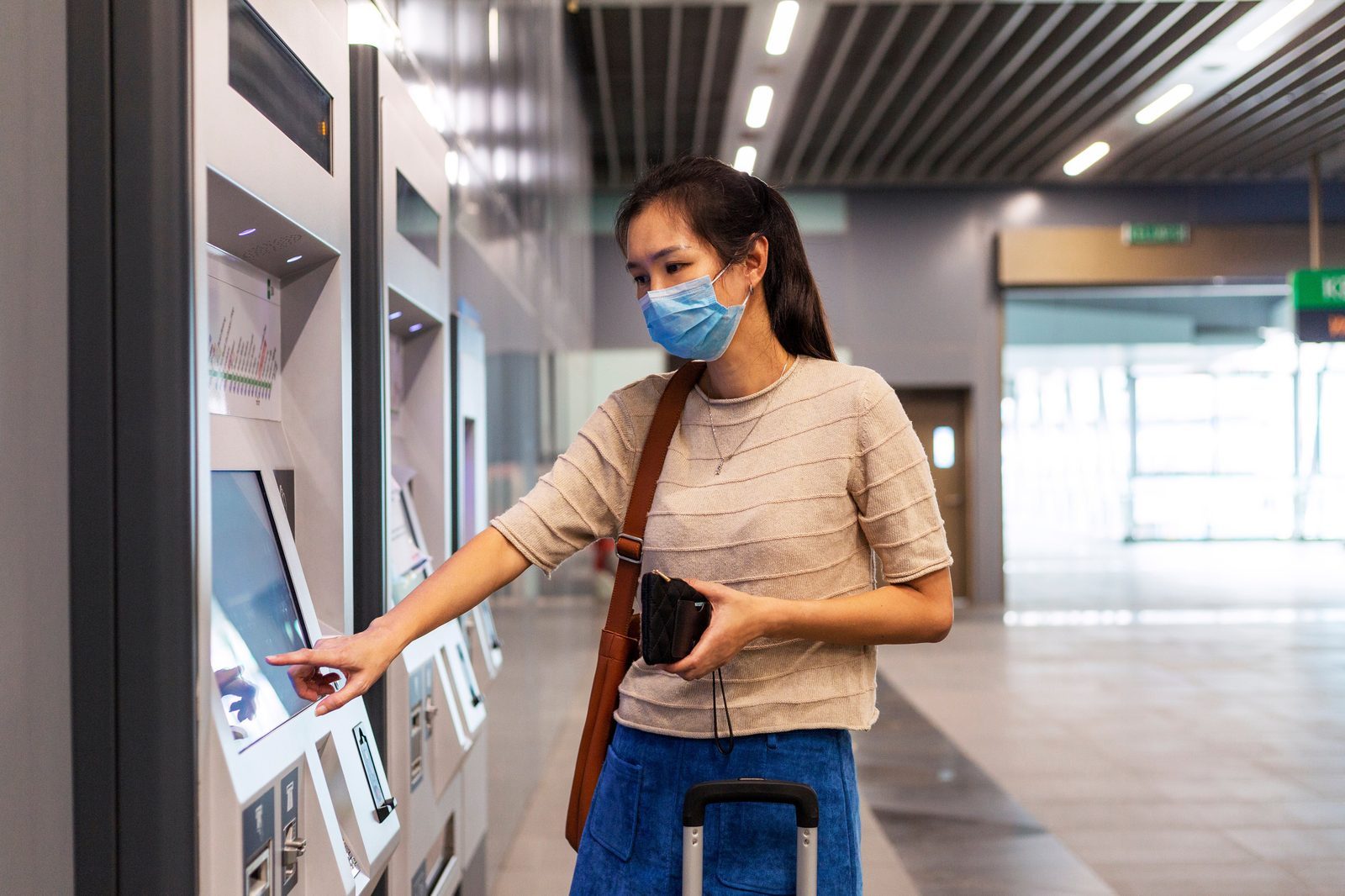
I used to think a delayed or cancelled flight was just an inconvenience. Then I started adding up the numbers.
When your plans fall apart abroad, you don’t just lose time. You lose cash, prepaid bookings, work days, and sometimes once-in-a-lifetime moments. One major study put the average cost of a serious disruption at about €362.50 per incident in out-of-pocket expenses alone. That’s before you factor in missed tours, hotels, or events you can’t get back.
Once you see the real cost of flight disruptions abroad, it’s hard to unsee it. So let’s walk through what these delays and cancellations really cost you – and how to build a financial safety net before things go wrong.
The Hidden Price Tag of a Delay or Cancellation
When a flight melts down, the obvious loss is the ticket. But the real damage usually comes from everything wrapped around it.
Based on research into disrupted passengers, here’s what typically happens when a flight is delayed 2+ hours, cancelled, or you miss a connection:
- Average out-of-pocket spend: about €362.50 per disruption
- 72% of people end up paying for unexpected extras: last-minute hotels, food, taxis, replacement flights, clothes, medicine
- 46% lose money on missed work, non-refundable hotels, tours, and event tickets
Now layer on the emotional cost: missing a wedding, a cruise departure, a job interview. You can’t insure your feelings, but you can protect your wallet from the hidden costs of canceled flights.
Here’s the mindset shift I use: Every international flight is a small financial project.
If I don’t plan for disruption, I’m gambling with hundreds or thousands of dollars.
Know Your Legal Rights Before You Need Them
Most travelers only start Googling their rights when they’re already stuck at the airport. That’s too late. The rules are messy, but a few core principles can save you a lot of money when you’re dealing with the financial impact of flight cancellations.
In the U.S.
- If the airline cancels your flight or makes a significant schedule change and you don’t accept the alternative, you’re entitled to a full refund – even on a nonrefundable ticket. That’s straight from the U.S. Department of Transportation (DOT). See the DOT dashboard: here.
- For flights to, from, or within the U.S. booked at least 7 days before departure, you usually get a 24-hour free cancellation window if you booked directly with the airline.
- Each airline publishes a customer service plan with what they’ll provide (meals, hotels, rebooking) for
controllable
delays and cancellations (crew, maintenance, etc.). They’re legally expected to honor those commitments.
In Europe (and some other regions)
- Under EC 261, if your flight is delayed, cancelled, or you’re denied boarding for reasons within the airline’s control, you may be entitled to cash compensation up to €600 plus care (meals, hotel, transport). This is the backbone of most international flight delay compensation claims.
- Airlines must provide food and drink after a 2-hour delay, and hotel + transfers for longer delays or overnight stays.
- Brazil’s ANAC 400 has similar protections for care and assistance.
The catch? Around 82% of passengers say they were never informed of their rights during disruptions. Airlines rarely volunteer this information because it costs them money.
My rule when something breaks: I immediately ask myself two questions:
- Is this within the airline’s control? (crew, maintenance, scheduling – usually yes; weather or war – usually no)
- Which rulebook applies? (U.S. DOT, EC 261, ANAC 400, or local equivalent)
Then I ask the airline directly: Under [EC 261 / DOT rules / your customer service plan], what care and compensation am I entitled to right now?
That one sentence can be the difference between paying everything yourself and getting proper flight delay hotel and meal reimbursement.

How Airlines Shift Risk Onto You (Especially During Crises)
Right now, a global jet fuel crunch triggered by the war in Iran and the effective closure of the Strait of Hormuz is making everything worse. Fuel prices have spiked – U.S. jet fuel is up roughly 70%, and some airlines are struggling to stay afloat.
What does that mean for you in practical terms?
- More cancellations and thinner schedules. Some carriers are cutting thousands of flights, especially short-haul and marginal routes.
- Higher fares and more fees. Airlines are raising ticket prices, adding surcharges, and quietly increasing baggage and seat fees.
- Strategic early cancellations. Many airlines are cancelling flights more than two weeks in advance to avoid legal compensation obligations, especially in Europe under EC 261.
- Airlines collapsing. We’ve already seen carriers shut down or close subsidiaries, stranding passengers and then processing refunds later.
In other words, the financial risk is being pushed onto you. You pay more, get fewer options, and face a higher chance of disruption.
So I plan as if:
- My flight might be cancelled days or weeks in advance for cost reasons.
- The airline will do the bare minimum unless I know my rights and push for them.
- Any small airline I book with could, in a worst-case scenario, shut down before I fly.
It sounds pessimistic, but it’s really just a way to protect yourself from flight disruptions before they happen.
Ticket Choices That Decide How Much You Lose
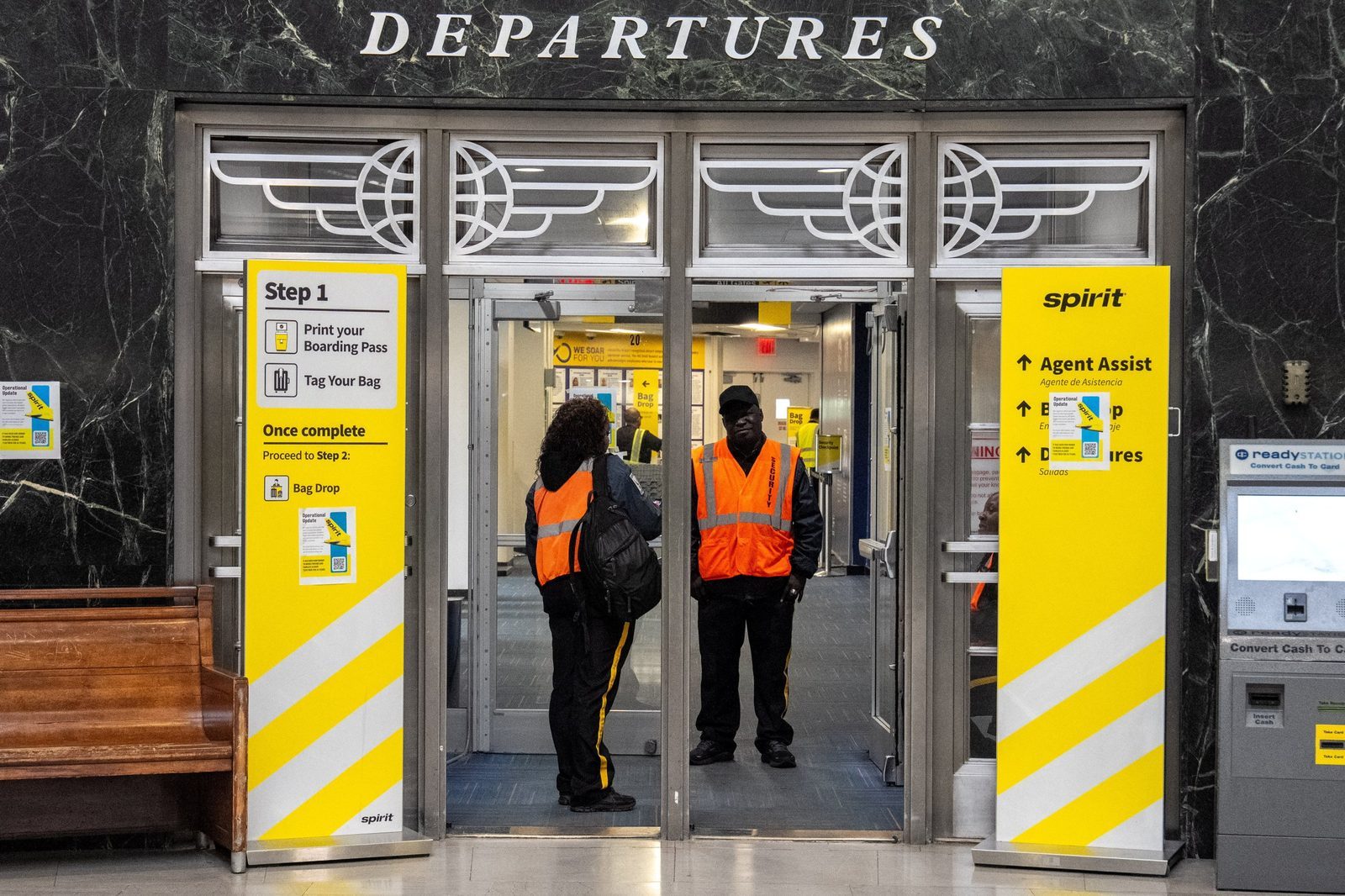
The moment you buy a ticket, you’re making a risk decision – whether you realize it or not. The fare type you choose determines how painful a disruption will be, and how much you’ll pay in rebooking fees for international flights if things go sideways.
Basic economy: the trap fare
- Usually nonrefundable and often unchangeable or very expensive to change.
- On many airlines, if you cancel, you get nothing back.
- Deeply discounted international fares can carry penalties up to about $500 to change or cancel.
Main cabin / standard economy and above: the safer middle
- Many U.S. airlines (Delta, United, American, Alaska, JetBlue) have eliminated change fees on most main cabin and higher fares.
- You may still pay a fare difference if the new flight is more expensive.
- Cancellation often yields a travel credit rather than cash, but that’s still far better than losing everything.
Refundable fares: expensive but powerful
- Cost significantly more upfront, but you can usually cancel for a full cash refund.
- Worth considering for high-stakes trips (weddings, business deals, cruises) or when your plans are genuinely uncertain.
Award tickets: underrated flexibility
- Tickets booked with miles or points often have lower change/cancellation fees than cash tickets.
- Some programs let you cancel and redeposit miles for a modest fee or even free, depending on status and fare rules.
My personal rule of thumb:
- If losing the full ticket cost would really hurt, I avoid basic economy.
- If the trip is mission-critical, I either buy a flexible/refundable fare or make sure I have strong insurance + credit card protection backing me up.
That one choice at booking can decide whether a disruption is a nuisance or a full-on financial mess.
Insurance, Credit Cards, and Other Safety Nets
Most people think of travel insurance as a nice-to-have. I think of it as a way to cap my downside and limit the out of pocket expenses for flight delays and cancellations.
There are three main layers of protection you can stack:
1. Airline flexibility and add-ons
- Some airlines sell add-ons like Allegiant’s TripFlex that let you change or cancel without fees if you follow the rules.
- Flexible fares cost more but can save you hundreds if plans change.
2. Travel insurance
- Standard policies cover specific reasons (illness, injury, certain work issues, severe weather, etc.).
- Cancel For Any Reason (CFAR) upgrades let you cancel for almost any reason and get back a percentage (often 50–75%) of nonrefundable costs. You usually must buy it soon after your first trip payment and cancel a set number of hours before departure.
- Good policies can reimburse hotels, tours, and other prepaid costs when a disruption forces you to miss them.
If you’re comparing travel insurance for flight disruptions with what airlines offer, remember: airline coverage is usually narrow and focused on their own services. A proper policy looks at your whole trip.
3. Credit card protections
- Premium cards (like some Chase Sapphire, Amex, and others) often include trip cancellation and interruption insurance if you pay for the trip with that card.
- They can cover airfare, hotels, and tours when you cancel for covered reasons, and sometimes reimburse expenses from delays (meals, hotels, transport).
- They also give you leverage in disputes if an airline drags its feet on refunds.
This is where credit card travel protection for flight delays quietly shines. Many people don’t even realize they have it.
My approach:
- I always ask:
If this trip implodes, who pays?
If the answer isme
, I add protection. - I put major trips on a card with strong travel protections and read the benefits guide before I go.
- For complex or expensive itineraries, I layer a good travel insurance policy on top.
Think of it as building a safety net: airline flexibility, plus insurance, plus card benefits. If one layer fails, another might catch you.
Smart Booking Habits That Save You When Things Go Wrong
Most of your protection is decided at booking, not at the airport. A few habits dramatically reduce your financial exposure and help you budget for flight disruption risks without going overboard.
1. Book direct when you can
- If you booked through an online travel agency (OTA), the airline often can’t touch your ticket. You have to deal with the middleman.
- Booking directly with the airline makes cancellations, changes, and refunds much simpler.
2. Use the 24-hour rule strategically
- For flights to, from, or within the U.S. booked at least 7 days before departure, you usually get a 24-hour free cancellation window if you book direct.
- I use this to lock in good fares while I finalize plans, knowing I can back out without penalty.
3. Always read the fare rules
- Before you click
purchase
, look for the fine print: refundable? change fees? cancellation penalties? - If the rules are vague (
fees may apply
), assume they’re not in your favor.
4. Avoid tight connections on separate tickets
- If you book separate tickets (especially across different airlines or alliances), a delay on the first leg can make you miss the second with zero protection.
- Build generous buffers or keep everything on one ticket when possible.
Missed connections on international trips can be brutal. If the flights are on separate tickets, the second airline usually doesn’t care why you’re late.
5. Think about airline health
- In times of crisis (like the current fuel shock), I’m cautious about booking with financially shaky or very small carriers.
- If a carrier collapses, you may eventually get a refund, but you’ll still be stranded and forced to buy a new ticket at last-minute prices.
When Your Flight Implodes: A Step-by-Step Money Playbook
Let’s say the worst happens. You’re abroad, your flight is delayed or cancelled, and chaos hits. Here’s how I handle it to protect my wallet and maximize any claiming compensation for flight disruptions.
Step 1: Get information fast
- Check the airline app, airport screens, and your email/SMS.
- Confirm: delay or cancellation? cause? new schedule?
Step 2: Contact the airline immediately
- Use every channel: app, website, phone, social media, airport desk.
- Ask for free rebooking on the next available flight or a full refund if you decide not to travel.
- If you’re in the U.S. or Europe, mention your rights (DOT refund rules, EC 261, etc.).
Step 3: Demand the care you’re owed
- If you’re in Europe or Brazil, ask specifically for meals, hotel, and transport if the delay qualifies.
- In the U.S., check the airline’s customer service plan (via the DOT dashboard) and ask for what they’ve promised for controllable delays.
Step 4: Keep every receipt and record
- Save receipts for food, hotels, taxis, replacement flights, and essentials.
- Take screenshots of delay/cancellation notices and keep emails.
- Note who you spoke to, when, and what they said.
This paper trail is what turns chaos into a clean claim later, whether you’re dealing with flight disruption insurance vs airline coverage or a credit card benefit.
Step 5: Use your insurance and credit card benefits
- Once you’re stable, review your travel insurance and card benefits.
- File claims for covered expenses and nonrefundable bookings you lost.
Step 6: Claim compensation where applicable
- For EC 261-eligible flights, submit a claim directly with the airline or via a reputable claims service if you prefer help (they’ll take a cut).
- In the U.S., if you’re denied a refund you’re owed, you can file a complaint with the DOT.
If you’re unsure what you’re owed under EC 261, look up an EU261 flight compensation cost guide before you file. It helps to know the ballpark amount.
One more crucial point: never just no-show. If you don’t cancel and simply fail to show up:
- You usually forfeit the entire ticket value.
- Return segments can be automatically cancelled.
- You lose any chance at credits or partial refunds.
Even if you think you’ll get nothing back, cancel anyway. Sometimes you’ll be surprised by a credit or a sympathetic agent.
Designing Your Own Disruption-Proof Strategy
You can’t control wars, fuel prices, or airline staffing. But you can control how exposed you are when things go wrong – and how much the missed connection costs on international trips or cancellations actually hit your bank account.
Here’s how I build a simple, personal disruption strategy:
- Decide your risk tolerance per trip.
Ask:If this trip blew up and I lost everything, how bad would that be?
The higher the stakes, the more protection I buy. - Choose fares intentionally.
Avoid basic economy when the downside is huge. Consider flexible or refundable fares for critical trips where the financial impact of flight cancellations would really sting. - Stack protections.
Use a card with strong travel benefits. Add travel insurance (and CFAR if needed) for expensive or complex itineraries. - Know the rules where you’re flying.
Before you go, spend 10 minutes on EC 261, DOT rules, or local equivalents. Save key links on your phone so you can pull them up at the airport. - Plan your response in advance.
Decide now: if my flight is cancelled, do I want a refund or rebooking? How much am I willing to spend on a backup flight? Where will I stay if I’m stuck overnight?
Flight disruptions abroad are no longer rare, one-off annoyances. With fuel crises, geopolitical shocks, and fragile airline finances, they’re part of the landscape.
You don’t have to accept the full financial hit. If you understand the real costs, know your rights, and build a few smart protections into every trip, you can turn a potential disaster into an expensive inconvenience – and sometimes even walk away with compensation instead of a hole in your bank account.