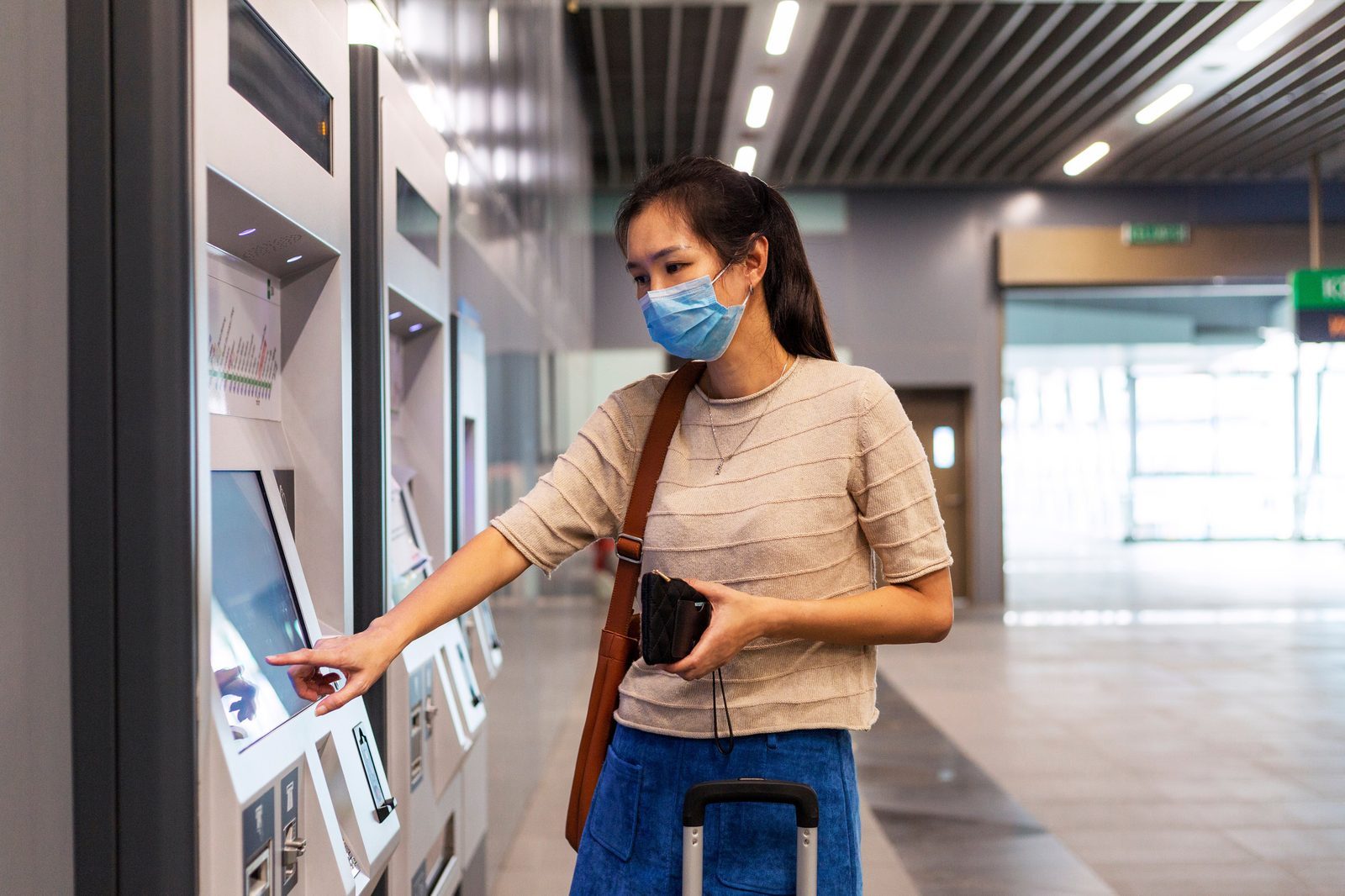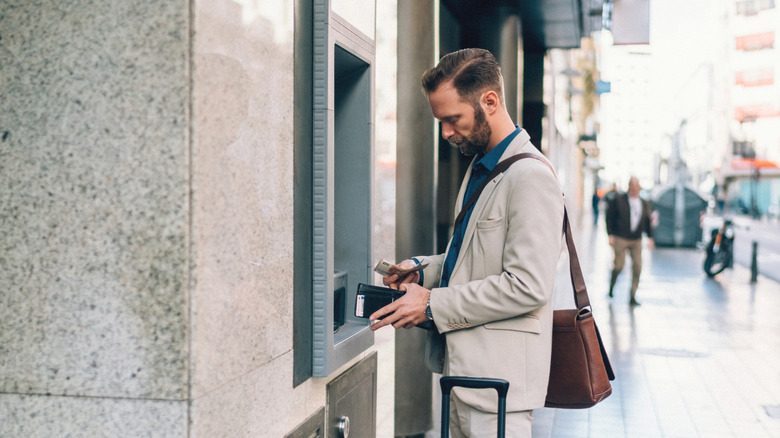
Every time I land in a new country, I see the same scene: a line of exhausted travelers at the first airport ATM, jabbing Accept
on every screen just to get it over with. Ten minutes into their trip, they’ve already lost 5–10% of their money to fees and lousy exchange rates.
If you’ve ever come home and wondered, Where did all my money go?
there’s a good chance some of it quietly disappeared into bank fees, foreign transaction charges, and bad currency conversions. The upside? With a bit of planning and a skeptical eye, you can keep most of that cash for yourself.
This guide is a practical, no-nonsense walk-through of how I (and a lot of long-term travelers) avoid the worst travel money mistakes. You’ll see how to dodge the dynamic currency conversion trap, when to use a credit card vs cash overseas, and how to keep international ATM withdrawal costs from eating your budget.
1. Understand the Fee Stack Before You Even Leave
The first trap isn’t at an ATM. It’s assuming there’s just one fee when you withdraw money abroad.
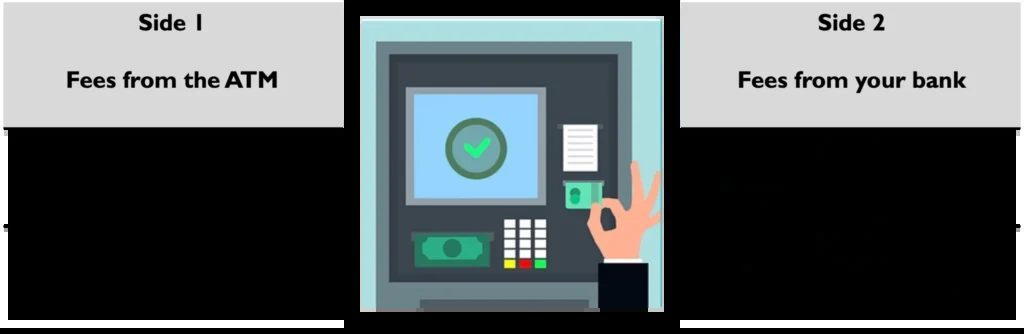
In reality, a single withdrawal can include a whole stack of charges:
- Your bank’s ATM fee – often a flat $2–$5 for using a foreign or out-of-network machine.
- Foreign ATM operator fee – the local bank or independent ATM’s surcharge, sometimes another $2–$7.
- Foreign transaction / FX fee – usually 1–3% of the amount, charged by your bank or card network.
- Dynamic Currency Conversion (DCC) markup – a hidden extra baked into a terrible exchange rate when you let the ATM or card terminal convert to your home currency.
Stack those together and a $100 withdrawal can easily cost $5–$10 in total fees. On a longer trip, that’s hundreds of dollars gone for absolutely nothing.
To avoid the worst of it, start before you even book the flight:
- Check your bank’s international ATM fee and foreign transaction fee policies. This is key if you want to avoid ATM fees abroad.
- Look for any partner networks or
Global ATM Alliance
deals they have overseas. - Identify which of your cards do and don’t charge FX fees.
If your bank hides this information or makes it hard to find, that’s already a red flag. Banks that are good for international travel usually brag about it because it’s a selling point.
2. Choose the Right Cards Before You Book the Flight
The cheapest withdrawal is the one you never have to worry about. That starts with the right accounts and cards in your wallet.
Some banks and fintechs are simply built for travelers. They either:
- Charge no foreign transaction fees on card purchases.
- Reimburse ATM fees worldwide (including the foreign operator’s surcharge).
- Offer multi-currency wallets with fair exchange rates, often cheaper than a traditional currency exchange counter.
Examples often mentioned by travelers include accounts like Charles Schwab’s checking, Fidelity cash management, and travel-focused cards from Capital One, Revolut, Wise, and others. Policies change, so always confirm on the bank’s site before applying.
My personal rule of thumb:
- One debit card that refunds or minimizes ATM fees.
- One or two credit cards with no foreign transaction fees.
- A backup card stored separately in case of loss or theft.
Set this up before you travel. Trying to open a new account from a hostel in Bangkok while your bank blocks your card is not fun, and it’s one of those avoidable international travel money mistakes.

3. Airport ATMs, Exchange Counters & Tourist Machines: Friend or Trap?
When you arrive, you’re tired, maybe jet-lagged, and you just want local cash. That’s exactly why airports and tourist ATMs are so profitable.
Here’s how I think about the main options when I’m comparing currency exchange vs ATM for that first withdrawal:
- Airport ATMs – convenient, but often higher surcharges or worse rates. Sometimes acceptable for a small starter withdrawal if you must.
- Currency exchange counters – usually worse than ATMs, especially in airports and train stations. They love big spreads and hidden fees.
- Independent ATMs in tourist zones (Euronet, Travelex, etc.) – often the worst combination: high fixed fees and aggressive DCC prompts.
A better approach:
- Withdraw a small amount at the airport if necessary (enough for transport and a day or two).
- Once in town, find an ATM attached to a major bank branch. These usually have lower or no operator fees and are often the cheapest way to get foreign currency in practice.
- Avoid flashy, standalone machines in tourist areas. If it looks like it was placed there just for tourists, it probably was.
And always read the on-screen fee disclosure. If an ATM tells you it’s charging a ridiculous fee, believe it and walk away. There’s almost always another machine nearby.
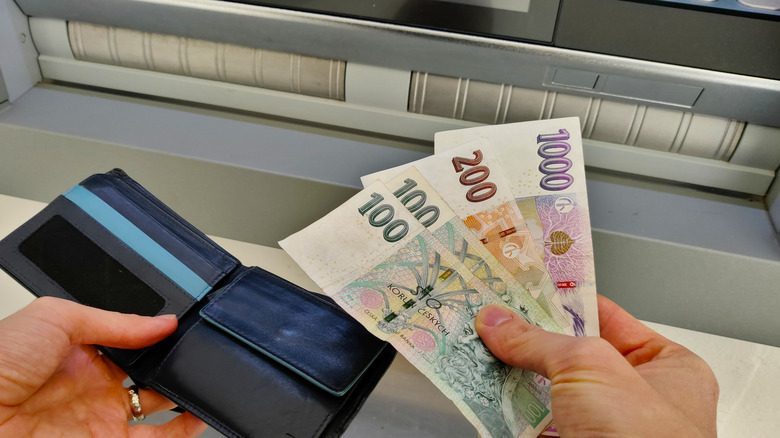
4. The Dynamic Currency Conversion (DCC) Scam: What to Tap Every Time
If there’s one trap I want you to avoid, it’s this one.
Dynamic Currency Conversion (DCC) is when an ATM or card terminal offers to charge you in your home currency instead of the local one. It sounds friendly: We’ll show you exactly how much this is in dollars!
But here’s what’s really happening behind that “helpful” screen:
- The machine uses its own terrible exchange rate, often 3–7% worse than your bank’s.
- It may add extra conversion fees on top.
- Your bank may still charge a foreign transaction fee anyway.
So you pay more, for no benefit. This is one of the biggest travel money exchange traps out there.
On screen, it often looks like this:
- Option 1:
Convert to USD at guaranteed rate
– this is DCC. Always decline. - Option 2:
Continue without conversion
orCharge in local currency
– this is what you want.
My rule: Always pay in the local currency, both at ATMs and card terminals. If the wording is confusing, assume the guaranteed
or fixed
rate is the bad one. That’s the dynamic currency conversion trap in action.
Once you get used to it, your thumb will automatically go to the Decline conversion
button. That habit alone can save you a surprising amount over a trip and is one of the simplest foreign transaction fee tips you can apply.
5. How Much Cash to Withdraw (and How Often)
Even with a good card, every ATM withdrawal has some cost. The trick is balancing fees against risk.
Here’s the trade-off:
- Frequent small withdrawals – safer if you lose your wallet, but you pay the fixed ATM fees over and over.
- Fewer, larger withdrawals – more efficient on fees, but you’re carrying more cash at once.
Because many fees are flat per transaction, frequent small withdrawals are the most expensive way to get cash. A better approach:
- Estimate your weekly cash needs for that country.
- Withdraw enough for 3–7 days at a time, depending on how cash-based the place is.
- Split your cash: some in your wallet, some hidden in your bag or hotel safe.
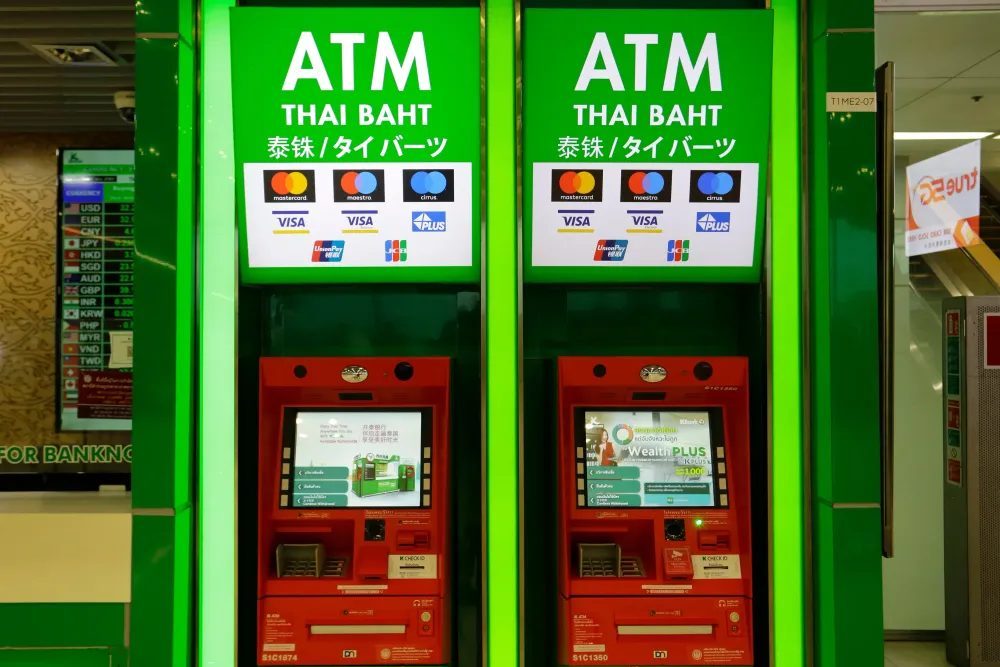
In countries with high fixed surcharges (Thailand, Cambodia, parts of Latin America), this matters even more. A $6 fee on a $60 withdrawal is brutal. On a $300 withdrawal, it’s still annoying, but percentage-wise much less painful.
Just don’t let optimizing fees
push you into carrying more cash than you’re comfortable losing. No fee strategy is worth feeling unsafe, even if you’re trying hard to minimize money loss on trips.
6. Use Cards Whenever It’s Safe (and Smart)
Cash is still king in many places, but not everywhere. In a lot of cities, you can dramatically cut ATM usage by leaning on cards and digital wallets.
When I can, I prefer to pay with:
- A no-foreign-transaction-fee credit card – often with rewards and purchase protection.
- Contactless payments via Apple Pay, Google Pay, or the bank’s app.
This works especially well for:
- Hotels and guesthouses.
- Flights, trains, and long-distance buses.
- Restaurants in major cities.
- Online bookings and tickets.
Every time you pay by card instead of cash, you’re avoiding at least one ATM withdrawal. Over a few weeks, that’s a big dent in your international ATM withdrawal costs.
Just remember:
- Always choose to be charged in the local currency (again, avoid DCC).
- Pay off your credit card in full; interest will wipe out any savings from avoiding FX fees.
- Keep a bit of cash for markets, small shops, and places that are still cash-only.
Think of cash as your backup, not your default, in card-friendly countries. When you get the credit card vs cash overseas balance right, you’ll feel the difference in your budget.
7. Practical On-the-Ground Habits That Save You Money
Once you’re traveling, a few small habits make a big difference. These are the ones I rely on trip after trip to avoid the hidden costs of using cards abroad and ATMs:
- Use your bank’s ATM locator – many banks and alliances list partner ATMs abroad. These often waive or reduce fees.
- Try ATM locator apps – tools like ATM Fee Saver or local banking apps can help you find cheaper machines nearby.
- Check the fee screen every time – if the ATM shows a crazy surcharge, cancel and find another.
- Keep a backup card separate – in your day bag or hotel safe, not in the same wallet.
- Use store cash-back carefully – in some countries, you can get cash at checkout instead of an ATM. It may still carry a foreign transaction fee, but you might avoid an ATM surcharge.
- Monitor your account – check your banking app every few days. You’ll spot unexpected fees or suspicious charges early.
None of these take much time. But together, they turn you from an easy target into a traveler who’s hard to nickel-and-dime.
8. Build Your Own Low-Fee Travel Setup
Let’s pull this together into something you can actually do this month.
Here’s a simple checklist to build a low-fee travel setup and find the best payment method for international travel that works for you:
- Audit your current bank and cards
Look up: ATM fees abroad, foreign transaction fees, and any partner networks. Pay attention to both your travel debit card foreign fees and your credit card terms. - Open one travel-friendly account
Aim for: no FX fees, low or refunded ATM fees, and no minimum balance. - Get a no-FX-fee credit card
Use it for most purchases; keep cash for when you truly need it. - Practice saying no to DCC
At home, pay attention to card prompts. Get used to choosing local currency so you don’t fall for the dynamic currency conversion trap on the road. - Plan your cash strategy per country
Some places are card-heavy; others are cash-heavy. Adjust how much you withdraw and how often so you’re not overpaying for currency exchange or ATM fees.
The goal isn’t to obsess over every cent. It’s to stop bleeding money on things that add zero value to your trip. Every $10 you don’t give to a random ATM is $10 you can spend on street food, a museum, or that extra night in a place you love.
Next time you’re standing in front of an ATM abroad, don’t rush. Read the screen. Question the helpful
offers. Tap Decline when it matters. And keep your money working for your travels, not your bank’s profit line.