I don’t know anyone who has blown their travel budget in a museum gift shop. The damage usually happens much earlier: somewhere between locking your front door and dropping your bags in the hotel room.
Airport day is a perfect storm. You’re tired, rushed, slightly stressed, and surrounded by businesses that know you’ll pay extra for convenience. That’s when the cheap trip
you booked online quietly becomes a lot more expensive.
Let’s walk through the journey from home to hotel and unpack 12 budget traps that hit before your vacation even starts – and how to dodge them so your airport arrival day budget doesn’t explode.
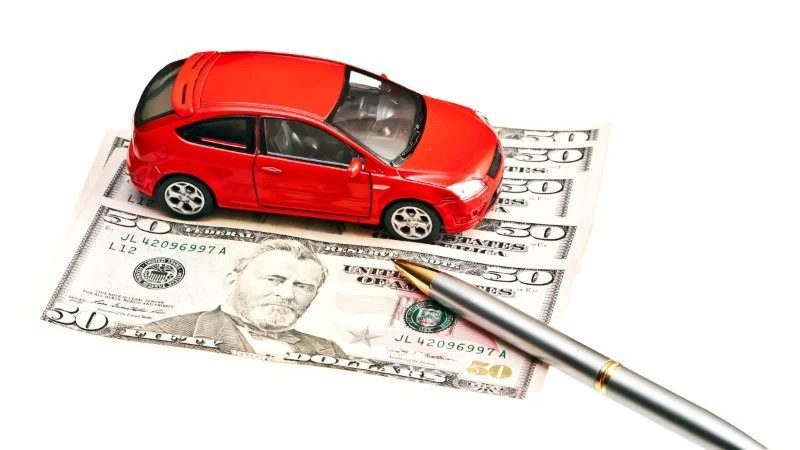
1. The Ride to the Airport That Costs More Than a Flight
Most people obsess over airfare and then casually tap Request Uber
without thinking. That’s how a $40 flight sale turns into a $90 airport day.
The trap: Last-minute rideshares, surge pricing, airport tolls, and premium parking. If you’re driving yourself, long-term parking can quietly add $10–$40 per day. Over a week, that’s a couple of nice dinners gone. It’s one of the easiest airport day budget traps to miss.
How to avoid it:
- Price out all options a week before: rideshare, taxi, airport train/bus, park-and-ride, or a friend + thank-you dinner.
- Check airport parking rates on the official website and compare with off-site lots that include a shuttle.
- Travel at non-peak times when possible to avoid rideshare surge pricing.
- For families or groups: a pre-booked van or shared shuttle can beat buying multiple train tickets.
Ask yourself: If this ride were a line item on my flight booking, would I still choose it?
If the answer is no, you’re overpaying before you even see the terminal.
2. Baggage Fees and the Just in Case
Suitcase
Airlines love your overpacking habit. It’s one of their biggest profit centers.
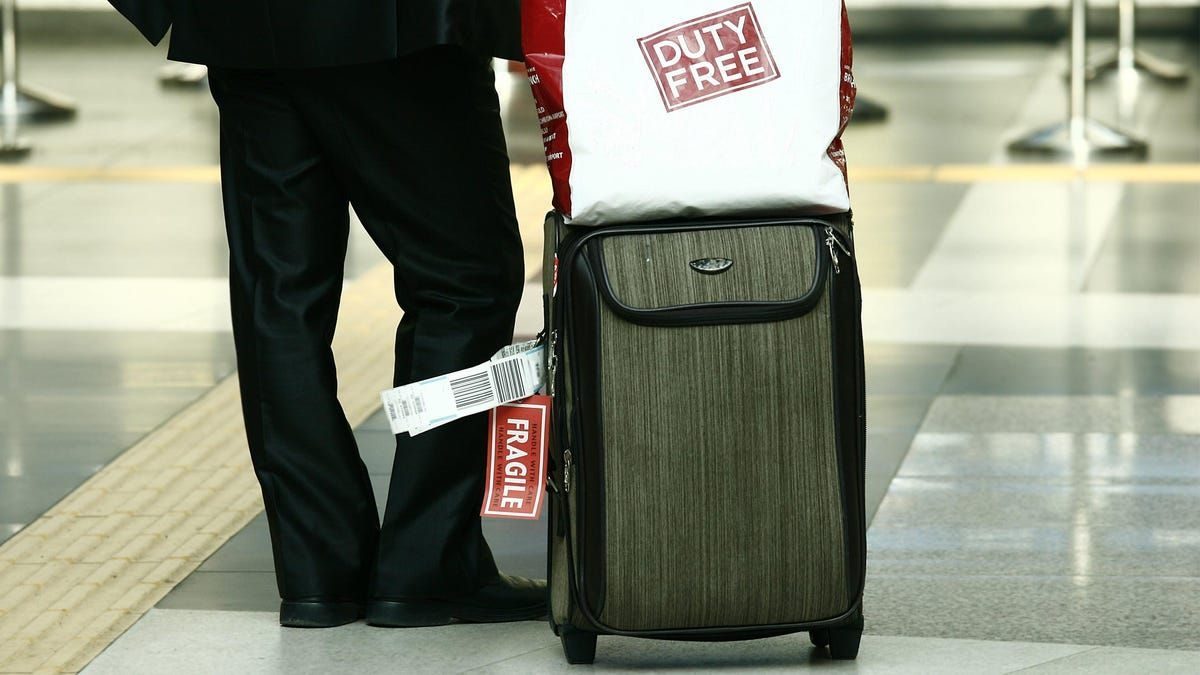
The trap: Checked bag fees, carry-on fees on low-cost carriers, and brutal overweight charges that can hit $100+ per bag. These often show up late in the booking process or only at check-in, so they don’t hurt until you’re already committed. It’s a classic hidden cost from home to hotel.
How to avoid it:
- Compare airlines by baggage policy, not just fare. A slightly higher ticket with a free bag can be cheaper overall.
- Weigh your bags at home. A cheap luggage scale can save you from repacking on the airport floor.
- Use one carry-on + personal item when possible. Roll clothes, use packing cubes, and plan to re-wear outfits.
- Check card and loyalty perks: many co-branded airline cards include a free checked bag for you (and sometimes companions).
If you routinely pay baggage fees, you’re quietly giving yourself a stealth airfare increase every single trip.
3. Seat Selection and the Pay to Sit Together
Game
You think you’ve booked a $200 flight. Then the airline asks if you’d like to sit with your partner or kids… for another $25–$60 per person, per leg.
The trap: Standard seat selection fees that appear near the end of booking. For families, this can add $100+ to a round trip. Some airlines even charge for middle seats. It’s one of those travel day hidden fees that doesn’t look like much until you multiply it.
How to avoid it:
- Decide your tolerance upfront: Is sitting together essential or just nice-to-have?
- Skip paid seats on short flights and let the system auto-assign. Gate agents often help families sit together without fees.
- Check fare types: sometimes a slightly higher fare includes seat selection and a bag, which can be cheaper than buying both separately.
- Set a hard cap: for example,
We won’t spend more than $30 total on seats.
If it exceeds that, you walk away.
Seat fees are designed to feel small and emotional (Don’t you want to sit with your child?
). Decide with your head before they ask your heart.
4. Airport Food, Coffee, and the I Forgot to Pack Snacks
Tax
Airport day is long. You’re up early, you’re stressed, and suddenly a $7 coffee and $18 sandwich feel reasonable.
The trap: Overpriced food and drinks at every stage: pre-security, post-security, on the plane, and again on arrival. For a couple or family, this can easily hit $40–$80 in a single day. It’s one of the most common unexpected airport expenses.
How to avoid it:
- Eat a real meal before you leave home or on the way, not at the gate.
- Pack snacks: nuts, granola bars, sandwiches, refillable water bottle (fill after security).
- Check if your ticket includes food (long-haul, premium economy, etc.) so you don’t double-pay.
- Use lounge access if you have it via card or status; sometimes a one-time lounge pass is cheaper than buying multiple airport meals.
Quick test: Would I pay this price for this food in my own city?
If not, you’re paying the airport tax, not for quality.
5. Check-In, Printing, and Other Low-Cost
Airline Tricks
Some budget airlines don’t just charge for bags. They charge for basic logistics.
The trap: Fees for checking in with an agent, printing boarding passes at the airport, or making changes in person. These can run $10–$25 per person, each way, and they’re easy to miss in the fine print. Another quiet hit to your airport arrival day budget.
How to avoid it:
- Read the airline’s fee page before you book. If you can’t find it easily, that’s a red flag.
- Check in online as soon as it opens and save your boarding pass offline or in your wallet app.
- Travel with a charged phone + backup (screenshot your boarding pass in case the app fails).
- Print at home if you know the airline charges at the airport.
Low-cost carriers can still be a great deal, but only if you play by their rules better than they expect you to.
6. Arrival ATMs, Currency Exchange, and the Welcome to Our Country
Fee
You land, you’re tired, and the first thing you see is a bright currency exchange booth or a convenient ATM. Perfect, right? Not really.

The trap: Terrible exchange rates, multiple ATM fees, and dynamic currency conversion
where a card machine offers to charge you in your home currency at a horrible rate. Do this a few times and you’ve tipped the bank more than your waiter.
How to avoid it:
- Use a travel-friendly card with no foreign transaction fees and good exchange rates (e.g., Revolut, Wise, N26, or similar in your region).
- Withdraw fewer, larger amounts from reputable bank ATMs in town, not at the airport, when possible.
- Always choose to pay in local currency on card machines. Decline the
pay in your home currency
option. - Carry a small emergency stash of widely accepted cash (USD/EUR/GBP) for those rare
card not working
moments.
Think of airport exchange booths as last-resort ATMs. Use them only for a small amount if you absolutely must.
7. Airport Transfers: Taxi, Train, or Just This Once
Uber?
Getting from the airport to your hotel is where many budgets quietly bleed. You’re in a new place, maybe in a new language, and the easiest option suddenly feels like the only option.
The trap: Flat-rate airport taxis, surge-priced rideshares, hotel shuttles that aren’t actually free, and tourist price
scams. In some cities, this ride can cost more than your daily accommodation. These extra costs between airport and hotel are where a lot of surprise travel day expenses live.
How to avoid it:
- Research airport transfers before you fly: train, metro, bus, official taxi, rideshare, or hotel shuttle.
- Check official airport websites for typical fares and recommended options.
- For late-night arrivals or with kids, pre-book a reputable transfer so you’re not negotiating when exhausted.
- For solo travelers: public transit is often the sweet spot between cost and speed.
Don’t wait until you’re standing in the arrivals hall with luggage and no plan. That’s when you pay whatever someone suggests.
8. Hotel Check-In Surprises: Resort Fees, Parking, and Plus Tax
You finally reach the hotel, only to be told your $150 room
is actually $210 per night once resort fees, destination fees, and taxes are added. Welcome to the real price.
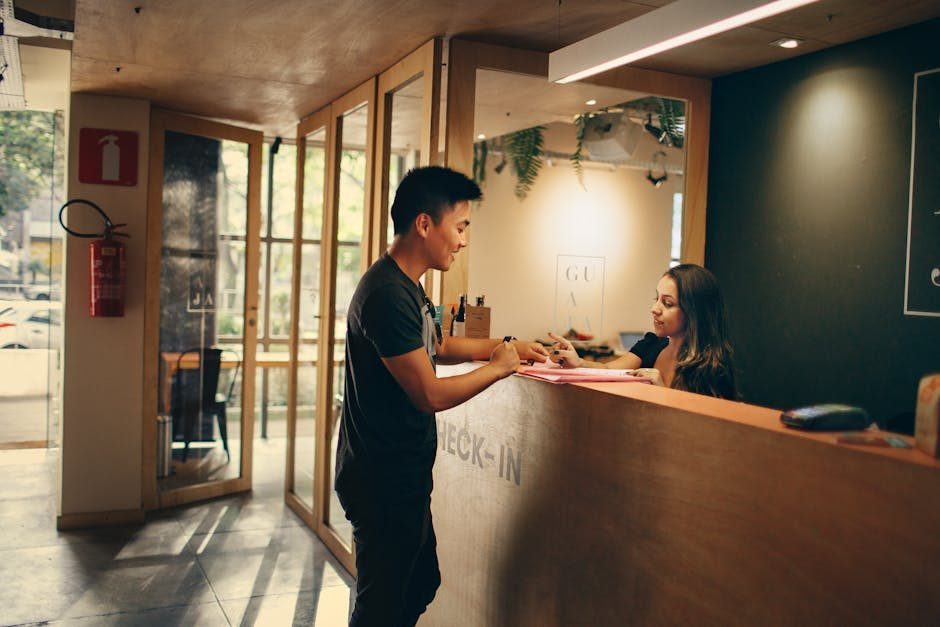
The trap: Mandatory resort or destination fees ($20–$50+ per night), local taxes added at check-in, paid parking, and sometimes extra charges for Wi‑Fi or additional guests. Over a week, this can add hundreds of dollars and turn a carefully planned airport day travel budget upside down.
How to avoid it:
- Search with total price filters where possible and read the fee breakdown before booking.
- Check the hotel’s own website for resort/destination fees and parking costs; sometimes they’re clearer there than on booking sites.
- Ask directly before you book:
Are there any mandatory fees or parking charges not shown in the nightly rate?
- Consider location: a slightly more expensive hotel with free parking and no resort fee can be cheaper overall.
In some cities (especially in the U.S.), the price you see online is almost never the price you pay. Plan your airport to hotel transfer costs and hotel fees together so you see the real total.
9. Wi‑Fi, Roaming, and the Just a Quick Check
Data Bill
Maps, messages, boarding passes, hotel confirmations – airport day is data-heavy. That’s exactly when roaming charges and paid Wi‑Fi pounce.
The trap: International roaming at $5–$15 per day, background app data, and hotels that still charge for in-room Wi‑Fi. A week of careless roaming can cost more than your flight.
How to avoid it:
- Check your mobile plan before you go. Do you have a daily roaming cap? Is data throttled?
- Use eSIMs or local SIMs (e.g., Airalo, Holafly, or local providers) for cheaper data.
- Download offline maps and key documents (hotel address, reservation codes) before you leave home.
- Use airplane mode + Wi‑Fi and only turn data on when you really need it.
Roaming isn’t evil. Unplanned roaming is. Decide your strategy before you step on the plane.
10. Tipping, Service Charges, and the First Meal Shock
Your first meal after landing is often where you meet the local tipping and tax culture – sometimes the hard way.
The trap: In countries like the U.S., prices are listed before tax, and tipping 15–25% is standard. That $50 dinner
can easily become $60–$65. In other places, a service charge is already included, and adding a big tip on top is just overpaying. It’s a classic tourist money trap on arrival.
How to avoid it:
- Look up tipping norms for your destination before you travel.
- Check the bill for service charges or
coperto
(cover charge) so you don’t double-tip. - In high-tax countries (like the U.S.), mentally add 20–30% to menu prices to account for tax + tip.
- Use cash for tips when possible to keep better control of what you’re actually spending.
Tipping isn’t just a cultural detail; it’s a real line in your daily budget. Ignore it and your numbers will be wrong from day one.
11. Early Check-In, Late Check-Out, and Just This Once
Convenience Fees
Flights rarely line up perfectly with hotel check-in times. That gap is where convenience fees sneak in.
The trap: Paying for early check-in, late check-out, or an extra night just to avoid a few hours of waiting. Add in luggage storage fees at some hotels or stations, and you’ve quietly bought half a day of room you barely use.
How to avoid it:
- Ask about free luggage storage at your hotel or nearby lockers so you can explore without paying for extra hours.
- Plan your first and last day activities around check-in/out times: choose things that don’t require a shower or change of clothes.
- Politely request early check-in without assuming it’s paid; many hotels will accommodate if they can.
- For very early arrivals: consider booking the night before only if the cost is worth the extra rest.
Convenience is great, but it’s not free. Decide when it’s worth paying for, instead of defaulting to yes
because you’re tired.
12. The Small Stuff
That Adds Up: Water, SIM Cards, and Last-Minute Extras
Individually, these don’t look like much. Together, they can easily add $30–$60 to airport day.
The trap: Bottled water at airport prices, impulse buys (neck pillows, chargers, adapters), overpriced airport SIM cards, and emergency
toiletries you already own at home. These are the tiny travel budget mistakes on airport day that quietly pile up.
How to avoid it:
- Pack a small
airport kit
: empty water bottle, universal adapter, basic meds, travel-size toiletries, spare charging cable. - Buy SIMs or eSIMs online before you travel instead of at the airport kiosk.
- Set a small impulse budget (e.g., $10) and stick to it. If it’s not essential, it waits.
- Keep a packing checklist so you’re not rebuying the same items every trip.
Airport shops are designed for people who didn’t plan. The more you prepare at home, the less you spend in that overpriced bubble.
Putting It All Together: Design Your Airport Day Budget on Purpose
From home to hotel, none of these costs are truly hidden
. They’re just scattered, small, and easy to ignore until they pile up into serious airport day budget traps.
Here’s a simple way to take control and avoid overspending at the airport:
- List your airport day steps: home → airport → flight → arrival → hotel.
- Under each step, write the likely costs: ride, bags, seats, food, transfers, tips, fees.
- Decide in advance where you’ll pay for convenience and where you’ll optimize.
- Add a 10–15% buffer for surprises so they don’t derail your mood or your budget.
The goal isn’t to say no to everything. It’s to make sure every yes
is intentional. When you do that, airport day stops being a budget ambush and becomes just another well-planned part of your trip from home to hotel.