

I plan a lot of trips that refuse to stay put. Meetings move, projects slip, clients change their minds. If your calendar looks anything like mine, a rigid travel budget is basically a fantasy.
The fix isn’t a perfect spreadsheet. It’s a flexible travel budget system that can bend with last-minute work trips without blowing up your numbers. Here’s how I build one that actually survives real life.
1. Start With a “Chaos Baseline” Instead of a Perfect Plan
Most travel budgeting for business travelers assumes a neat world: every trip booked 30 days out, midweek flights, normal prices. Then reality shows up with a same-day flight and a city that’s already sold out.
I budget differently. I start with a chaos baseline—a realistic view of how unpredictable your work travel really is:
- How many trips per quarter get booked under 7 days before departure?
- How many are same-day or next-day bookings?
- Which roles or teams drive most of that chaos (sales, execs, field crews)?
If you don’t know, pull the last 6–12 months of travel data from your TMC or booking tool. No system? Start now. Even a basic spreadsheet gives you enough to build a more flexible travel budget.
Then I assign rough multipliers to estimate the real cost of changing work trips:
- Planned trips (14+ days out): 1.0x base cost
- Short-notice (3–13 days): 1.3–1.5x base cost
- Last-minute (0–2 days): 1.7–2.2x base cost
Those numbers are high on purpose. Last-minute business travel almost always comes with a premium. Dynamic pricing, limited inventory, and higher fare classes all pile on, as plenty of corporate travel guides point out (see, for example, this breakdown of last-minute flight economics).
Once you accept that some trips will be expensive by design
, you stop being shocked by the bill and start building a variable travel budget strategy that expects it.
2. Separate “Planned” and “Emergency” Travel Buckets
One of the biggest shifts in my work travel expense planning was to stop treating all trips as one big, blurry category. Instead, I split the budget into two clear buckets:
- Planned travel: conferences, recurring client visits, internal offsites, training.
- Emergency / reactive travel: crisis visits, deal-saving trips, urgent site issues, last-minute executive meetings.
Why bother? Because the rules, expectations, and costs are completely different.
For planned travel, I’m strict:
- Advance purchase whenever possible
- Preferred carriers and hotel chains
- Off-peak flights where it makes sense
- Extended-stay hotels for longer projects
For emergency travel, I build in flexibility from the start:
- Higher per-trip caps (and I’m honest about them)
- Permission to book flexible or refundable fares
- Looser rules on routing and timing
Finance teams usually appreciate this kind of clarity. It mirrors what you’ll see in a lot of work travel cost management tips: define emergency travel thresholds
with finance so approvals don’t stall when time is tight.
A simple structure that works for many teams:
- Planned bucket: 70–80% of total travel budget
- Emergency bucket: 20–30% reserved for short-notice trips
If your world is highly reactive—field crews, construction, crisis response—that emergency slice may need to be even bigger. That’s the reality of managing travel costs with unpredictable schedules.
3. Build Traveler Profiles So You Don’t Pay a “Panic Tax”
Last-minute travel is expensive enough. Paying extra because you’re scrambling at 11 p.m. for someone’s passport number or loyalty ID? That’s just a self-inflicted tax.
I treat traveler profiles as a core part of my flexible travel budget strategy, not just admin paperwork. For each frequent traveler, I keep a digital profile with:
- Full legal name, date of birth, passport details
- Known traveler / TSA PreCheck / Global Entry numbers
- Frequent flyer and hotel loyalty numbers
- Seat, meal, and hotel preferences
- Preferred airports and airlines
- Corporate card or approved payment method
When a last-minute work trip pops up, I can book in minutes. No back-and-forth, no missed loyalty points, no typos that turn into change fees. Travel management companies push this for a reason: it’s the difference between a 5-minute booking and a 45-minute fire drill.
I also pre-decide some rules by traveler type or role:
- Execs: flexible fares and business-friendly hotels near the venue.
- Field staff: mid-range hotels, flexible same-day change options, close to the job site.
- Sales: standard economy with changeable fares on loyalty-earning carriers.
Those rules live in the profile or the travel platform so I’m not renegotiating every single trip. It’s a small step that helps avoid overspending on work travel when things get hectic.
4. Budget for Flexibility, Not Just the Sticker Price
When your work trips keep shifting, the cheapest-looking option is often the most expensive in the end. A realistic business trip budget breakdown has to look beyond the headline fare.
Here’s how I think about total trip cost when I budget for changing work trips:
- Fare + bags + seat fees
- Change / cancellation flexibility (or the lack of it)
- Time cost of awkward routings and long layovers
- Disruption risk (tight connections, last flight of the day, tiny airports)
Basic economy is the classic trap. On paper it’s cheap. In reality, once you add baggage, seat fees, and the risk of eating the whole ticket when a meeting moves, it’s often the priciest option for business travelers.
So in my travel budgeting for business travelers, I usually assume:
- Standard economy for most short-notice trips
- Refundable or flexible fares for high-risk trips (big deals, volatile projects)
- Same-day change options when schedules are notoriously unstable
Yes, the upfront cost is higher. But I’ve watched companies burn tens of thousands on non-changeable tickets they never used. Over a year, paying a bit more for flexibility is often the cheaper move.
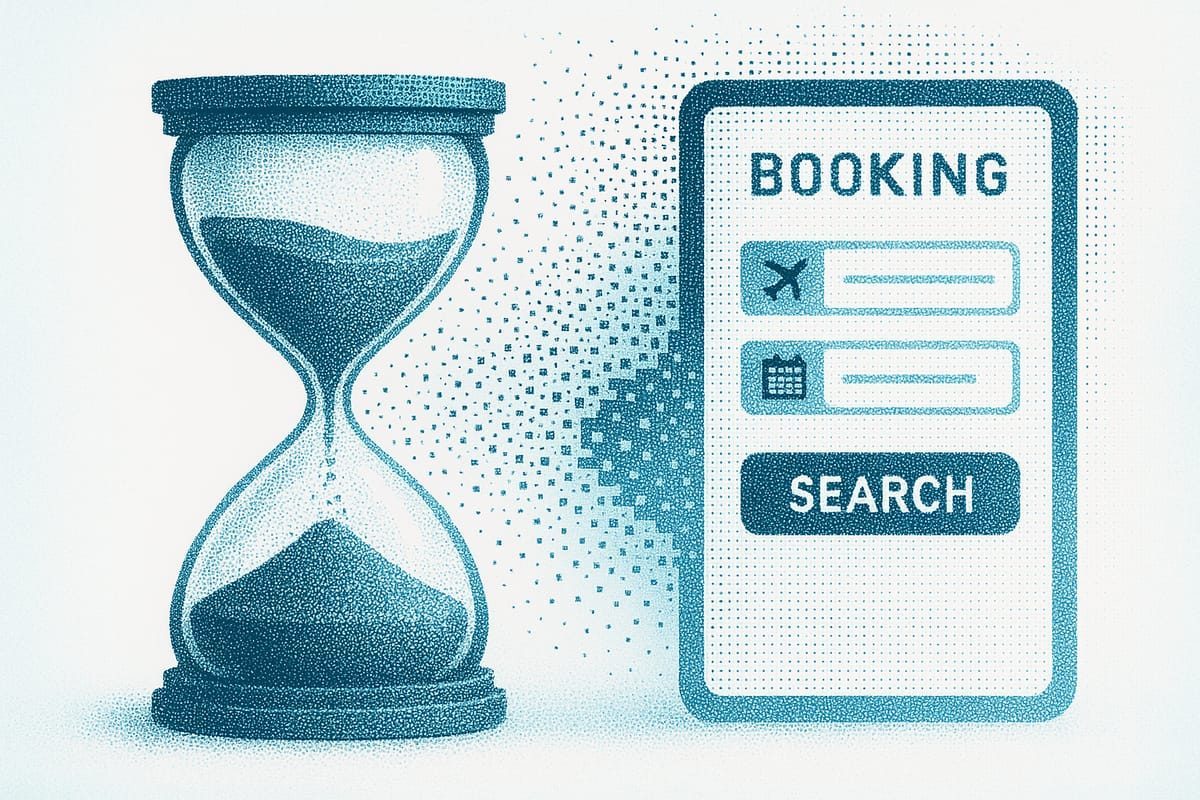
When I’m comparing options, I literally ask: If this trip moves by 24–48 hours, which option hurts the least?
That’s the one I budget for.
5. Use the Right Tools: Centralize or You’ll Lose the Plot
If travelers are booking flights on one site, hotels on another, and cars somewhere else, your travel budget for frequent work trips will always feel fuzzy. You can’t control what you can’t see.
Whenever I can, I consolidate bookings into a single platform or TMC:
- All trips in one place = better visibility and reporting
- Negotiated rates and corporate discounts actually get used
- Policy rules (max nightly rate, cabin class, etc.) can be enforced automatically
- 24/7 support can step in when flights cancel or meetings move
For complex, shifting work like construction or field operations, I’ve seen specialized platforms that bundle flights, hotels, and vehicles into one request and apply project-specific rates automatically. The principle is the same: centralize so you can see what each project or client is really costing you.
On the traveler side, I nudge people to:
- Use airline apps for real-time alerts and easier same-day changes
- Book directly with airlines when flexibility and disruption support matter most
- Use expense apps that scan receipts and auto-build reports
Every manual step you remove is one less chance for a costly mistake when you’re under time pressure.

6. Put Hard Numbers Around Hotels, Meals, and Ground
Flights get all the attention, but in a lot of variable travel budget strategies, hotels and food are the real budget killers—especially when trips extend or shift at the last minute.
I like to set clear, realistic ranges by city or region:
- Hotel nightly caps by city tier (major financial hubs vs. secondary cities)
- Per diem or meal caps for breakfast, lunch, and dinner
- Ground transport rules: when to use public transit, when a rental car beats rideshares
Then I add a flex factor for last-minute work travel changes:
- +15–25% on hotel caps when booking inside 48 hours
- +10–15% on meals in high-cost cities where there’s no time to shop around
For longer stays, I deliberately budget for:
- Extended-stay hotels with kitchens (cheaper than eating out every meal)
- Properties that include breakfast
- Weekly or monthly car rentals instead of daily rates
It’s not glamorous, but this is where a flexible travel budget quietly saves you thousands over a year.
7. Track Unused Tickets and Credits Like They’re Cash (Because They Are)
When plans keep changing, you will end up with unused tickets and credits. The question is whether you treat them as a rounding error—or as money you fully intend to recover.
I treat them like a mini asset register:
- Every canceled or changed ticket gets logged with airline, traveler, value, and expiry date
- Before booking a new flight, we check for existing credits for that traveler or route
- Once a month, I review what’s expiring soon and try to use it
Many travel management systems can do this automatically, but even a shared spreadsheet is better than nothing. Some companies recover five or six figures a year just by systematically reusing credits.
In my budget, I actually include a line for “credit recovery”—a negative number that offsets some of the cost of last-minute travel. It’s a quiet way to claw back money from all that chaos.

8. Decide What You’ll Say “No” To Before the Calendar Explodes
Here’s the uncomfortable part. A flexible travel budget isn’t just about absorbing changes. It’s also about deciding what you won’t fund.
I like to set a few hard lines in advance, before emotions and urgency get involved:
- Trip value threshold: If the expected revenue or strategic value is below X, we don’t approve a last-minute flight.
- Frequency caps: If a team or client is triggering constant emergency trips, we pause and renegotiate expectations or switch to virtual meetings.
- Well-being limits: No more than Y red-eyes or overnight turnarounds per person per month.
Last-minute travel has human costs: stress, burnout, family disruption. You’ll feel it long before it shows up in a spreadsheet.
So before I approve a reactive trip, I ask a blunt question: If we say yes to this, what are we saying no to later—budget-wise and human-wise?
If the answer feels off, I push for a different solution: reschedule, send someone local, or go virtual.
Bringing It All Together
A flexible travel budget isn’t about predicting every trip. It’s about accepting that some of your work travel will be messy—and designing around that from the start.
If you want a simple way to tighten your work travel expense planning this month, here’s a quick checklist:
- Audit the last 6–12 months: how many trips were last-minute, and what did they really cost?
- Split your budget into planned vs. emergency buckets with clear rules.
- Build or clean up traveler profiles for your top 10–20 frequent travelers.
- Centralize bookings as much as you realistically can.
- Set realistic hotel, meal, and ground caps—with a flex factor for short notice.
- Create a simple system to track and reuse unused tickets and credits.
- Agree on a few hard
no
lines for low-value or high-burnout trips.
Do those, and the next time your calendar explodes, your budget won’t.