
I used to obsess over finding the absolute cheapest
flight. I’d sort by price, pick the lowest fare, and feel like I’d won. Then I started tracking what those flights really cost once I landed: extra hotel nights, wasted vacation days, overpriced airport food, lost sleep, and the occasional missed connection.
That’s when it clicked: your flight arrival time can quietly blow up your trip budget, even when the ticket looks like a steal.
This guide walks through how airlines think about time, why early-morning and late-night flights often look cheaper, and how landing just a few hours too early or too late can add hidden costs you’ll never see on the booking screen. If you care about your trip budget and flight timing, this is where the real savings hide.
1. The First Trap: Confusing Ticket Price With Trip Cost
When you compare flights, it’s tempting to do one thing: sort by price and grab the lowest number. But that number is only the flight cost, not the trip cost.
Now, whenever I see a fare, I pause and ask:
- What time do I actually land?
- What will be open when I land? (transport, hotel check-in, restaurants)
- What does that arrival time force me to buy? (extra hotel night, taxi instead of train, airport meals, lounge access, etc.)
Once you start doing this, patterns jump out:
- The cheapest flight often lands at a time that forces you into the most expensive ground options.
- A slightly higher fare can save a full hotel night, a $60 taxi, or even a wasted day of PTO.
So the real question isn’t Is this flight cheap?
but What does this arrival time do to the rest of my budget?
That’s where the true flight arrival time cost shows up.
2. How Airlines Pad Flight Times (and Why That Matters for You)
To make sense of arrival times, you need one slightly nerdy concept: block time. Airlines don’t just publish time in the air
. They publish gate to gate
time: pushback, taxi, takeoff, landing, taxi again, and parking.
According to research on how airlines calculate flight duration, the schedule you see is usually padded by 20–40 minutes so they can hit on-time performance targets. They factor in:
- Taxi times (which can add 20–30 minutes at big hubs)
- Seasonal winds and jet streams
- Typical congestion and delays on that route
- Aircraft type and cruising speed
Why should you care?
- A flight that
arrives
at 7:00 AM might actually be on the ground by 6:35 AM on a good day. - The opposite is also true: a tight connection that looks fine on paper can be a disaster if that route is chronically delayed.
These days I assume:
- Domestic connections: I want at least 1–2 hours.
- International or big hubs: 2–4 hours is safer, especially if immigration is involved.
That extra buffer can be the difference between a smooth trip and paying last-minute walk-up fares because you missed your connection by 10 minutes. It’s not just about time; it’s about avoiding surprise costs that never show up in a simple flight timing budget strategy.

3. The Early Arrival Illusion: When Landing Too Soon Costs You More
Early-morning flights are often cheaper. Multiple sources, including Flyopedia and Eazyfares, point to the same reasons:
- Lower demand at inconvenient hours
- Less congestion and fewer delays
- Airlines trying to keep expensive aircraft flying instead of sitting on the ground
So yes, that 5:30 AM departure or 6:00 AM arrival can be 12–16% cheaper than a midday option. On the booking screen, it looks like you’ve nailed the cheapest time of day to land.
Here’s what I’ve actually paid for those savings
:
- Overnight airport hotel because public transport doesn’t run early enough to get me to the airport.
- Uber instead of train because the first train or bus is too late.
- Paying for early check-in or an extra hotel night because I land at 6:00 AM and can’t get into my room until 3:00 PM.
- Lost productivity because I’ve been awake since 3:00 AM and my first day is basically useless.
Those are the hidden costs of early flight arrivals that never show up in the fare.
Now I sanity-check early arrivals with a quick routine:
- Look up the first train/bus from the airport to the city.
- Check hotel check-in time and whether early check-in is realistic or paid.
- Estimate what I’ll actually do between landing and getting into my room.
If the honest answer is sit in a café for 6 hours buying coffee and breakfast
or pay for an extra night just to sleep when I land
, that cheap early arrival suddenly looks expensive. The cost of landing too early isn’t just money; it’s energy and time you don’t get back.
4. The Late Arrival Trap: When a Cheap Fare Buys You an Expensive Night
Late-night flights (red-eyes) are often discounted too. Airlines know most people don’t want to land at 11:30 PM or 1:00 AM, so they cut prices to fill seats.
But landing late can quietly trigger a chain of costs that wreck your trip budget and flight timing plan:
- Public transport shuts down or runs skeleton service, so you’re forced into a taxi or rideshare.
- Hotel check-in gets tricky; some smaller places lock doors or charge for late arrival.
- Food options shrink to airport fast food or room service pricing.
- Safety concerns might push you to pay more for safer transport or a better-located hotel.
Before I book a late arrival now, I ask:
If I land at this time, what’s my realistic route from airport to bed?
What’s actually open?
Would I feel comfortable doing that route with my luggage at that hour?
Often I’ll deliberately pay more for a flight that lands between 10:00 AM and 6:00 PM because:
- Transport is fully running.
- Hotel check-in is straightforward.
- I can grab a normal meal at normal prices.
That extra $40–$80 on the ticket can easily save $50–$100 in taxis, surcharges, and late-night compromises. The budget impact of midnight arrivals is rarely obvious when you’re just staring at the fare.
5. Time Zones, Jet Streams, and the Fake
Arrival Time Problem
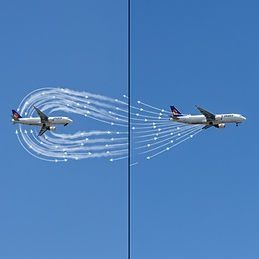
Time zones and winds play another trick on you. Eastbound flights often look magically shorter. Westbound flights look painfully long. That’s not your imagination; it’s the jet stream.
Research on flight time calculators and jet streams shows:
- Eastbound flights often ride tailwinds in the jet stream, shaving 30–90 minutes off the air time.
- Westbound flights fight headwinds, especially in winter, adding significant time.
- The same route can have different typical durations by season.
So you might see:
- New York → London: 6h 30m
- London → New York: 8h 00m
On paper, both might arrive
at convenient times. In reality, the westbound leg is more likely to be delayed, and you’ll be more exhausted when you land.
Here’s how I handle this now:
- I treat westbound arrivals as more fragile and avoid tight evening plans or same-day connections after them.
- I use a flight time calculator (like the one described on TravelHealth Pro) to estimate total journey time, including layovers, not just the main flight.
- I plan my first night around how wrecked I’ll realistically feel, not how optimistic the schedule looks.
In other words, I don’t let the printed arrival time fool me into over-scheduling my first day or underestimating how much recovery I’ll need. The arrival time vs taxi and transport cost is only part of the story; your energy level is the other half.
6. When a Deal
Flight Forces You Into Premium Ground Costs
Airlines run on thin margins and complicated cost structures. As Simple Flying explains, they juggle huge fixed costs (aircraft, maintenance, staff) and variable costs (fuel, crew time) on each route. Dynamic pricing is how they fill seats at the highest price each passenger is willing to pay.
That’s why you often see this pattern:
- Inconvenient arrival times → cheaper ticket, but more expensive ground costs.
- Prime arrival times → more expensive ticket, but cheaper and easier ground logistics.
Here are some hidden costs I now factor in when I see a suspiciously cheap fare and I’m thinking about the cost of landing too early or too late:
- Transport upgrade: Train vs taxi vs rideshare vs private transfer.
- Hotel timing: Extra night, early check-in fee, or paying for a more central hotel to feel safe late at night.
- Food: Airport meals, room service, or late-night surcharges.
- Sleep: How much of my first day is going to be written off because I landed at a brutal hour?
Sometimes the math is brutal. A $70 cheaper flight can easily trigger:
- $40–$80 extra in transport
- $20–$40 in extra food/coffee while you wait for check-in
- Half a wasted day of your trip
Once you see that, it becomes much easier to say: No thanks, I’ll pay more to land at a sane time.
That’s the real travel cost guide for flight arrival times most booking sites never show you.
7. How to Choose Arrival Times That Actually Save You Money
Here’s the practical framework I use now when I’m staring at a list of flights, trying not to get hypnotized by the lowest price. It’s how I match flight timing with my actual trip budget.
Step 1: Define your sweet spot
arrival window
- For city breaks: I aim to land between 10:00 AM and 4:00 PM.
- For business trips: I avoid landing less than 4–6 hours before anything important.
- For long-haul with jet lag: I prefer landing in the late morning or early afternoon so I can stay awake until local evening.
This is where choosing flight arrival time to save money really starts: decide what actually works for your body and your plans.
Step 2: Price the ground side, not just the flight
- Check last/first train or bus times from the airport.
- Look up taxi/rideshare estimates for your arrival time.
- Check hotel check-in and late check-in policies.
Then I literally ask: If I pick this flight, what extra costs does it create on the ground?
This is where airport transfer costs by arrival time can flip the decision.
Step 3: Put a number on your time and energy
It sounds abstract, but it’s not. If losing half a day of your trip is worth, say, $50–$100 to you, then a $40 cheaper flight that ruins that day is not a deal. The same goes for a red-eye that leaves you wrecked: the red eye flight arrival cost comparison should include how much of the next day you’ll lose.
Step 4: Use tools, but don’t outsource judgment
Dynamic pricing and late-night search tricks (like those discussed in this article on 2 AM booking) can help you find lower fares. But they don’t know:
- When your hotel actually lets you in.
- How safe you feel arriving at midnight.
- How destroyed you are after a red-eye.
That part is on you. And it’s where most of the arrival time mistakes that waste money happen.

8. The Bottom Line: Stop Letting Arrival Times Quietly Drain Your Budget
When I look back at my most expensive trips, the problem usually wasn’t the ticket price. It was the arrival time I chose to chase that price.
Here’s the distilled version:
- Early arrivals can cost you sleep, extra hotel nights, and hours of dead time before check-in.
- Late arrivals can force you into taxis, late-night surcharges, and safety trade-offs.
- Jet streams, block time, and time zones make schedules look more precise than they really are.
- Dynamic pricing rewards you for tolerating inconvenient times, but only if you don’t overpay on the ground to compensate.
The next time you search for flights, try this: instead of sorting only by price, sort by the arrival time you actually want, then compare total trip cost (flight + ground + your energy).
You might still choose the early or late option. But if you do, it’ll be a conscious trade, not a hidden cost that ambushes you after you land. That’s how you turn hotel check in timing and flight arrival, transport, and your own energy into a real strategy instead of an expensive surprise.