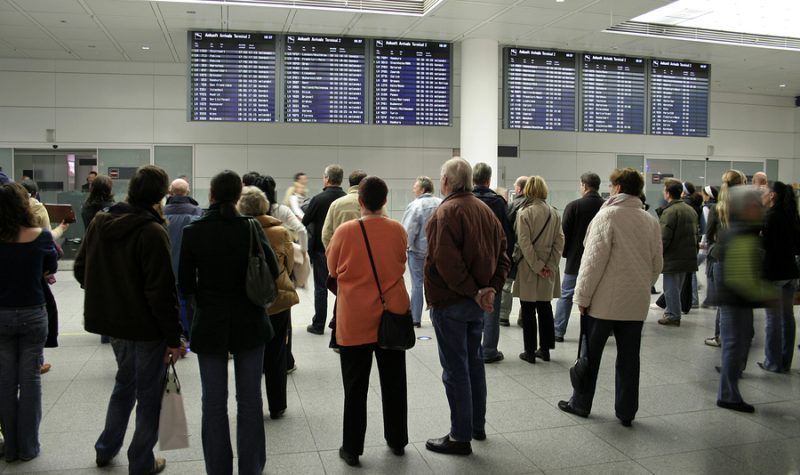
I’ve spent a lot of time in airports watching people argue with gate agents about hotels and meal vouchers. Most of them are sure the airline has to pay. Most of them are wrong.
In the U.S., your rights are better than airlines want you to think, but weaker than many travelers assume. The trick is knowing the difference between what’s legally required and what’s just a nice if you ask loudly enough
gesture.
Let’s walk through when airlines must pay for your hotel and meals, when they only do it voluntarily, and how to push them to honor what they’ve promised.
1. First Decision: Do You Want a Refund or the Trip?
Before you even think about airline hotel compensation for a delay, you have to answer one question: Do I still want to take this trip?
Under updated U.S. Department of Transportation (DOT) rules (effective late 2024), if your flight is:
- Delayed 3+ hours for a domestic trip, or
- Delayed 6+ hours for an international trip, or
- Cancelled altogether,
you’re usually entitled to a cash refund of your ticket and any unused add-ons (like seat fees or bags) if you say “no” to rebooking or credits.
See DOT guidance summarized here: Squaremouth’s overview and VisaVerge’s breakdown.
Key point: Refund rights are about the flight, not your hotel or meals. The law focuses on getting your money back for the ticket, not on paying for the chaos the delay creates in your life.
If you accept:
- a rebooked flight, or
- a travel credit or voucher,
you usually give up your right to that cash refund. So decide early:
- Trip still matters more than money? Take the rebooking and then focus on hotel and meal options.
- Trip is ruined anyway? Push for the full refund and go home. Your hotel and meals will likely be on you unless you have travel insurance or credit card trip delay coverage.
Refund timing is also regulated: airlines must process refunds within 7 business days for credit card purchases and 20 days for other methods (Semeraro Law summary).
2. The Big Split: Controllable vs. Uncontrollable Delays
Once you know whether you’re staying on the trip, the next question is simple: What caused the delay?
Airlines and regulators divide disruptions into two buckets:
- Within the airline’s control – things like:
- Mechanical or maintenance problems
- Crew scheduling or staffing issues
- IT or scheduling system failures
- Operational mistakes
- Outside the airline’s control – things like:
- Severe weather
- Air traffic control restrictions
- Security events
- Government shutdowns or airspace closures
Why this matters:
- Refunds (for big delays/cancellations) don’t care about the cause. If the delay meets the DOT threshold and you decline rebooking, you can get your money back either way.
- Hotels and meals almost always do depend on the cause. Airline hotel reimbursement and meal vouchers are far more likely when it’s their fault.
Here’s the uncomfortable truth: in the U.S., there is no federal law that says airlines must pay for your hotel or meals during delays, even when they caused the problem. DOT has proposed stronger rules to require this for controllable delays (DOT proposal), but as of late 2025, those rules are not in force.
So what actually happens in practice?
- For controllable delays, most major U.S. airlines now promise some combination of meal vouchers and hotel stays, especially for overnight disruptions.
- For uncontrollable delays (weather, ATC), you’re usually on your own for hotels and meals, unless you have travel insurance, a good credit card, or elite status perks.
DOT’s Airline Customer Service Dashboard at FlightRights.gov shows, airline by airline, what they voluntarily guarantee for controllable delays and cancellations. It’s a handy way to compare airline passenger rights for hotel and meals before you book.
3. When U.S. Airlines Actually Pay for Your Hotel
Let’s get specific. When do U.S. airlines actually put you in a hotel instead of just shrugging?
Based on current policies summarized by multiple sources (including AirlinePolicies, AirAdvisor, and DOT’s dashboard), the pattern looks like this:
You’re likely to get a hotel if:
- The delay or cancellation is within the airline’s control (mechanical, crew, IT, etc.), and
- You’re stuck overnight and rebooked for the next day, and
- Your flights are on a single ticket/itinerary, and
- You’re flying a major full-service carrier (Delta, United, American, JetBlue, Alaska, etc.).
In those cases, many airlines will provide:
- A hotel night at a mid-range airport hotel
- Shuttle or ground transport to/from the hotel
- Sometimes meal vouchers on top
You’re unlikely to get a hotel if:
- The disruption is due to weather or air traffic control
- You booked separate tickets (e.g., one ticket to New York, another separate ticket to Europe)
- You’re on an ultra-low-cost carrier (Spirit, Frontier, etc.), which often have stricter policies and minimal overnight flight delay hotel rights
Even then, it’s not automatic. Airlines rarely walk around handing out hotel vouchers. You usually have to ask, and you’ll have better odds if you:
- Confirm the cause of the delay:
Can you confirm this is a mechanical issue?
- Point out the overnight rebooking:
Since you’ve rebooked me for tomorrow morning, I’ll need a hotel tonight.
- Reference their own policy:
Your customer service page says you provide hotels for overnight delays within your control.
Also note: airlines usually choose the hotel. If you decide to book your own nicer place, reimbursement is not guaranteed unless they explicitly authorize it in writing. If you want to claim airline delay expenses later, you’ll need that proof.
4. When You Can Expect Meal Vouchers (and When You Can’t)
Meals are a bit more generous than hotels, but the same logic applies: control matters.
According to DOT pressure and public commitments (Squaremouth, AirAdvisor, and DOT’s dashboard):
- All 10 largest U.S. airlines now guarantee meals (usually via vouchers) for controllable delays of a certain length, often around 3+ hours.
- Most do not guarantee meals for weather or ATC delays, though some may offer them as a courtesy.
What you can realistically expect under typical airline meal voucher rules:
- Vouchers that cover airport food prices poorly – think $12–$20 per person, sometimes more for long delays.
- Sometimes multiple vouchers if the delay keeps extending.
- Occasional refusal if the agent claims the delay is
outside our control
even when it’s not clear. This is where politely pushing back helps.
One important exception: tarmac delays. If you’re stuck on the plane on the ground for 2+ hours, DOT rules require airlines to provide water and snacks, access to bathrooms, and necessary medical attention. That’s not a voucher; that’s basic survival.
Also, if you paid for a service you didn’t get because of the delay – like a seat upgrade or checked bag on a flight that never happened – you’re entitled to a refund for that service, not just the base ticket (AirAdvisor, VisaVerge). That applies whether you took vouchers or cash reimbursement for the main ticket.
5. How to Make Airlines Honor Their Own Policies
Here’s the part airlines hope you never read. They often don’t volunteer what you’re entitled to. You have to pull it out of them.
When you’re facing a long delay or overnight cancellation, I’d walk through this playbook:
- Document everything in real time.
- Take photos of departure boards showing delays/cancellations.
- Screenshot app notifications and emails.
- Write down what agents tell you about the cause (
mechanical
,crew
,weather
).
- Check the airline’s official policy while you’re in line.
- Search
[airline] delay hotel policy
orcustomer commitment
. - DOT’s FlightRights.gov dashboard shows what they’ve promised for controllable delays.
- Search
- Ask clearly and specifically.
Since this is a mechanical delay and you’ve rebooked me for tomorrow, can you please issue a hotel voucher and meal vouchers?
Your policy says you provide hotels for overnight delays within your control. Can you honor that?
- Stay calm but firm.
- Anger rarely helps. Persistence does.
- If one agent says no, try another, or use the airline’s app chat or social media team.
- Get proof if they promise reimbursement instead of a voucher.
- Ask for written confirmation in the app, email, or a note in your reservation.
- Keep all receipts for hotels, meals, and ground transport.
If the airline later refuses to reimburse what they promised, you have options:
- File a complaint with DOT via their aviation consumer page.
- In some cases, especially if the airline misrepresents your rights or ignores DOT refund rules, you may have legal options under consumer protection laws (for example, New Jersey’s Consumer Fraud Act, as noted by Semeraro Law).
When you’re choosing between airline vouchers vs cash reimbursement, remember: vouchers usually come with restrictions and expiration dates. Cash doesn’t.

6. The International Twist: EU, UK, and Canada Are Stricter
If you’re used to flying in Europe or Canada, U.S. rules will feel stingy. That’s because other regions often require both care (meals, hotels) and cash compensation when airlines mess up.
In the EU and UK (EU261/UK261):
- If your flight is cancelled or delayed so badly that you need to stay overnight, the airline must usually provide hotel accommodation and transport between the airport and hotel.
- This applies to flights departing from an EU/UK airport, and flights to the EU/UK operated by an EU/UK airline.
- You may also be entitled to cash compensation if your flight arrives 3+ hours late, is cancelled on short notice, or you’re bumped from an oversold flight – unless there are
extraordinary circumstances
like severe weather (AirHelp).
These EU261 hotel and meal rights are much stronger than anything in U.S. law. If you’re flying to or from Europe, it’s worth reading the basics before you go.
In Canada (APPR):
- Airlines must provide hotel accommodation for overnight disruptions when the cause is within their control.
- There are also structured compensation rules depending on airline size and cause of delay (AirAdvisor).
This matters for U.S. travelers because your rights depend on:
- Where your flight departs from
- Which airline operates it
Example: A New York–London flight operated by a European airline and departing from JFK may fall under EU261 rules on the return leg, but not necessarily on the outbound. Always check which jurisdiction applies before you assume you’re stuck with U.S.-style protections.
7. Smart Moves: Protect Yourself Before the Delay Happens
Most people only think about rights after they’re already stranded. That’s when you have the least leverage. A few choices before you fly can make a huge difference.
Here’s what I do:
- Book on a single ticket whenever possible.
- Separate tickets mean separate responsibilities. If your first flight is late and you miss the second, the second airline often owes you nothing.
- Favor airlines with stronger customer commitments.
- Some carriers (like JetBlue with its Customer Bill of Rights) are more transparent and generous about hotels and meals for controllable delays.
- Check FlightRights.gov before you book, not just when things go wrong.
- Use a credit card with trip delay coverage.
- Many travel cards reimburse hotels and meals after a delay of 6–12 hours, regardless of whether the airline pays.
- This can be more reliable than hoping for a voucher at midnight.
- Consider standalone travel insurance for complex or expensive trips.
- Policies often cover hotels, meals, and ground transport when delays hit certain thresholds, even for weather.
- Just read the fine print: some only cover
common carrier
delays, others require specific documentation.
- Keep your receipts and a simple log.
- Time of delay, cause (if known), what you spent, who you spoke to.
- This is gold later if you file a claim with the airline, your card, your insurer, or DOT.
If you’re a budget traveler, these protections matter even more. Knowing how to claim airline delay expenses and which card or policy will back you up can save a cheap trip from becoming an expensive mess.
8. Quick Takeaways: When Will They Pay?
If you remember nothing else, remember this:
- Refunds: For big delays (3+ hours domestic, 6+ hours international) or cancellations, you can usually get a cash refund if you decline rebooking or credits. Cause doesn’t matter.
- Hotels: In the U.S., hotels are usually provided only for overnight, controllable delays on a single ticket, and mostly by major carriers. It’s policy, not law.
- Meals: Most big U.S. airlines now promise meal vouchers for controllable delays of several hours. You still have to ask.
- Weather & ATC: You’re generally on your own for hotels and meals unless you have insurance or a generous airline.
- Europe & Canada: Stronger rules. Hotels and cash compensation are often mandatory when airlines are at fault, and sometimes even when they’re not.
Airlines count on confusion. The more clearly you understand the difference between legal rights and voluntary promises, the harder it is for them to shrug and say, Sorry, there’s nothing we can do.
There usually is. You just have to know how to ask, what proof you need for airline expense claims, and when to walk away with your refund instead.