
I’ve lost count of how many “$39 deals” I’ve clicked that somehow turned into a $260 checkout screen. If you’ve ever watched a cheap flight morph into the priciest part of your trip, you’re not imagining it. With most budget airlines, the base fare is just the opening bid.
In this guide, we’ll walk through how the hidden costs of cheap flights pile up, when a low fare is actually a bad deal, and how to calculate the true cost of a ticket before you book. I’ll also share the habits I use to keep the total trip cost under control, not just the number on the search results page.
1. The Illusion of the Low Fare: Are You Comparing the Right Number?
When I’m hunting for flights, the first mistake is simple: I compare the headline price, not the real price.
Budget airlines are experts at this game. They lure you in with a rock-bottom fare, then quietly stack on:
- Carry-on and checked bag fees
- Seat selection (even just to sit together)
- Priority boarding or even “standard” boarding
- Airport check-in or printing a boarding pass
- Food, drinks, and on some routes, even water
Legacy airlines are far from perfect, but the real cost of budget airlines often climbs faster because they unbundle almost everything. Full-service carriers usually include at least a standard seat and a carry-on, sometimes a checked bag too. The catch? Most search engines only show you the fare, not the full cost breakdown of budget flights, until the last step.
How I sanity-check a “deal” in 60 seconds:
- Estimate my actual needs: Will I bring 1 carry-on and 1 checked bag? Do I need to sit with a partner or kids? Is food important on this route?
- Add those budget airline hidden fees to the low-cost carrier’s fare.
- Compare that total to a full-service airline on the same route and dates.
More often than you’d expect, the “cheap” carrier ends up the same price—or more expensive—than a regular airline that includes bags, a normal seat, and a drink.
Rule of thumb: if you need more than a small backpack and don’t want to gamble on random seating, always compare the total trip cost, not just the first price you see. That’s how you avoid cheap flights that cost more in the end.

2. Baggage, Seats, and “Extras”: The Fees That Quietly Double Your Fare
Most of the unexpected travel costs from cheap flights come from three places: bags, seats, and onboard extras. This is where low-cost carrier extra charges really bite.
Baggage: The Silent Budget Killer
On many low-cost airlines, a real carry-on (overhead bin size) isn’t included. You might only get a small personal item under the seat. That $59 fare can jump to $120+ once you add a carry-on and a checked bag each way.
What I do:
- Check the airline’s baggage chart before I get attached to a fare.
- Price out bags for the entire journey (outbound + return, not just one way).
- Ask myself honestly:
Can I really travel with just a personal item?
If not, I treat the bag fee as part of the fare from the start.
Once you add those airline baggage fees, the real cost of budget airlines often looks very different from the search result.
Seat Selection: Comfort vs. Cost
Many budget airlines charge for any seat selection, not just extra-legroom seats. If you’re traveling with kids, a partner, or a friend, paying to sit together can easily add $20–$60+ per person round-trip.
Sometimes I skip seat selection and take my chances. But if I absolutely need to sit with someone, I treat seat fees as part of the base price, not an optional extra. It’s the only honest way to compare a cheap flight vs full service airline.
Food, Water, and Onboard Comfort
On short flights, I don’t care much. On long-haul, it matters a lot. Budget carriers may charge for:
- Meals and snacks
- Soft drinks and sometimes even water
- Blankets, pillows, headphones
On a 6–10 hour flight, buying food and drinks onboard can easily add $20–$40 per person. Suddenly that “cheap” ticket doesn’t look so cheap.
Takeaway: Before you book, list what you actually need on this trip—bags, seats, food, maybe a bit of comfort—and price those in. If the total is within $30–$50 of a full-service airline, I usually choose the more comfortable, flexible option. That’s the smarter way to calculate the true flight cost.
3. The Airport Trap: Cheap Ticket, Expensive Ground Transport
Another sneaky cost in the hidden costs of cheap flights: which airport you’re really flying into.
Budget airlines often use secondary airports with lower fees. That’s part of how they keep fares low. But those airports can be far from the city center, with fewer transit options and pricier taxis or rideshares.
So you save $60 on the ticket, then spend $80 extra getting into town. Net result: you paid more for a worse experience.
How I compare airports:
- Check the distance and transit options from each airport to where I’m staying.
- Look up typical taxi or rideshare costs at the time I’ll arrive—late-night arrivals can be brutal.
- Factor in my time: is an extra 60–90 minutes of transit worth saving $30?
For quick weekend trips, I’ve learned that a slightly more expensive flight into the main airport often saves both money and stress once you factor in the total trip cost, not just the ticket.
4. Timing Tricks: When “Cheap” Dates Actually Cost You More
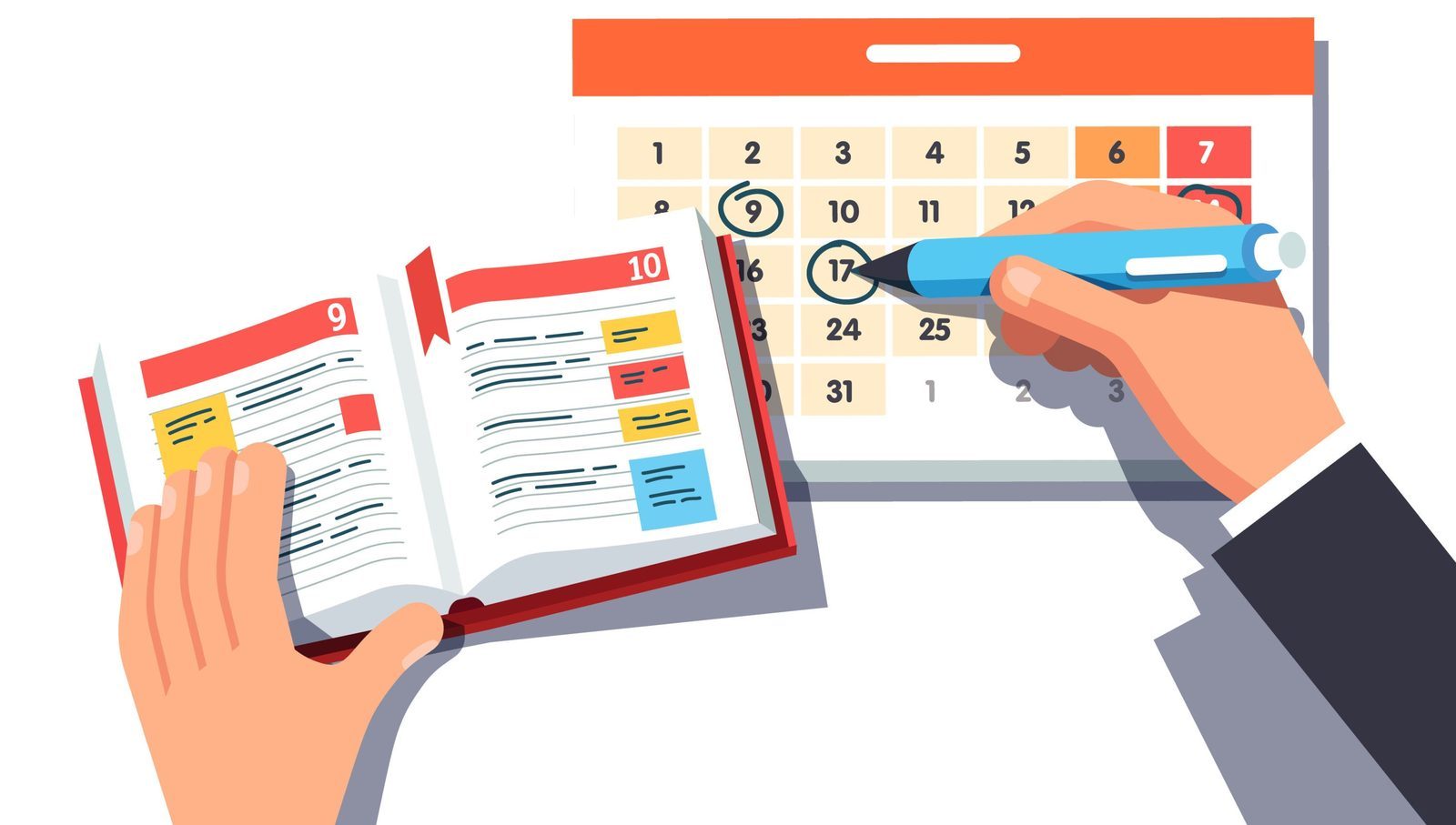
Even if you dodge the obvious airline fee traps, the timing of your trip can quietly wreck your budget. A low fare during a high-cost period is still an expensive trip.
From digging into data and tools like Going and other trackers, a few patterns show up again and again:
- Peak months: July and late December are consistently pricey worldwide.
- Cheaper months: January–February and September–October often have lower fares and fewer crowds.
- Goldilocks booking window: roughly 1–3 months before US domestic flights, 2–8 months for international, earlier for holidays and big events.
Here’s the twist: if you grab a “cheap” flight in a peak period, everything else—hotels, rental cars, tours, even restaurant prices—can be inflated. Your flight might be $80 cheaper, but your hotel is $400 more. That’s a classic cheap ticket total trip cost mistake.
What I ask myself before booking:
- Is this a cheap flight in an expensive season?
- Could I shift the trip by a week or two into a shoulder month?
- Can I move my departure or return by 1–2 days to dodge peak days?
Often, flying on a Tuesday, Wednesday, or Saturday and avoiding the exact holiday dates cuts the fare significantly—and sometimes the hotel prices too. It’s a simple way to avoid cheap airfare booking mistakes that blow up the rest of your budget.
5. Dynamic Pricing Games: When Your Own Searches Make Flights More Expensive
Here’s where it gets sneaky. Airlines and booking sites use dynamic pricing. Fares move constantly based on demand, competition, and sometimes your behavior.
Ever checked a route a few times, then watched the price jump? It’s not always your imagination. Repeated searches from the same browser, device, or account can signal high intent
, and some systems respond by nudging prices up.
To avoid paying more just because I’m indecisive, I keep it simple:
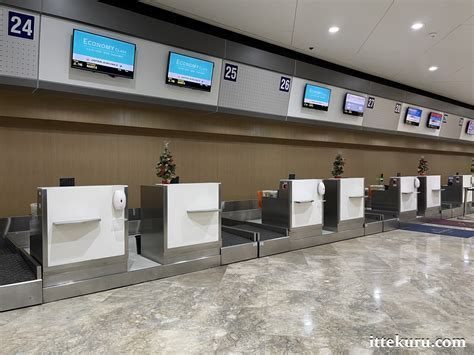
- Search in incognito/private mode or clear cookies regularly.
- Compare prices on a second device or browser if I see a sudden jump.
- Occasionally use a VPN to see if prices change by region (sometimes they do).
I also assume that last-minute deals are rare now. Most data shows prices tend to rise sharply in the last 2–3 weeks before departure, especially on popular routes. Waiting for a miracle deal often backfires and becomes another way cheap flights get more expensive.
Smarter move: monitor prices early, then book in that “Goldilocks” window when fares are usually more reasonable and availability is still good.
6. Flexibility vs. Risk: Change Fees, Cancellations, and the Cost of Being Stuck
One of the biggest hidden costs of cheap flights doesn’t show up on the booking page at all. It shows up when something goes wrong.
Budget airlines often have:
- Higher change fees or no changes allowed on the cheapest tickets
- Fewer daily flights on a route (so rebooking can mean a long delay)
- Less generous policies during disruptions
Legacy carriers aren’t perfect, but they usually offer more options if your plans shift or a flight is canceled. That flexibility has real value, especially when you look at the total cost of a budget airline vs full service airline after a disruption.
When I’m okay with a bare-bones ticket:
- Short trips where I’m confident about dates.
- Routes with lots of daily flights and multiple airlines.
- Trips where I can afford to lose the ticket if everything goes sideways.
When I pay more for flexibility:
- Long-haul or expensive trips.
- Travel involving tight connections, events, or cruises.
- Trips during winter or strike-prone seasons where disruptions are more likely.
That $40 you save on a rigid, no-change ticket can disappear instantly if you need to adjust your dates or miss a connection. I treat flexibility as a form of insurance, not a luxury.
7. How to Decide If a “Cheap” Flight Is Actually Worth It
When I’m staring at a tempting low fare, I run through a quick checklist. Use it as your own cost comparison tool.
1. Total cost, not ticket cost
- Add bags, seats, food, and airport transfers. Include both directions.
- Compare that total to a full-service airline on the same route and dates.
2. Season and timing
- Am I flying in a peak period where everything else will be expensive?
- Could I shift by a few days or weeks to a cheaper window?
3. Flexibility and risk
- What happens if I need to change or cancel?
- How many flights per day are there on this route, and with which airlines?
4. Comfort and sanity
- How long is the flight? Can I tolerate a cramped seat and no food?
- Is the savings worth the extra hassle of a faraway airport and longer transfers?
If the cheap flight still looks good after that, it’s probably a genuine deal, not a trap. If not, I’d rather pay a bit more upfront than bleed money and energy later. That’s the real cost breakdown of budget flights most people skip.
8. Final Thought: Don’t Chase Cheap, Chase Value
Airlines play a sophisticated game with dynamic pricing, add-on fees, and clever marketing. The only way to win is to stop chasing the lowest number on the screen and start chasing value.
That means:
- Comparing the total trip cost, not just the fare.
- Booking in smart windows instead of waiting for unicorn last-minute deals.
- Being flexible with dates and airports when you can.
- Paying for comfort and flexibility when it actually matters.
The next time you see a too-good-to-be-true fare, pause and ask: What will this really cost me—in money, time, and stress?
Once you start thinking in terms of value instead of just price, you’ll fall for fewer airline fee traps—and you’ll save more in the long run.