
I love a good deal. I also hate starting a trip already exhausted, stressed, and quietly annoyed at myself for “saving” money. If you’ve ever booked the rock-bottom fare and then spent the first 24 hours of your trip in a fog, you know exactly what that feels like.
We obsess over ticket price. We rarely talk about what that price quietly takes from you: sleep, time on the ground, energy, and sometimes even your health. This guide breaks down the hidden cost of cheap flights—bad times, long layovers, awkward airports—and how to tell when paying more is actually the smarter, cheaper move overall.
1. The Illusion of Savings: What That Cheap Fare Really Buys You
When I compare flights now, I don’t just ask, How much does this cost?
I ask, What does this cost me?
Most cheap fares are cheap for a reason:
- Awful departure or arrival times (red-eyes, 5 a.m. check-ins, midnight landings).
- Multiple layovers or long connections in forgettable airports.
- Routing through hubs that are notorious for delays and missed connections.
Nonstop flights often cost about 25% more than itineraries with layovers, according to comparisons like those in this breakdown. But that 25% premium often buys you:
- Fewer failure points: one takeoff, one landing, no mad dashes between gates.
- More control over your day: you arrive closer to when you actually want to be there.
- Lower risk of drama: fewer chances to miss connections or lose bags.
On the flip side, layover-heavy itineraries are cheaper because airlines are filling seats and routing you through their hubs. As airfare pricing explainers point out, it’s not really about distance; it’s about demand and airline strategy.
Key question to ask yourself: If this flight saves me $150 but costs me half a day of my trip and a full day of feeling human, is it actually cheaper?
2. Red-Eye Flights: Are You Trading Cash for Your First Vacation Day?
Red-eye flights are the classic hidden cost of cheap flights: they look like a bargain on the screen and feel expensive in real life.
On many routes—especially long U.S. ones like LAX–New York—red-eyes can be 25–35% cheaper, sometimes $150–$200 less than daytime flights, as noted in analyses like this one. That’s real savings.
But here’s what I’ve learned to factor into the true cost of bad flight times:
- Late-night transport costs: At 3–5 a.m., public transit is limited or closed. That “cheap” flight can quietly add a $40–$80 taxi or rideshare on each end.
- The zombie day: You land wrecked. You can’t check into your hotel yet. You wander, overspend on coffee and snacks, and you’re too tired to enjoy anything you prepaid.
- Lost experiences: That early tour, museum slot, or dinner reservation? Easy to skip when you’ve slept two hours upright in economy.
How I decide if a red-eye is worth it now:
- If I can actually sleep on planes (window seat, neck pillow, eye mask) and I’m not landing at a brutal hour, I’ll consider it.
- If the arrival is before hotel check-in, I plan a specific landing routine: shower (gym day-pass or day-use hotel), breakfast spot, and one low-effort activity.
- If the savings are less than what I’d pay for a nicer daytime flight plus a night in a budget hotel, I usually skip the red-eye.
Rule of thumb: If a red-eye destroys your first day, mentally add the cost of that lost day to the ticket price. The red eye flight cost vs savings trade-off often stops looking like a deal.

3. Nonstop vs Layovers: Time, Health, and the Hidden Stress Tax
Nonstop flights sound like the obvious winner in any cheap flight vs convenient flight comparison: fewer moving parts, less stress. But ultra-long-haul flights (17–20 hours) are their own kind of punishment.
On routes like New York–Singapore and future London–Sydney, travelers and experts point out a few things:
- Nonstop pros: Less risk of missed connections, no airport sprints, and when you land, you’re done. Great if your time is tight or you hate logistics.
- Nonstop cons: Sitting in a tube for 17–20 hours is physically and mentally rough. Low humidity, limited movement, and cabin pressure increase risks of clots and illness, especially if you already have health issues.
Health experts quoted in pieces like this AFAR article suggest that for some people, two shorter flights with a layover may actually be safer than one ultra-long segment.
Layovers, though, come with their own hidden cost of cheap flights:
- More chances for delays to cascade and ruin your schedule.
- More mental load: new gate, new boarding, sometimes new security checks.
- More opportunities for bags to go missing in the shuffle.
How I choose now:
- If the nonstop is under ~10–11 hours and the price difference is reasonable, I usually pay for it.
- If the nonstop is 15+ hours, I seriously consider a well-timed layover to move, shower, and reset—especially if I’m crossing many time zones.
- If I have any health concerns (clotting risk, circulation issues), I lean toward breaking the journey up.
Ask yourself: Am I saving money, or just outsourcing my stress to Future Me in some random airport?
4. The Layover Trap: When “One Stop” Becomes a Time Sink
Not all layovers are created equal. Some are brilliant. Some are pure purgatory.
Cheap itineraries often hide their pain in the layover details. This is where the cost of long airport layovers really shows up:
- Too short: 45–60 minutes to change planes in a huge or delay-prone hub. You spend the whole first flight anxious.
- Too long: 5–7 hours in an airport that has nothing but plastic chairs and a single sad café.
- Bad timing: Overnight layovers where you’re not quite there long enough to justify a hotel, but too long to stay sane in the terminal.
Those in-between layovers are the worst: too long to ignore, too short to enjoy. The result is a cheap airfare total trip cost that feels expensive in energy and patience.
What I look for now:
- Minimum connection time + buffer: I check the airport’s minimum connection time and add at least 30–60 minutes, more if I need to clear immigration or re-check bags.
- Airport quality: I Google the airport: lounges, food, showers, nap pods, transit into the city. A 4-hour layover in Singapore or Istanbul is very different from 4 hours in a small regional hub.
- Time of day: A 6-hour layover from 10 a.m.–4 p.m. is manageable. 11 p.m.–5 a.m. is brutal unless I have a lounge or hotel.
Red flag: If the layover is the only reason the ticket is cheap, and it’s either very tight or very long in a weak airport, I treat that as a hidden surcharge on my sanity.

5. Turning Layovers into Mini-Trips (Without Getting Burned)
Here’s the twist: sometimes the cheapest flights with long layovers are actually a win—if you treat the layover as part of the trip, not dead time.
Guides like this one from Going argue that long layovers (9+ hours) can be intentional stopovers. I’ve done this a few times, and when it’s planned well, it feels like getting a bonus city for free.
When a long layover is worth it:
- You have 6–24 hours in a city with fast transit from airport to center (think Hong Kong, Istanbul, London, Tokyo).
- You’re breaking up a very long haul, which helps with jet lag and fatigue.
- The layover city is somewhere you actually want to sample—food, a walk, a quick museum, a viewpoint.
Some airlines even encourage this with free or cheap stopover programs or hotel nights (STPC—Stopover Paid by Carrier). Examples mentioned in various guides include Turkish Airlines, Royal Jordanian, and China Southern, plus airports that offer free transit tours like Singapore Changi and Seoul Incheon.
How I turn a layover into an asset:
- Choose a layover of at least 6–8 hours if I plan to leave the airport.
- Check visa rules and transit tour options before booking.
- Pre-plan one simple mini-itinerary: one neighborhood, one meal, one sight, then back.
- Book directly with the airline, especially if I’m playing with long connections, to avoid third-party change/cancellation headaches.
Used well, a long layover can pay you back
in experiences and reduced jet lag. Used badly, it’s just a long, tired wait in a food court.

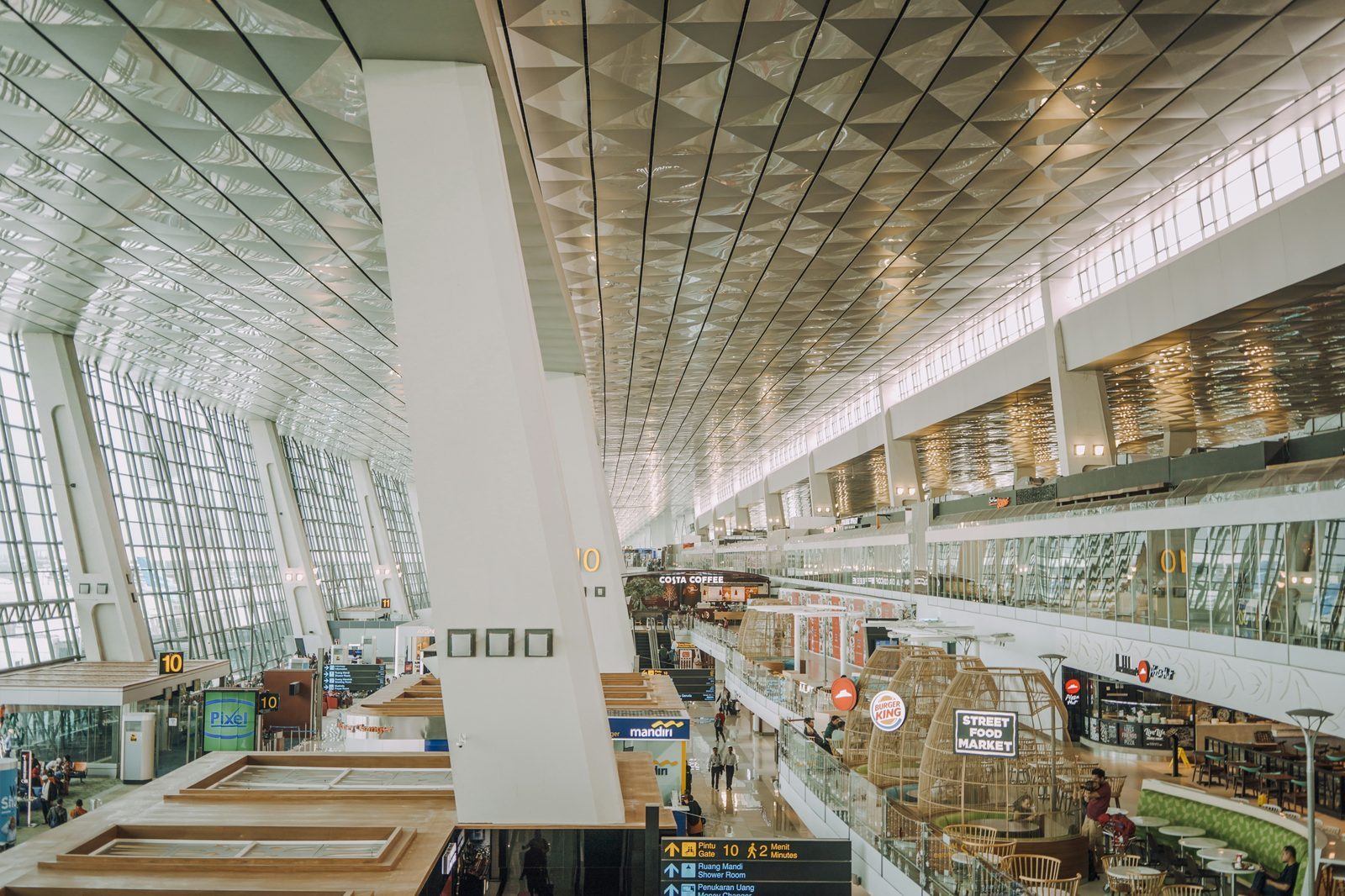
6. Airport Choice: The Hidden Variable That Changes Everything
We obsess over airlines and flight numbers, but the airport itself can make or break the value of a cheap ticket. This is one of the big secondary airport hidden costs people forget to factor in.
Here’s what I pay attention to now:
- Delay reputation: Some hubs are notorious for weather or congestion delays. A tight connection there is a gamble.
- Layout and size: A 50-minute connection in a compact airport might be fine. In a sprawling hub with multiple terminals and security re-checks, it’s a sprint.
- Amenities: Lounges, showers, decent food, quiet areas, nap pods, and fast Wi‑Fi can turn a 4-hour layover from torture into a reset.
- City access: Airports with fast trains (like Hong Kong’s Airport Express or KLIA Ekspres in Kuala Lumpur) make short city breaks realistic.
Articles like this layover lowdown show how travelers use hubs like Abu Dhabi or Hawaii to break up long trips and adjust to time zones gradually. That’s not just comfort; it’s strategy.
My personal rule: I’d rather connect through a great airport with a slightly longer layover than a chaotic one with a tight connection. The cheap ticket that routes me through the worst possible hub is rarely worth it.
7. When Paying More Is Actually Cheaper
This is where it all comes together. Instead of just comparing ticket prices, I now mentally add a few “invisible” line items to evaluate the real value of a flight.
- Sleep cost: Will this schedule wreck my sleep for a night or two?
- Time cost: How many usable hours of my trip do I lose to exhaustion, awkward arrival times, or zombie wandering?
- Stress cost: Tight connections, risky hubs, and multiple layovers all add mental load.
- Cash add-ons: Late-night taxis, airport food, lounge passes, day-use hotels, extra snacks because I’m tired and cranky.
Then I compare two or three realistic options to avoid common flight booking mistakes to avoid:
- Cheapest, worst-timed option: How much will I spend fixing the problems it creates (taxis, extra coffee, lost activities)?
- Mid-range, better-timed option: Slightly more expensive, but with decent times and layovers.
- Best, most convenient option: Nonstop or ideal schedule—what’s the real premium over option 2?
Often, the “middle” option is the sweet spot: not the absolute cheapest, not the most luxurious, but the one that protects my time and energy without blowing the budget. That’s where the travel time vs ticket price trade off usually lands in your favor.
Questions I ask before I click “buy” now:
- If this flight were free, would I still want to take it?
- What will Future Me think about this itinerary at 3 a.m. in that airport?
- Am I saving money, or just shifting the cost into stress, sleep, and lost experiences?
Once you start doing a simple layover time value calculation and pricing in your time, energy, and sanity, a lot of “cheap” flights stop looking like deals. And that’s the point: the best value trip isn’t the one with the lowest fare—it’s the one where you arrive ready to enjoy the place you paid to visit.