I love a good deal. I track fares, stack points, and brag when I shave $200 off a long-haul flight. But over the last few years, something’s started to bother me: the trips that look cheapest are often the ones that end up costing the most once you factor in stress, risk, and all the little extras.
If you’ve ever booked a rock-bottom ticket and then paid for bags, got stuck in a middle seat, or ended up stranded during a delay, you already know the feeling. Budget travel isn’t the problem. The trap is in how cheap
flights, hotels, and tour packages are priced – and what they quietly leave out.
Let’s walk through where the hidden cost of cheap trips usually shows up – and how to save money without gambling your whole vacation.
1. The Flight Price Trap: When “Cheapest” Isn’t Actually Cheapest
Most of us start the same way: sort flights by price, click the lowest number, and feel smug about it. Why pay more for the same plane, right?
Here’s the catch: that lowest fare is often a basic economy or ultra-low-cost ticket designed to look cheap, then charge you for everything else. According to basic economy comparisons, the average round-trip savings versus main cabin is usually just $49–$80. Not nothing. But look at what you give up:
- No advance seat selection (hello, middle seat in the last row).
- Little or no ability to change or cancel your ticket.
- On some airlines, no overhead carry-on – just a small personal item.
- Sometimes no miles or elite credit, which hurts if you fly often.
Now layer in the low-cost carriers. As Travel + Leisure’s breakdown shows, airlines like Spirit and Frontier often charge so many add-on fees that their cheap
fare can end up more expensive than a legacy airline once you add a carry-on, a seat, and basic flexibility. That’s one of the big cheap flights hidden risks people don’t see until it’s too late.
So when is the cheapest fare actually a bad deal?
- When you’re likely to change dates (work, kids, health, anything).
- When you care about sitting together as a couple or family.
- When you’re connecting to another flight or cruise and can’t afford to miss it.
In those cases, I treat the headline price as a decoy. I compare the total cost of a basic economy or low-cost ticket (with bags and seats) against a main cabin fare on a full-service airline. More often than you’d think, the expensive
ticket is actually the safer, cheaper choice once you look at the whole trip.
Takeaway: Don’t chase the lowest number on the screen. Chase the lowest real cost for the flexibility and comfort you actually need.
2. Basic Economy vs. Main Cabin: The $50 Decision That Can Cost You Hundreds
There’s a quiet shift happening in airfare. On many U.S. airlines, main cabin tickets now allow free changes (you still pay any fare difference, but not a change fee). Basic economy usually doesn’t.
That changes the game. Instead of obsessing over when
to book, I focus on what
I book. As one analysis on booking strategy points out, if you buy a flexible main cabin fare and prices drop later, you can often rebook and get the difference as a travel credit. You’ve basically set a price ceiling for your trip.
Compare that to basic economy:
- You save maybe $50–$80.
- If your plans change, you often have to buy a whole new ticket.
- If you misjudge your bag size, gate fees can wipe out your savings in seconds.
Now imagine you’re traveling for a wedding, a tournament, or a once-a-year family reunion. The trip has to happen. In that scenario, I’d rather pay a bit more upfront for a main cabin ticket I can move around than gamble on a basic economy fare that turns into a sunk cost the moment life happens.
There’s also the mental side. When I book a flexible fare, I stop doom-scrolling flight prices. I know I can adjust if needed. That breathing room is worth something too.
Takeaway: If your trip is important or your schedule is fragile, treat basic economy like a non-refundable lottery ticket
. Sometimes it pays off. Often it doesn’t.
3. Budget Airlines and Separate Tickets: The Hidden Risk You’re Actually Insuring Against
Here’s a classic budget move: you find a cheap low-cost flight into a hub, then a separate ticket on another airline to your final destination. On paper, you save $150. In reality, you’ve just taken on a risk that no airline is responsible for but you.
Why this is dangerous:
- If your first flight is delayed, the second airline doesn’t care. You’re a no-show.
- You may have to clear immigration, collect bags, re-check, and go through security again.
- Any misstep – long lines, a missed shuttle, a small delay – can snowball into a missed connection.
As Nomadic Matt points out, this is especially risky with ultra-low-cost carriers that already have thinner schedules and weaker customer service. If something goes wrong, they may not have another flight until the next day – or longer.

This is where travel insurance dependence sneaks in. A lot of travelers buy insurance or rely on credit card coverage to protect these DIY itineraries. But policies often have strict rules:
- They may not cover missed connections on separate tickets.
- They may only reimburse documented, covered reasons (not just
the line was long
). - They may cap payouts well below the cost of last-minute rebooking.
So you’ve saved $150 on flights, then spent $40–$80 on insurance that might not even cover the scenario you created. That’s not smart risk; that’s wishful thinking – and a good example of the cost of cutting corners on travel.
Takeaway: If you’re going to build your own connections, treat them like a high-risk investment. Long layovers, same airline or alliance, and clear insurance coverage are non-negotiable. Otherwise, pay more for a single protected ticket and sleep better.
4. Long-Haul on the Cheap: When Comfort Becomes a Hidden Cost
On a two-hour hop, I’ll tolerate almost anything. On a 12-hour overnight flight? Different story.
A comparison of AirAsiaX (low-cost) and Malaysia Airlines (full-service) on the Kuala Lumpur–Auckland route found a price gap of about 1320 MYR (~$448 AUD). That’s real money. But look at what the full-service fare included:
- Meals, snacks, and unlimited drinks.
- In-flight entertainment and power outlets.
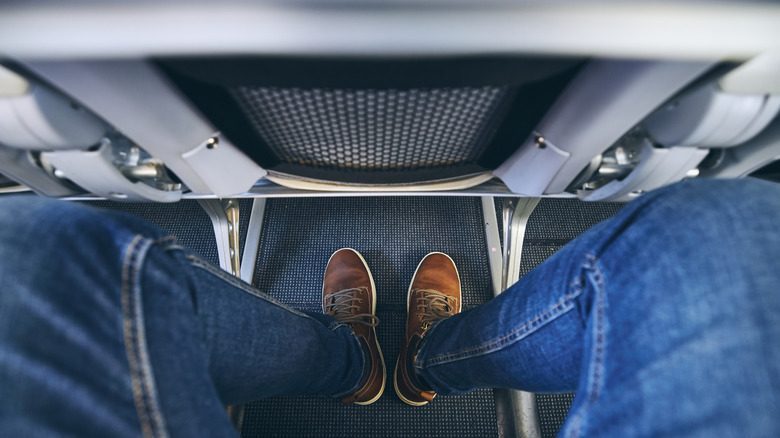
- More seat width and recline.
- Better amenities and a more direct routing.
On the low-cost option, you got a cheaper ticket but:
- No built-in entertainment or power.
- Limited food and drinks.
- Less comfort for a very long time.
Here’s where the hidden cost shows up:
- You arrive exhausted and lose a day or two of productivity or vacation.
- You’re more likely to get sick, dehydrated, or stressed – which can trigger medical issues.
- You may end up spending on airport lounges, extra snacks, or upgrades just to cope.
For a backpacker with time and a strong back, the savings might be worth it. For a parent traveling with kids, someone with back problems, or anyone flying for work, that cheap
ticket can quietly become the most expensive choice in terms of energy, health, and lost time.
Takeaway: On long-haul flights, ask yourself: What is my comfort and health worth over 12–15 hours?
Sometimes the answer is: more than the fare difference.
5. Hotels and “Resort Fees”: Why the Cheapest Nightly Rate Isn’t the Real Price
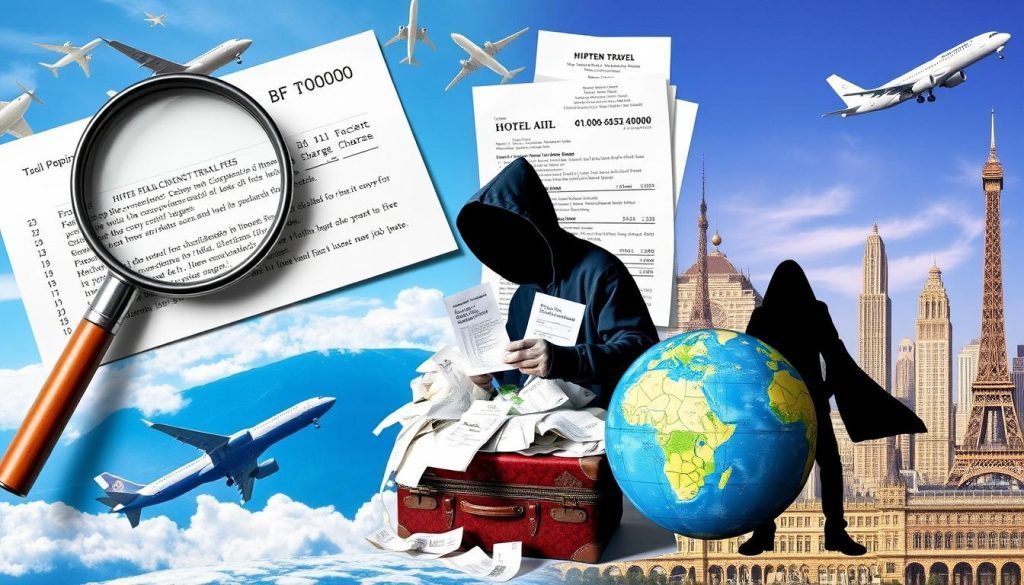
Flights get most of the attention, but hotels play the same game. You see a nightly rate that looks great. You book. Then at checkout – or worse, at the front desk – you discover:
- Resort fees of $5–$50+ per night.
- Mandatory
facility
ordestination
fees. - Parking charges, especially in cities and resorts.
As one breakdown on hidden travel fees notes, these charges often cover things you may not even use: Wi‑Fi, pool access, gym access, complimentary
bottled water. Regulators are pushing for more transparency, but in practice these fees are still easy to miss if you’re in a hurry.
Here’s how I avoid getting burned by the true cost of budget travel deals on hotels:
- I always click through to the final booking page to see the total with taxes and fees before I commit.
- I compare a
cheap
hotel with high resort fees against a slightly pricier one with no fees – the second often wins. - I check whether loyalty status or booking direct waives certain fees or includes perks like breakfast or parking.
There’s also a timing game. As hotel pricing guides explain, booking 2–3 months ahead for domestic stays and 4–6 months for international can unlock better rates without resorting to sketchy properties. Sundays and Mondays can be cheaper in leisure destinations; midweek can be cheaper in business cities.
Takeaway: Don’t compare hotels by nightly rate alone. Compare the total cost per stay and what you actually get for that money.
6. Hidden Fees Everywhere: Bags, Seats, and the Illusion of a Bargain
Airlines have turned fees into an art form. The base fare is just the opening bid. Everything else – bags, seats, snacks, even talking to an agent – can cost extra, especially on low-cost carriers.
Some examples pulled from recent analyses:
- Checked bag fees around $30–$35 for the first bag, more for additional or overweight bags.
- Carry-on fees on budget airlines that can be higher than the ticket itself if paid at the gate.
- Seat selection fees that quietly add $10–$40 per segment, per person.
- Obscure charges like
Electronic Commerce
orCarrier Interface
fees on some ultra-low-cost carriers.
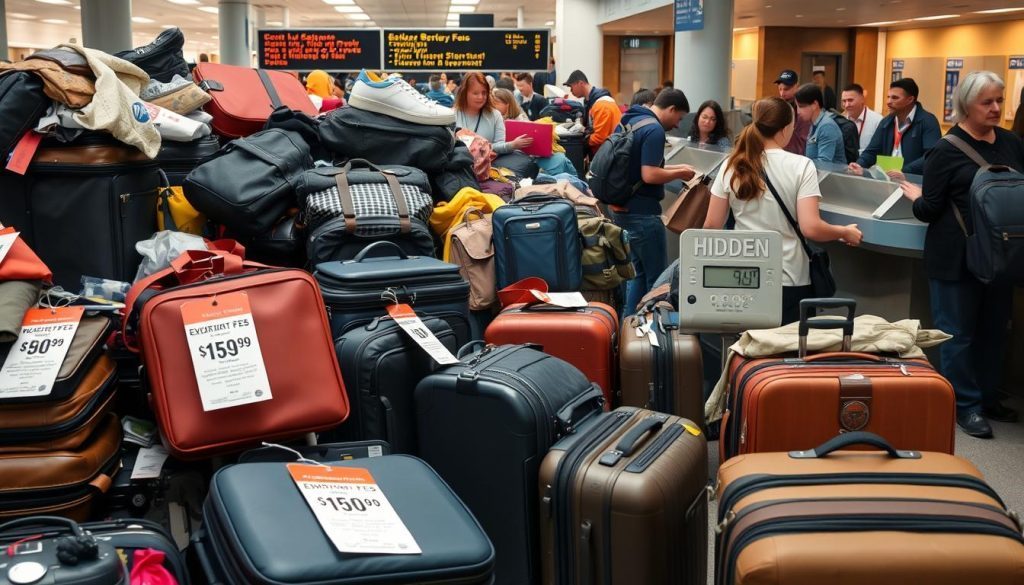
According to one report, Spirit’s average fare revenue is about $45 per ticket, while non-ticket revenue (fees) is over $63. In other words, the airline makes more from your add-ons than from your seat. That’s the travel cost breakdown for budget trips most people never see.
So what does this mean for you?
- If you travel with only a small personal item, budget airlines can still be a steal.
- If you need a carry-on, checked bag, and seat selection, the
cheap
ticket can easily double in price. - If you misjudge the rules, last-minute fees can blow up your budget.
Personally, I treat baggage and seat fees as part of the fare. I add them in before I compare airlines. If a legacy carrier includes a carry-on and better rebooking options for just a bit more, I often choose them. I’m not paying for luxury
; I’m paying to reduce the odds of a trip-ruining surprise.
Takeaway: Before you book, write down what you actually need (bags, seats, flexibility). Then price those needs across airlines. The cheapest base fare rarely wins that comparison.
7. Insurance and Loyalty: Are You Saving Money or Just Shifting Risk?
Here’s the uncomfortable truth: when we buy the cheapest possible flights, hotels, and tours, we’re not eliminating cost. We’re often just shifting it into risk – and then trying to patch that risk with insurance and loyalty programs.
On the loyalty side, paying a bit more to stick with one airline alliance can actually be a smart long-term play. As frequent flyer guides explain, consolidating your miles and earning elite status can unlock:
- Priority check-in and security.
- Lounge access with food, Wi‑Fi, and showers.
- Better rebooking options during disruptions.
- Occasional upgrades that turn a long flight into something you can actually sleep on.
That’s not just comfort. It’s resilience. When a storm hits or a system melts down, elites and loyal customers often get rebooked first. That can be the difference between a 3-hour delay and a 24-hour nightmare.
On the insurance side, I see a lot of travelers using policies as a band-aid for risky choices: tight self-made connections, non-refundable everything, no flexibility. Insurance has its place – especially for expensive, once-in-a-lifetime trips – but it’s not a magic undo button.
My rule of thumb:
- Reduce risk first (flexible fares, reasonable layovers, reputable hotels).
- Then use insurance to cover what you can’t control (serious illness, major disruptions, big prepaid costs).
Otherwise, you end up in a loop where cheap travel and trip cancellation risk go up, and you keep buying more insurance to feel better about it. That’s not the goal.
Takeaway: Don’t use insurance to justify risky, ultra-cheap bookings. Use smarter bookings to reduce how much insurance you actually need.
8. How to Be a Smart Cheapskate: A Practical Checklist
If you’ve read this far, you probably still want to save money – you just don’t want to get burned. Same here. I’m not anti-budget; I’m anti-regret.
Here’s the checklist I use before I hit book
. Think of it as a quick guardrail against the most common budget travel mistakes to avoid:
- Is this fare flexible? If not, am I truly okay losing it if plans change?
- What’s the total cost with bags, seats, and fees? Not just the base fare.
- Am I booking separate tickets? If yes, do I have long layovers and clear insurance coverage?
- How important is this trip? For must-do trips, I pay for flexibility and reliability.
- What’s my comfort threshold? On long-haul, I budget for sanity, not just savings.
- What’s the hotel’s real nightly cost? Including resort fees, parking, and taxes.
- Am I building toward any loyalty benefits? Or am I scattering my miles into tiny, unusable balances?
Budget travel isn’t about spending the least money possible. It’s about spending the least money necessary to get the trip you actually want – without gambling your time, health, or sanity.
The next time you see a jaw-dropping fare or a suspiciously cheap hotel, pause for a second. Ask yourself: What’s the hidden cost here?
If you can’t find one, book it. If you can, decide whether that risk is worth the savings. That’s how you turn cheap
trips into smart ones – and avoid learning the hard way just how pricey the hidden cost of cheap trips can be.