
I used to feel oddly proud ticking that little box that said Flexible
or No change fees
. It felt like I was beating the airlines at their own game. Then I started tracking what I actually spent on flights over a year.
The pattern wasn’t dramatic. It was worse. Every flexible
choice – rebooking, chasing better times, accepting travel credits – quietly drained my budget. Not with one big charge, but with a slow drip of small, forgettable costs.
If you’ve ever thought, I paid for the flexible option, so why is this still so expensive?
you’re not imagining it. You’re just seeing the hidden cost of flexible travel up close.
1. The First Trap: Confusing Flexible
With Cheap to Change
Most of us picture ticket types as a simple ladder: Basic < Standard < Flexible < Fully refundable. Pay more, get more freedom. Easy, right?
That’s not how airlines see it.
Behind the scenes, your ticket is a risk bet. You’re betting your plans won’t change. The airline is betting they might. The price gap between a nonrefundable ticket and a flexible fare is basically the cost of shifting that risk from you to them.
Here’s the catch: even many flexible
or no change fee
fares still leave you exposed to fare differences. You can move the date, sure. But if the new flight is more expensive, you pay the difference – and that can easily be more than the original ticket.
So flexibility often removes the penalty, not the price spike. That’s a big difference when you’re trying to control your travel budget.
When does paying more upfront for a flexible flight ticket actually make sense? Looking at how flexible vs nonrefundable tickets play out in real life, a rough rule of thumb emerges:
- If there’s a 30–40% or higher chance you’ll change dates, the expected cost of a cheap, nonrefundable ticket (change fees + fare differences + risk of losing the fare) can approach or even exceed the flexible fare premium.
- If losing the fare would seriously damage your budget, paying 15–50% more for flexibility is often rational – it’s basically travel insurance built into the ticket.
The real problem is when we buy flexibility casually, without doing that quick mental math. We just think, It’s only $80 more and I like options.
That’s how the flexible flight ticket cost quietly snowballs.
2. Dynamic Pricing: Why Rebooking Rarely Feels Like a Win
Airlines are very good at one thing: squeezing the maximum revenue out of each seat. They do it with dynamic pricing – constantly adjusting fares based on demand, timing, and how many seats are left.
That’s why the same route can be $220 on Monday and $480 on Thursday. You’re not imagining it; you’re just watching the algorithm work.
Here’s how this usually plays out when you rebook:
- You buy a nonrefundable ticket for $300.
- Your plans change. The new date now costs $450.
- The airline proudly waives the change fee (or charges a small one)… but you still owe $150 in fare difference.
On paper, you saved
the change fee. In reality, dynamic pricing airline tickets just charged you a premium for moving into a more expensive fare bucket.
Even with flexible fares, this doesn’t really change. The flexibility protects you from penalties, not from the market price of the new flight. If you tend to rebook closer to departure – when prices are usually higher – your habit of constant rebooking is probably costing you more than you think.
My rule now: I only pay extra for flexibility when I can clearly describe the specific risk I’m insuring against – not just because I like the idea of keeping my options open
. That one shift alone cut a lot of my hidden cost of flexible travel.
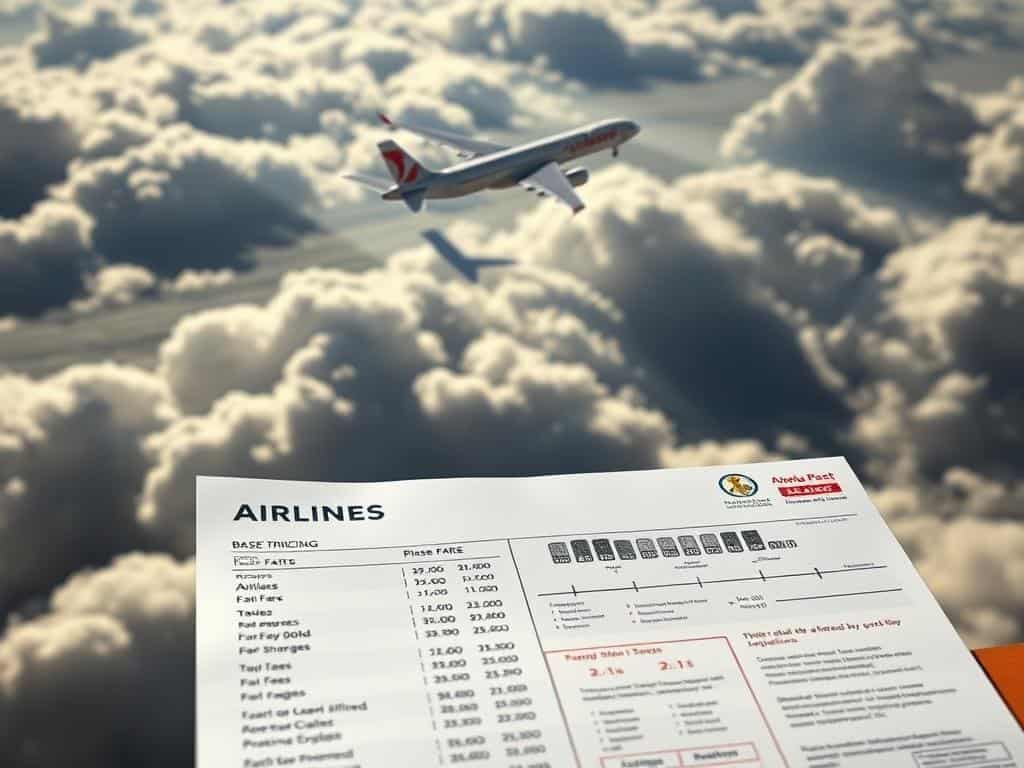
3. Credits, Vouchers, and the Silent Loss of Unused Value
Airline credits feel comforting. You cancel, you don’t get cash back, but you get a voucher. You tell yourself, It’s fine, I’ll use it later.
But credits are not neutral. They’re a trap in three different ways:
- Breakage: you never use them.
Life moves on. You forget. The credit expires. Or the routing never quite fits your plans. That’s a 100% loss, hidden under the label of atravel credit
. - Lock-in: you’re stuck with that airline.
Maybe another airline is cheaper or has better times. Too bad. Your money is trapped in Airline X’s system, so you bend your plans around their schedule instead of choosing the best option. - Top-ups: you keep adding cash.
Your $200 credit doesn’t quite cover the $260 new ticket. You add $60. Next time, same story. You’re alwaysjust topping up
instead of comparing fresh prices across airlines.
For frequent travelers, especially for work, this gets messy fast: multiple credits, different expiry dates, different names. A meaningful chunk of those credits never gets used. That’s pure profit for the airline – and pure loss for you.
How I handle credits now:
- I treat credits as already-spent money that I’m trying to recover, not as a shiny discount.
- I keep a simple note with airline, amount, and expiry. If I can’t realistically use it, I factor that into my decision before I cancel.
- If a flexible fare only offers credits (no cash refunds), I ask:
Would I still choose this airline next time if I had no credit?
If the answer is no, I’m not buying flexibility – I’m buying a future headache.
This is where a lot of people get caught in travel credits and refund traps without realizing it.
4. Cheapest
Fares vs Total Trip Cost: The Add-On Minefield
Dynamic pricing is only half the story. The other half is unbundling – the slow removal of everything that used to be included in the ticket price: bags, seats, food, even printing a boarding pass.
Ultra-low-cost and basic economy fares are designed to look irresistible at first glance. But the real price only appears after you’ve clicked through several screens of extras
.
Common budget-busters:
- Baggage fees – including carry-ons on some airlines. For families, this can easily exceed the base fare.
- Seat selection – especially if you want to sit together or avoid the middle seat.
- Change/cancellation fees – still painful on many basic fares, even when flexible options look cheap at first.
- Payment/booking surcharges – added at the final step, sometimes tied to specific cards or payment methods.
- In-flight food, drinks, Wi‑Fi – small individually, big in total on longer trips.
Regulators in the US, EU, and Canada require airlines to show mandatory taxes and unavoidable fees in the advertised price. But optional extras can still be layered in later. That’s where your budget gets ambushed by dynamic pricing hidden travel charges and add-ons.
The key shift is this: the cheapest ticket is not always the cheapest trip.
When I compare flights now, I ask myself:
- How many bags will I realistically bring?
- Do I care where I sit? Do I need to sit with someone?
- How likely am I to change dates or times?
Then I price those things in before I decide which airline is actually cheaper. That’s the only honest way to do a flexible travel options cost comparison.
5. When Paying More for Flexibility Actually Saves You Money
This might all sound like I’m anti-flexible fares. I’m not. I’m anti-blind flexible fares.
There are plenty of situations where paying more upfront is not just reasonable – it’s smart. The trick is knowing when a flexible fare is real protection and when it’s just an expensive label.
From both research and real-world trips, flexible or refundable tickets tend to be worth it when:
- Your plans depend on uncertain approvals – visas, work permits, conference confirmations, medical clearances.
- You have complex schedules – business trips with moving meetings, multi-city itineraries, or family logistics that often shift.
- The ticket cost is a big chunk of your budget – losing it would really hurt, not just annoy you.
- You’re booking very far in advance and your life is in a volatile phase (new job, health issues, family obligations).
In those cases, the extra 15–50% for flexibility is basically an insurance premium. You’re paying to avoid a scenario where you lose 100% of the fare or pay huge change fees on top of higher last-minute prices.
But even then, I don’t trust marketing labels like Flex
, Saver
, or Value
. I go straight to the fare rules on the airline’s site and look for a clear airline change fees breakdown and refund rules:
- Refund type: Do I get cash back to my card, a credit, or only changes allowed?
- Penalties: Is there still a change fee? How much, and does it vary by route?
- Fare differences: Do I still pay the difference if the new flight is more expensive? (Almost always yes.)
- Extras included: Bags, seat selection, priority rebooking. If I’d pay for those anyway, the real premium for flexibility is lower than it looks.
Once I see the rules, I ask one simple question: If my plans change in the most annoying way I can imagine, how much will this actually cost me?
That answer decides whether the flexible vs nonrefundable ticket is worth it.

6. Same-Day Changes, Standby, and Other Underused Safety Valves
Not all flexibility has to be baked into the ticket price. Some of the best options are buried in the fine print of airline policies – and they can save you from overpaying for a flexible fare.
Two options that are often underrated:
Same-day changes
Many airlines let you move to an earlier or later flight on the same day for a reduced fee, or even free, if:
- It’s the same route and airports.
- There’s space in the same fare class.
- You make the change within a specific time window.
If your uncertainty is about time more than date, this can be a much cheaper way to get flexibility. But you need to know the rules before you book, not when you’re already at the airport.
Standby and schedule changes
Sometimes, if the airline changes your schedule significantly, you gain extra rights: free rebooking, refunds, or rerouting. Flexible tickets can make this smoother, but even nonrefundable fares often get more generous treatment when the airline is the one changing things.
So before you pay a big premium for a flexible fare, it’s worth asking:
- Does this airline already offer same-day changes that cover my main risk?
- How often do I really need to move flights by days, not just a few hours?
Sometimes, a standard fare plus smart use of airline policies beats an expensive flexible ticket – and keeps your travel budget intact.

7. A Simple Framework to Stop Your Flexibility
From Bleeding Cash
If you’ve read this far, you probably suspect you’ve been overpaying for flexibility – or underestimating the cost of not having it. Let’s turn that into a simple, repeatable process.
Before you book your next flight, walk through this quick checklist. It’s a practical cost guide to flexible airfare and a way to avoid constant rebooking mistakes:
- Define your real risk.
Ask yourself:What exactly might change – dates, times, destination, or nothing?
If you can’t name a concrete risk, you probably don’t need a flexible fare. - Estimate the odds.
Is there a 10% chance you’ll change? 30%? 60%? If it’s in the 30–40%+ range, flexible or semi-flexible fares start to make financial sense. - Check the rules, not the label.
Go to the airline’s site and read the fare conditions. Look for: refund type, change fees, fare differences, and what happens if you cancel. This is where the real travel refund rules and costs live. - Price the full trip, not just the ticket.
Add in bags, seats, likely changes, and any credits you might get stuck with. Compare that total across airlines and fare types. The cheapest-looking fare is often not the cheapest once you add everything up. - Decide how much regret you can tolerate.
If losing the fare would really hurt, pay for flexibility. If it would sting but not break you, a cheaper nonrefundable ticket plus a clear backup plan might be enough.
Flexible travel isn’t the enemy. The enemy is unexamined flexibility – the kind we buy because it feels safe, without noticing how rebooking, dynamic pricing, and credits quietly drain our budget.
The next time you hover over that Flexible
option, pause and ask: What risk am I actually buying protection from – and is it worth this price?
Answer that honestly, and you’ll stop paying for flexibility you don’t really need – and start using it where it actually pays off.