
I love a good travel bargain. But over the years, I’ve noticed something uncomfortable: the trips I booked because everyone says it’s so cheap
often ended up costing almost as much as the supposedly expensive places I skipped.
If you’ve ever come home from a budget
destination wondering where your money went, this guide is for you. Let’s walk through the main traps that quietly wreck travel budgets in cheap countries – and how to spot them before you book.
1. The Daily Budget Myth: Why “$30 a Day” Is Almost Never the Full Story
Whenever you see headlines like Travel Thailand for $25 a day
or India on $20 a day
, ask a blunt question: what’s not included?
Those ultra-low daily budgets usually ignore the things that actually make or break the true cost of budget travel:
- Flights (especially long-haul or multi-leg routes)
- Visas and entry fees
- Airport transfers and long-distance buses/trains
- Travel insurance and health-related costs
- ATM and currency exchange fees
In other words, the cheap part is often just food + a bed. Everything else sits outside that magical number and becomes a cluster of hidden costs in cheap destinations.
Here’s how I sanity-check a cheap
destination before I get excited:
- Calculate total trip cost, not daily cost. Add flights, visas, insurance, and a realistic transport budget before you even look at daily spend. That’s your real baseline.
- Compare like-for-like. A $1,000 flight + $30/day in Asia can beat a $200 flight + $90/day in Europe – but not always. Run the numbers for your actual dates instead of trusting generic advice.
- Check how old the advice is. A blog from 2017 saying
Lisbon is so cheap
is basically a historical document now. Prices, tourist taxes and local surcharges change fast.
The mindset shift is simple: stop chasing the lowest daily number and start asking, What will this whole trip really cost me, door to door?
That’s how you avoid classic budget travel mistakes.
2. Tourist Pricing, Dual Rates and the “Cheap Country, Expensive City” Trap
Many countries are genuinely affordable – for locals. What you pay as a visitor in the main tourist zones can be a completely different story.
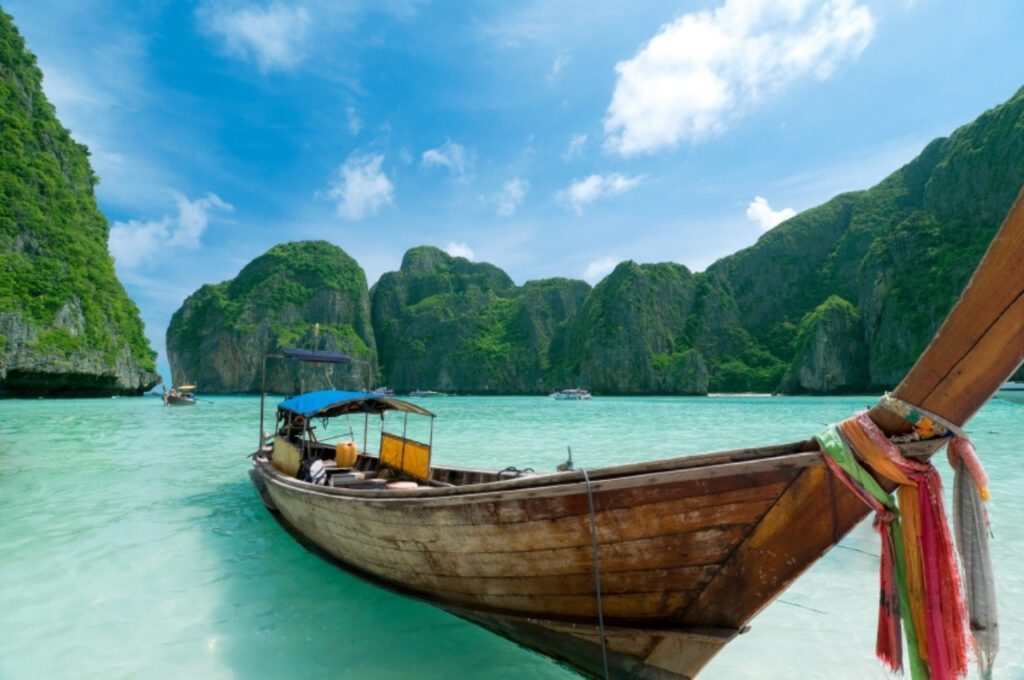
Think Thailand, Mexico, Bali, Morocco, Vietnam, Portugal, Turkey. On paper they look cheap. But in hotspots like Phuket, Cancun, Canggu, Marrakech medina, Hoi An old town or central Lisbon, prices can quietly creep up to Western levels. This is where cheap countries that are actually expensive start to show their real face.
Here’s what to watch for:
- Dual pricing at attractions. One price for locals, a much higher one for foreigners. It’s common, and it adds up fast if you’re visiting lots of temples, ruins or museums.
- Tourist menus and
special
prices. Restaurants in old towns and beach strips often have inflated menus in English. Walk a few streets back and you’ll see the real prices locals pay. - Gentrified neighborhoods. Once a place becomes Instagram-famous, cheap guesthouses and local eateries get replaced by boutique hotels and trendy brunch spots. Think Bali’s Canggu or Lisbon’s central districts.
How I handle this in practice:
- Research specific cities, not just countries.
India is cheap
doesn’t mean much. Jaipur vs Mumbai vs Rishikesh are different universes in terms of local prices and travel budget cost traps. - Stay one or two neighborhoods out. In Dubrovnik, for example, staying outside the old town walls can slash your accommodation cost while keeping you close enough to walk in.
- Eat where the menus aren’t in five languages. If you don’t see locals eating there, assume you’re paying a tourist premium.
I always ask: Is this country cheap, or is this part of the country cheap?
The answer is rarely the same, and it’s a big part of the cheap vs expensive destination cost comparison.
3. Transport Traps: When Getting Around Costs More Than Being There
Transport is one of the biggest budget killers in so-called cheap destinations. The daily cost of food and accommodation might be low, but moving between places can be surprisingly expensive – or just inefficient enough that you pay extra for convenience.
Common hidden transportation costs when traveling:
- Long-haul and multi-leg flights. That $600–$1,200 flight to reach a
budget
region can wipe out the savings of a low daily spend, especially on short trips. - Unreliable or slow public transport. In some countries, buses and trains are cheap but late, crowded, or confusing. Many travelers end up paying for private drivers, tourist shuttles, or internal flights.
- Taxi and rideshare games. No meter,
broken
meter, orspecial price
for tourists. A short ride can cost what a local pays for a day’s transport. - Island and remote area markups. Ferries, domestic flights, and transfers in places like Bali’s islands, the Galápagos, or Greek islands can be shockingly high.
How I keep transport from wrecking the budget:
- Plan the route before booking flights. If the only way between your must-see spots is a series of expensive domestic flights or private transfers, I rethink the itinerary.
- Price out internal transport in advance. Don’t just assume buses are cheap and frequent. Look up actual routes, timetables and prices so you’re not surprised by cheap destination transport costs.
- Use public transport where it’s reliable. In some countries (Japan, much of Europe), trains and buses are your best friend. In others, a mix of buses plus occasional private transfers is more realistic.
- Agree on taxi prices upfront. Or insist on the meter. If that’s a constant battle in a destination, I mentally add a
taxi stress surcharge
to my budget.
Ask yourself: Is this destination cheap to be in, but expensive to move around?
If yes, you’ll need a bigger buffer than the blogs suggest.
4. Visas, Tourist Taxes and Entry Fees: The Costs You Don’t See Until Checkout
Another reason cheap destinations quietly get expensive: the fees are often hidden until the last minute. They don’t show up in that catchy $30/day
headline, but they hit your card all the same.
Here’s where these unexpected local fees for tourists show up:
- Visa and entry fees. Some countries charge $30–$100+ per person just to enter. Others have special permits (think Galápagos, Bhutan, or systems like the EU’s ETIAS).
- Tourist taxes and city levies. These are often added per night, per person, and not included in the price you see when you book accommodation.
- Attraction entry fees. Temples, national parks, historic sites – especially where foreigners pay more – can add a surprising amount to your daily spend.
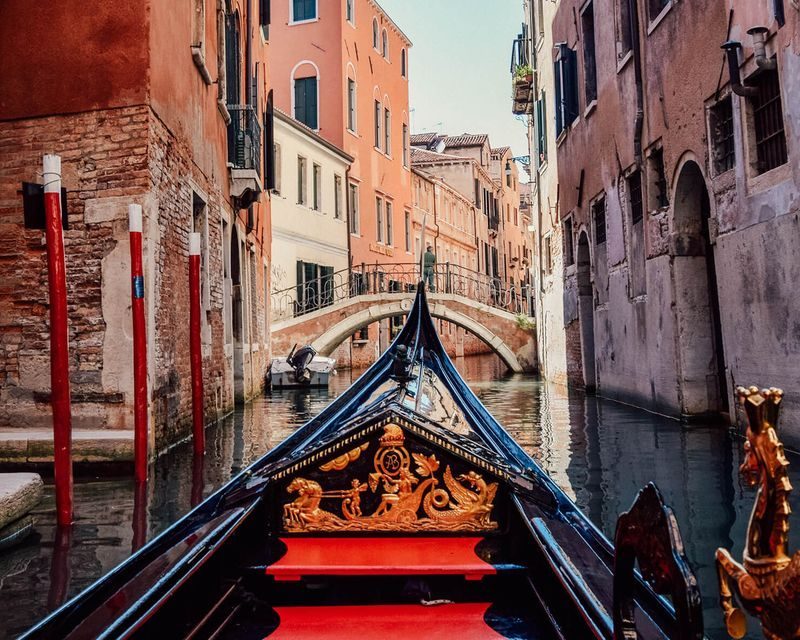
Destinations like Venice, Santorini, Kyoto and Iceland are textbook examples of how tourist taxes and local surcharges turn a dream trip into a high-budget one. Day-tripper charges, pricey gondola rides, temple fees, national park parking, and mandatory shuttles all stack up.
My approach:
- Check official government and tourism sites. Don’t rely on old blog posts for visa and tax info. Rules change, and so do the extra fees on cheap holiday packages.
- Read the fine print on accommodation. Look for lines like
taxes not included
orresort fee payable at property
. That’s where a lot of hidden charges hide. - Add an
entry fees
line in your budget. If you’re planning a temple-heavy or national-park-heavy trip, this can be a major category, not a rounding error.
Before I book, I ask: What will I pay that doesn’t show up in the headline price?
If I can’t answer that, I keep researching.
5. Infrastructure, Comfort Upgrades and the “I’ll Just Pay to Make This Easier” Spiral
On paper, you can sleep in a $6 dorm, take the slow bus, and eat street food for every meal. In reality, most of us have limits. And in countries with weaker infrastructure, those limits get tested fast.
Here’s how poor infrastructure quietly pushes you into spending more and inflates the real daily travel budget in cheap countries:
- Accommodation quality. The cheapest rooms may be noisy, hot, insecure, or unhygienic. After a night or two, you upgrade. Suddenly your $10/night plan becomes $25–$40/night.
- Power cuts and weak Wi‑Fi. If you work remotely or need reliable internet, you’ll pay more for better hotels or co-working spaces.
- Safety and comfort. Night buses, chaotic stations, and overcrowded trains sound adventurous until you’re exhausted. Many travelers end up paying for private transfers or flights just to stay sane.

None of this is wrong. It’s just rarely included in those dreamy budget breakdowns that promise the true cost of budget travel and then quietly skip the comfort upgrades.
How I plan for this:
- Budget for a realistic comfort level. If you know you won’t sleep in a 12-bed dorm, don’t base your budget on it. Be honest with yourself.
- Read recent reviews carefully. Look for mentions of noise, cleanliness, Wi‑Fi, and power cuts. Cheap but miserable is not a bargain.
- Add a
convenience buffer
. I usually add 10–20% to my budget in countries where I expect to pay extra for comfort and reliability.
The key question: Am I budgeting for the trip I wish I could tolerate, or the trip I’ll actually enjoy?
6. Money Access, Health Costs and All the “Small Stuff” That Isn’t Small
Even if you nail flights, hotels and transport, there’s a final category that quietly drains your wallet: accessing money, staying healthy, and all the little recurring costs.
These don’t look dramatic on their own, but together they’re classic travel budget cost traps:
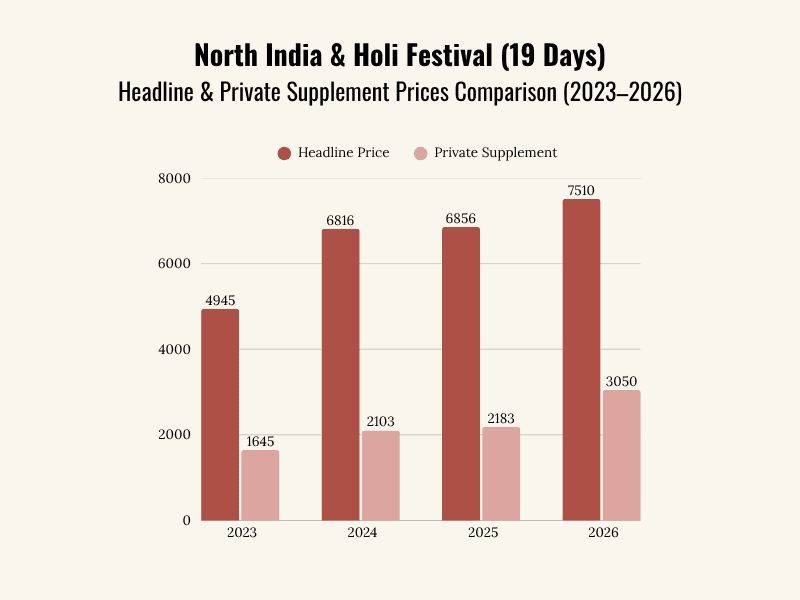
- ATM and currency exchange fees. In some countries, ATMs charge high fixed fees per withdrawal, and currency exchange booths take big commissions. If ATMs are scarce, you withdraw larger amounts and pay more each time.
- Vaccinations and insurance. Trips to regions with malaria, dengue, yellow fever or other risks often require vaccines, prophylaxis, and higher insurance premiums.
- Water, SIM cards and connectivity. Buying bottled water daily, paying for local SIMs, topping up data, or paying extra for reliable Wi‑Fi can add a few dollars a day – which is huge in a
$30/day
budget. - Tips, service charges and
extras
. Mandatory tips, service fees on bills, and small charges for things like luggage storage or printing tickets all add friction and cost.
How I keep this under control:
- Use a card with low or no foreign transaction fees. Ideally one that refunds ATM fees, so those hidden costs in cheap destinations don’t pile up every time you withdraw cash.
- Research typical tipping and service norms. Some countries add 10–15% automatically; others don’t expect tips at all. Knowing the norm stops you from over-tipping out of confusion.
- Price out health costs before you commit. If a destination requires several vaccines and expensive meds, that’s part of the real trip cost, not an afterthought.
- Bundle the
small stuff
into your daily budget. I often add a flat $5–$10/day line for water, data, and random fees in cheaper countries.
Ask yourself: What will I spend money on every single day, even if I don’t do any big activities?
That’s your real baseline.
7. How to Choose Destinations That Are Actually Good Value (Not Just Cheap on Paper)
Once you see all these hidden charges, it’s easy to think travel is just expensive everywhere. I don’t buy that. The real skill is choosing good value destinations, not just places that look cheap in a headline.

Here’s the framework I use when I’m deciding where to go next and trying to avoid how hidden charges wreck your travel budget:
- Start with total trip cost, not reputation.
I ignore the country’s reputation and instead estimate: flights, visas, insurance, realistic accommodation, internal transport, and a daily buffer for food + extras. That gives me a clear cost breakdown of cheap destinations before I fall for the hype. - Compare regions within a country.
Mexico’s resort zones vs smaller towns. Croatia’s Dubrovnik vs Split or Zadar. India’s big cities vs smaller cultural hubs. The differences in local prices and tourist surcharges are huge. - Look for strong infrastructure + moderate prices.
Places with decent public transport, mid-range accommodation, and fair pricing often beat ultra-cheap but chaotic destinations once you factor in comfort, time, and all the little extras. - Travel off-season or shoulder season.
Many formerly cheap hotspots (Bali, Lisbon, Marrakech, Hoi An) are still affordable if you avoid peak months and stay outside the most hyped neighborhoods. - Be honest about your travel style.
If you like private rooms, decent coffee, and reliable Wi‑Fi, build your budget around that. Don’t pretend you’re a $10/day backpacker if you’re not – that’s how budget travel mistakes turn into stress.
In the end, the question that guides my planning is simple: Where will my money buy me the most experience, not just the lowest daily price?
Once you start thinking in those terms – total cost, real comfort level, and value per day of joy – the cheap
destinations that aren’t really cheap become much easier to spot. And you can spend your time (and money) on trips that actually feel worth it.