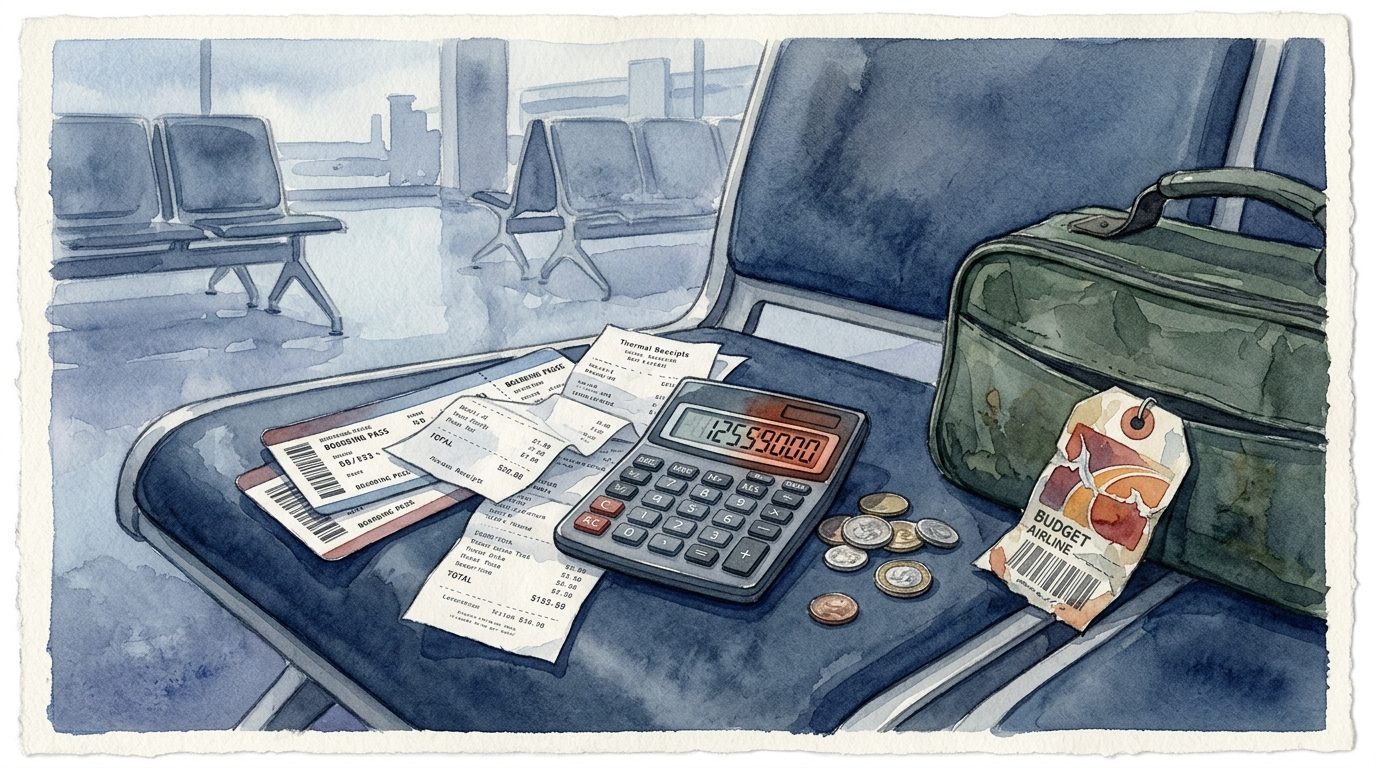
I love a good flight deal. I track fares, set alerts, and I’ve definitely bragged about snagging a “$39 ticket.” But after years of chasing ultra-cheap flights, I’ve learned something the hard way:
The cheapest ticket is often the most expensive trip.
If you’ve ever clicked on a rock-bottom fare and ended up paying double by the time you checked out, this guide is for you. Let’s walk through where the money really goes – and when that “deal” quietly turns into a trap.
1. The $29 Ticket That Becomes $180: How Airlines Play the Price Game
When you see a fare that looks almost too good to be true, it usually is. Budget airlines are built on an unbundled model: they sell you the bare seat, then charge for almost everything else.
Industry data shows airlines made an estimated $148.4 billion from extras like bags and seat fees in 2024 alone. Some ultra-low-cost carriers now earn more from fees than from tickets
themselves, according to analyses like TripProf’s breakdown. That’s the true cost of budget airlines in a nutshell.
Here’s how that $29 fare quietly inflates with cheap flight hidden fees:
- Base fare: $29 (looks amazing in search results)
- Carry-on bag: $35–$60 each way
- Checked bag: $40–$80 each way
- Seat selection: $10–$50 per segment
- Payment/booking fee: 2–3% or a flat charge at checkout
By the time you add what you actually need, you’re suddenly in full-service airline territory – sometimes beyond it. That’s when cheap flights vs full service airlines stop being a clear win for the budget option.
My rule now: I never compare ticket prices. I compare trip prices. That means fare + bags + seats + airport transfers + my time and stress. If I don’t calculate the true cost of a flight, I assume I’m missing something.
2. Baggage: The Biggest “Gotcha” (And How to Beat It)
If there’s one place budget airlines quietly make a fortune, it’s baggage. Not just checked bags – even the carry-on you assume is included can be a revenue stream.
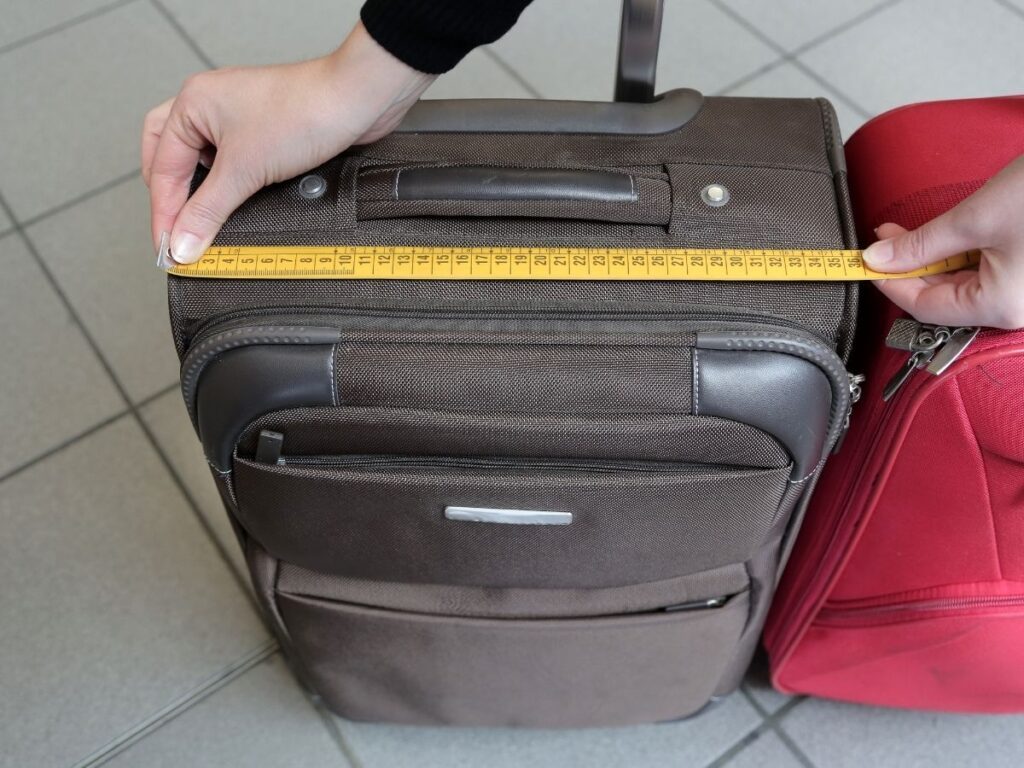
Here’s what I look for before I book, so I don’t get ambushed by low cost airline extra charges:
- What’s actually included?
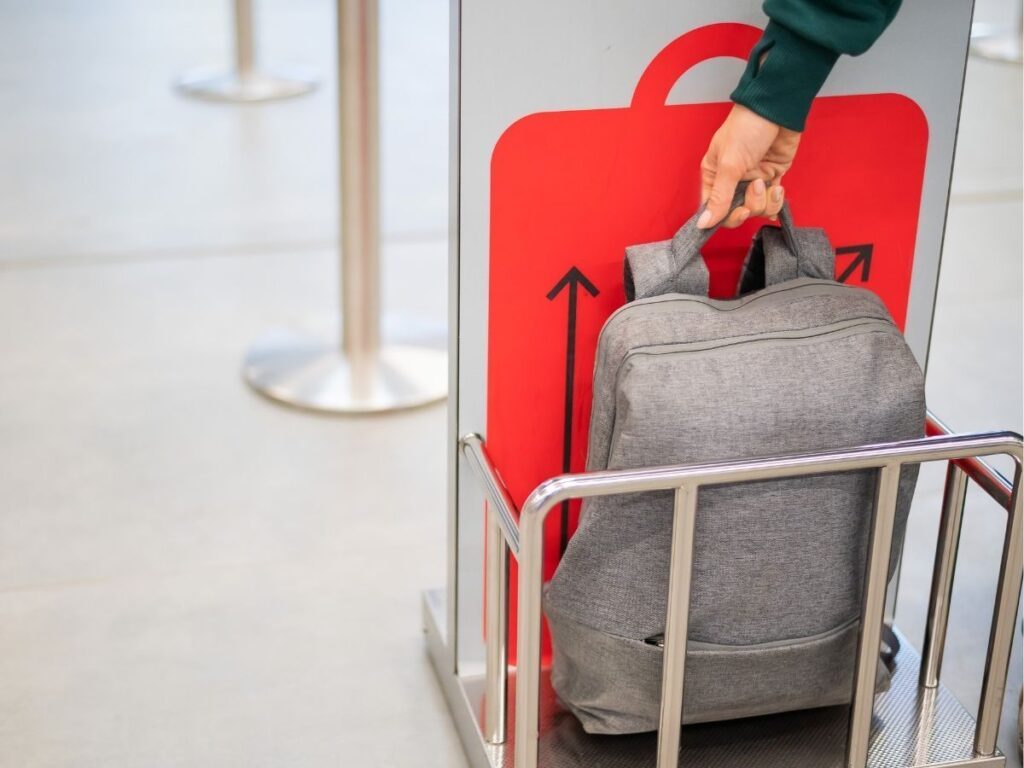
Many ultra-low-cost carriers only include a small personal item (think laptop bag or tiny backpack). A normal carry-on roller? That’s extra, and it’s where budget airline baggage and seat fees start to pile up. - Size and weight traps
Their limits are often smaller and stricter than full-service airlines. A bag that flies free on one airline can suddenly cost $50+ on another. Some carriers even incentivize staff to catch “non-compliant” bags at the gate. - Online vs airport pricing
The same bag might be:- $25–$35 when added during booking
- $40–$60 if added later online
- $70–$100 at the airport or gate
- Per segment pricing
Many fees are per flight segment, not per trip. A round-trip with a connection each way can mean 4x the baggage fees you expected. This is one of the easiest ways the hidden costs of cheap flights sneak up on you.
How I avoid baggage bill shock:
- I check the airline’s personal item dimensions and measure my bag at home.
- I price out:
What if I take one personal item only?
vspersonal item + carry-on?
vschecked bag?
- I always add bags during booking if I know I’ll need them – never at the airport.
- If I need a checked bag anyway, I compare the total with a full-service airline that includes one.
Often, once I add a single checked bag to a budget airline, a “more expensive” airline suddenly becomes the smarter, calmer choice. That’s the moment when cheap flights cost more overall than they save.
3. Seat Selection: Comfort, Families, and the Separation Game
Seat selection used to be a nice extra. Now it’s a major revenue line. A US Senate report found airlines collected $12.4 billion in seat fees between 2018–2023, with some carriers earning more from seat selection than from checked bags.
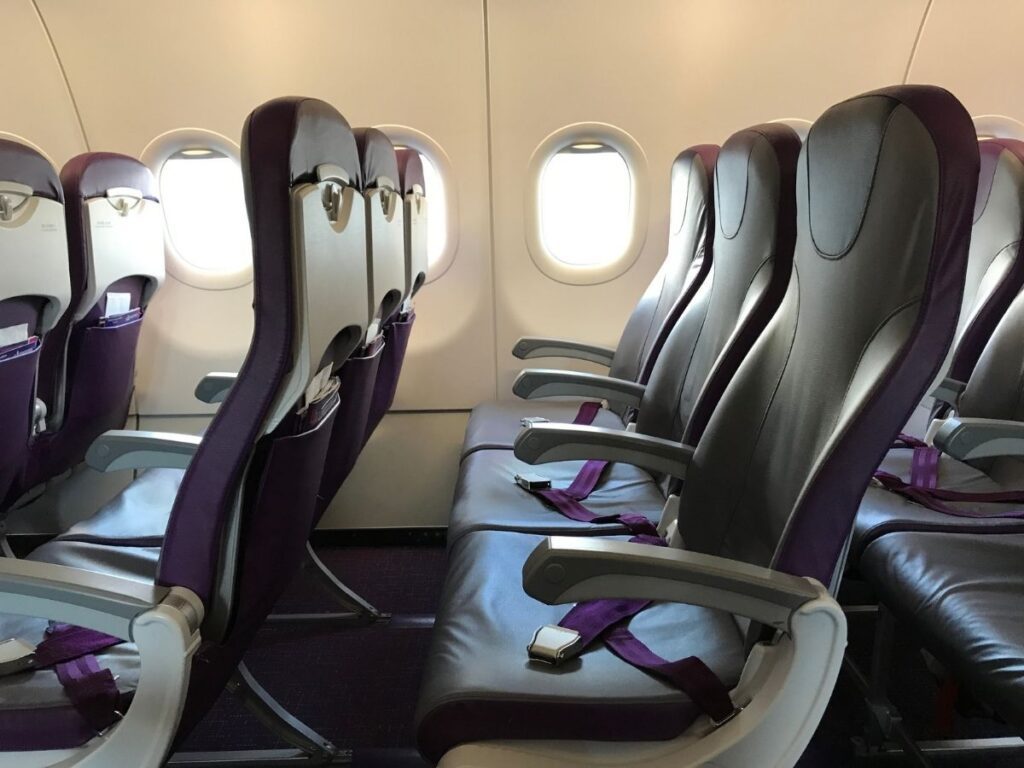
On budget airlines, here’s the trade-off:
- Pay to choose: $10–$50 per segment for a standard seat, more for extra legroom.
- Don’t pay: You’re often scattered around the cabin, even on half-empty flights.
For solo travelers on short flights, this might be fine. For couples, groups, or families with kids, it’s a different story. Many parents feel pressured to pay just to sit with their children, which is exactly how the system is designed to work.
How I decide if a seat is worth paying for:
- Short hop, solo? I usually skip seat selection and roll the dice.
- Long flight or overnight? I pay for a decent seat – my back and sleep are worth more than the fee.
- Traveling with kids or someone anxious? I treat sitting together as non-negotiable and factor the seat cost into the real ticket price from the start.
My mental trick: I don’t think of seat fees as “extras.” I treat them as part of the fare and compare airlines on that basis. It’s the only way to see the total trip cost of cheap airfare clearly.
4. Check-In, Boarding Passes, and “Tech Penalties”
This is one of the sneakiest areas. Some budget airlines quietly punish you for not following their exact process.
Common traps I watch for:
- Early online check-in deadlines
Miss the online check-in window and you might pay a hefty airport check-in fee. I’ve seen $15–$25 just to print a boarding pass. - Printing fees
Some carriers charge to print your boarding pass at the airport if you didn’t do it yourself. It’s a small fee, but it’s pure profit for them. - Priority boarding as overhead-bin insurance
Priority boarding is often sold as a way toget on faster
, but the real hook is overhead bin space. If you don’t pay, you risk having your carry-on gate-checked – sometimes with a fee.
My habits now:
- I set a reminder on my phone for the moment online check-in opens.
- I always download the boarding pass to my wallet/app and save a PDF offline.
- If I know I’ll be tight on boarding time and have a carry-on, I weigh the cost of priority boarding vs the risk of a surprise gate-check fee.
These aren’t just “little extras.” Miss one step, and your cheap flight gets more expensive in seconds. A classic cheap airfare mistake to avoid.
5. Food, Water, and the Onboard Upsell
On many budget airlines, the only thing free is the air you breathe. Even water can cost $3–$4, and basic snacks easily hit $7–$10.
Is that outrageous? Maybe. But it’s also predictable – and that means you can plan around it.
What I do now:
- Bring a refillable water bottle and fill it after security.
- Pack simple snacks: nuts, granola bars, sandwiches. Nothing smelly, nothing messy.
- On longer flights, I compare: is paying $15–$20 for onboard food still cheaper than flying a full-service airline that includes a meal?
On a short hop, I almost never buy food onboard. On a 5–6 hour flight, I factor the cost of a real meal into my airline comparison so I’m not surprised by yet another hidden cost of cheap flights.
6. The Airport You Land At (And the One You Thought You Booked)
This is the cost most people forget: where the plane actually lands.

Budget airlines often use secondary airports that are far from the city center. They’re cheaper for the airline, but not always for you.
Here’s how I sanity-check this now and avoid surprise cheap flight airport transfer costs:
- Map the airport
I literally open a map and check: how far is this airport from where I actually need to be? - Price the transfer
I look up the cost of trains, buses, or rideshares. A $20 cheaper ticket can vanish with a $35 taxi ride. - Factor in time
A 1-hour flight plus 90 minutes of ground transport each way might be worse than a slightly pricier flight into the main airport that’s 20 minutes away.
When I compare flights now, I add a line in my notes: Door-to-door time and cost.
That’s what really matters, not just the airborne part.
7. Delays, Cancellations, and the Cost of Being Stuck
Budget airlines keep costs low with tight schedules and fewer backup planes. That’s efficient for them, but it can be brutal for you when something goes wrong.
What I’ve seen (and experienced):
- Fewer alternative flights
If your flight is canceled, there might not be another one until the next day – or even later. - Limited customer service
Smaller staff, longer lines, and support that’s mostly app-based or via chat. When you’re stranded, that matters. - Fees that don’t come back
Even if your flight is refunded, some ancillary fees (like seat selection) can be harder to get back.
So I ask myself a blunt question before booking a rock-bottom fare:
If this flight gets canceled, what’s my Plan B – and how much will it cost me?
For a quick weekend trip where I’m flexible, I might accept the risk. For a wedding, cruise, or important meeting, I usually pay more for a carrier with better schedules and support. That extra $40 can be the difference between mild annoyance and a very expensive disaster.
8. When a Cheap Flight Is Actually a Good Deal (And When It’s Not)
Budget airlines aren’t evil. They’re just very specific tools. They work brilliantly for some trips and terribly for others.
When ultra-cheap flights can genuinely save you money:
- You travel very light (personal item only).
- You don’t care where you sit.
- You’re flexible on dates and even airports.
- You’re comfortable checking in online and following all the rules.
- The secondary airport is still convenient for where you’re going.
When they often end up more expensive (or just not worth it):
- You need at least one checked bag.
- You’re traveling with kids or a group and want to sit together.
- You’re on a tight schedule or connecting to a cruise, tour, or event.
- You value comfort, legroom, and fewer hassles more than saving $30.
Here’s the simple decision filter I use now to avoid the classic cheap airfare mistakes to avoid:
- Calculate the all-in price for each airline: fare + bags + seats + airport transfers + likely onboard spending.
- Ask:
If these two options are within $40–$60 of each other, which one will make my day easier?
- Remember that stress has a price, even if it doesn’t show up on your credit card statement.
Once you start thinking in terms of total trip cost instead of headline fares, the “cheapest” flight often stops being the obvious choice. And that’s where the real savings – money, time, and sanity – begin.
If you’ve ever wondered why your “$29 deal” somehow turned into a $180 headache, this is why. The next time you’re tempted by a rock-bottom fare, pause for a minute and run the numbers. Your future self, standing in a long line at a faraway airport at 2 a.m., will thank you.