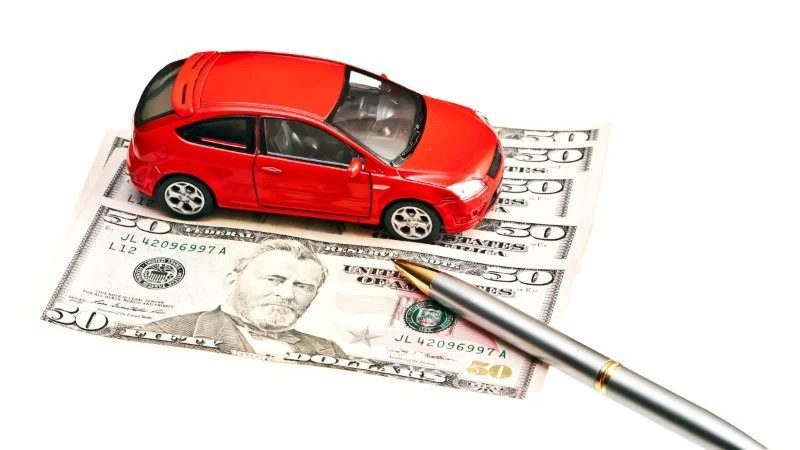

I love a good deal as much as anyone. But every time I see a rock-bottom airfare, a little alarm goes off in my head: What is this ticket not telling me?
In 2026, the cheapest flight on the screen is rarely the cheapest trip in real life. Airlines have unbundled almost everything: bags, seats, food, flexibility, even how you get help when something goes wrong. Then there are the costs nobody advertises: transfers from distant airports, late-night taxis, and hours of your time lost in transit.
In this guide, I’ll walk through the main traps I see over and over: baggage, airport transfers, and time wasted in transit. I’ll also show you how I compare flights now: not fare vs. fare, but trip vs. trip so you can see the true cost of budget airlines, not just the headline price.
1. The Illusion of the Cheap Fare: What That Number Really Hides
When you see a $79 fare, your brain does something sneaky. It assumes that $79 is the price of the trip. It isn’t. It’s the price of being transported from A to B with almost everything stripped out.
Most airlines now use an unbundled pricing model. The base fare often covers only one thing: a seat on the plane, at some time, from one airport to another. Everything else is an add-on:
- Carry-on and checked bags
- Seat selection (especially if you want to sit together)
- Onboard food and drinks
- Changes, cancellations, and customer support
- Payment fees and some taxes/airport charges that appear late in the process
By the time you reach the final checkout screen, that $79 can easily be $179 or more. And that’s before you’ve paid to get to and from the airport.
So I’ve changed the question I ask. Instead of Is this fare cheap?
I ask: What will this trip cost me once I add what I actually need?
That’s how you avoid the classic cheap flight booking mistakes that make “deals” expensive.

A simple checklist helps. Before I get excited about a fare, I quickly sketch:
- Base fare (round trip, including taxes shown upfront)
- Bags (carry-on + checked, both directions)
- Seats (if I care where I sit or who I sit with)
- Food (onboard + airport, based on flight times)
- Transfers (to/from both airports, at realistic times)
- Flexibility (change fees, risk of losing the ticket)
Only then do I compare options. Once you look at the hidden costs of cheap flights this way, the “expensive” airline quietly wins more often than you’d think.
2. Baggage Fees: The Biggest Trap in Cheap Airfares
If there’s one cost that regularly destroys the value of a cheap ticket, it’s baggage.
In 2026, no major U.S. airline offers universally free checked bags. Even Southwest, long the exception, ended free checked bags on its Basic fares in 2025 and now charges for many bag scenarios. On most routes:
- Legacy carriers: first checked bag is typically around $35–$50 each way.
- Budget/ultra-low-cost carriers: checked bags often run $55–$99+ each way, especially if you add them late.
- Carry-on bags: on some low-cost fares, even a standard carry-on is a paid extra.
And that’s per person, per direction. Two people, one checked bag each, round trip on a budget airline can easily add $220–$300 to the “cheap” fare. This is where the cheap flight baggage fees turn into the real price of your trip.
Here’s how I handle baggage now:
1. I read the baggage policy before I click anything.
I don’t trust the little icons on search engines. I click through to the airline’s own baggage page or a reliable fee summary (many comparison sites link to these). I check:
- What’s included in this specific fare (personal item only? carry-on? one checked bag?)
- Price for carry-on and checked bags if bought now vs. later
- Weight and size limits (especially on low-cost carriers)
2. I price bags for the whole trip, not per leg.
If I’m flying out on a Friday and back on Sunday, I multiply the bag fee by both directions and by the number of people. That’s the real number that matters when you’re comparing flight prices including baggage.
3. I compare with a “bag-included” airline.
Once I know the total bag cost, I compare the budget airline’s fare + bags against a full-service carrier that includes at least one bag. It’s surprising how often the legacy carrier is cheaper or only slightly more expensive but far less stressful.
4. I decide upfront: checked bag, carry-on only, or true minimalist.
If I can realistically travel with just a personal item, budget airlines can be a great deal. But I’m honest with myself. If I know I’ll end up paying for a bag at the airport, I treat that as part of the price from the start. That’s the only way to see the real budget airline baggage policy fees instead of the fantasy version.
3. Seat Selection: Comfort, Families, and the Price of Sitting Together
Seat fees used to be a minor annoyance. Now they’re a major revenue stream.
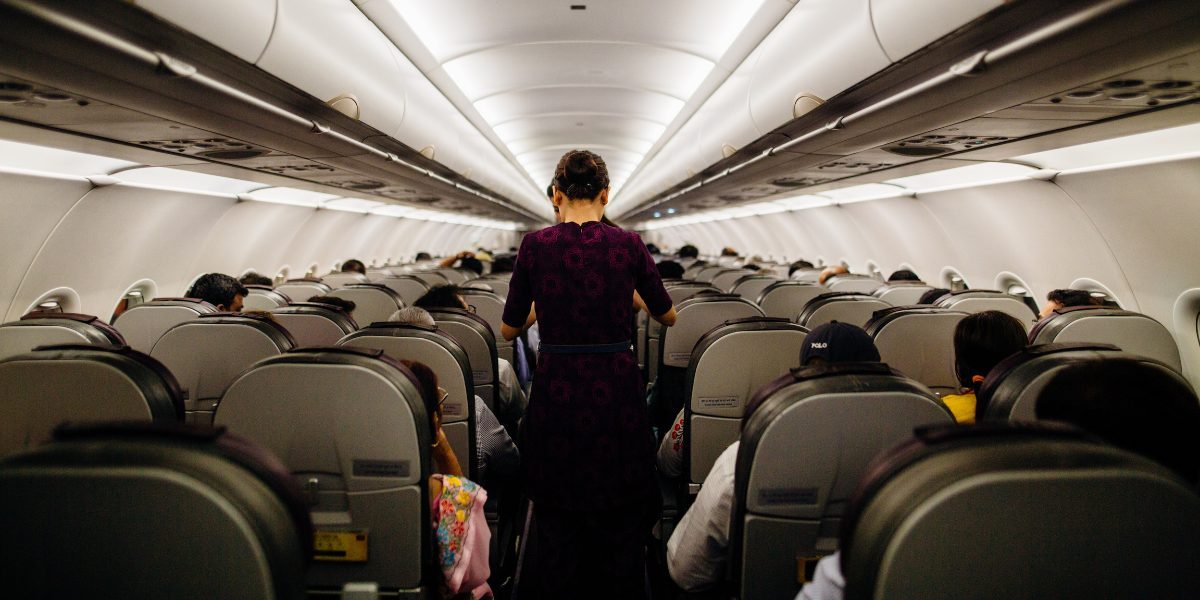
On many airlines, especially in basic economy and low-cost fares, you’re paying for the right to choose where you sit. Typical 2026 ranges:
- Standard preferred seats: around $30–$35 per segment
- Exit rows: around $45–$50 per segment
- Extra-legroom on long-haul: up to $160 per segment
Southwest, which introduced assigned seating in 2026, now charges for seat choice too. The message is clear: seat selection is no longer a free default.
Here’s how I think about seat fees:
If I’m solo on a short flight
I usually skip seat selection entirely. I let the airline assign whatever is left at check-in. Yes, I might end up in a middle seat. For a 90-minute hop, I’d rather save $30–$60.
If I’m traveling as a couple or family
This is where it gets expensive. Airlines know parents don’t want their kids scattered around the cabin. Some carriers will try to seat families together automatically, but it’s not guaranteed. I assume:
- We’ll need to pay for at least one adult + child to sit together, sometimes the whole group.
- Round trip, seat fees can easily add $100–$200+ for a family.
If I care about comfort or productivity
On a long-haul flight where I need to sleep or work, I treat extra legroom as a separate product. I ask myself: Is paying $80–$160 for this seat worth it for this trip?
Sometimes the answer is yes. But I decide consciously, not because the airline nudged me with a red warning icon.
The key is to remember: seat fees are usually optional. If you’re flexible, you can often avoid them. If you’re not, price them in from the start and compare against airlines or fare types that include better seating as part of their low cost airline extra charges bundle.
4. Airport Transfers and “Fake City” Airports: When Cheap Means Far Away
Now let’s talk about the cost that almost never appears in flight searches: getting to and from the airport.
Budget airlines love secondary airports. They’re cheaper for the airline, but often more expensive for you. Think of airports marketed as “City Name” that are actually 60–90 minutes away by bus or train.
Here’s what I look at before I book:
- Distance and time: How far is the airport from where I’m actually staying?
- Transfer options: Is there a direct train or bus? How often does it run? What does it cost?
- Time of day: Will public transport even be running when I land or depart?
It’s common for a “cheap” flight to a distant airport to require:
- A $25–$40 bus or train each way, or
- A $60–$120 taxi or rideshare if you arrive late at night or leave very early
Round trip, that can wipe out the entire fare difference compared with a more expensive flight into the main airport. When you look at the cost of airport transfers vs taxi, the bargain can disappear fast.

My rule of thumb: I calculate the door-to-door cost and time, not just airport-to-airport.
For each option, I estimate:
- Home → departure airport (time + cost)
- Arrival airport → accommodation (time + cost)
- Same in reverse for the return
Then I ask myself:
- Is saving $60 on the ticket worth adding 3–4 hours of transfers?
- Will I be exhausted when I arrive because of awkward transfer times?
- For a short city break, am I effectively losing half a day just getting in and out?
Often, especially for weekend trips, the answer is no. I’d rather pay more for a central airport and arrive with energy and time to actually enjoy the place. That’s the real comparison behind cheap flights vs direct flights cost.
5. Time Wasted in Transit: Layovers, Awkward Schedules, and Hidden Hotel Nights
Time is a cost. We just don’t see it on the booking screen.
Cheap flights often come with:
- Very early departures or very late arrivals
- Long layovers in random hubs
- Self-made connections on separate tickets
Each of these has a price, even if it’s not labeled as a fee. The time cost of long layovers and awkward schedules is one of the most underrated hidden costs of cheap flights.

Awkward flight times
A 6:00 a.m. departure might mean:
- Leaving home at 3:00–3:30 a.m.
- No public transport, so you pay for a taxi or rideshare
- Arriving exhausted and losing your first day
A midnight arrival can mean:
- Paying for an airport hotel because you can’t reach your final destination
- Or paying a premium for late-night transport
Those extra costs can easily add $50–$150 to a “cheap” ticket.
Long layovers
A long layover can be fine if you treat it as a mini-stopover. But if you’re just stuck in an airport for 7 hours, you’ll probably spend more on food and drinks, and you’re burning time you could have spent at your destination.
When I compare flights, I ask:
- How many usable hours will I actually have at my destination?
- Is this itinerary going to leave me wrecked for the first day?
- Will I need an extra hotel night because of the schedule?
Once I put a rough value on my time (even just in my head), a lot of “cheap” itineraries stop looking like deals. That’s where the indirect flights time and money trade off becomes very real.
6. Self-Connections and Risk: The Cost of Missed Flights
One of the most dangerous hidden costs is the risk you quietly take on when you book separate tickets to save money.
Example: you see a cheap low-cost flight to a hub, then another cheap ticket from that hub to your final destination. Together, they’re $120 cheaper than a single through-ticket on a full-service airline. Tempting.
But here’s the catch: if your first flight is delayed and you miss the second, the second airline doesn’t care. You’re a no-show. You buy a new ticket, often at walk-up prices.
When I consider self-connecting, I treat the risk as an expected cost:
- What’s the chance of a delay or disruption on this route/airline?
- How much would a last-minute replacement ticket cost?
- Do I have travel insurance that actually covers this scenario (many don’t)?
If the potential downside is a $400 last-minute ticket, that “$120 saving” doesn’t look so clever anymore.
For complex trips, I often prefer a single ticket on one airline or alliance, even if the base fare is higher. If something goes wrong, they own the problem. That peace of mind is worth a lot when you’re trying to calculate total trip cost flights and transfers and factor in risk.
7. Food, Drinks, and the Little Fees That Add Up
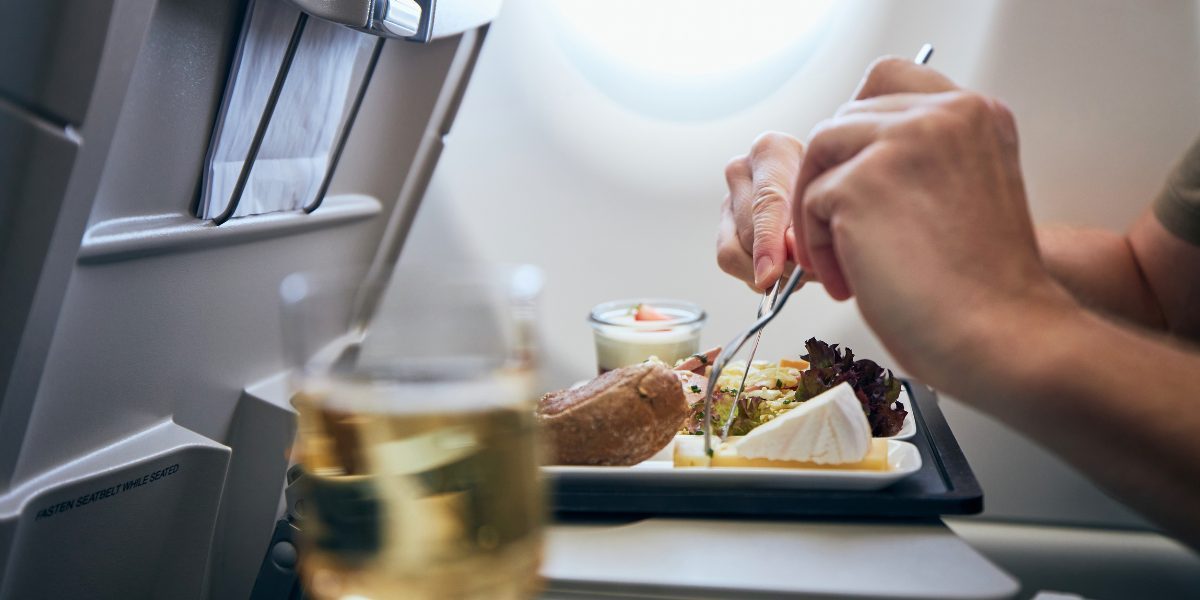
Finally, the small stuff. On many budget airlines, nothing is included onboard—not even water. Two people on a 4-hour flight can easily spend $30–$50 on snacks and drinks that weren’t in the base fare.
Meanwhile, most full-service carriers still include:
- Non-alcoholic drinks
- Light snacks on shorter flights
- Meals on many long-haul routes
It’s not just food. There are also:
- Payment fees or card surcharges
- Fees for phone bookings or customer support
- Charges for printing boarding passes at the airport
- Change fees and name correction fees
Individually, these might look small. Together, they can push a cheap fare well past the cost of a more honest, all-in ticket. This is the classic cheap airline hidden fees breakdown you only notice after your card has been charged.
My approach is simple:
- I assume I’ll need at least water and a snack, and I price that in.
- I bring my own food when possible, especially on low-cost carriers.
- I slow down on the final booking screens and uncheck anything I don’t truly need (insurance, priority boarding, seat bundles, etc.).
8. How to Compare Flights the Smart Way (Trip vs. Trip)
So how do you put all of this together without turning every booking into a spreadsheet marathon?
Here’s the quick process I use now to see whether cheap flights are really cheaper overall:
Step 1: Shortlist 2–3 realistic options
I use tools like Google Flights or my favorite search engine to find a few candidates that work for my dates and rough times. I ignore the absolute rock-bottom outliers if the times or airports are obviously terrible.
Step 2: Build a simple total-cost picture for each
For each option, I quickly estimate:
- Base fare (round trip)
- Bags (what I realistically need)
- Seats (only if I care where I sit)
- Onboard food (if nothing is included)
- Transfers (door-to-door, both ways)
- Schedule-related extras (taxis, hotels, lost time)
This is how I calculate total trip cost: flights and transfers without overcomplicating it.
Step 3: Compare total trip cost vs. total trip cost
I don’t ask Which fare is cheaper?
I ask Which trip is cheaper and better for my time, comfort, and risk tolerance?
That’s the real true cost of budget airlines.
Step 4: Decide what I’m willing to trade
Sometimes I’ll accept a longer transfer to save money. Sometimes I’ll pay more for a better schedule or a bag-included fare. The key is that I’m choosing the trade-off consciously, not being tricked by a low headline price.
When you start thinking this way, something interesting happens: the cheapest
flight on the screen often stops being the best choice. And that’s the point. You’re no longer buying a number. You’re buying a trip that actually works for you.
If you remember nothing else, remember this: cheap fares are not the enemy. Hidden costs are. Once you drag those costs into the light—baggage, transfers, time, risk—you can still grab great deals. You just won’t be surprised by them later.