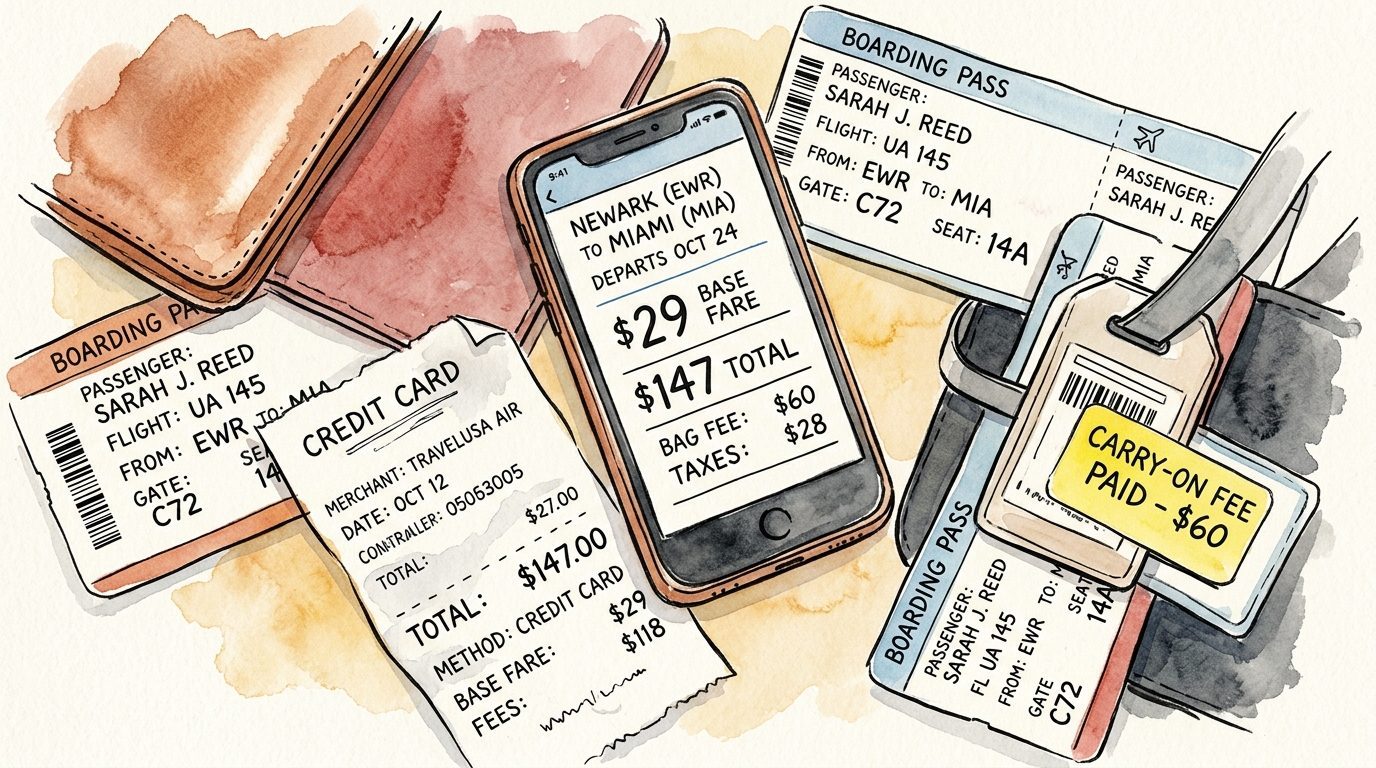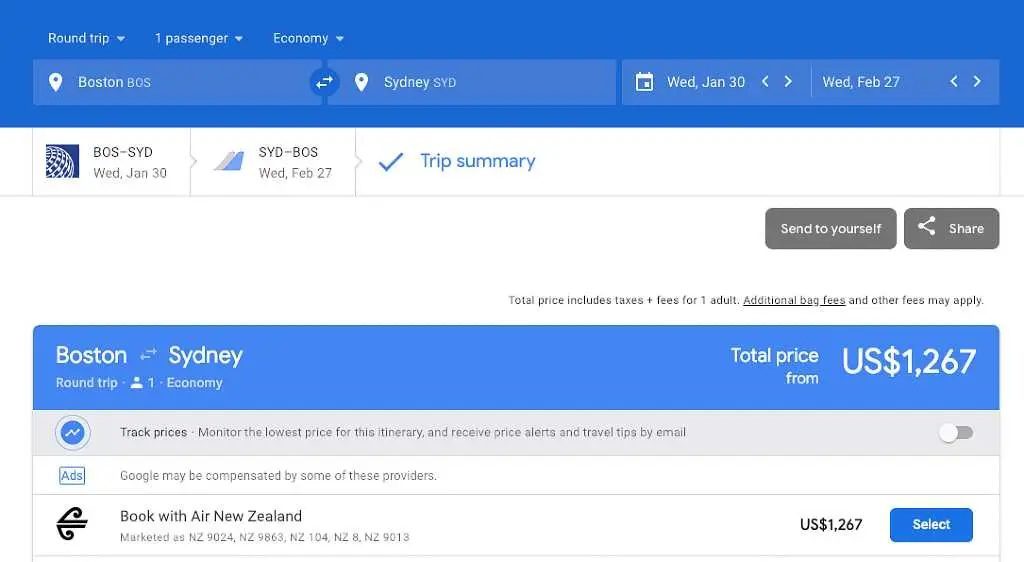
Ever clicked on a $79 flight
and somehow paid three times that by the end? Same. More than once.
After years of chasing deals
, I’ve learned something uncomfortable: many cheap flights are only cheap on paper. By the time you add layover costs, airport transfers, awkward departure times, and budget airline fees, that bargain fare can quietly turn into the most expensive option.
This isn’t about paying extra for luxury. It’s about not getting tricked by headline prices. In this guide, we’ll walk through the hidden costs of cheap flights – from layovers and secondary airports to timing and baggage – and how to spot them before you book.
1. The Biggest Trap: Confusing Ticket Price with Trip Cost
Most of us sort by lowest price
and feel clever when we shave $50 off a fare. But the ticket price is only one line in the real bill.
Here’s what I now think of as the real cost of a flight:
- Door-to-door time: From home to your accommodation, not just gate to gate.
- Ground transport: Trains, buses, taxis, rideshares to and from airports.
- Airport spending: Food, drinks, Wi‑Fi, lounges, day rooms, impulse buys.
- Sleep and energy: Early alarms, red-eyes, jet lag, lost productivity.
- Risk and stress: Tight connections, separate tickets, fragile itineraries.
Once you add those up, that cheap
flight can easily cost more than a slightly pricier nonstop. The hidden costs of cheap flights rarely show up on the search results page, but they hit your wallet later.
Try this quick test next time you’re comparing flights:
- Write down the absolute cheapest option and the more
sensible
option (better time, better airport, fewer connections). - Estimate extra costs for the cheap one: airport meals, taxis instead of transit, baggage fees, lost work hours.
- Ask yourself:
If someone offered me $60–$100 to add 4–6 hours of hassle to my day, would I take it?
Often, the honest answer is no. But we still click the cheaper fare because the pain is delayed and hidden.
2. Layovers: Cheap Ticket, Expensive Day
Layovers are where a lot of deals
quietly die.
On paper, a 6-hour layover that saves $90 looks fine. In reality, here’s what often happens:
- Two airport meals you didn’t plan for.
- Coffee (or three) just to stay awake.
- Paid Wi‑Fi or a day-pass lounge because you’re exhausted.
- Arriving so drained that your first day at the destination is basically wasted.
Suddenly that $90 saving is gone – and you’ve traded a chunk of your trip for fluorescent lighting and plastic chairs. That’s the kind of layover cost most booking sites never mention.
But not all layovers are bad. The key question is: Is this layover dead time or a mini-trip?
- Dead-time layover: 3–7 hours, awkward time of day, no realistic chance to leave the airport, no added value.
- Stopover: 9+ hours or overnight, in a city you actually want to see, with a plan (hotel, transit tour, or city visit).
Some airlines offer STPC (Stopover Paid by Carrier) – free or subsidized hotels for long, airline-imposed layovers – and some airports run free or cheap transit tours if your layover is long enough. These can flip a layover from cost
to bonus destination
, but only if you genuinely want that extra stop.
My rule now:
- If the layover doesn’t add real value, I treat it as a cost, not a perk.
- If it’s 24+ hours in a city I like, I treat it as a stopover and plan it like a short trip.
And one more thing: longer layovers can sometimes be cheap insurance against missed connections. A 45-minute connection that saves $30 is not a deal if one small delay blows up your entire itinerary and adds unexpected travel costs from layovers.

3. Early Mornings, Red-Eyes and the Price of Your Sleep
You’ve seen it: the 5:45 a.m. departure that’s $40 cheaper than the 9:30 a.m. flight. Or the red-eye that looks like a smart way to save a night of hotel
.
Sometimes those flights are genuinely good value. Often, they’re not.
Here’s what early and late flights really cost:
- Transport: Is public transit even running at 3:30 a.m.? If not, that
cheap
flight may require a $40–$80 rideshare. - Sleep: How functional are you after 3–4 hours of rest? If you lose a half-day of productivity or vacation, that’s a hidden cost.
- Health: Back-to-back red-eyes and 4 a.m. alarms add up, especially on short trips.
On the flip side, early flights are often more reliable. Planes and crews are in position, weather disruptions haven’t cascaded yet, and delays are less likely to snowball into missed connections. That reliability can save you from last-minute hotels, rebooking fees, and lost days – all part of the true cost of budget flights.
So I ask myself three questions:
- Is the price difference real? If the early flight is only 10–15% cheaper, but requires a $50 taxi, it’s not cheaper.
- What’s the value of my first day? If I arrive wrecked and lose that day, I’ve effectively paid for a shorter trip.
- What’s the risk? For tight connections or important events (weddings, meetings), I’ll pay more for reliability.
Sometimes I still choose the red-eye or dawn departure. But I do it with eyes open, not just because the booking site highlighted it in green.
4. Secondary Airports: The Cheap Flight That Strands You Far Away
Budget airlines love secondary airports. They’re cheaper for the airline. They’re often much more expensive for you.
Think of airports like this:
- Main airport: Closer to the city, better transit, more frequent services.
- Secondary airport: Farther out, fewer options, often expensive buses or limited trains.
Here’s a pattern I see all the time:
- Flight to the main airport: $150
- Flight to the secondary airport: $90
- But then: $25–$40 airport bus each way, plus extra time and hassle.
Suddenly that cheap
flight is the same price – or more – and you’ve added 1–2 hours of travel each way. Those secondary airport extra costs can quietly erase any savings.
Secondary airports also tend to have:
- Fewer backup planes and thinner schedules.
- Less flexibility if your flight is delayed or cancelled.
- Fewer lounges, services, and comfortable spaces if you’re stuck.
Before I book any deal
to a city, I now do three quick checks:
- Map it: I plug the airport into a map and see how far it is from where I’m staying.
- Transit: I check the cost and schedule of trains, buses, or rideshares at my arrival time.
- Total cost: I add the ground transport to the ticket price and compare it to flights into the main airport.
It’s surprising how often the expensive
main airport flight turns out to be the real bargain once you factor in airport transfers and your overall flight budget.
5. Budget Airlines and the Fee Maze
Budget airlines are masters of the half-truth. They show you a base fare that looks impossibly low, then rebuild the real price with fees.
Some numbers are eye-opening: airlines worldwide pulled in an estimated $148.4 billion in ancillary revenue in 2024 – bags, seats, priority boarding, and all the little extras that don’t show up in the headline fare. Some low-cost carriers now make more from fees than from tickets.
Here’s where the money really comes from:
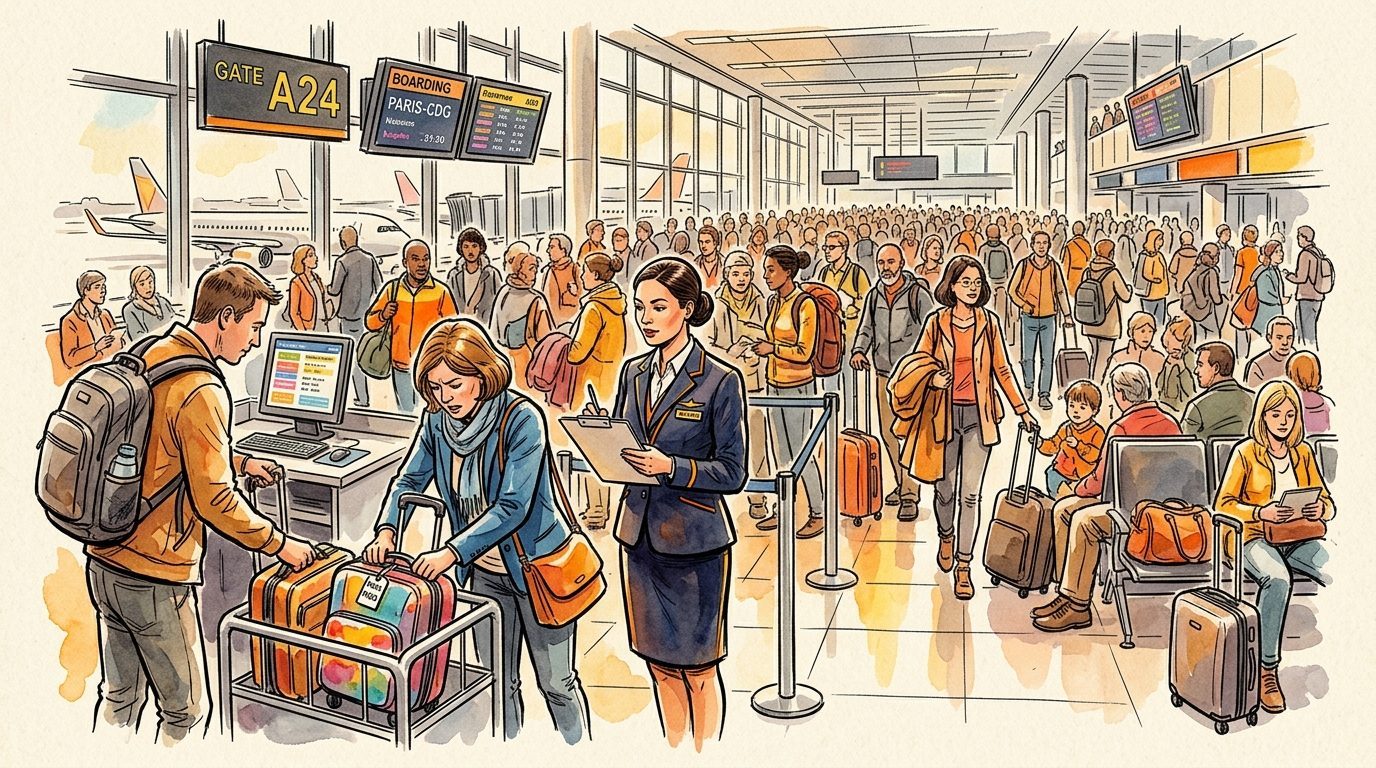
- Baggage: Strict size limits, high fees for slightly oversized bags, and even higher penalties at the gate.
- Seat selection: Families paying just to sit together; airlines monetizing almost every seat.
- Boarding passes: Charges for printing at the airport if you forget to check in online.
- Onboard basics: Water, snacks, sometimes even carry-on space.
- Non-refundable extras: Add-ons that you don’t get back even if the flight is cancelled or changed.
Gate agents on some carriers are even incentivized to catch oversized bags. That free personal item
can turn into a $60–$100 fee in seconds. This is where budget airline hidden fees quietly wreck a cheap airfare cost breakdown.
So how do you protect yourself?
- Price the trip, not the fare: Before you book, run through the full booking flow and add every fee you’re likely to pay.
- Know your bag: Measure your luggage and compare it to the airline’s exact dimensions. Don’t assume your usual carry-on will pass.
- Decide what you’ll sacrifice: Are you okay with no seat selection, no water, no flexibility? If not, factor that in.
- Compare with full-service airlines: Once you add all fees, a traditional carrier with a higher base fare may actually be cheaper – and far less stressful.
Budget airlines can be great if you travel light, don’t care where you sit, and accept the risk. But for many trips – especially short vacations or important events – the cheap
ticket is a false economy.
6. DIY Itineraries, Hidden Cities and When Risk Isn’t Worth It
There’s a whole world of advanced tricks out there: booking separate tickets to create your own layovers, using hidden city
tickets where you get off at the layover instead of the final destination, and mixing airlines to shave off dollars.
These can work. They can also backfire spectacularly.
Separate tickets (DIY itineraries) can be cheaper, but:
- If your first flight is delayed, the second airline doesn’t care. You’re a no-show.
- You may have to re-check bags, clear immigration, and go through security again.
- You carry all the risk – and the cost – of disruptions.
Hidden city travel (booking a longer route and exiting at the layover) exploits airline pricing quirks. Tools like Skiplagged specialize in finding these deals. But:
- You can’t check bags (they’ll go to the ticketed final destination).
- You shouldn’t add your frequent flyer number (airlines don’t love this practice).
- Round-trips can break if you skip a segment.
My approach is simple:
- I use these tactics only when the savings are significant, not just $20–$30.
- I avoid them entirely for important trips (weddings, work, tight schedules).
- I always have a backup plan – and budget – if things go sideways.
There’s nothing wrong with being clever. Just don’t risk your entire trip to save the cost of a nice dinner. Many mistakes when booking cheap flights start with overcomplicated DIY itineraries.
7. How to Compare Flights the Way Airlines Hope You Won’t
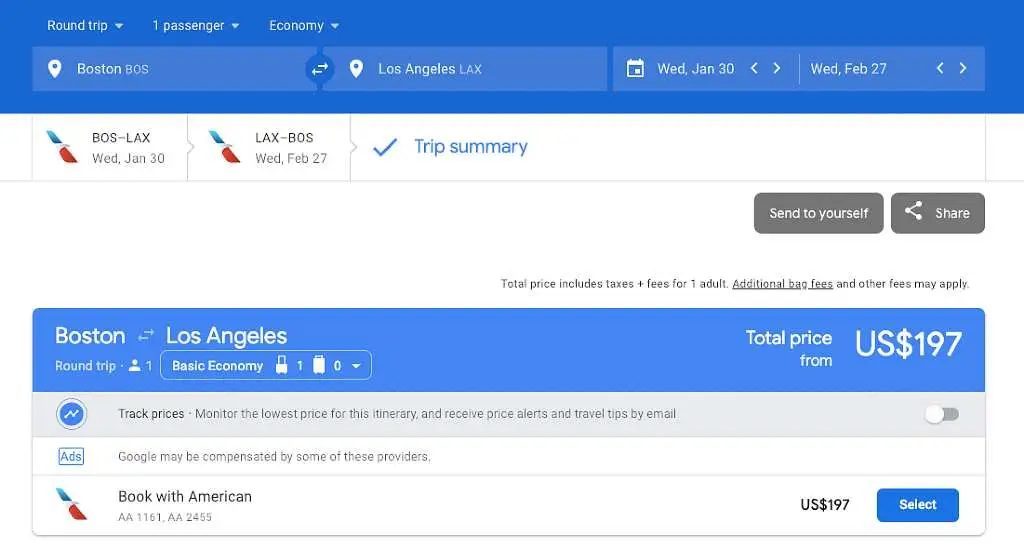
Airlines and booking sites want you to fixate on the bold number: the base fare. To beat them at their own game, you need a different comparison method.
Here’s the framework I use now whenever I’m tempted by a deal
:
- List your real constraints.
Do you need to arrive rested? Is this a short trip? Are you okay with a long layover if it adds a mini-trip? Knowing your non-negotiables stops you from being seduced by the wrong flights. - Calculate door-to-door time.
Include: getting to the airport, check-in/security, flight time, layovers, immigration, baggage claim, and transit to your accommodation. - Add realistic extras.
Estimate: airport meals, coffee, transit or taxis, baggage fees, seat selection, and any hotel nights caused by awkward timings. Don’t forget overnight layover hotel costs if your connection is too long or too late. - Put a value on your time and energy.
You don’t need a precise number. Just ask:Is this extra 4–6 hours of hassle worth the $X I’m saving?
- Compare 2–3 options, not 20.
Pick: the absolute cheapest, the most convenient, and one middle option. Then choose consciously instead of reacting to the lowest price.
When you do this honestly, something interesting happens: the cheapest
flight often stops being the obvious choice. Sometimes you’ll still pick it. But you’ll know exactly what you’re trading for that lower number, and how the connecting flight cost comparison really looks.
8. The Mindset Shift: From Is It Cheap?
to Is It Worth It?
In the end, this isn’t about spending more. It’s about spending smarter.
Airlines have spent years training us to chase headline fares. They unbundled everything – bags, seats, even boarding passes – and pushed us into a game where the winner
is the person who clicks fastest on the lowest number.
I don’t play that game anymore.
Now I ask different questions:
- Will this flight leave me with more usable time at my destination?
- Does this layover add value, or just drain me?
- Is this secondary airport actually saving me money?
- Am I okay with the risk and stress this itinerary creates?
Sometimes the answer leads me to a budget airline with a tiny bag and a long layover I turn into a mini-trip. Sometimes it leads me to pay more for a nonstop at a sane hour. Both can be smart choices.
The trap is thinking only in terms of cheap
vs expensive
. The better question is: Is this flight actually worth it when I count everything?
Once you start thinking that way, the hidden costs of cheap flights stop being surprises – and start being decisions you control. That’s when flight timing and total trip cost finally make sense, and you see the true cost of budget flights for what they are.