I don’t care what the search engine says: the cheapest flight on the screen is almost never the cheapest way to get from your front door to your final bed for the night.
If you’ve ever booked a rock-bottom fare and then watched the total creep up with bags, transfers, food, and “little extras,” you already know the feeling. In this guide, I’ll walk you through how I now price trips: door-to-door, not just airport-to-airport.
By the end, you’ll be able to look at a $79 budget fare and a $160 full-service fare and say, with a straight face: This one is actually cheaper overall.
That’s the real trick behind understanding the hidden costs of cheap flights.
1. Start With the Real Question: What Is This Trip Actually Costing Me?
When I plan a trip now, I don’t start with What’s the cheapest ticket?
I start with a different question: What is this trip going to cost me in money and time from my front door to my destination door?
That means I list out every major bucket of cost, not just airfare. It’s the same logic behind a good trip cost breakdown or any decent door to door trip cost calculation tool:
- Airfare (including all airline fees)
- Ground transport to and from each airport
- Baggage and seat fees
- Food and drinks while in transit
- Overnight stops (airport hotels, late-arrival taxis, etc.)
- Lost time (extra transfers, long layovers, distant airports)
Once you see everything in one place, the “cheap” option often stops looking so cheap. That’s when the total travel cost, not just airfare, comes into focus.
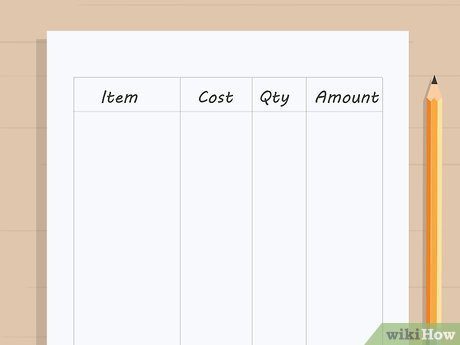
Personally, I keep this in a simple sheet or app so I can see the total at a glance and compare the real cost of each route.
Takeaway: If you only compare base fares, you’re not comparing trips. You’re comparing marketing.
2. The Airport Trap: How Far Is That “City” Airport Really?
Next question I always ask: Where exactly does this flight land? Not the city name in big letters. The actual airport.
Budget airlines and some comparison sites love to sell you Paris
or London
when the airport is actually an hour or more away, with limited transport options. As this breakdown of cheap flights points out, those distant airports can quietly destroy your savings and skew any cheap vs direct flight cost comparison.
Here’s how I price the airport piece when I calculate the full trip cost from home to hotel:
- Check the exact airport code (e.g., STN vs LHR, BVA vs CDG).
- Look up real transfer options: train, bus, rideshare, taxi. Not just the cheapest, but the ones that actually run at your arrival time.
- Calculate both cost and time for each leg: home → departure airport, arrival airport → accommodation.
Then I compare two scenarios side by side:
- Cheap fare + distant airport + long transfer
- More expensive fare + main airport + short transfer
Once I add transfers, the “expensive” ticket often wins. Especially on short trips, where losing half a day to transfers is a big deal and ruins the value of a so-called bargain.

Takeaway: Always add airport transfers (both ends) to your flight price. A $40 bus + $30 taxi each way is $140 you might be ignoring in your travel cost breakdown of airfare and ground transport.
3. Baggage, Seats, and “Extras”: The Airline Fee Minefield
This is where budget airlines quietly make their money. The base fare is a teaser. The real price shows up when you try to travel like a normal human.
From my own trips and from warnings like this deep dive on budget airlines, here’s what I now check before I get excited about a low fare or any “all in flight pricing strategy” claim:
- Carry-on rules: Is a normal cabin bag free, or is it charged as “large cabin” or even checked?
- Checked bag fees: One bag each way? Two? What if you add it later?
- Seat selection: Do you pay to sit together? What if you don’t pay—are you okay being separated?
- Boarding passes: Any fee for printing at the airport?
- Onboard basics: Water, snacks, even basic changes—are they free or paid?
Then I do a simple, brutal calculation for each airline option:
- Base fare
- + Bag fees (carry-on + checked, both directions)
- + Seat fees (if I care where I sit)
- + Other must-have extras (like printing a boarding pass if I can’t use the app)
Only then do I compare that total to a full-service airline that includes a bag and seat selection. Many times, the “cheap” airline ends up more expensive for a normal traveler with one suitcase and a carry-on.
This is the classic trap of cheap flight extra fees and one of the biggest flight cost mistakes to avoid.

Takeaway: Price the flight as you’ll actually fly it. If you always check a bag and want to sit with your partner, include those airline baggage and seat selection fees from the start.
4. Awkward Flight Times: When a Cheap Ticket Costs You a Hotel Night
Here’s a sneaky one: flight time. A 6 a.m. departure or midnight arrival can look fine on paper. In real life, it can mean:
- Paying for an airport hotel the night before
- Taking a taxi because public transport isn’t running
- Arriving so late you lose the first evening of your trip
As one analysis of cheap flights points out, late-night and early-morning flights often force you into the most expensive ground transport options.
When I compare flights now, I add a simple line item:
- Extra costs caused by timing = airport hotel (if needed) + night/early-morning taxi + lost night of accommodation at destination (if I arrive too late to use it)
Then I ask myself:
- Is this 6 a.m. flight really cheaper if I have to pay for an extra hotel near the airport?
- Is this midnight arrival worth it if I end up paying $60 for a taxi instead of a $5 train?
Often, a slightly more expensive midday flight wins once I add those hidden timing costs into my door to door trip cost calculation.
Takeaway: Treat bad flight times as a cost, not a quirk. If they force you into extra hotels or taxis, add that to the ticket price.
5. Food, Layovers, and “Killing Time” Costs
Long layovers and awkward connections have a price tag too. It just doesn’t show up on the booking screen.
Think about a 6-hour layover in an expensive airport. You’re tired, you’re bored, and suddenly:
- $15 for a sandwich
- $5 for water
- $4 for coffee (maybe twice)
- Maybe a lounge pass or day room if it’s really long
That’s easily $30–$60 per person, per long layover. On a family trip, it adds up fast and quietly changes the real cost of budget airlines.
When I compare routes, I now estimate:
- Food cost per travel day (airport prices, not home prices)
- Number and length of layovers
- Whether I’ll be tempted into lounges, day rooms, or paid upgrades to survive the wait
Tools like trip budget calculators (for example, the ones described on SageCalculator or Best-Calculators) remind me that food and lodging often beat fuel or base transport costs. The same logic applies to flights: airport food is part of your ticket price in practice.
Takeaway: Add a realistic per-person food budget for each long travel day and layover. Cheap flights with brutal layovers often come with expensive airport meals.
6. Time Is Money: Put a Price on Your Hours
This is where the analysis gets personal. How much is your time worth?
Trip calculators for road travel, like the one described on MyTimeCalculator, combine distance and average speed to estimate total travel time. You can do the same for flights and really see the time vs money trade off in flight choices:
- Home → departure airport
- Check-in + security buffer
- Flight time
- Layovers
- Arrival airport → final destination
Then I compare two options:
- Option A: Cheaper ticket, longer total travel time
- Option B: More expensive ticket, shorter total travel time
Now I ask a blunt question: If Option B saves me 5 hours but costs $60 more, is my time worth more than $12/hour?
There’s no universal right answer. But once you put a rough value on your time, some “deals” stop making sense and the total travel cost, not just airfare, becomes clearer.
Takeaway: Don’t just count dollars. Count hours. A slightly pricier flight that gives you an extra half-day at your destination can be the better bargain.
7. A Simple Door-to-Door Comparison Formula You Can Reuse
Let’s put this into a simple framework you can copy into a note or spreadsheet. This is how I do a quick door to door trip cost calculation for each option.
Total Door-to-Door Trip Cost =
- Base airfare
- + Airline extras (bags, seats, onboard fees, change fees you’re likely to pay)
- + Ground transport (home → airport + airport → accommodation, both ways)
- + Timing costs (airport hotels, late-night/early-morning taxis, lost first/last night)
- + Food during travel days and layovers
- + Any other must-have extras (visa fees at certain airports, special transfers, etc.)
Then, next to that, I note:
- Total door-to-door time (hours)
- Number of connections
- Risk factors (tight connections, airlines with poor reliability, secondary airports)
Now compare options side by side. Don’t be surprised if the “expensive” airline suddenly looks like the smart, low-stress choice once you factor in the real cost of budget airlines and all the extras.
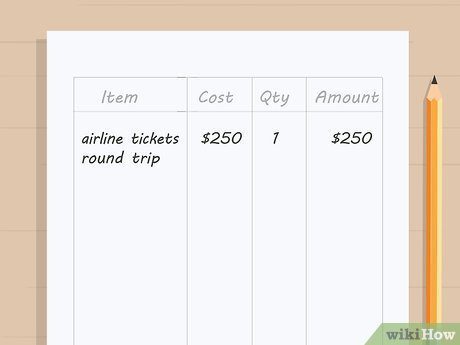
Takeaway: Use a repeatable formula. Once you’ve built it once, you can reuse it for every trip and stop falling for fake bargains and misleading flight price comparisons that ignore baggage and transfers.
8. When Paying More Upfront Actually Saves You Money (and Sanity)
After doing this a few times, I noticed a pattern: I often end up choosing the not-quite-cheapest option. Not business class. Not luxury. Just the flight that makes sense when I count everything from home to hotel.
Here’s when I personally lean toward paying a bit more:
- Trips with tight schedules (weekend breaks, short work trips)
- Travel with kids, older relatives, or anyone who needs predictability
- Destinations where the “cheap” airport is far and awkward to reach
- Peak season, when delays and cancellations are more painful
As some travel calculators and budget guides point out, shoulder season is often the sweet spot: you can book mainstream airlines and central airports without paying peak prices. That’s where the real value usually is, especially when you look at the total travel cost, not just airfare.
In the end, the question isn’t How cheap can I make this ticket?
It’s:
What’s the smartest, least stressful way to get from my door to my destination, for a price I’m actually happy with?
Once you start calculating the real door-to-door cost—and not just chasing the lowest number on the screen—you’ll answer that question very differently. And you’ll stop being surprised by your credit card bill after every “cheap” trip.