
I love a bargain as much as anyone. But over the years I’ve learned that the cheapest-looking package holiday is rarely the cheapest trip. The real price only shows up once you’ve added transfers, resort fees, baggage, tours and all the little extras that quietly eat into your budget.
If you’ve ever come home from a “deal” wondering where your money went, this guide is for you. Let’s walk through the main hidden costs of package holidays, how they work, and how to avoid the worst of them.
1. The Illusion of the “From” Price
Most cheap package deals hook you with a single number: a bold, tempting from £299
or similar. It looks solid. It isn’t.
Behind that headline price, tour operators lean heavily on unbundled pricing and dynamic pricing:
- The base fare often covers only the bare minimum: a seat on a specific flight, a basic room and not much else.
- Everything that makes a holiday comfortable – baggage, seat selection, transfers, decent meal times, flexibility – is stripped out and sold back to you as add‑ons.
- Algorithms watch demand and your behaviour. Prices jump after a few searches, and you’re nudged with countdown timers and
only 2 rooms left
warnings.
By the time you’ve clicked through five screens, compared a few options and finally reached the payment page, you’re staring at a total that’s far above the original “from” price. But you’re also tired and reluctant to start again, so you accept it.
My rule now is simple: the only price that matters is the final price at checkout. I don’t get attached to any “from” price or low deposit holiday offer until I’ve seen the full package holiday price breakdown with all mandatory fees included.

2. Transfers: The “Cheap” Package That Strands You
Transfers are one of the biggest hidden costs of package holidays. Many ultra‑cheap deals quietly exclude airport–hotel transfers, or include only the slowest, least convenient option.
Here’s how it often plays out:
- You land late at night at an airport far from your resort.
- You discover there’s no included transfer, or the shared coach left an hour ago.
- You end up paying for an overpriced taxi or hotel shuttle because there’s no easy public transport at that time.
On paper, the package was £80 cheaper than a more complete option. In reality, you’ve just spent £60–£100 on taxis over the week, plus the stress of figuring it out in a new place.
It can be even worse with some hotel + flight deals where luggage transfers aren’t included. The package looks neat, but moving your bags between airport and hotel is your problem. If you’re a family with big suitcases, those airport transfer fees on package deals can quietly add a serious chunk to your budget.
Before I book, I always check:
- Is any transfer included? If yes, is it private, shared coach or public shuttle?
- What time does it run? Does it match my flight times, especially late arrivals or early departures?
- What would a taxi or rideshare cost each way? I look it up on Google Maps or local taxi sites.
Sometimes a slightly more expensive package with good transfers included is actually the cheaper, calmer choice once you factor in the real package holiday transfers cost.
3. Resort Fees, Tourist Taxes and “Mandatory” Extras
Resort fees are one of the most frustrating cheap package holiday extra charges. You think you’ve found a great hotel rate, only to discover a mandatory nightly fee at check‑in.
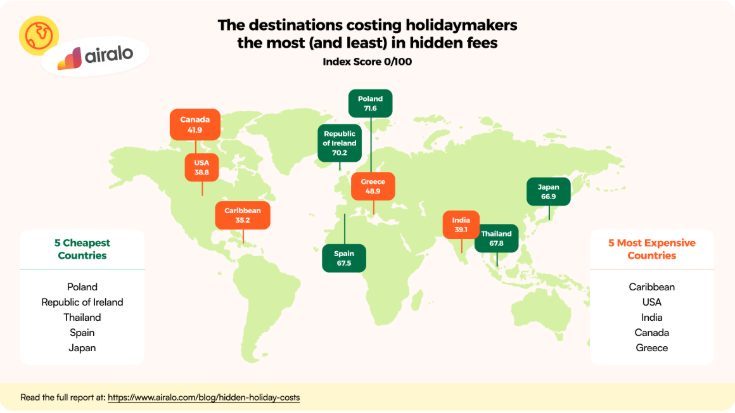
In many destinations, especially in the US and Caribbean, resort fees can average around $40+ per night. They’re often justified as covering Wi‑Fi, gym access, pool towels or “resort activities” – even if you never use them.
On top of that, you may face:
- Tourist taxes charged per person per night.
- Destination fees or service charges added to your bill at the end.
- Parking fees, compulsory “club” fees, or automatic tips.
In some Caribbean spots, these hidden costs can add over 25% to your total holiday budget. That “cheap” week away suddenly isn’t so cheap, especially on so‑called cheap all inclusive holidays with hidden resort fees.
What I do now:
- I search the hotel name plus
resort fee
before booking. - I read recent reviews specifically mentioning extra charges at checkout.
- I check if tourist tax is included in the package price or paid locally in cash.
If a hotel or package isn’t clear about these charges, I treat that as a red flag. Transparency is part of value. When you’re budgeting for package holiday extras, tourist taxes and resort fees need to be in the plan from the start.

4. Baggage, Seats and “Basic” Fares That Aren’t
Cheap package holidays often use the lowest possible flight fare class to keep the headline price down. That usually means a bare‑bones ticket with strict rules.
Common catches:
- No checked bag included – or even no full‑size cabin bag.
- High fees for overweight or slightly oversized luggage.
- Extra charges for seat selection, especially if you want to sit together as a family.
- Very limited or no change flexibility – any change costs more than the ticket itself.
For trips where you need more than a tiny backpack – winter holidays, family trips, long stays – these extras can easily wipe out the saving versus a standard fare that includes a bag and seat choice.
My approach now:
- I check the airline’s baggage policy before I get excited about the price.
- I mentally add the cost of at least one checked bag per couple or family, plus a realistic seat selection fee.
- I compare the total with a more inclusive fare or a different package. Often, the “cheap” one loses once you factor in all those cheap all inclusive hidden fees.
It’s not that basic fares are bad. They’re great if you truly travel light and don’t care where you sit. But if that’s not you, be honest with yourself. Buy the ticket you’ll actually use, not the one you wish you could use.

5. Location Traps: When “Out of Town” Costs You More
One of the biggest hidden costs in tour operator packages is location. A hotel that’s far from the action can look like a steal – until you factor in the daily commute.
Typical scenario:
- The package includes a resort 45–60 minutes from the city or main attractions.
- There’s no reliable public transport, or it’s slow and infrequent.
- You end up using taxis, rideshares or hotel shuttles every day.
Those daily rides add up quickly, especially in destinations with high taxi prices or where tourist areas are spread out. You also pay in time and energy – early starts, long rides, less freedom to pop back to your room.
When I’m evaluating a package now, I ask:
- Where exactly is the hotel? I drop the address into a map and check distances to the places I actually want to visit.
- What’s the real cost of getting around? I look up local transport passes, taxi estimates or bike rentals.
- How late does transport run? Can I get back safely after dinner or a show without a £40 taxi?
Sometimes a more central hotel with a higher nightly rate is cheaper overall once you remove the daily transport drain. And it usually feels more like a holiday and less like a commute.

6. Tours, Activities and the “Everything’s Extra” Itinerary
Many cheap packages keep the price low by including almost no activities. On paper, that looks like freedom. In reality, it can mean a constant stream of unexpected costs.
Common patterns:
- Key sights and entry tickets are not included in the package or the advertised tour price.
- Guides offer
optional
add‑ons on the day – boat rides, museum entries, special viewpoints – that feel essential once you’re there. - Itineraries are packed with many stops but allow very little time at each, so you end up paying extra for express entries or private add‑ons to make it worthwhile.
There’s also a hidden cost in quality. Cheaper tours often mean:
- Large groups, slow logistics and rushed stops.
- Less experienced guides who give you facts but little context.
- Days that look full but feel strangely empty – you’ve “seen” everything but understood very little.
When I look at a package now, I don’t just ask What’s included?
I ask:
- What will I realistically want to do that isn’t included?
- How much will those activities cost if I book them myself?
- Is there an option with fewer hidden extras and better pacing, even if the headline price is higher?
Often, a slightly pricier, more inclusive tour gives you better value per hour of your time and a much richer experience. It’s a classic package holiday vs DIY cost comparison: sometimes booking a couple of key activities yourself works out cheaper and better than a bare‑bones “everything’s extra” itinerary.
7. The Non‑Financial Costs: Stress, Safety and Support
There’s one more layer of hidden cost that doesn’t show up on your credit card: how the trip feels.
Ultra‑cheap packages often come with trade‑offs that you only notice once you’re on the ground:
- Overpacked itineraries with early starts and long drives that leave you exhausted.
- Weak customer support when flights are delayed or plans change.
- Hotels that feel unsafe, unclean or very different from the photos.
For many travellers – and especially for travellers of colour or anyone who already feels vulnerable abroad – a “bargain” that leaves you feeling unsafe, disrespected or constantly on edge is not a bargain. The emotional cost is real.
So I now factor in:
- Reviews about safety, staff behaviour and neighbourhood vibe, not just cleanliness and breakfast.
- Whether the package is ATOL/ABTA protected (or equivalent), so I know who’s responsible if something goes wrong. You can read more about that kind of protection on sites like MoneySavingExpert.
- How easy it is to reach someone 24/7 if I need help.
Peace of mind is part of the price. I’d rather pay a bit more upfront than spend my holiday firefighting problems caused by cut‑price deals and hidden fees.
8. How to Compare Packages Without Getting Tricked
When I’m comparing “cheap” package holidays now, I don’t ask Which one is cheapest?
I ask Which one is honestly best value for how I travel?
Here’s a simple checklist I use when I’m budgeting for package holiday extras and trying to avoid unexpected costs in tour operator packages:
- Transfers: Are airport–hotel transfers included? At what times? What would taxis cost if not?
- Resort & local fees: Are resort fees, tourist taxes and service charges included in the price or paid locally?
- Baggage & seats: How many bags are included? What will I realistically need? How much to sit together?
- Location: Where is the hotel on the map? How much time and money will I spend getting to the places I care about?
- Activities: Which key experiences are included? What will I almost certainly pay extra for?
- Protection & support: Is the package protected (ATOL/ABTA or similar)? How good is the on‑trip support?
Once I’ve answered those, I add the realistic extras to the headline price and compare the true total across options. The “cheapest” deal often stops being the winner, and the package holiday add ons that blow your budget become much easier to spot.
In the end, a good package holiday isn’t the one with the lowest number on the screen. It’s the one where you know what you’re paying, you’re not ambushed by fees, and you come home feeling that your money – and your time – were well spent.