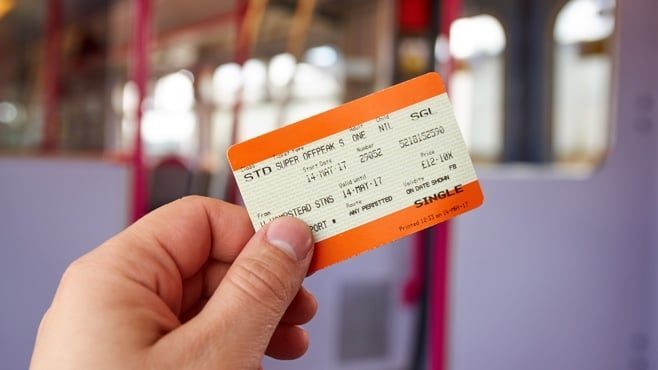
I love a bargain fare as much as anyone. But after years of chasing the lowest price, I’ve realised something awkward: a lot of “cheap” transport isn’t actually cheap once you add everything up. Seat fees, awkward transfers, lost time, rigid tickets – they quietly eat into your budget and your energy.
This guide breaks down the hidden costs of cheap transport in the UK, Europe, the US and parts of Asia, and how to work out the true cost of budget transport before you hit “book”.
1. Are You Really Saving Money, Or Just Paying In Time?
When I compare routes now, I start with one blunt question: am I saving money, or just swapping cash for hassle and lost time?
Picture a typical choice:
- A “£9.99” coach that leaves at 5am, takes 8 hours, and drops you miles from the city centre.
- A £35 train that takes 2 hours, runs city-centre to city-centre, and gives you space to work or relax.
On the surface, the coach looks like the obvious win. But then you add the hidden costs of cheap transport:
- Extra bus/metro rides or taxis to and from remote stations or airports.
- Lost working time (or lost holiday time) on a slow, uncomfortable journey.
- Food and drink you end up buying because you’re travelling at awkward times.
Suddenly that “cheap” option doesn’t look so cheap. This is why a supposedly pricey direct train can beat a budget bus or flight once you factor in everything. Trains often include free
luggage, central stations and fewer add-ons, as pieces like this comparison of train vs plane costs point out.
Quick rule I use: if the cheaper option adds more than 2–3 hours of extra travel or waiting time, I ask myself: would I work those hours for that saving? If the answer is no, I upgrade. That’s my simple way to handle the time vs money trade-off in transport.
2. Seat Fees, Baggage & Add-Ons: When “£9.99” Becomes £60+
Low-cost airlines and some long-distance buses are experts at turning a cheap headline fare into an expensive trip. The base fare is bait. The real price appears later.
Common extras you’ll see, especially in the UK and Europe:
- Seat selection fees – pay to sit together, pay to sit near the front, pay to avoid the middle seat. Classic bus and train seat reservation fees territory.
- Cabin baggage and checked bags – the “personal item only” trick. One tiny bag is free; anything normal-sized costs.
- Airport check-in fees – forget to check in online and you’re charged at the desk.
- Priority boarding – often sold as the only way to guarantee overhead bin space.
By the time you’ve added a seat, a cabin bag and a checked bag, that £9.99 fare can quietly climb to £60–£80. Guides on UK travel costs, like this breakdown of hidden UK travel costs, show just how fast these extras stack up.
Trains, by contrast, often bundle more into the base fare: a proper seat, a decent luggage allowance, Wi‑Fi, and the freedom to bring your own food without security rules. When you compare a cheap train ticket with extra fees on a flight or bus, the train can suddenly look like the better deal.
How I handle this:
- I always price the
real
journey: base fare + seat + bags + airport/station transfers. - I compare that total with a train or bus that includes luggage and a seat in the base price.
- If the difference is under 15–20%, I usually choose the less stressful option, even if it’s not the absolute cheapest.
It’s a simple way to avoid the classic transport mistakes that cost more than you expect.
3. Station Transfers & Remote Airports: The Cost Of Getting There
One of the biggest hidden costs is simply getting to and from your departure point. A cheap flight from a remote airport or a bargain bus from an out-of-town terminal can look great until you factor in the transfers.

Here’s what I look at now when I calculate the total trip cost:
City-centre vs remote hubs
- Trains usually run city-centre to city-centre. That can save you £20–£50 in taxis or rideshares each way.
- Budget airports (and some bus terminals) can be 30–60 minutes outside the city, with pricey express trains or coaches.
Those transfers are classic station transfer costs and time loss that rarely show up in headline prices.
Local transport caps and passes
In cities like London, individual Underground rides look cheap, but multiple daily trips add up fast. If you’re not paying attention, your “cheap” intercity ticket is followed by a surprisingly expensive day of local travel.
What I do now:
- I add the cost of getting to/from the airport or bus station into my comparison.
- I check if a city has daily caps or passes that make multiple rides cheaper.
- If a train drops me right in the centre and avoids two taxis, I count that as part of the train’s value.
Once you do this, the gap between a “cheap” flight and a “pricey” train often shrinks dramatically. A cheap vs direct train cost comparison can flip completely once transfers are included.
4. UK Trains: Advance Tickets, Split Fares & The Flexibility Trap
The UK rail system is a perfect example of how “cheap” can get complicated. You’ve got advance tickets, off‑peak, anytime, split tickets, railcards, flexible seasons… and a lot of small print.
Here’s how I think about it now, drawing on advice from sites like MoneySavingExpert, Be Clever With Your Cash and the BBC’s coverage of fare rises.
Advance tickets: cheap but rigid
- Often released around 12 weeks ahead (sometimes more).
- Usually the lowest price – but tied to a specific train.
- Non‑refundable or expensive to change if your plans shift.
They’re great if your plans are rock solid. But if you’re travelling for something uncertain – a work meeting that might move, a family visit where dates are fuzzy – the risk of losing the ticket or paying change fees is a hidden cost that doesn’t show in the initial cheap train ticket extra fees breakdown.
Split-ticketing: big savings, more mental load
- Buying multiple tickets for one journey can be much cheaper than a single through‑ticket.
- Tools like RailEasy and others automate this and only charge a fee if they save you money.
- You usually stay on the same train; the split is in the tickets, not the journey.
The trade‑off? You’re juggling several tickets and need to be sure the train stops at each split station. If there’s disruption, arguing about your rights with multiple tickets can be more stressful than it’s worth.
Off‑peak, railcards and seasons
- Off‑peak tickets can slash costs if you can shift your departure by an hour or two.
- Railcards (16–25, 26–30, Senior, Two Together, etc.) typically cut fares by about a third, but only pay off if you travel enough.
- Season and flexible season tickets can be great for regular or part‑time commuters, but you need to run the numbers; sometimes traditional seasons still win.
My UK train checklist:
- Can I travel off‑peak with a railcard? If yes, that’s often the sweet spot of price vs flexibility.
- Is split‑ticketing saving me enough to justify the extra complexity?
- Is an advance ticket worth the risk if my plans change?
When you look at the true cost of budget transport on UK rail, the cheapest headline fare isn’t always the best value once flexibility is factored in.
5. Buses vs Trains vs Planes: Region-By-Region Trade-Offs
Different regions have very different “best value” defaults. Apply UK logic in South America, or US logic in Japan, and you’ll either overpay or waste time.
Europe & UK
- Trains are often the sweet spot for city‑centre to city‑centre travel, especially if you book advance fares or use rail passes wisely.
- Long-distance buses (FlixBus, etc.) are cheaper but slower; good if you’re on a tight budget and flexible with time.
- Budget airlines can be great for long hops, but only if you travel light and factor in airport transfers and fees.
US
- Intercity buses are often the cheapest way to cover long distances, and many now offer Wi‑Fi, power outlets and night services.
- Trains (Amtrak) can be scenic and comfortable but aren’t always cheaper than flying, especially on long routes.
- Domestic flights can be time‑efficient for huge distances, but baggage and seat fees add up quickly.
Asia & beyond
- Japan: the Japan Rail Pass can be incredible value if you’re moving frequently; if you’re travelling slowly, point‑to‑point tickets may be cheaper.
- South‑East Asia: buses and trains are usually the budget backbone; tools like 12go.asia help compare options.
- South America & Africa: long‑distance buses are often the only practical budget option, but check safety and comfort reviews carefully.
My approach: I start with the region’s “default” cheap mode (buses in the US and South America, trains in much of Europe, a mix in Asia), then check if a slightly pricier alternative saves enough time and hassle to be worth it. That’s how I avoid falling for cheap bus tickets with hidden fees or slow routes that waste days.
6. Time, Comfort & Stress: The Costs You Don’t See On The Ticket
There’s another layer that rarely shows up in price comparisons: how the journey feels. A miserable 10‑hour overnight bus might be technically cheaper than a 4‑hour train, but what’s the cost of arriving exhausted, stressed and behind on sleep?
Here’s what I factor in now when I think about the time vs money trade-off in transport:
Sleep and productivity
- Can I sleep properly on this bus/plane/train, or will I lose the next day?
- Can I work, read or relax, or will I be cramped and distracted?
Reliability and risk
- How likely are delays, cancellations or missed connections?
- If something goes wrong, how easy is it to get rebooked or refunded?
Emotional cost
- Does this route involve stressful security lines, tight connections or chaotic stations?
- Am I going to spend the whole journey worrying about my luggage or my seat?
These aren’t fluffy considerations. They affect how much you enjoy your trip, how well you function when you arrive, and whether you burn out halfway through your holiday.
My final filter: if a “cheap” option makes me dread the journey, I treat that dread as a cost. Often, paying a bit more for a calmer, simpler route is the best value decision I can make.
7. A Simple Framework For Spotting Fake Bargains
To pull this together, here’s the quick framework I use before I click Book
on any “cheap” transport deal. It’s my go-to travel cost guide for transport choices and helps me calculate the total trip cost without overthinking it.
- Calculate the real price
Base fare + seat fees + baggage + transfers + likely food/parking. Include those sneaky bus and train seat reservation fees and airport transfers. - Put a value on your time
How many extra hours does the cheaper option take? Is the saving worth that time at your own “hourly rate”? - Check flexibility
How painful is it if your plans change? Are you locked into a specific train/flight, or can you move things without huge penalties? - Compare region-appropriate alternatives
In the UK and Europe, compare regional train vs high speed train cost, plus split tickets. In the US, look at buses, trains and flights. In Asia, compare local buses, trains and regional airlines. - Factor in comfort and stress
Will you arrive ready to enjoy your trip, or needing a day to recover?
Once you start looking at transport this way, a lot of “bargains” stop looking so attractive. And the options that genuinely are cheap – without wrecking your time, energy or flexibility – become much easier to spot.
So next time you see a headline fare that looks too good to be true, pause for a moment and ask: what’s the hidden price I’m really paying for this?