
I love a good “$40-a-day in X country” headline as much as anyone. But when I actually run the numbers, those trips rarely end up anywhere near as cheap as promised.
If you’ve ever come home from a “budget” trip and thought, Where did all my money go?
this guide is for you. Let’s walk through the hidden costs that quietly blow up cheap vacations—and then build a realistic daily travel budget that actually matches how you travel.
1. The Big Lie of “Daily Cost” Numbers
Here’s the core problem: those viral Country X for $30/day
posts are usually fantasy. They often:
- Ignore flights entirely
- Skip visas, entry fees, and tourist taxes
- Assume you’re staying in the cheapest dorms and eating street food every meal
- Forget about internal transport, banking fees, and health costs
So you see a blog promising Thailand for $35/day
and think, Ten days, $350. Easy.
Then the hidden costs of cheap vacations show up:
- $900 flights
- $60 in airport transfers and parking
- $120 in checked bags and seat selection
- $80 in tourist taxes and random fees
Suddenly your $350 trip
is $1,500+.
Here’s the mindset shift I use, similar to what some family travel experts suggest on TripSense: I assume a 20% shadow cost on every big line item—flights, hotels, car rentals—until I’ve seen the final price with all taxes and fees.
If a flight says $400, I mentally treat it as $480. If a hotel says $100/night, I assume $120 until I see the full breakdown. That one habit alone makes my vacation budget planning far more honest and keeps the actual cost of a cheap vacation from surprising me later.
2. Flights, Bags, and Airport Access: The Real Cost of “Getting There”
Most people price a trip like this: Flight + hotel = total.
But the journey itself is where a lot of the unexpected vacation expenses hide.
Where the money actually leaks
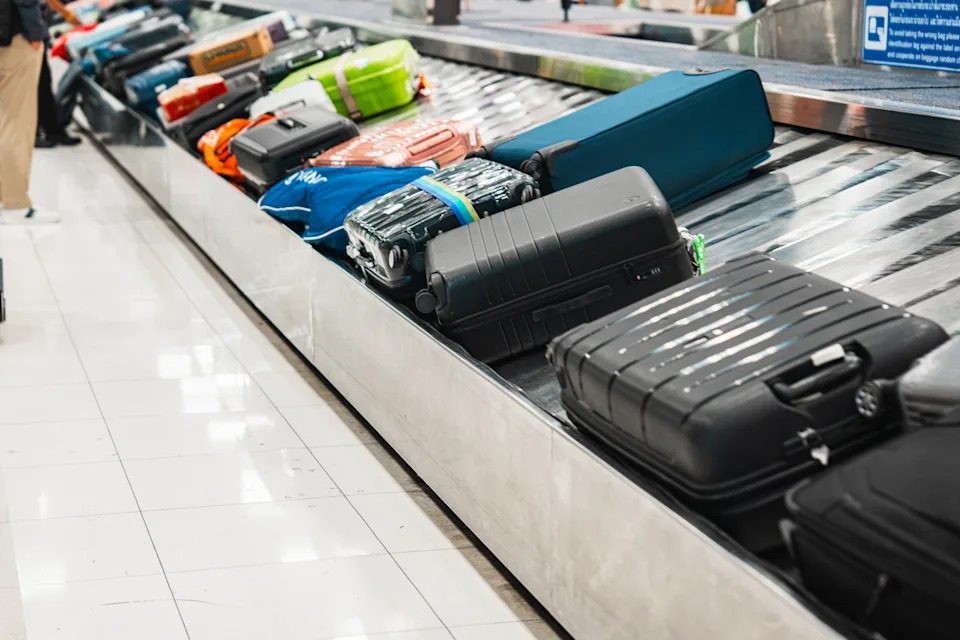
- Baggage fees: Checked bags can easily add $60–$150 per person round-trip. Some low-cost carriers even charge for carry-ons. Timing matters: paying for bags at booking is usually cheapest; paying at the airport or gate can be brutal.
- Seat selection: Basic economy fares look cheap, then hit you with $30–$50 each way per person for seat choice. Sometimes upgrading to the next fare class (that includes seats) is actually cheaper overall.
- Airport access: Parking, rideshares, shuttles, or trains to and from the airport can quietly erase the savings of a “cheaper” flight from a distant airport.
- Connection costs: That ultra-cheap flight to a “budget” destination may require an overnight in a hub city, extra meals, or a hotel near the airport.
How I budget this per day
I don’t pretend these are separate from my daily budget. I spread them out so my daily spending money for vacation reflects the real cost of getting there.
Example: Say your total “getting there” cost is:
- Flight: $600
- Bags + seats: $120
- Airport parking/transport: $80
Total: $800.
If you’re going for 10 days, that’s $80/day before you’ve even bought a coffee. I add that $80 to my daily budget so I’m not lying to myself about what the trip really costs.
Practical moves
- Compare airlines on total cost with bags and seats, not just the base fare.
- Pay for bags at booking if you must check—never at the gate.
- Pack to carry-on only when possible; volunteer to gate-check for free when overhead bins are full.
- Always add airport access (parking, train, Uber) into your flight comparison.
3. Visas, Tourist Taxes, and “Mandatory” Hotel Fees
Next leak: the money you pay just to be allowed in the country or in your hotel room. This is where a lot of cheap holiday hidden fees live.
Country and destination fees
- Visas and entry fees: Some destinations charge $20–$100+ per person just to enter. Others (like the EU’s upcoming ETIAS system) add smaller but unavoidable fees.
- Special zones and islands: Places like the Galápagos or certain national parks have layered fees—park entry, conservation taxes, local permits.
- Tourist taxes: Many cities now add a nightly per-person tax on accommodation, often collected at check-in and not shown in the headline price.
Hotel “junk fees”
- Resort fees / destination fees / urban amenity fees: $20–$50+ per night, mandatory, often not included in the advertised rate.
- Cleaning fees on rentals: A $60 cleaning fee on a two-night stay is $30/night extra. On a week-long stay, it’s under $10/night. Same fee, very different impact.
- Paid Wi‑Fi: Still a thing in some hotels, especially if you don’t join their loyalty program.
How I budget this per day
I treat all of these as part of my real nightly rate and then convert that into a daily number. It’s a simple budget travel cost breakdown that keeps me honest.
Example: Hotel shows $100/night for 5 nights.
- Resort fee: $30/night → $150 total
- Tourist tax: $5/night → $25 total
- Total lodging cost: (5 × $100) + $150 + $25 = $675
Real nightly cost: $675 ÷ 5 = $135/night, not $100.
If I’m doing a 10-day trip with 5 nights here and 5 nights elsewhere, I spread that $675 over the full 10 days: $67.50/day for this hotel. That keeps my resort fees and tourist taxes from turning into surprise charges later.
Practical moves
- Before booking, Google:
Hotel Name + resort fee
ordestination fee
. - Favor booking sites that show total price with taxes and fees.
- For rentals, divide cleaning fees by number of nights and compare the real per-night cost, not just the base rate.
- Join free hotel loyalty programs to unlock Wi‑Fi and sometimes reduced fees.
4. Local Transport, Convenience Spending, and Tourist Zones
Even in “cheap” countries, moving around can be surprisingly expensive—especially if you value your time and sanity. This is where a lot of travel cost overruns sneak in.

Where cheap destinations get expensive
- Weak infrastructure: Buses that don’t run on time, trains that don’t exist, or routes that require multiple changes. You end up paying for taxis or private transfers.
- Domestic flights: That $25/day country might require a $150 internal flight to reach the “cheap” beach town.
- Rental cars: Quotes can jump 50–80% after taxes, insurance, and add-ons. And you still pay for fuel, tolls, and parking.
- Tourist zones: Eat and drink where the tourists are, and you’ll pay 2–3× local prices without realizing it.
The convenience premium
When we’re tired, hot, or lost, we pay for convenience:
- Taxis instead of buses
- Restaurant meals instead of groceries
- Third-party booking sites instead of direct bookings
None of these are wrong. But they need to be in the budget if you want to avoid classic travel budget mistakes.
How I budget this per day
I create a daily transport + convenience line in my budget, separate from big-ticket flights:
- City with good transit: $5–$10/day
- Car-heavy destination: $20–$40/day (including fuel, parking, tolls)
- Remote or island areas: I add any domestic flights or ferries, then divide by trip length to get a per-day number
Then I add a small convenience buffer of $5–$15/day, depending on how likely I am to say, Forget it, let’s just grab a taxi.
Practical moves
- Book lodging near a transit line or walkable area, even if the nightly rate is slightly higher. It often saves money overall.
- Plan one or two
taxi days
(arrival, late nights) and keep the rest transit-based. - Eat one or two blocks away from the main tourist strip; prices often drop dramatically.
5. Food, Snacks, and the “Small Stuff” That Adds $40–$80/Day
This is the category that quietly wrecks most budgets. Not the big dinners you remember, but the constant drip of small
purchases that never make it into your mental daily travel budget.
The real food pattern
On a typical travel day, I might buy:
- Coffee + pastry in the morning
- Snack or drink mid-morning
- Lunch out
- Afternoon ice cream or café stop
- Dinner out
- Random water bottles, metro snacks, maybe a late-night bite
Individually, none of these feel expensive. Together, they can easily hit:
- Solo traveler: $40–$70/day in many cities
- Couple: $70–$120/day
- Family: $175–$300/day, especially in resort or theme park areas
How I budget this per day
I don’t use city averages like Meals in Paris: $X.
Instead, I budget by pattern so my daily spending money for vacation matches how I actually eat:
- Decide how many meals I’ll eat out vs. self-cater.
- Assign a realistic number to each: cheap, mid-range, or splurge.
- Add a snack + coffee line of $5–$15/day.
Example for a mid-range city as a solo traveler:
- Breakfast: groceries / hotel → $5
- Lunch: casual café → $12
- Dinner: sit-down restaurant → $25
- Coffee/snacks/water: $10
Total food budget: $52/day.
If I’m staying somewhere with a kitchen and free breakfast, I might drop that to $35–$40/day. If I know I’ll be in a high-cost city or doing lots of sit-down dinners, I might push it to $60–$70/day.
Practical moves
- Choose lodging with free breakfast or a kitchen; it can save more than a cheaper room without those perks.
- Set a daily snack budget and track it for the first two days—you’ll quickly see your pattern.
- Plan a couple of
cheap food days
(picnics, groceries, street food) after big splurge dinners.
6. Health, Insurance, and Banking: The Costs You Don’t See on Instagram
These are the costs we don’t like to think about, but they’re very real—especially for long-haul or developing-world trips. Ignore them, and your realistic daily travel budget will be off from day one.
Health-related costs
- Vaccinations: Depending on where you’re going, you might need shots that cost $50–$200+.
- Malaria/dengue precautions: Medication, repellents, and gear add up.
- Travel insurance: More expensive for countries with weaker healthcare or for adventure activities.
Banking and currency
- ATM fees: Both your bank and the local bank may charge per withdrawal.
- Foreign transaction fees: 1–3% on every card purchase if you don’t have a no-fee card.
- Bad exchange rates: Airport kiosks and
no fee
exchanges often bake the cost into the rate.
How I budget this per day
For one-off costs (vaccines, insurance), I treat them like flights: I spread them across the whole trip.
Example:
- Vaccines: $150
- Travel insurance: $80
- Total: $230
On a 10-day trip, that’s $23/day. On a 30-day trip, it’s under $8/day. Longer trips make these fixed costs more efficient.
For banking, I assume a 1–2% friction cost on all spending unless I’m using a no-fee card and fee-free ATMs. If my total trip budget is $2,000, I mentally add $20–$40 for banking friction. It’s a small line item, but it keeps my vacation budget planning guide realistic.
Practical moves
- Get a no-foreign-transaction-fee credit card before you travel.
- Use ATMs from major banks and withdraw larger amounts less often to reduce per-withdrawal fees.
- Check whether your existing health or credit card insurance already covers some travel risks before buying extra policies.
7. Building a Realistic Daily Budget (That Matches How You Actually Travel)
Now for the important part: turning all of this into a daily number you can trust. This is how I calculate a trip daily budget that doesn’t fall apart halfway through the vacation.

I like a simple three-tier system (inspired by tools like the ones on TripMintLab):
Tier 1 – Bare Minimum (Functional, Not Fancy)
- Hostels or very basic guesthouses
- Groceries and street food
- Public transit only
- Mostly free activities
This is the I’m here to stretch every dollar
mode.
Tier 2 – Realistic Comfort (What Most People Actually Want)
- Private room in a budget hotel or rental
- Mix of eating out and self-catering
- Public transit + occasional taxis
- Some paid attractions and experiences
This is my default. It’s sustainable and still feels like a vacation.
Tier 3 – Easy Mode (Splurge Days)
- Nice hotels
- Mostly eating out
- Plenty of taxis and convenience
- Premium experiences (tours, shows, activities)
How to build your daily budget step by step
- List your categories:
- Flights + long-distance transport
- Accommodation (with all taxes/fees)
- Local transport
- Food & drinks
- Activities & attractions
- Health & insurance
- Banking & misc.
- Assign a tier to each day: Maybe arrival and a special event are Tier 3, a couple of recovery days are Tier 1, and the rest are Tier 2.
- Put real numbers on each category per day: Don’t use city averages; use your own comfort level and habits. This is your personal budget travel cost breakdown, not anyone else’s.
- Add the fixed costs and spread them out: Flights, visas, insurance, big one-off tickets—divide by the number of days so your realistic daily travel budget includes them.
- Add a buffer: If your target is $100/day, plan $90 and add a $10 buffer. That way, small overruns don’t wreck the trip.
When I do this honestly, something interesting happens: the trip feels less stressful. I’m not constantly thinking, Am I overspending?
because I already accounted for the real costs and the usual travel cost overruns.
8. The Real Question: Is It Actually Cheap for You?
In the end, the question isn’t Is this a cheap destination?
It’s:
Is this destination cheap for the way I actually travel?
If you hate overnight buses, need A/C, prefer private rooms, and love eating out, then a $25/day
country might cost you $60–$80/day in practice. And that’s fine—as long as you plan for it and don’t fall for the marketing version of the actual cost of a cheap vacation.
So before you book the next “bargain” trip, walk through these steps:
- Assume a 20% shadow cost on flights, hotels, and cars until you see the final price.
- Spread all fixed costs (flights, visas, insurance) across your total days.
- Build a daily budget by category, based on your real habits—not someone else’s backpacker fantasy.
- Mix Tier 1, 2, and 3 days on purpose, instead of drifting into overspending.
Do that, and your “cheap” vacation might still be cheap. More importantly, it will be predictable. And a predictable trip, in my experience, feels a lot richer than a surprise-expensive one.