

I love a quick city break. Two or three nights, a new skyline, a different language on the tram. But every time I sit down afterwards and add up what I actually spent, I end up thinking: How on earth did that ‘cheap’ weekend cost so much?
If you’ve ever felt the same, this guide is for you. Let’s walk through the hidden costs of city breaks – from local taxes and transit passes to restaurant tricks and tourist traps – and how to dodge them or at least keep them under control.
1. The City-Break Illusion: Why Short Trips Feel Cheap but Aren’t
Here’s the basic trap: short trips concentrate fixed costs.
Most city-break price comparisons (like the Post Office City Cost Barometer used in this analysis of expensive European cities) assume something like two nights for two people. That sounds manageable. But look at what’s crammed into those 48 hours:
- Return flights or train tickets
- Hotel for 2–3 nights (often at peak weekend rates)
- Airport transfers or taxis
- Transit passes you won’t fully use
- Attraction tickets, often bought at walk-up prices
On a longer trip, those fixed costs are spread over more days. On a weekend city break, they’re compressed into a couple of nights, so your cost per day rockets. That’s where the hidden costs of city breaks really bite.
Take Nice as an example. According to the research, a typical two-night city break for two can run around $730, with a mid-range three-course dinner easily topping $90 (without drinks). That’s before you’ve even looked at museum tickets or a day trip along the Riviera.
The same pattern shows up in the 2025 rankings of expensive city breaks: Oslo, Copenhagen and Edinburgh all come out pricy when you bundle just a couple of nights
of hotels, meals, drinks, sightseeing and public transport. The trip feels short and therefore affordable. The spreadsheet disagrees.
Takeaway: A weekend can cost almost as much as a week if you’re not careful. When you compare destinations, compare the total trip cost, not just the number of nights.
2. Local Taxes: The Invisible Surcharge on Every Night’s Sleep
One of the biggest hidden costs of city breaks is something you rarely see in the headline price: tourist and hotel taxes.
In Europe, city tourist taxes average around $4.66 per person per night. For a family of four over a week, that’s roughly $130 added to the bill. On a short break, it’s less in absolute terms, but the per-night impact is huge.
Popular city-break destinations like Amsterdam, Paris and Venice are notorious for this. You might find a decent-looking hotel rate, only to discover at checkout that you owe a chunky city tax that was buried in the small print. The same thing is happening across the Atlantic: in the US, hotel taxes (bed, occupancy, transient accommodation taxes) now average about 15.22% nationwide, with places like Washington DC and Hawaii pushing even higher.
Here’s the problem for weekend city breaks: you’re often staying in the most central, most touristy areas – exactly where these taxes are highest. And because you’re only there for a couple of nights, you’re less likely to bother with cheaper suburbs.
So what can you do to keep these unexpected city break expenses in check?
- Always click through to the final price before booking. Don’t trust the first nightly rate you see.
- Compare cities on total cost, not just base room rate. A slightly more expensive hotel in a lower-tax city can be cheaper overall.
- Watch out for cleaning fees on rentals. A typical vacation rental cleaning fee of around $68 per stay can make a two-night apartment worse value than a hotel.
- Consider suburbs or satellite towns if transit is cheap and frequent. In some US cities, people are already shifting stays to avoid the highest hotel taxes.
Takeaway: City and tourist taxes are not optional. Build them into your budget from the start, or they’ll ambush you at checkout.
3. Transit Traps: Passes, Airport Transfers and the Just Grab a Taxi
Problem
Transit is where a lot of city-break budgets quietly bleed out. Not because buses and trams are always expensive, but because we buy the wrong things and use them badly.
When I’m planning a city trip now, here’s what I watch for.
Overbuying passes
Many cities sell 24–72 hour transit passes. They look like great value, especially when bundled with attractions. But on a short break, you might only use them for a couple of rides a day.
Before you buy, ask yourself:
- How many rides will I realistically take each day?
- Is the city walkable enough that I’ll mostly be on foot?
- Does my pass cover airport transfers, or is that extra?
In compact cities like Ghent, Perugia or Ljubljana, you may not need a pass at all. In sprawling or expensive cities (Oslo, Copenhagen), a pass can be worth it – but only if you plan your days around using it. Otherwise, those city break transport costs quietly pile up.
Airport transfers that quietly double your flight cost
Cheap flights often land you at nearby
airports that are anything but. By the time you’ve paid for a shuttle, train or taxi, your bargain fare doesn’t look so clever.
Before you book, check:
- How far is the airport from the city centre?
- What does the cheapest realistic transfer cost (not the slowest, most awkward one)?
- Does arriving late at night force you into a taxi?
Destinations like Kotor, for example, are reachable from multiple airports (Tivat, Podgorica, Dubrovnik). The flight price is only half the story; the transfer cost and time can completely change the real value of your city break.
The taxi temptation
On a short trip, time feels more valuable than money. That’s when the let’s just grab a taxi
reflex kicks in. Do that a few times in an expensive city and you’ve blown the budget you thought you had for a nice dinner.
Takeaway: Treat transit like a line item, not an afterthought. Add airport transfers, passes and a realistic number of taxis into your pre-trip budget, then decide if the city still looks cheap.
4. Restaurant Rules, Service Charges and Tourist Menus
Food is where city breaks can be magical – and ruinous. In some places, the hidden costs are baked into the culture.
From the data on hidden European travel costs, a typical dinner might average around $34 per person, with a 10% service charge often added automatically. Over a week, a family can easily spend close to $95 just on tips. On a two- or three-night break, that’s still a noticeable chunk of change.
In expensive cities like Nice, Copenhagen or Oslo, the pain is sharper. A mid-range three-course dinner for two in Nice can exceed $90 without drinks. In Oslo, basic meals and beverages can cost roughly double what you’d pay in Eastern Europe. That’s how a supposedly budget city break cost guide can suddenly feel very theoretical.
Here’s how I keep restaurant costs under control without living on supermarket sandwiches:
- Check for automatic service charges. If 10–15% is already added, you don’t need to tip on top unless service was exceptional.
- Avoid the most obvious tourist strips. If the menu is in six languages and there’s a tout outside, you’re paying a premium.
- Flip your main meal to lunch. Many European cities offer cheaper set menus at lunchtime. Eat big at noon, go lighter in the evening.
- Use markets and street food. In Riga, for example, you can eat well at the market for a fraction of restaurant prices – samsas under £2 are mentioned in the research.
- Watch the drinks. Alcohol is where bills explode in Scandinavia and some Western capitals. One glass of wine less per person per night over a weekend can pay for a museum ticket.
Takeaway: You don’t have to avoid eating out. You just need to be deliberate about where and when you do it.
5. Tourist Traps vs. Real Value: When Expensive Cities Are Still Worth It
Not every high price is a rip-off. Some cities are expensive because they’re genuinely extraordinary. The trick is to pay for what’s truly worth it and skip the rest – and to recognise the tourist traps in cheap city destinations as well as the obvious ones in famous capitals.
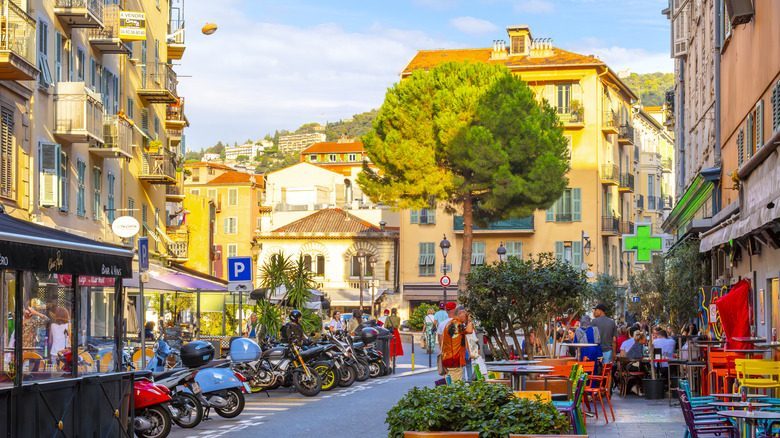
Take Nice and Florence. Both are highlighted as costly but culturally rich. Nice has the Riviera setting, beaches, museums and seasonal events like the February carnival. Florence is a dense hit of Renaissance art and architecture. You’re not going to these places for cheap beer; you’re going for world-class experiences.
So how do you avoid feeling fleeced?
- Time your visit. Nice in winter or shoulder season is far cheaper, still mild, and you get Christmas markets and carnival without peak-summer prices.
- Use city or regional passes strategically. The French Riviera Pass, starting around $35, can make sense if you’re hitting multiple museums and attractions. If you’re mostly wandering and people-watching, skip it.
- Pick a few paid highlights. In Florence, maybe you pay for the Uffizi and the Duomo climb, then spend the rest of your time exploring churches, markets and viewpoints that are free or cheap.
- Hunt for low-cost
hidden gems
. In Oslo, the Bygdøy Peninsula and hikes like Vettakollen offer big experiences without big ticket prices. In Copenhagen, events like Culture Night open museums late with free or cheap entry.
The same logic applies to Edinburgh. It’s one of the most expensive city breaks in Europe, especially in summer and during major festivals. But if you target shoulder seasons and specific events, you can get a lot of culture for your money.
Takeaway: Expensive cities can still be good value if you’re paying for depth (culture, scenery, unique events), not just convenience and clichés.
6. Cheap Cities That Aren’t So Cheap – and Vice Versa
Here’s where it gets interesting. Some destinations have a reputation for being budget-friendly, but your city-break bill tells a different story. Others look pricey on the map but turn out to be surprisingly kind to your wallet.
Cost surveys show a clear pattern when you compare the true city break price breakdown:
- High-cost but high-value: Oslo, Copenhagen, Edinburgh, Nice, Florence.
- Genuinely budget-friendly: Riga, Vilnius, Warsaw, Podgorica, Kraków, Gdańsk, Brasov, Eger, Rijeka, Ljubljana, Bratislava.
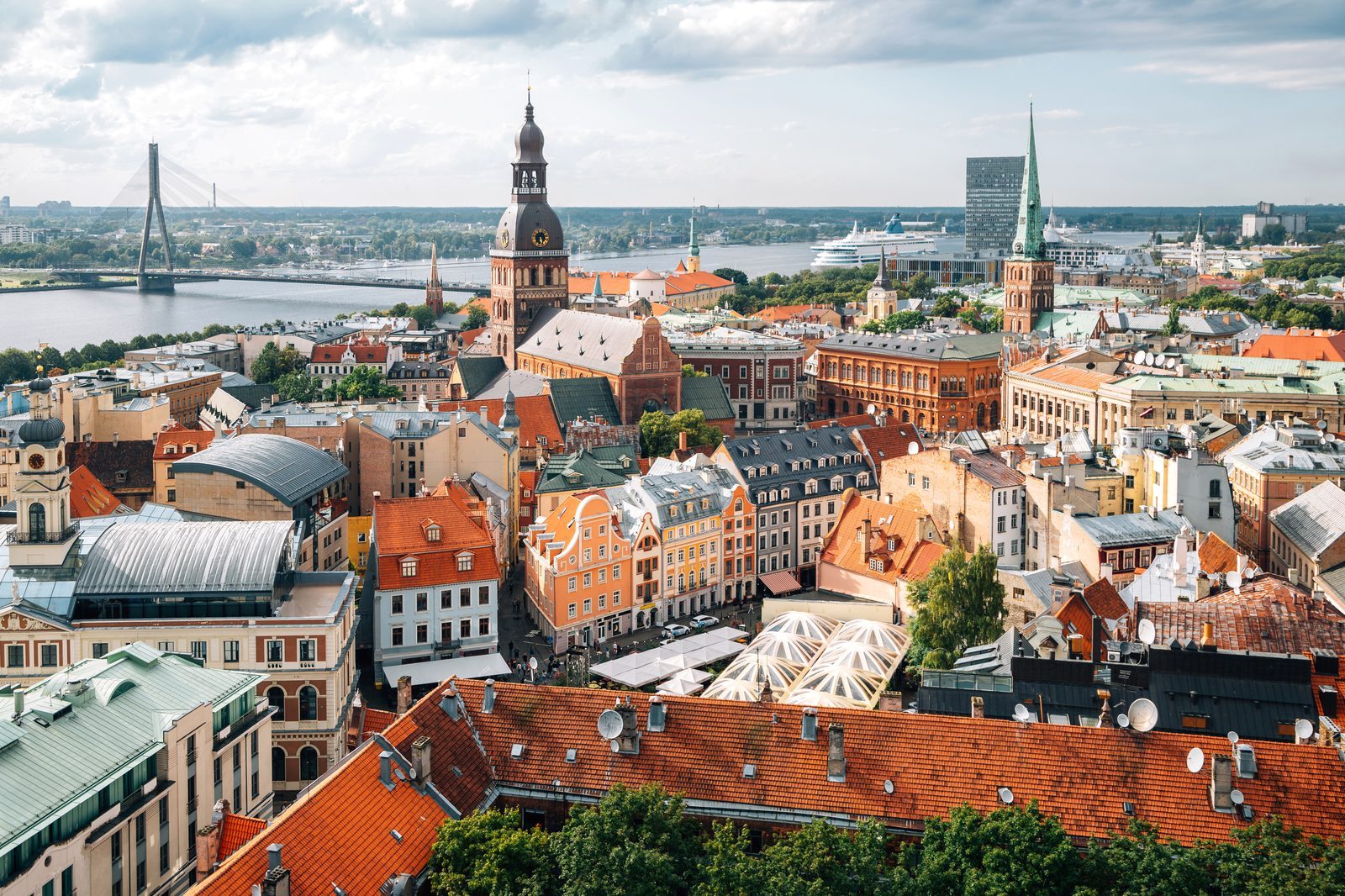
In places like Riga or Vilnius, you can still have a full city-break experience for under about £300 according to the Post Office data. You get architecture, cafés, nightlife, and even day trips (like Jurmala beach from Riga) without the financial hangover.
Then there are the underrated alternatives that give you the vibe of a famous city without the price tag:
- Ghent instead of Bruges – canals, medieval core, strong street art and nightlife, but fewer tourists and better prices.
- Perugia instead of Florence – medieval hilltop charm, chocolate, truffles and jazz, with lower costs and easy train links.
- Eger instead of Budapest – thermal baths, wine cellars and a castle, at a fraction of the capital’s prices.
- Rijeka instead of Dubrovnik – Adriatic access, Habsburg architecture and cheaper nearby islands.
- Ljubljana instead of Copenhagen – clean, calm, café culture and riverside walks, but much lower overall costs.
Takeaway: If your budget is tight, don’t just shorten the trip. Switch the city. A full, relaxed weekend in Riga or Kraków often beats a rushed, anxious 36 hours in Oslo.
7. Timing, Tech and Tiny Fees: The Small Stuff That Adds Up
Finally, the micro-costs. None of these will break your trip alone, but together they can easily turn a cheap
city break into an expensive one.

Timing is everything
Across Europe, the biggest price driver isn’t the city – it’s when you go. June–August, Christmas and major local festivals send hotel and flight prices soaring. The sweet spots are usually:
- March–April (avoiding Easter if you can)
- October–November
- January–February (post-Christmas lull)
In Edinburgh, for example, avoiding August (Fringe Festival) and New Year can cut your accommodation costs dramatically. In Nice, winter brings lower prices but still pleasant weather. Get the timing right and a cheap city break that becomes expensive can suddenly swing back in your favour.
Roaming and connectivity
For US travelers especially, mobile roaming is a classic hidden cost. A typical roaming pass might be $10–$15 per day, or around $35 for a 10-day pass. For a family, that can easily top $100 per trip.
On a short city break, that’s a big percentage of your total spend. A travel eSIM or local SIM is often cheaper and more flexible. It’s not glamorous, but it’s one of the easiest savings you can make.
New entry fees and paperwork
From 2026, Americans visiting many European countries will need an ETIAS visa waiver, costing about $23 per adult (minors and seniors exempt). It’s not huge, but it’s another fixed cost that hits short trips harder than long ones.
Cleaning fees and minimum stays
Vacation rentals often look cheaper per night than hotels, but cleaning fees and minimum stays can flip the equation. A $68 cleaning fee on a two-night stay is effectively $34 per night on top of the advertised rate. For city breaks, I often find that a simple, central hotel is better value and less hassle.
Takeaway: The small stuff is only small if you count it. Add roaming, entry fees and cleaning charges into your planning, and you’ll make better decisions about where to stay and how long to go for.
8. How to Make Your Next City Break Actually Affordable
When I plan a city break now, I don’t start with flight prices or Instagram photos. I start with a few blunt questions:
- What’s the total cost per day, including taxes and transfers?
- Is this city expensive because it’s truly special, or just because it can be?
- Could I get 80% of this experience in a cheaper, less obvious city?
- Am I going at the most expensive possible time?
If the answers don’t look good, I change something: the city, the dates, the neighbourhood, or the length of stay. That’s how you avoid the classic weekend city break budget mistakes.
City breaks will probably never be the cheapest way to travel. But they don’t have to be financial ambushes. Once you understand how local taxes, transit fees and tourist traps work – and you factor in the real local transit costs for city trips – you can design weekends that feel indulgent without being reckless.
Next time you see a cheap weekend in Europe
deal, don’t just ask what it costs to get there. Ask what it will cost to be there. That’s the real hidden cost of city breaks – and the one you can actually control.