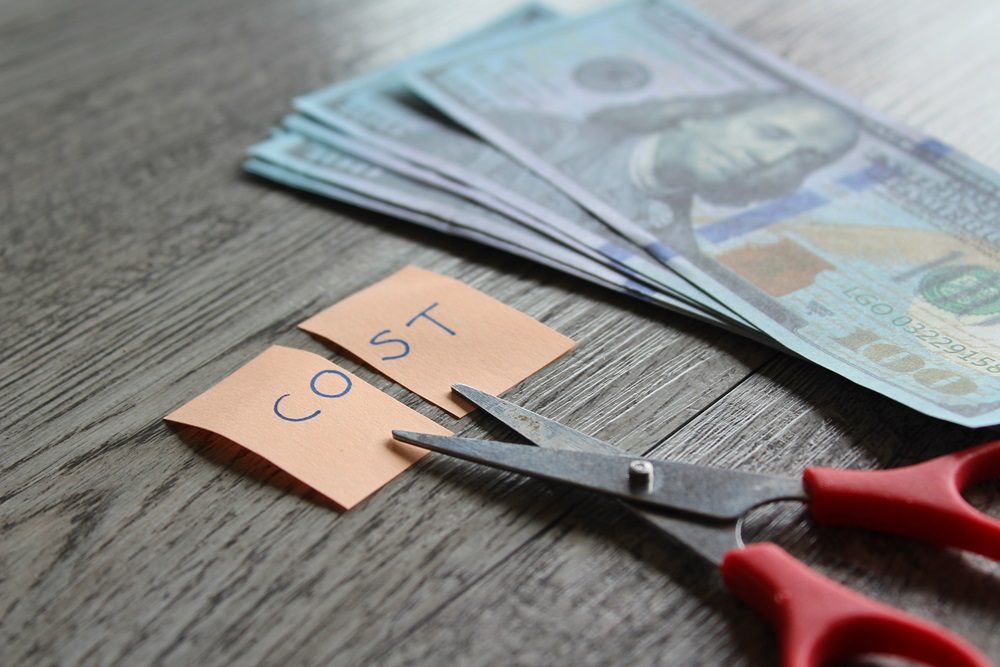
I’ve yet to meet a finance leader who says, “Our travel budget is always spot on.” Most of us underestimate it. Not because we’re bad at math, but because corporate travel is full of quiet, compounding costs that never show up in the glossy flight quote or hotel confirmation.
This isn’t just about the odd airport snack. It’s about structural leaks in how we book, pay, and police travel. Leaks that can easily add 10–30% to your annual spend without anyone noticing.
In this guide, we’ll walk through the most common hidden costs of corporate travel, why they exist, and the specific policies and tools that actually plug them. As you read, ask yourself a simple question: If we doubled our travel volume tomorrow, how much of this would spiral out of control?
1. The Illusion of the “All-In” Fare
Let’s start with the biggest lie in business travel: the idea that the ticket price or nightly rate you see is all in
. It almost never is.
Airlines and hotels have quietly shifted to an unbundled model. The base price looks attractive, but the real cost lives in the fine print and in a long list of corporate travel fees and surcharges.
- Airline extras: checked bags, cabin baggage beyond a tiny allowance, seat selection, priority boarding, same-day changes, even printing a boarding pass at the airport in some cases.
- Hotel add-ons: resort fees, Wi‑Fi, parking, early check-in, late checkout, minibar, room service,
mandatory
service charges, and local taxes that weren’t obvious at booking. - Booking channel fees: online travel agencies, legacy TMCs, and some corporate tools add per-ticket or per-change fees that rarely show up in the initial quote.
The problem isn’t just the fees themselves. It’s that they’re scattered across different invoices and expense reports. Finance sees a cheap fare in the booking tool, then a wave of small
charges in the expense system. Individually harmless. At scale, brutal.
These are the classic business travel hidden charges that quietly push trips over budget.
How to tackle it:
- Mandate that travelers book only through a centralized platform that shows total trip cost, not just base fares.
- Define in your policy which airline and hotel extras are reimbursable (e.g., one checked bag, standard seat, basic Wi‑Fi) and which are not.
- Track ancillary fees as separate categories so you can see which carriers and hotels are the worst offenders for airline ancillary fees for business travel and hotel surcharges.
If you’re curious how others frame this, tools like ITILITE and WorkTrips talk a lot about surfacing these hidden extras.

2. Change Fees, Cancellations, and the Flexibility Trap
Corporate travel is messy. Meetings move, deals slip, people get sick. Yet many companies still default to the cheapest, least flexible fares and non-refundable hotel rates. On paper, it looks like savings. In reality, it’s a flexibility trap.
Here’s what usually happens:
- You book a non-refundable ticket because it’s $80 cheaper.
- The meeting shifts by a day.
- You pay a change fee, fare difference, and possibly a rebooking fee from your agency or platform.
Multiply that by dozens of trips and you’ve just turned savings
into a recurring penalty. This is one of the most common corporate travel expense traps.
Where the hidden costs hide:
- Airline change/cancel fees: especially on lower fare classes.
- Agency or platform change fees: per modification, even if the airline itself is flexible.
- Hotel no-shows and late cancellations: one missed cancellation window can wipe out the savings of booking non-refundable rates all year.
Policy moves that actually help:
- Allow slightly higher upfront spend on flexible fares for travelers with volatile schedules. Over a year, it’s often cheaper than constant change fees.
- Set clear rules: for example,
Non-refundable fares only for fixed events (conferences, trainings) booked 30+ days out.
- Use a platform that lets you filter by flexibility and shows the expected cost of changes before you book.
Platforms like GetGoing and Tumodo emphasize this: flexibility is a cost lever, not a luxury, and a key part of corporate travel cost control strategies.
3. Foreign Transaction Fees, FX Spread, and Roaming Shock
International trips are where the micro-charges really pile up. The flight and hotel might be approved, but the financial plumbing behind every swipe and call quietly eats your margin.
Three big culprits:
- Foreign transaction fees: Many corporate cards charge 2–3% on every non-domestic transaction. On a $2,000 trip, that’s $40–60 gone before you even look at exchange rates.
- FX spread: Banks often bake a hidden margin into their exchange rate. You don’t see it as a fee, but it’s there.
- Roaming and data: A few days of unmanaged roaming can cost more than the hotel. Especially if travelers tether laptops or join long video calls.
Most companies don’t track these separately. They just show up as slightly higher card statements and vague telecom
costs. In a business travel cost breakdown, they’re almost always underestimated.
What to do differently:
- Audit your corporate cards. If they charge foreign transaction fees, negotiate or switch. Some cards are explicitly built for cross-border spend.
- Educate travelers on cash advances and ATM fees. Those
just in case
withdrawals can carry brutal charges. - Standardize roaming: corporate eSIMs, negotiated roaming packages, or local SIMs for frequent travelers.
- Use modern expense tools with real-time FX visibility so finance can see the true cost per trip, not just the headline numbers.
There’s a good breakdown of this in this AppKod article, which makes a simple point: if you don’t understand your financial tools, you’re donating margin to banks.

4. Incidentals, Local Transport, and the “Small Stuff” That Isn’t
Most travel budgets are built around flights and hotels. Everything else gets thrown into a vague per diem
or miscellaneous
bucket. That’s where the real surprises live.
Think about a typical three-day trip:
- Airport transfers both ways.
- Daily rides between hotel, office, and client sites.
- Snacks, coffees, tips, laundry, in-room or in-flight Wi‑Fi.
- Parking at the home airport or city center.
Individually, none of these look scary. But if you don’t explicitly plan for them, they blow up your budget and create friction with employees who don’t know what’s covered.
This is where corporate travel policy cost leaks show up most often.
Where companies stumble:
- No clear rules on ground transport: Uber vs. taxis vs. public transport vs. rental cars.
- Vague guidance on meals and incidentals: Is room service okay? What about client entertainment?
- Zero planning for connectivity: Travelers buy expensive day passes or hotel Wi‑Fi because they have no alternative.
How to make the small stuff predictable:
- Write a simple, explicit section in your travel policy:
We cover X, Y, Z. We don’t cover A, B, C.
- Set realistic per diems by city or region, not a single global number.
- Centralize ground transport where possible (e.g., corporate accounts with ride-hailing or shuttle providers).
- Include Wi‑Fi and roaming in your planning. It’s not a luxury; it’s a cost of doing business.
Companies like WorkTrips and GetGoing repeatedly highlight this: incidentals aren’t incidental at scale.

5. Rogue Bookings, Manual Processes, and the Data Black Hole
Even if your policy is perfect on paper, it’s useless if people ignore it or if you can’t see what they’re doing. This is where unmanaged or semi-managed travel quietly destroys budgets.
Rogue bookings: Employees book outside your preferred tools because they think they’re finding a better deal, chasing loyalty points, or just doing what’s convenient. The result?
- You lose negotiated discounts with airlines and hotels.
- You can’t track where people are (duty of care risk).
- You get a mess of receipts, currencies, and formats in finance.
In other words, managed vs unmanaged corporate travel costs aren’t just a theoretical comparison. You feel the difference in every reconciliation cycle.
Manual expense reporting: Spreadsheets, paper receipts, and email approvals don’t just waste time. They hide patterns. You can’t see which routes are overpriced, which hotels are creeping up, or which teams are consistently off-policy.
As TripSmart and Enterprise League point out, this isn’t just about money. Poor tracking can create tax, immigration, and compliance risks too.
What a grown-up setup looks like:
- One or two approved booking channels, enforced by policy and technology.
- An integrated travel + expense system that captures bookings, receipts, and approvals in one place.
- Real-time dashboards for finance and leadership: spend by team, route, vendor, and traveler.
- Automated policy checks: flagging out-of-policy bookings before they’re ticketed, not after the fact.
When you centralize, you unlock leverage: better vendor negotiations, smarter route planning, and the ability to say no
with data, not gut feel. That’s how you stop corporate travel budget overruns before they happen.

6. The Hidden Cost of Time, Burnout, and Compliance Risk
Not every cost shows up on a P&L line. Some of the most expensive parts of corporate travel are invisible: wasted time, missed opportunities, and people quietly burning out.
Time as a hidden budget line:
- Employees spending hours hunting for flights and hotels instead of doing their actual jobs.
- Managers approving expenses manually, chasing receipts, and reconciling reports.
- Finance teams cleaning up messy data instead of analyzing it.
All of this is part of your business travel cost breakdown, even if it never appears as a neat line item.
Burnout and turnover: Poorly planned itineraries, constant last-minute changes, and cheap-but-inconvenient options (red-eye flights, distant hotels) might look frugal. In reality, they drive fatigue, mistakes, and eventually attrition. Replacing a burned-out employee is far more expensive than a decent hotel.
Compliance and duty-of-care risk:
- Overstaying in certain countries can trigger tax residency or immigration issues.
- Lack of visibility into where people are can become a legal and reputational problem in a crisis.
- Loose policies around alcohol, entertainment, or gifts can create regulatory headaches.
These aren’t theoretical. They’re the kind of issues that show up years later, often with interest.
How to price these into your decisions:
- Factor productivity into your travel choices. A slightly more expensive direct flight can be cheaper than a multi-stop itinerary that wipes out a day of work.
- Build duty-of-care into your travel program: location tracking, emergency contacts, and clear rules for high-risk destinations.
- Use tools that automate the boring parts (receipt capture, mileage tracking, policy checks) so humans can focus on judgment, not admin.
7. Building a Travel Policy That Actually Works (and Gets Used)
Most travel policies fail for one of two reasons: they’re either too vague or too rigid. Both create hidden costs and open the door to corporate travel policy mistakes.
Too vague: Employees guess what’s acceptable. Some overspend. Others underspend and suffer through miserable trips. Finance gets inconsistent data and constant exceptions.
Too rigid: People work around the system. They book outside the tool, hide costs in other categories, or simply stop traveling when they should.
The sweet spot is a policy that’s clear, practical, and embedded in your tools. Think of it less as a rulebook and more as a set of guardrails.
Key elements to include:
- Booking windows: e.g.,
Domestic trips must be booked at least 14 days in advance; international, 30 days.
- Class of service: economy by default, with defined exceptions (flight duration, seniority, medical needs).
- Preferred vendors: airlines, hotels, and car rentals where you have deals or loyalty benefits.
- Expense rules: what’s covered, what’s not, and what requires pre-approval.
- Education: short, recurring training for travelers on how to use the tools and what the rules mean in practice.
Tools like Tumodo, ITILITE, and others let you embed these rules directly into the booking flow. That’s the real unlock: policy as a guardrail, not a PDF, and a practical way of reducing hidden corporate travel costs.
8. Turning Hidden Costs into a Strategic Advantage
Here’s the uncomfortable truth: most companies will keep leaking money on travel because the leaks are small, distributed, and politically boring. No one gets promoted for fixing baggage fees.
But if you’re willing to look under the hood, there’s real upside. You can:
- Cut 10–20% of your travel spend without cutting trips.
- Make travelers happier and safer.
- Give finance and leadership real-time visibility into one of your biggest discretionary costs.
That’s the difference between reactive corporate travel cost control strategies and a proactive, data-led approach.
If you do nothing else after reading this, do these three things:
- Audit your last 6–12 months of travel spend. Separate base fares/rates from fees, extras, and FX. See where the leaks really are and how much of your budget goes to hidden items.
- Pick one or two high-impact policy changes. For example, enforce booking windows and standardize baggage rules. Don’t try to fix everything at once.
- Centralize your tools. Move toward a single source of truth for bookings and expenses, even if it’s a phased rollout.
Corporate travel will never be perfectly predictable. But it doesn’t have to be a black box. The more you drag these hidden costs into the light, the more your budget stops being a guess and starts being a decision.
And that’s the real goal: not to travel less, but to travel smarter.