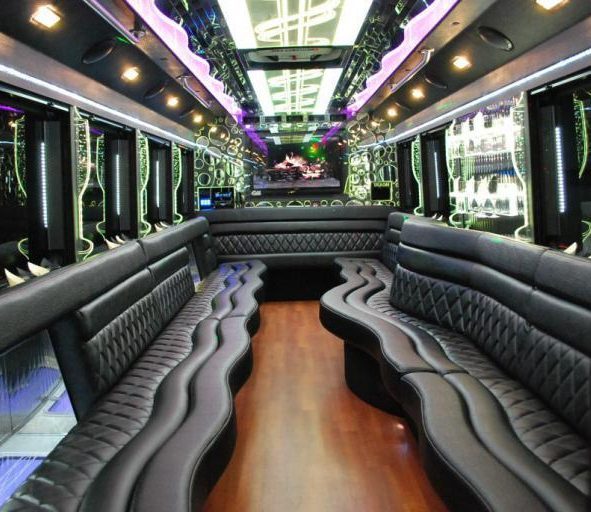
I love a good gimmick as much as anyone. Neon lights, onboard DJs, panoramic windows, retro train cars – it all sounds like the perfect way to turn getting there
into part of the party.
But when you actually run the numbers, a pattern shows up fast: the fun ride quietly eats the budget. Not always because the headline price is outrageous, but because the real costs hide in the fine print, the timing, and the way we plan (or don’t).
Let’s walk through how party buses, themed trains, and scenic detours blow up a trip budget – and how to enjoy them without waking up to a nasty credit card hangover.
1. The Sticker Price Trap: Why the Hourly Rate Lies
Most of us start with the big, shiny number. $200 an hour for a party bus? Split 20 ways? That’s nothing.
Except it’s rarely just $200 an hour.
Across U.S. cities, party buses typically run about $150–$500+ per hour, with a national average around $250/hour for a midsize bus on a weekend evening. That sounds manageable until you factor in the rules that come with it:
- Minimum hours: 3–5 hour minimums are standard, even if you only need 90 minutes.
- Peak pricing: Friday/Saturday nights and event seasons (proms, weddings, festivals) can add 20–30% to the rate.
- City premiums: Major metros like New York, LA, Miami, San Francisco often sit 20–30% above mid-size cities.
So that $200/hour
bus for a Saturday night bachelor party can quietly become:
- $260/hour (weekend premium)
- × 4-hour minimum
- = $1,040 base before any extras
The same thing happens with themed trains and scenic routes. The base fare looks fine, but the real themed train ticket prices show up once you add:
- Mandatory round-trip tickets when you only need one way
- Premium classes (observation cars, dining cars,
experience
seats) - Event surcharges on holidays and festival weekends
Now, before I get excited about a novelty ride, I ask one simple budgeting question: What’s the minimum I’m actually forced to pay, not the rate I’m shown?

2. The Hidden Fee Minefield: Fuel, Cleaning, Overtime & More
Even when the hourly rate looks fair, the real damage often comes from the oh, that’s extra
line items. Party bus companies are notorious for this, but the same mindset shows up in other fun
transport too.
Common add-ons that quietly inflate the party bus cost breakdown:
- Fuel surcharges: Sometimes even within the normal service area.
- Automatic gratuity: 15–20% added at the end, whether you tipped or not.
- Cleaning fees: Anything beyond
normal
mess can trigger $100+ charges. - Overtime: Going past your booked hours, even by 15–30 minutes, can add a full extra hour at a premium rate.
- Mileage overages: Per-mile fees once you exceed a set radius or mileage cap.
- Alcohol permits or policies: Extra fees or strict rules if you want to drink onboard.
Themed trains and scenic routes have their own versions of these hidden costs of fun transport:
- Reservation fees for specific cars or seats
- Mandatory meal packages on
dining experiences
- Onboard entertainment charges (murder mystery, wine tastings, etc.)
When I book now, I ask one blunt question: If nothing goes wrong and we behave like adults, what’s the maximum I’ll pay?
If the company can’t answer that clearly, I assume the final number will be higher than I like.
3. The Group Math Illusion: It’s Cheap Per Person
(Until It Isn’t)
One of the strongest sales pitches for party buses and novelty transport is the per-person argument. And to be fair, sometimes it’s true. A $1,000 bus split 25 ways is $40 each – not crazy for a big night out.
The problem? We usually do the math on best-case scenarios:
- We assume every seat will be filled.
- We assume nobody bails last minute.
- We ignore the cost of extras (drinks, decor, tickets, tips).
Reality looks more like this:
- You book a 30-passenger bus
just in case
, but only 18 people show up. - Two friends forget to pay you back.
- You run 45 minutes late and trigger an overtime charge.
Suddenly your $40 each
becomes $70–$90 each, and you’re quietly covering the difference because you signed the contract.
Themed trains and scenic routes have a similar trap. You justify the upgrade to the experience car
because it’s only $30 more per person
. Then you add:
- Drinks onboard
- Specialty snacks
- Souvenir photos or merch
By the time you step off, you’ve doubled what you planned to spend on just getting from A to B. That’s how novelty transport budget mistakes happen: the ride becomes the main event on your credit card, not in your memories.
My rule now: do the math at 70–80% capacity, not 100%. If the per-person cost still feels okay when a few people drop out, it’s probably a safe splurge.

4. Time Creep: When Scenic Routes Steal Hours (and Money)
Fun transport almost always takes longer. That’s the point. You’re not just commuting; you’re experiencing
the journey. But time has a price tag.
With party buses, time creep is brutal because you’re paying by the hour:
- Traffic adds 30–60 minutes.
- Friends are late to the pickup.
- You add
one more stop
for photos or a bar.
Most companies charge overtime at the same or higher hourly rate, and they often round up. That extra 25 minutes can cost you a full extra hour.
Themed trains and scenic routes do something similar, just in a different currency: your trip time. A scenic detour might add:
- 2–3 hours to a travel day
- Extra meals on the road
- Another night of accommodation if you miss a connection
So the question becomes: Is the extra time worth what it forces you to spend elsewhere? Sometimes the answer is yes. A once-in-a-lifetime mountain train or coastal route can absolutely be worth a half-day and a bit of extra cash.
But if you’re already tight on time and money, that scenic route
can quietly cost you:
- One more hotel night
- Another day of meals
- Lost time in your actual destination
When I plan now, I compare the scenic route vs direct route cost as a whole: tickets, food, accommodation, and what I’m giving up at the destination.
5. Comfort vs. Capacity: Overpaying for Empty Space
Most party bus guides recommend booking a vehicle rated for 20–25% more passengers than your headcount. If you have 16 people, they’ll suggest a 20-passenger bus. It’s good advice for comfort and storage space.
But here’s the catch: every step up in size jumps the price. Typical ranges look like this:
- Small buses (12–18 passengers): ~$150–$200/hour
- Midsize (20–30 passengers): ~$200–$350/hour
- Large (35–50 passengers): ~$300–$500+/hour
That means upgrading just in case
can add hundreds of dollars over a 4–5 hour rental. It’s one of the easiest ways party buses blow your budget without you noticing.
Themed trains and scenic routes have their own version of this: class upgrades. You move from standard to panoramic
or first class
for a bit more legroom and a better view. Sometimes it’s worth it. Sometimes you’re paying a premium to sit in a half-empty car because the marketing photos looked nice.
What I do now:
- Book slightly above my confirmed headcount, not my fantasy headcount.
- Ask myself:
Will this upgrade actually change how we feel at the end of the night, or just look better on Instagram?
- Remember that comfort can come from planning (fewer stops, better timing, clear rules) as much as from square footage.

6. Transparency Test: How to Spot a Budget-Friendly Operator
Not all companies play games. Some are refreshingly clear about what you’ll pay. The trick is knowing how to test for that before you hand over a deposit.
When I request quotes now – whether it’s a party bus, a themed train package, or a scenic shuttle – I ask for an all-inclusive, written breakdown that covers:
- Hourly rate or flat package price
- Minimum hours or fixed duration
- Exactly what’s included: driver, fuel, insurance, taxes, tolls
- Gratuity: included, automatic, or up to me?
- Cleaning policy: what counts as
excessive
and how much it costs - Overtime rate and how they round time (to the minute, 15, 30, or 60 minutes)
- Mileage limits or service area boundaries
- Alcohol rules and any related fees
Then I do something simple but powerful: I compare the total, not the headline rate. A company with a slightly higher hourly price but no surprise fees can easily end up cheaper than the one with the rock-bottom rate and asterisks everywhere.
If you want to go deeper, some operators publish detailed pricing guides and fee explanations on their sites (for example, resources like this kind of breakdown can help you sanity-check quotes in your city and spot overpriced tourist transport traps).
7. When the Fun Ride Is Actually Worth It
After all this, it might sound like I’m anti-party-bus, anti-scenic-train, anti-fun. I’m not. I just want the splurge to be intentional, not accidental.
There are times when the fun transport absolutely earns its place in the budget:
- Milestone events: Weddings, big birthdays, once-in-a-decade reunions.
- Safety reasons: Nights where drinking is guaranteed and you want everyone together.
- Logistics: Remote venues where coordinating multiple cars or rideshares would be a nightmare.
- Iconic routes: Scenic trains or drives that are genuinely part of why you’re visiting a place.
In those cases, I treat the transport as a core experience, not a side expense. I budget for it early, cut back on less meaningful costs (random bar tabs, impulse tours), and make sure we actually use the time well – music planned, snacks sorted, pickup times clear.
The key question I ask myself now is this:
If I look back on this trip in five years, will I remember the ride itself as a highlight – or just the bill?
If the answer is highlight
, I lean in and book it properly. If the answer is bill
, I take the boring train, the regular bus, or a couple of rideshares and save the money for something I’ll actually remember.
8. How to Keep the Fun and Lose the Financial Hangover
If you’re still tempted by the neon lights and panoramic windows (I am), here’s how to keep your budget intact and avoid the worst hidden costs of fun transport:
- Book off-peak: Weeknights or shoulder seasons can shave 15–30% off the price.
- Right-size the vehicle: Slightly above confirmed headcount, not fantasy headcount.
- Lock in an all-inclusive quote: No vague
plus fees
language. - Build time buffers: Plan realistic pickup times and routes to avoid overtime.
- Set group expectations: Who’s paying what, when, and what happens if someone bails.
- Decide your
no-regret
number: The total you’re okay spending even if everything goes slightly wrong.
If you’re planning a group trip, treat this as your quick group trip transport cost guide. Compare the cost of scenic train routes, party buses, regular trains, and rideshares side by side. Sometimes the fun option wins. Sometimes the budget friendly alternatives to party buses – like splitting a few taxis or booking a standard charter – make more sense.
Fun transport isn’t the enemy. The real problem is when we treat it like a cute add-on instead of what it really is: a major line item. Once you see the full tourist transport price comparison clearly, you can choose when to go all-in on the party bus or themed train – and when to let the experience be the destination, not the ride.