I love travelling with people I care about. I also know that group trips are experts at blowing up a “reasonable” budget and stressing everyone out in the process.
On paper, splitting costs should make everything cheaper. In reality, couples, families and friend groups run into a maze of invisible
expenses: money, time, and emotional energy. Most of these don’t show up in the flight search or the Airbnb total. They show up later as awkward conversations, simmering resentment, or a credit card bill that’s 30% higher than you expected.
Let’s walk through the biggest hidden costs of group travel I watch for when I plan trips with partners, family or friends – and how you can avoid them without killing the fun.
1. The “We’ll Just Split Everything” Money Trap
When a group says, We’ll just split everything,
I quietly worry. That one sentence hides a lot:
- Different incomes and comfort levels
- Different ideas of what’s
worth it
- Different habits around tracking money
On most trips, spending diverges fast. One friend orders cocktails, another sticks to water. One couple books a massage, another stays by the pool. By day two, an even split often stops feeling fair.
Here’s what I do instead to avoid classic group travel budget traps:
- Separate the money talk from the destination hype. First, we agree on a realistic per-person budget range. Only then do we lock in where we’re going and how long we’re staying.
- Define what’s shared vs. individual. I like a simple rule: accommodation, group transport, groceries and pre-agreed activities go into the shared pot. Everything else is personal.
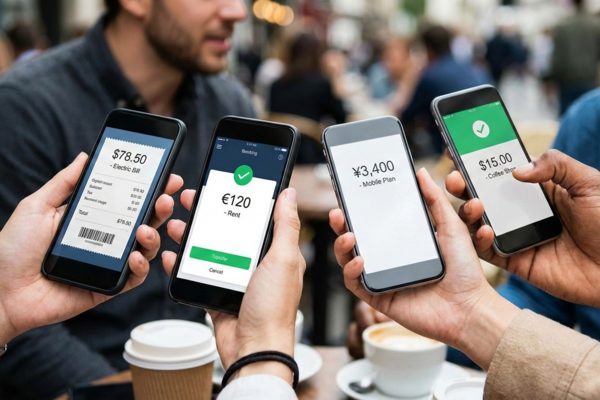
- Use an expense app from day one. Apps like Splitwise or Tricount (both mentioned in this guide) remove the mental math and the awkward
Who still owes what?
at the end. - Settle up gradually. I prefer to settle every 2–3 days so no one goes home wondering if they still owe money.
The hidden cost here isn’t just overspending. It’s the emotional weight of unspoken expectations. Clear rules are cheaper than resentment.
2. Accommodation: When “One Big Place” Isn’t Actually Cheaper
Group logic says: Let’s get a big house or family suite. It’ll be cheaper per person.
Sometimes that’s true. Often, it’s not – especially once you factor in fees, sleep quality, and privacy.
When I’m doing a group trip cost breakdown, here’s what I look for that most people skip:
- Fees that quietly add 20%+. Cleaning fees, service fees, resort/destination fees, parking, and taxes. A vacation rental that looks cheaper than two hotel rooms can end up more expensive once you add a 14–16% platform fee and a hefty cleaning charge, as highlighted in this breakdown.
- Who gets the good room? One couple gets the master with a balcony, another gets the windowless room by the kitchen. If everyone pays the same, someone is quietly annoyed.
- Sleep quality as a cost. Putting kids, snorers and light sleepers in the same space can turn a
cheap
stay into a very expensive, very tired week.
To keep accommodation from becoming a budget and relationship trap:
- Price it per person, all-in. I calculate the total (nightly rate + all fees + parking) and divide by the number of people. Then I compare that to separate hotel rooms or smaller units. This is where group travel vs solo travel cost can surprise you.
- Match rooms to contributions. If one room is clearly better, I either price it slightly higher or rotate who gets it on longer trips.
- Don’t romanticise togetherness. Sometimes two nearby apartments or a mix of hotel rooms and a rental give you better value and better sleep.
Shared spaces can be amazing – kitchens, living rooms, late-night chats. Just don’t let the big house
fantasy blind you to the real numbers and the hidden costs of group travel accommodation.

3. Transport: The Multi-Car & Airport Shuffle That Eats Your Budget
Transport is where group trips quietly leak money. We obsess over flight prices and ignore everything around them.
Common traps I watch for:
- Multiple cars for road trips. Fuel, tolls and parking multiply with every vehicle. A
cheap
DIY convoy can cost more than a charter bus once you add up parking at venues, hotels and airports, as this analysis points out. - Airport access. Long-term parking at home, rideshares for a family, or taxis for a group can easily add $100–$200 to a trip without anyone noticing.
- Rental car surprises. Airport concession fees, extra driver charges, car seat rentals, toll programs and refuelling penalties can push the final bill 20–30% above the quote.
My approach to avoiding these group travel budget traps:
- Run the numbers on one vehicle vs many. For big groups, I compare the total cost of multiple rentals or cars (fuel, tolls, parking) with a single van or charter. The
expensive
option is often cheaper per person. - Decide how drivers are compensated. On road trips, I like a simple rule: the group covers all trip-related car costs (fuel, tolls, parking, a small maintenance buffer). The driver contributes the car, not extra cash.
- Use passes and bundles. City passes, rail passes and transport bundles (JR Pass, Korail, Taiwan HSR, local transit cards) can be huge value for groups if you actually use them enough days.
Transport isn’t just a line item. It’s also a stress multiplier. Fewer vehicles and clearer rules usually mean fewer arguments, fewer late arrivals, and fewer unexpected group travel expenses.
4. Time: The Hidden Currency Groups Burn Without Noticing
Most people don’t budget time. They assume it’s free. On group trips, it’s not. It’s one of the most expensive things you’ll spend.
Think about:
- Slow decision-making. Six people trying to pick a restaurant can burn 45 minutes every night. That’s several hours of your trip gone.
- Late starts. One person always runs late, the group waits, and suddenly you’ve missed the early-entry slot or the cheaper off-peak train.
- Weak commitment. People say yes to activities, then back out last minute. Non-refundable tickets and deposits go to waste.
Time has a direct cash value: missed off-peak fares, lost city-pass days, unused museum tickets. But it also has an emotional cost: frustration, rushed meals, and the feeling you didn’t really see anything.
Here’s how I protect time on group trips:
- Split the day into anchors and free blocks. I like 1–2 fixed
anchors
(a tour, a dinner reservation) and flexible time around them. People can split up without derailing the whole day. - Use small, non-painful deposits. A modest deposit for a group activity increases follow-through and reduces last-minute flaking.
- Agree on punctuality norms. For example:
We leave at the stated time. If you’re late, meet us there.
It sounds strict. It’s actually kind.
When you treat time as a shared resource, the trip feels richer – even if you spend less money.
5. Social Pressure: How Group Vibes Make You Overspend
One of the biggest hidden costs of group travel is invisible: social pressure.
You might recognise these moments:
- Everyone wants the fancy rooftop bar. You’d rather not spend $30 on a drink, but you go anyway.
- Another family books a pricey excursion. Your kids see it and suddenly it feels like you have to join.
- Friends suggest a last-minute upgrade. Saying no feels like you’re being difficult.
Gen Z travellers, in particular, often travel on tight budgets or with parental help, which makes these dynamics even sharper, as discussed in this op-ed. But the pattern shows up in every age group, from couples’ getaways to big family reunions.
To reduce the pressure (for myself and others):
- State your budget out loud early. I’ll say something like,
I’m aiming to keep this trip around $X total, so I’ll probably skip some pricier things.
It gives others permission to be honest too. - Offer alternatives instead of just saying no.
You all do the helicopter tour; I’ll take the ferry and meet you for dinner.
orWe’ll skip the tasting menu but join for drinks after.
- Normalise splitting up. The healthiest group trips I’ve seen treat
doing different things
as normal, not as a sign of conflict.
Money conversations can actually deepen trust if you frame them that way. You’re not being difficult; you’re being honest about what lets you enjoy the trip without anxiety.

6. Emotional Fatigue: The Cost of Constant Compromise
There’s another budget line no one writes down: your emotional energy.
Group travel means constant micro-negotiations:
- Where to eat
- How early to wake up
- How much to walk vs. take taxis
- How long to stay at each sight
Compromise is necessary. But endless compromise is exhausting. And when people are tired, they start solving problems with money: taxis instead of walking, room service instead of planning, expensive tours instead of figuring out public transport.
My way of budgeting for emotional energy on group holidays:
- Set 1–2 non-negotiables per person. Everyone gets to name one or two things that matter most to them (a museum, a hike, a slow morning). The group respects those.
- Schedule solo or couple time. I treat alone time like an activity: it goes in the plan. A morning coffee alone or an afternoon nap can save the whole trip.
- Don’t force 24/7 togetherness. It’s okay if the grandparents take the kids for a few hours, or if one couple has a date night while others stay in.
Protecting your emotional budget often protects your financial one. Calm people make better money decisions, and that’s true whether it’s a friends trip, a family group vacation or couples group travel.

7. How to Build a Realistic Group Travel Budget (That Actually Works)
Let’s pull this together into something practical. When I plan a group trip, I don’t just ask, How much are flights and hotels?
I build a budget that includes the hidden stuff from the start.
Here’s a simple structure you can adapt for group vacation budget planning and to manage shared expenses without drama:
- Core costs (per person)
- Flights or long-distance transport
- Accommodation (all fees included, divided fairly)
- Local transport (passes, rideshares, parking, tolls)
- Daily living
- Food and drinks (be honest – will you really cook every meal?)
- Groceries for shared breakfasts/snacks
- Experiences
- Pre-booked tours and tickets
- One or two
splurge
items you agree on as a group
- Hidden & buffer
- Airport access (parking or rideshares)
- Resort/destination fees, cleaning fees, service charges
- 10% buffer for surprises
- A personal emergency fund (I like at least $100 per person)
Then I share this draft budget with the group and ask two questions:
- Does this feel doable for everyone?
- What would you cut or change to make it feel better?
That conversation is where the real trip planning happens. You’ll learn who cares about food, who cares about comfort, who cares about activities – and you can design the trip around that, instead of pretending everyone wants the same thing.
It also makes it much easier to split group travel costs fairly and spot any group tour unexpected charges or group travel package hidden costs before you pay.
8. The Real Goal: Come Home Closer, Not Just Poorer
Group travel can absolutely be cheaper than going solo. Shared apartments, group passes and split transport can save a lot. But the real win is when you come home with good memories and intact relationships, not just a lower per-night rate.
If you remember nothing else, remember this:
- Talk about money early, clearly, and kindly.
- Price in the hidden stuff: time, energy, and social pressure.
- Give people permission to opt out without guilt.
Do that, and your next couples’ getaway, family vacation, or friends’ reunion is far more likely to stay on budget – and actually feel like the break you wanted, not a collection of friends trip budgeting mistakes.
In other words: avoid the money traps, protect your energy, and let the trip do what it’s supposed to do – bring you closer.