
I used to think I was a savvy traveler. I hunted flight deals, booked cheap apartments, ate where locals ate. Then I added up my bank and card charges after a month abroad. Quietly, in the background, my home accounts had skimmed the equivalent of a couple of hotel nights off my budget.
If you feel like you’re doing everything right but your money still evaporates on the road, this is probably why. The hidden costs of international banking are baked into the cards and accounts you already use. Let’s pull back the curtain on the banking system you’re carrying in your pocket.
1. The 2–3% Leak You Don’t See: Foreign Transaction Fees
Start with the most boring line on your statement: foreign transaction fee
. Usually 2–3%. Looks tiny. It isn’t.
Most banks charge this percentage on every purchase in a foreign currency—in person, online, hotel bookings, even that last-minute train ticket. Run the numbers:
- $2,000 trip spend × 3% = $60 gone
- Travel like that 3–4 times a year and you’re burning hundreds of dollars just for the privilege of using your own money.
The worst part? You don’t feel it in the moment. You tap your card, see the local amount, and think you’re in control. The fee lands later, quietly. As Bank of America’s travel guide and other banks admit, this 2–3% is standard unless your card clearly says otherwise.
My rule now: if a card doesn’t explicitly say no foreign transaction fees
, I assume it’s charging them. That simple assumption has saved my travel budget more than once.
What to do before you travel:
- Audit your wallet: Look up each card’s foreign transaction fee. Don’t guess. Check the fee schedule or chat with support. This is your basic international banking fees for travelers checkup.
- Get at least one no-FTF card: Many travel credit cards and some fintech debit cards offer 0% foreign transaction fees. Apply a month or two before your trip so it arrives in time.
- Assign roles: One card for foreign spending, others as backup only. If you mix them, you’ll forget which one is fee-free and your travel budget gets quietly drained by bank fees again.
The goal is simple: never pay a percentage fee just to change currencies if you can avoid it. There are better ways to access money abroad than letting your home bank nibble at every transaction.
2. Dynamic Currency Conversion: The Tourist Trap on the Terminal
If you’ve ever been asked, Pay in dollars or local currency?
at a shop or ATM, you’ve met Dynamic Currency Conversion (DCC). It sounds helpful. It’s usually a trap.

DCC lets the merchant or ATM convert the price into your home currency on the spot. You see a familiar number and think, Nice, I know exactly what I’m paying.
But here’s what’s really going on behind that friendly screen:
- The terminal uses a worse exchange rate than your card network (Visa/Mastercard/Amex).
- It often adds an extra 5%+ markup on top.
- You may still pay your bank’s foreign transaction fee anyway.
So you’re paying more for the illusion of clarity. Multiple guides, including DNBC’s breakdown of hidden card fees and other travel money resources, all repeat the same advice: decline DCC and pay in the local currency.
How I handle it in real life:
- At shops and restaurants: If the terminal shows two options, I say
local currency
or point to it. If staff insist on my home currency, I cancel the transaction and use another place or another terminal. - At ATMs: If the screen says something like
We will convert this for you at a guaranteed rate
, I look for aContinue without conversion
orCharge in local currency
button. If there isn’t one, I walk away and find a different machine.
Once you start noticing DCC, you’ll see how aggressively it’s pushed in tourist areas. Treat it like an overpriced souvenir: easy to avoid once you know what it is.
3. ATMs Abroad: The 8% Cash Withdrawal You Never Agreed To
Cash is still king in many places. But international ATMs can quietly turn your withdrawal into one of the most expensive transactions of your trip.

Here’s what can stack up on a single withdrawal, according to breakdowns like ExplainCharges and other international ATM fees breakdown guides:
- Foreign transaction fee: 1–3% of the amount.
- Your bank’s foreign ATM fee: often $2–$5 flat.
- Local ATM operator fee: another $2–$10+ per withdrawal.
- DCC markup at the ATM: 5% or more if you accept conversion to your home currency.
On a $200 withdrawal, it’s easy to lose 8% or more if you hit all the traps. Do that a few times and you’ve just paid for a fancy dinner you’ll never eat.
How I reduce ATM damage:
- Use the right account: Some banks and travel accounts rebate global ATM fees and skip foreign transaction fees. If you travel regularly, this is worth switching banks for. It’s one of the simplest ways to avoid overseas banking mistakes.
- Withdraw fewer, larger amounts: When fees are flat per withdrawal, $400 once is cheaper than $100 four times. Balance this with safety and your comfort carrying cash.
- Avoid tourist ATMs: Machines in airports, hotels, convenience stores, and tourist strips often have the worst operator fees. I look for ATMs attached to major banks instead.
- Always decline conversion: If the ATM offers to charge you in your home currency, I refuse and choose local currency. That one tap can save you more than any coupon code.
Before a trip, I now check my bank’s ATM policy and typical fees in my destination. That 10-minute check can easily save $50–$100 on a longer journey.
4. Your Everyday Bank Account: Built for Home, Not for Travel
Most of us travel with the same debit card we use for groceries. That’s convenient. It’s also how your home account quietly traps your travel budget.

Traditional checking accounts are designed for domestic use. When you take them abroad, several problems show up at once:
- High foreign fees: Standard banks often charge more for international use than travel-focused fintechs or dedicated travel cards.
- Overdraft risk: Holds from hotels and car rentals can freeze hundreds of dollars, making it easier to dip into overdraft and trigger fees.
- Weak exchange rates: Even when there’s no explicit fee, the rate your bank uses may include a hidden markup.
- Limited controls: Some banks make it hard to adjust limits, freeze cards, or get real-time alerts while you’re on the road.
Travel guides like Monde du Voyage’s fee breakdown and other international money access cost guide resources all circle the same idea: your default account is rarely your best travel account.
How I separate “home money” from “travel money” now:
- Open a dedicated travel account/card: I use one with no foreign transaction fees, low or rebated ATM fees, and good app controls. Comparing a travel card vs home bank card was the single biggest upgrade to my trips.
- Pre-load only what I’m willing to spend: This protects my main savings if the card is compromised and keeps my travel budget clearly ring-fenced.
- Keep my home account as backup: I carry one backup card from my main bank, but I try not to use it unless something goes wrong.
This simple separation changes how you feel on the road. You’re no longer gambling your entire financial life on one plastic rectangle.
5. Card vs Cash vs Digital Wallet: Choosing the Right Tool for Each Payment
Once you’ve plugged the big leaks—foreign transaction fees, DCC, and ATM charges—the next question is: How should I actually pay?
Cash? Card? Phone?
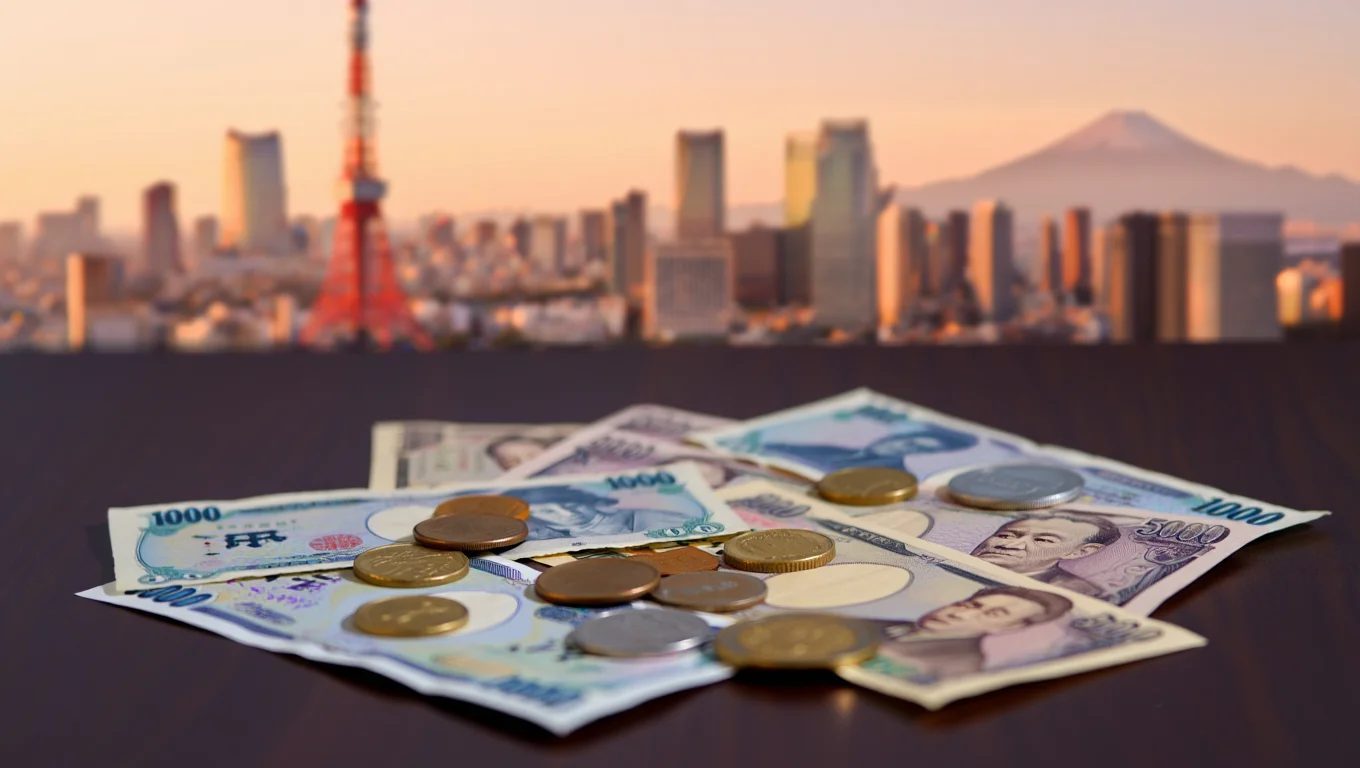
There’s no one-size-fits-all answer, but here’s the framework I use, based on what many banks and travel money guides recommend when they talk about the cost of using a debit card abroad.
When I prefer cards:
- Larger expenses: Hotels, car rentals, big restaurant bills. Cards give better protection and clearer records.
- Contactless-friendly cities: In places where tap-to-pay is everywhere, cards (or phones) are faster and often safer than carrying lots of cash.
- When I have a no-FTF card: If my card is optimized for travel, I lean on it more and let it handle foreign currency conversion charges at the network rate.
When I prefer cash:
- Small, frequent purchases: Coffee, street food, small markets. This avoids lots of tiny card charges and potential minimums.
- Cash-heavy countries: Some places simply don’t love cards yet, or only accept local debit networks.
- When ATMs are cheap: If I’ve found a low-fee ATM and withdrawn a sensible amount, I’ll use cash more freely.
Where digital wallets fit in:
- They add a layer of security (tokenization, no card number exposed).
- They’re increasingly accepted for transit, shops, and even some ATMs.
- In QR-heavy markets (like parts of China), you may need specific apps that can scan and generate codes.
Before each trip, I ask myself:
- Is this a card-first or cash-first destination?
- Which card will be my main one?
- How often will I realistically need ATMs?
That 5-minute thought exercise keeps my payment choices simple and my fees predictable.
6. Pre-Trip Bank Prep: The 30-Minute Checklist That Saves You Hundreds
Most people spend hours comparing flights and almost no time preparing their money. That’s backwards. A short, focused session with your bank and cards can save more than any seat sale and helps you avoid bank fees when traveling.
Here’s the checklist I actually use now:
1. Confirm fees and limits
- Foreign transaction fee on each card?
- ATM withdrawal fees (domestic vs international)?
- Daily ATM and spending limits? Do they match your travel budget?
2. Set up the right tools
- Enable transaction alerts (push or SMS) for card-not-present and foreign transactions.
- Make sure your banking app works abroad (login methods, 2FA, phone number issues).
- Store your bank’s emergency contact numbers somewhere outside your wallet.
3. Tell your bank you’re traveling
- Some banks still like travel notices to avoid false fraud blocks.
- Confirm how to reach them if your card is declined or frozen while abroad.
4. Decide your travel money structure
- Primary travel card (no FTF, good ATM policy).
- Backup card from a different bank/network.
- Optional: dedicated travel account or multi-currency wallet funded in your destination currency when rates are favorable.
None of this is glamorous. But this is the difference between My card randomly stopped working in the middle of nowhere
and Yeah, I had a backup plan
.
7. Turn Your Money System into a Travel Asset, Not a Liability
Here’s the uncomfortable truth: if you don’t design your banking setup for travel, it will be designed against you by default. Not out of malice—just inertia. Your home accounts are optimized for your home life, not for border-hopping.
So ask yourself:
- Am I okay paying 2–3% on every foreign purchase, plus ATM fees, plus DCC markups?
- Do I know which card I should use first, and which I should avoid?
- If my main card died tomorrow in another country, what would I actually do?
If those questions make you uneasy, that’s useful. It means there’s room to improve—and real money to save by fixing the hidden costs of international banking before you leave.
With a bit of skepticism, a dedicated travel-friendly account, and a few hard rules (no DCC, no random ATMs, no mystery fees), your banking stops being a slow leak and starts being a quiet advantage.
Flights and hotels get all the attention. But it’s the invisible stuff—your cards, your accounts, your habits—that decides whether your travel budget works for you or against you.