I’ve lost count of how many times I’ve heard this: We found a super cheap flight to Europe, so the trip will be a bargain.
A week later, the same person messages from Copenhagen or Kraków asking, Why is everything so expensive?
In 2026, the real budget killer in Europe isn’t the flight. It’s the daily drip of local costs in places that look affordable in guides but feel pricey once you’re on the ground. City taxes, attraction surcharges, transport passes you didn’t plan for, restaurant zones where prices double the moment you cross an invisible line—these are the things that quietly wreck a Europe budget.
This isn’t a list of cheap
vs expensive
cities. It’s a guide to the hidden costs in cheap European cities that can turn a so-called bargain into a high-spend trip—and how to spot them before you book.
1. The Accommodation Trap: Cheap City, Expensive Nightly Rate
Most people decide a city is cheap
after a quick Google of average prices. But averages lie. What matters is simple: what will you actually pay for the location and comfort you want on your dates?
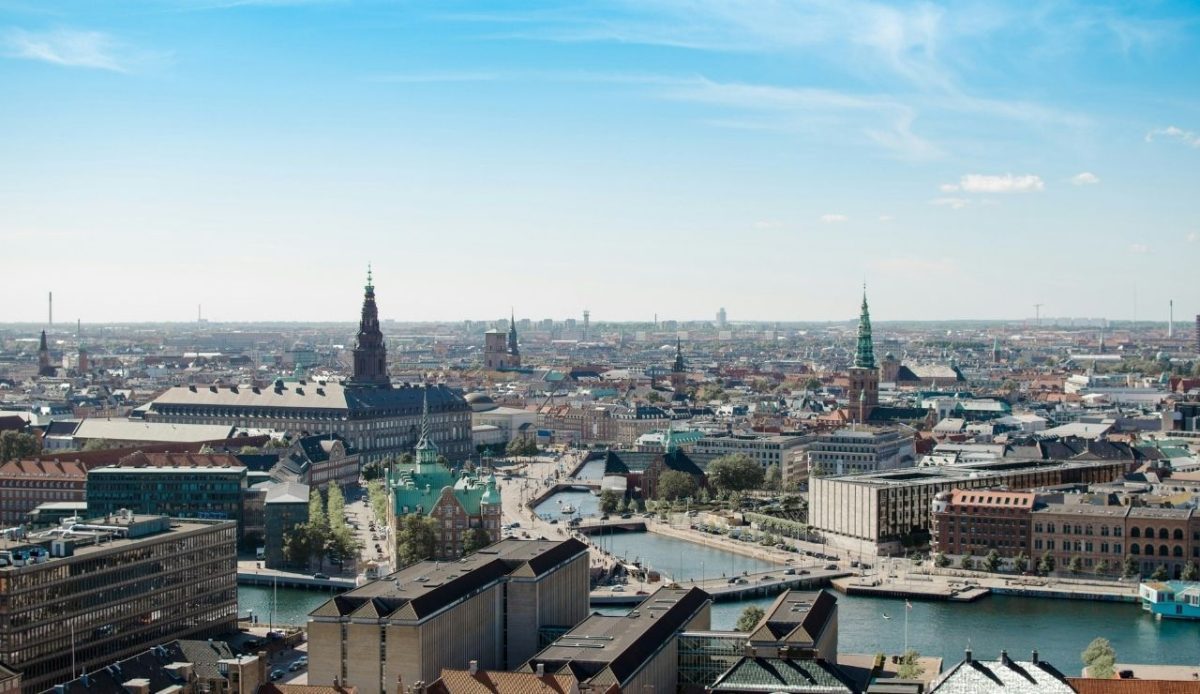
In cities like Oslo, Copenhagen, Edinburgh, Venice, and Amsterdam, travelers are discovering that on-the-ground costs now dwarf the airfare. One analysis of European city costs found that hotel prices in Copenhagen can easily push a daily total over £300 for two people once you add food, drinks, and taxis (source). A cheap flight doesn’t help much if your nightly bill explodes.
Even in supposedly cheap
countries, central accommodation can be a shock. In Kraków or Warsaw, for example, old-town and main-square areas now price closer to Western Europe, driven by tourism and short-term rentals. The country is still affordable overall, but the exact neighborhood you choose can double your nightly cost. That’s the real cost of living vs tourist prices in Europe.
Here’s the decision I force myself to make before I book:
- Do I want a central, walkable base? Then I assume I’ll pay a premium, even in
cheap
cities. - Am I okay with a 20–40 minute commute? Then I can often cut my accommodation cost by 30–50%—but I have to factor in transport (more on that later).
My rule of thumb: never call a city “cheap” until you’ve checked real hotel prices for your exact dates and area. Use tools like the Post Office City Costs Barometer or 3-star traveler indexes to sanity-check your assumptions, but always drill down to specific neighborhoods and dates. That’s where the true cheap city Europe travel cost breakdown lives.
2. City Taxes, Fees & Surcharges: The Silent Budget Leak
Even if you land a good room rate, there’s a second layer of costs that rarely show up in big, bold numbers: local taxes and add-ons.
Across Europe, cities increasingly rely on visitors to plug budget gaps. That means:
- Per-night city or tourist taxes added at check-in or check-out.
- Resort or environmental fees in coastal or historic areas.
- Paid luggage storage on arrival/departure days.
- Airport or station transfer surcharges (especially in Scandinavia and Italy).
Individually, these look small. Together, they can turn a €80 per night
stay into something closer to €100–110 once you add tourist taxes, breakfast that wasn’t actually included, and a couple of paid transfers. This is where a lot of Europe trip budget hidden fees hide.
In some cities, you’ll also see cover charges just to sit down at a café or restaurant, especially in tourist-heavy zones. That €3–4 per person coperto
or service
fee can quietly add 15–20% to your meal cost before you’ve even ordered. It’s one of the classic restaurant and café markups in cheap European cities.
How I handle this:
- I always read the fine print on booking sites for city taxes and whether they’re included.
- I assume an extra 10–20% on top of the room rate for taxes and small fees in Western Europe.
- On short trips (2–3 nights), I mentally add a flat €30–50 per person for transfers, storage, and random surcharges. It’s rarely far off.
If you don’t plan for these, you’ll feel like the city is ripping you off
. In reality, you just didn’t see the full price. These are the tourist taxes and surcharges in Europe that quietly inflate your daily travel expenses.
3. Transport: When “Efficient” Doesn’t Mean Cheap
European public transport is usually excellent. It’s also often not cheap, especially if you’re staying outside the center to save on accommodation.
Here’s the trap: you book a cheaper hotel 30–40 minutes out, feeling clever. Then you realize you’re buying daily passes, airport trains, and the occasional taxi because you’re tired, it’s raining, or you stayed out late. Suddenly, your cheap
room isn’t so cheap. This is one of the most common mistakes that increase Europe travel costs.
Studies comparing daily costs across European cities show huge differences in local transport prices. London has some of the highest taxi fares per km in Europe, and Scandinavian cities aren’t far behind. Water transport in Venice, airport trains in Scandinavia, and late-night taxis in party cities can all eat a big chunk of a short-trip budget.
My mental checklist before I book a budget
stay:
- How many rides per day? If I’ll be going in and out 2–4 times, I price in a daily or multi-day pass.
- What’s the airport connection like? A cheap flight to a distant airport plus a €20–30 transfer each way can erase the savings.
- Will I be out late? If the metro stops early, I assume at least one taxi or ride-hail per night out.
In genuinely budget-friendly cities—Sarajevo, Bucharest, Belgrade, or parts of Poland and the Balkans—local transport is still a bargain. But in Northern and Western Europe, transport can quietly rival your food budget if you’re not careful. When you’re comparing daily costs across European cities, don’t forget to include those passes and transfers.
4. Attractions & Timed Tickets: The New Paywall City
Another way cheap
cities become expensive: you can’t actually do much without paying.
Many major European cities now rely heavily on timed-entry tickets and dynamic pricing for museums, castles, and iconic sights. Book late, and you’ll either pay more or get stuck with awkward time slots that force you to reorganize your day (and sometimes your transport).
Examples you’ll see across Europe:
- Castles and palaces with base tickets plus extra fees for towers, special exhibitions, or audio guides.
- Boat trips, fjord cruises, or canal tours that look cheap in ads but add port fees or mandatory extras.
- Popular attractions where weekend and peak-hour slots cost more than early-morning or late-evening ones.
In high-cost cities like Oslo, Copenhagen, or Reykjavik, a single classic day
of sightseeing—museum, viewpoint, boat tour, and a couple of paid entries—can easily run to €80–120 per person. Do that two or three days in a row and your cheap city break
starts to look like a luxury getaway.
How I avoid the paywall effect:
- I pick 1–2 paid highlights per city and build the rest of my days around free or low-cost experiences (parks, viewpoints, neighborhoods, markets).
- I check if a city pass (with transport + attractions) actually saves money for my style of travel, instead of assuming it does.
- I look for free museum days or evenings—common in many European cities but rarely advertised to tourists.
The key question: Is this city only cheap if I do almost nothing? If the answer is yes, it’s not really a budget destination for you, no matter what the guidebooks say about low-cost Europe destinations.
5. Food & Drink Zones: The Invisible Price Borders
Food is where many travelers feel the sting most sharply. Not because Europe is uniformly expensive—it isn’t—but because prices change dramatically within the same city.
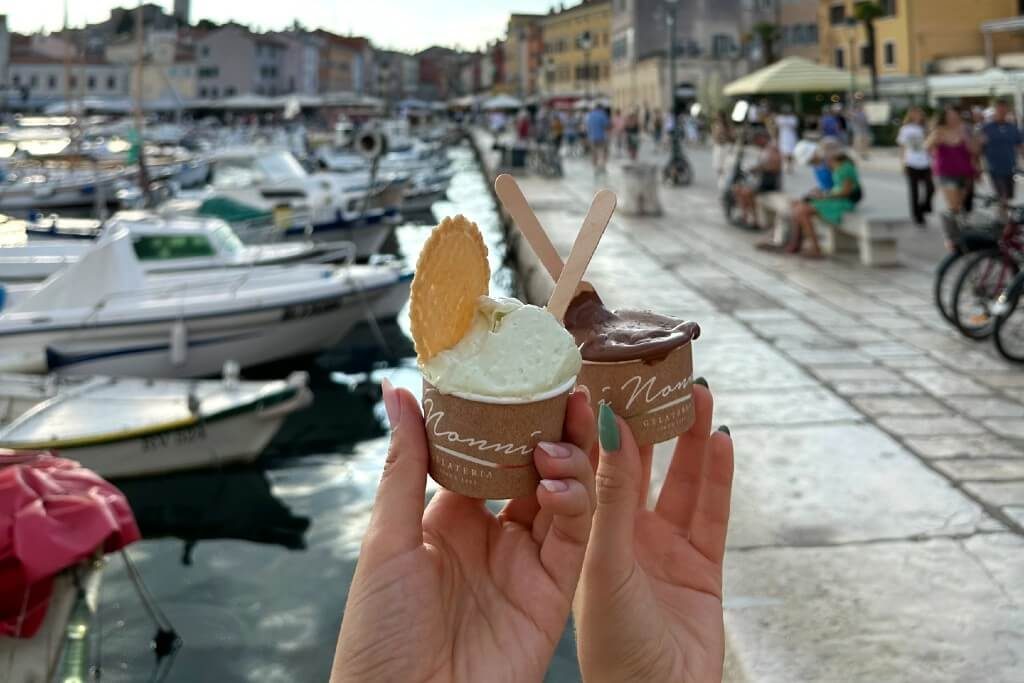
In Poland, for example, you can still eat very well for €6–10 in local neighborhoods. Walk into the main square in Kraków, and the same meal can jump to €15–20. The country didn’t suddenly become expensive; you crossed an invisible border into a tourist-pricing zone. This is the classic gap between cost of living vs tourist prices in Europe.
This pattern repeats everywhere:
- Waterfronts and main squares in Venice, Dubrovnik, Amsterdam, Copenhagen.
- Old towns and
Instagram streets
in Prague, Kraków, Lisbon. - Areas around major attractions and cruise ports.
On top of that, small daily habits add up fast in high-wage countries: coffee, beer, wine, and cocktails can be shockingly pricey in Scandinavia and Iceland. One study found that a simple evening out (drinks, meal, taxi) in Akureyri, Iceland can top £100 for two people, and cocktails in Reykjavik or Stockholm can run around £11 each.
My personal system:
- I treat tourist zones as exceptions, not my default dining area. One splurge meal there, then I move two or three streets back for the rest.
- I check local lunch deals (menu del día, business lunch, etc.) and make lunch my main hot meal in expensive cities.
- I buy breakfast and snacks from supermarkets or bakeries instead of cafés in high-cost areas.
If you eat every meal in the most photogenic part of town, even a cheap
city will feel expensive. The city isn’t the problem. Your map is. This is one of the easiest Europe budget travel money traps to fix.
6. Seasonality & Events: When a Normal City Becomes a Premium Destination
Another way we fool ourselves: we read that a city is great value
and forget to ask when that was true.
Prices in Europe swing wildly with season and events. A city that’s cheap in March can be punishing in August or during a major festival. Think:
- Edinburgh during the Fringe.
- Venice during Carnival or peak summer.
- Dubrovnik and many Mediterranean cities in July–August.
- Christmas market season in Germany, Austria, and Central Europe.
Accommodation is usually the first thing to spike, but it doesn’t stop there. Restaurants, tours, and even some attractions quietly raise prices when demand is high. Budget options sell out first, leaving you with midrange or premium choices only. Suddenly, that cheap European destination
you read about is anything but.
Meanwhile, many Eastern and Southeastern European cities—Sarajevo, Bucharest, Tirana, Belgrade—still offer strong value even in peak season, according to cost barometers that track real in-destination spending. They’re less famous, so they don’t get the same demand spikes, and their daily travel expenses in Europe stay more reasonable.
My approach:
- I always search “[city] events [month/year]” before booking. If there’s a huge festival, I either embrace the cost or pick different dates.
- I treat shoulder season (late spring, early autumn) as my default for popular cities.
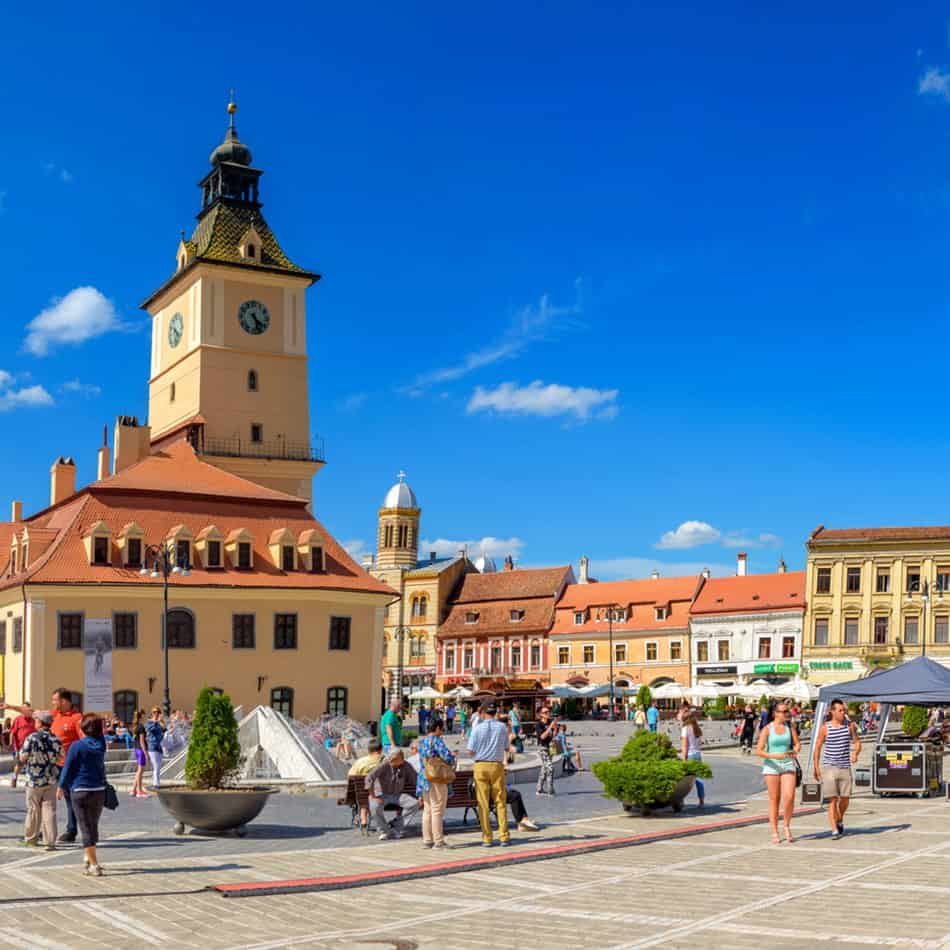
- If I must travel in peak season, I often choose underrated alternatives—Rijeka instead of Dubrovnik, Brasov instead of more famous medieval hubs, Gdańsk instead of pricier coastal cities.
Ask yourself: Is this city expensive, or am I just arriving at the most expensive possible moment? The answer changes everything—and often reveals which low-cost Europe destinations are actually good value for you.
7. How to Tell If a “Cheap” City Will Actually Be Cheap for You
Let’s pull this together. Before I label any European city as budget-friendly
for my own trip, I run a quick reality check. You can do the same in 10–15 minutes and avoid most of the hidden costs in cheap European cities.
- Check real accommodation for your dates.
Look up 2–3 central neighborhoods you’d actually want to stay in. If midrange options are already high, don’t assume you’ll magically find a hidden bargain. - Add taxes and small fees.
Read the fine print for city taxes, resort fees, and breakfast. Add 10–20% to the room rate in your mental budget to cover those tourist taxes and surcharges. - Map your daily movements.
If you’re staying outside the center, price in daily transport passes and at least one airport transfer each way. Remember that public transport and city card costs in Europe can be higher than you expect. - List your must-do activities.
Check current prices for 3–5 key attractions or tours. If doing yourdream day
costs more than you’re comfortable with, adjust now, not later. - Reality-check food and drink.
Look up typical prices for coffee, beer, and a basic meal in both tourist and local areas. Decide how often you’re willing to pay tourist-zone prices and how often you’ll step a few streets away. - Consider alternatives.
If the numbers feel tight, look at nearby cities or countries where everyday costs are lower—often in Eastern or Southeastern Europe. You might get more trip for the same money and avoid the classic Europe budget travel money traps.
The goal isn’t to avoid every expensive city. It’s to stop being surprised by them. When you know where the money will actually go—accommodation, transport, food zones, attractions—you can decide, consciously, whether that cheap
European city is worth the real price.
Because in the end, a destination is only low-cost
if you can afford to enjoy it, not just arrive there. That’s how cheap European cities become expensive—and how you can keep them from doing it to you.