
I don’t mind paying for a great hotel. I do mind feeling ambushed at checkout.
If you’ve ever stared at a final bill that’s 20–35% higher than the rate you booked, you’ve already met the modern hotel business model: a base price that looks competitive, and a pile of extras
that quietly turn a $200 night into $260.
This guide breaks down the on‑property hotel costs most travelers forget to plan for—and how I cap them before they wreck my budget.
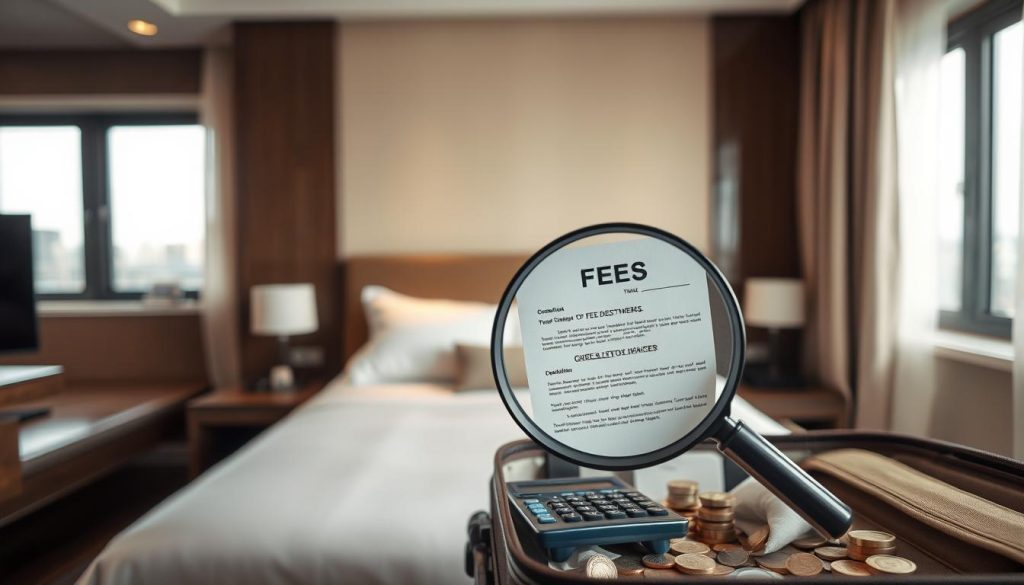
1. Resort & “Destination” Fees: The Big, Sneaky Line Item
Let’s start with the worst offender: the mandatory fee you can’t opt out of, even if you never touch the pool or gym.
These show up under names like resort fee, destination fee, facility fee, or amenity fee. In the U.S., they often run $20–$50 per night, and at some properties they can push your real nightly rate up by 30% or more. In resort areas (Las Vegas, Hawaii, Florida beaches) $40–$75 isn’t unusual.
What do you get for that money? Usually a bundle of things that used to be standard: Wi‑Fi, pool towels, gym access, local calls
, maybe a bottle of water or a welcome drink. You pay it whether you use them or not.
Regulators are finally pushing back. New York City and upcoming U.S. Federal Trade Commission rules will force hotels to show the all‑in price (room + mandatory fees + taxes) earlier in the booking process. But here’s the catch: those rules target transparency, not amounts. Hotels can still charge the fee; they just have to show it more clearly.
How I cap this cost:
- Hunt for the fee before you fall in love with the hotel. On the booking page, click
price details
,taxes and fees
, or similar. If I don’t see a line for resort/destination/facility fees, I assume there might be one and keep digging. - Call or email the hotel directly. I ask:
What mandatory fees, per room per night, will be added to my stay, and what do they cover?
I want a clear number, not a vague answer. - Compare hotels on total cost, not nightly rate. A $180 room with a $40 resort fee is more expensive than a $210 room with no fee. I do the math before I book so I know the full hotel stay cost estimate.
- Use loyalty status or points strategically. Some chains quietly waive or reduce resort fees on award stays or for elite members. If I’m close to a status tier, this is one of the perks I actually value.
- Ask for a waiver when amenities are unusable. If the pool is closed, the gym is under renovation, or I’m on a one‑night business trip and arriving late, I’ll politely say:
Since I won’t be using the resort amenities, is there any flexibility on the resort fee?
It doesn’t always work—but it works often enough to be worth asking.
2. Parking & Valet: The Cost That Can Rival Your Room
Parking is the fee that quietly wrecks road‑trip budgets and city breaks.
In many urban hotels, parking is not included in the room rate. Self‑parking can run $30–$60 per night, and valet can easily hit $40–$80+ per night in places like New York, San Francisco, or popular beach cities. Add tips for the valet, and you’re suddenly paying more to park your car than you did to rent it.
Hotels also play with dynamic pricing—charging more on weekends, during events, or when demand spikes. That from $35
on the website might be $55 when there’s a concert in town.
How I cap this cost:
- Decide if you really need a car. In dense cities, I compare the total cost of car + hotel parking + gas versus rideshares and public transit. Often, ditching the car wins.
- Check parking before you book. I look for: self vs. valet, nightly rate, in/out privileges, and height limits (for SUVs). If the website is vague, I call.
- Search nearby garages. I’ll pull up Google Maps or a parking app and check lots within a 5–10 minute walk. It’s common to save $10–$30 per night this way and avoid one of the most painful on‑property hotel costs.
- Ask about packages. Some hotels offer
park and stay
ordrive‑in
rates that bundle parking at a discount. I only bite if the total is lower than booking room + independent parking. - Skip valet unless you truly need it. Valet is a convenience, not a default. I treat it like room service: nice occasionally, but not automatic.

3. Wi‑Fi, Devices & “Premium” Internet: Death by Small Charges
Wi‑Fi used to be a selling point. Now it’s a revenue stream.
Some hotels still charge $10–$20 per day for basic Wi‑Fi, or they offer a slow free tier and a premium
tier for streaming or VPN at $15–$25 per day. Others charge per device, which gets ugly fast if you’re a couple with phones, laptops, and tablets.
To make it more confusing, Wi‑Fi might be:
- Included in the resort/destination fee
- Free only for loyalty members who book direct
- Free in the lobby but not in rooms
These little internet charges are classic hidden hotel fees. They don’t look huge, but they add up.
How I cap this cost:
- Check the Wi‑Fi policy before booking. I look for: cost, speed, device limits, and whether it’s included in any mandatory fee.
- Join the free loyalty program. Many chains give free standard Wi‑Fi just for signing up and booking direct. It takes two minutes.
- Use my phone as a hotspot when it makes sense. If my mobile plan includes generous data or roaming, I’ll tether my laptop and skip hotel Wi‑Fi entirely—especially for one‑night stays.
- Refuse upsells I don’t need. At check‑in, I’m clear:
I’m fine with the standard Wi‑Fi; please don’t add any premium internet packages.
- Watch for per‑device traps. If the hotel charges per device, I’ll connect only what I truly need and log out when I’m done.
4. Early Check‑In, Late Checkout & Tight Time Windows
Once upon a time, arriving a bit early or leaving a bit late was a courtesy. Now, it’s a product.
Many hotels charge $50–$100 for early check‑in or late checkout, sometimes up to half a night’s rate. Others quietly add a fee if you show up before a certain time, even when rooms are clearly available.
This matters if you’re landing on a red‑eye, traveling with kids, or trying to squeeze in a last‑minute shower before a late flight. A badly timed fee can turn a smooth day into a scramble.
How I cap this cost:
- Ask about timing before you book. I don’t just note the check‑in/check‑out times; I ask:
Is there a fee for arriving at X time or leaving at Y time?
- Use loyalty status when I have it. Many programs offer complimentary late checkout (subject to availability). I always request it in the app or at check‑in.
- Plan around the policy. If early check‑in is expensive, I’ll plan a relaxed breakfast, a museum visit, or a coworking session before heading to the hotel.
- Be flexible and polite. I’ve had more success saying,
If there’s any flexibility on checkout, even an extra hour, I’d really appreciate it
than demanding a specific time. - Know when to pay. If I’m arriving at 7 a.m. after an overnight flight, sometimes the smartest move is to book the room starting the night before and guarantee immediate access. At least then I know the cost upfront.
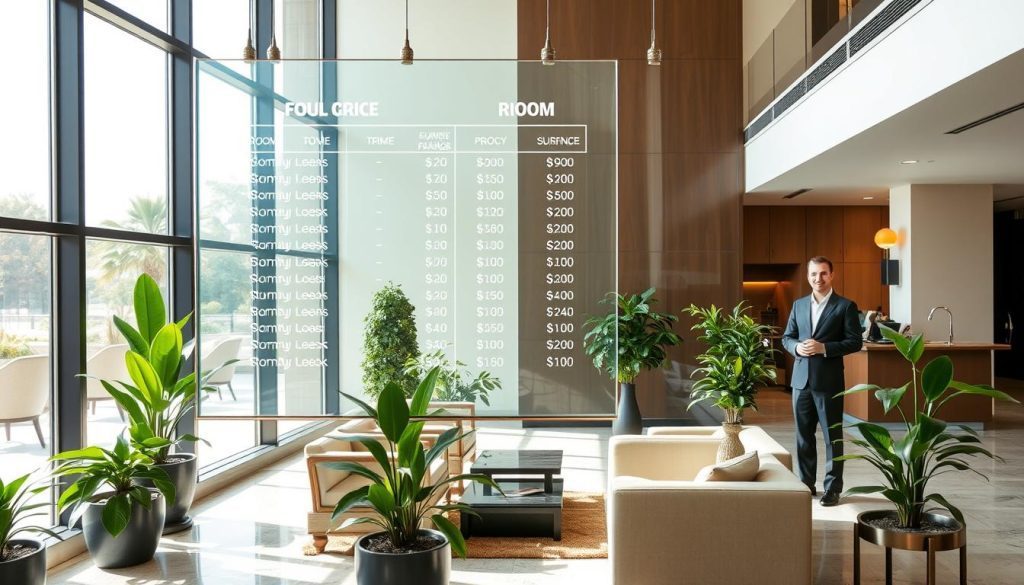
5. Minibars, Bottled Water & In‑Room “Convenience” Traps
Minibars are less about convenience and more about margin.
Snacks and drinks can be marked up 300–500%. Some hotels now use weight sensors that auto‑charge your account when an item is moved, not just consumed. That means reorganizing the fridge to chill your own water can trigger a surprise bill.
On top of that, you may see charges for:
- Bottled water that looks complimentary but isn’t
- In‑room safe fees (a few dollars per day)
- Coffee pods beyond a small free allotment
These are classic extra costs at hotels that feel small in the moment and annoying at checkout.
How I cap this cost:
- Ask about sensors at check‑in. I’ll say:
Is the minibar on sensors, and can I use the fridge for my own items without charges?
- Request the minibar be emptied. Many hotels will do this on request, especially if you mention dietary needs or kids.
- Buy supplies nearby. I almost always hit a local shop for water, snacks, and maybe a bottle of wine. It’s cheaper and often better quality.
- Clarify what’s complimentary. If there’s water on the desk, I ask:
Is this free, or is it charged to the room?
I don’t guess. - Scan the bill before leaving the desk. If I see minibar charges I don’t recognize, I dispute them immediately. It’s much easier to fix in person than over email later.
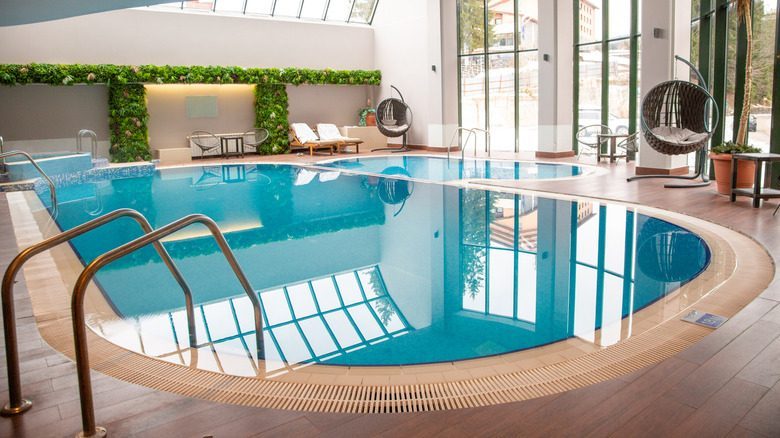
6. Housekeeping, Facilities & “Service” Fees You Didn’t Expect
Some hotels have started slicing off pieces of what used to be standard service and selling them back to you.
You might see:
- Housekeeping or service fees of $5–$20 per day
- Fitness center or pool access fees of $10–$25 per day (sometimes bundled into the resort fee)
- Business center or
admin
fees for printing, scanning, or even receiving packages - Airport shuttle fees that used to be free but now run $10–$25 per person
Individually, these don’t look huge. Over a week‑long stay, they add up fast and become the kind of hotel budget mistakes people only notice later.
How I cap this cost:
- Ask what’s included in the rate vs. the resort fee. I want to know exactly which amenities are covered and which are extra.
- Decide what I’ll actually use. If I’m not going near the gym or pool, I’m less tolerant of a high resort fee and more likely to choose a different property.
- Use my own tools. I travel with a small workout routine I can do in the room, and I keep documents on my phone or laptop to avoid printing.
- Check shuttle pricing vs. rideshare. A
$15 per person
shuttle for a family of four is $60. Sometimes a rideshare is cheaper and more direct.
7. Incidentals, Holds & Penalties: The Invisible Budget Killer
Even if you dodge most fees, there’s one more category that can mess with your trip: incidentals and holds.
Most hotels place a credit card hold at check‑in—often $50–$200 per night—to cover potential incidentals like room service, minibar, or damage. That money isn’t charged, but it’s locked up on your card and can take up to two weeks to fully release.
Then there are the actual penalties:
- Early checkout fees (sometimes $50–$150) if you leave before your original departure date
- Smoking or damage fees that can be substantial if the hotel claims extra cleaning is needed
- Strict cancellation penalties on
non‑refundable
oradvance purchase
rates—100% loss if plans change
These aren’t exactly hidden hotel fees, but they’re easy to overlook when you’re focused on the nightly rate.
How I cap this cost:
- Ask about the hold amount and release time. At booking or check‑in, I ask:
How much will you hold per night, and how long after checkout until it’s released?
- Use a credit card, not a debit card. Holds on debit cards tie up actual cash. On credit cards, they just reduce available credit temporarily.
- Read the cancellation policy line by line. If there’s any chance my plans might change, I avoid non‑refundable rates unless the discount is truly worth the risk.
- Document the room at check‑in. I take quick photos of any existing damage or stains and mention them to the front desk. It’s cheap insurance against unfair charges.
- Confirm early departure rules. If there’s a chance I’ll leave early, I ask:
Is there an early checkout fee, and can it be waived if I give notice?

8. How to See the Real Price Before You Commit
Hidden fees are annoying, but they’re not unbeatable. The key is to stop thinking in terms of nightly rate
and start thinking in terms of total stay cost.
Here’s the simple process I use now for almost every booking to avoid surprise hotel charges and keep on‑site spending under control:
- Start with transparency‑friendly tools. I prefer booking platforms and hotel sites that show
total price
orall‑in price
early in the process. As new FTC rules roll out in the U.S., this should get easier. - Click into the fine print. I always open the
details
,taxes and fees
, orrate conditions
section. I’m looking for resort/destination fees, parking, Wi‑Fi, and any per‑person or per‑night extras. - Cross‑check with recent reviews. Guests love to complain about surprise fees. If multiple reviews mention a charge that isn’t obvious on the website, I assume it’s real.
- Contact the hotel for a written breakdown. Especially for longer or business stays, I ask the hotel to email me a full breakdown: room rate, taxes, mandatory fees, and typical incidentals. I keep that email as my personal hotel cost guide.
- Compare properties on total cost, not marketing. Once I have the full picture, I often find that the
cheaper
hotel with lots of fees is actually more expensive than a straightforward property with a higher base rate. - Review the bill before you leave the desk. I never just drop the keys and walk out. I ask for a printed or emailed folio, scan it for mystery charges, and resolve them on the spot.
The goal isn’t to avoid every single fee. It’s to make sure you decide which ones are worth paying—before you hand over your card.
Once you start looking at hotel service charges, resort fees, parking, and Wi‑Fi this way, something interesting happens: the cheap
options stop looking so cheap, and the honest ones stand out. And that’s when your travel budget finally starts working for you, not against you.