

You book the flight. You lock in the hotel. You feel pretty pleased with that “great deal.”
Then you arrive and meet the extras: city tax, card fees, transport fines, random “service charges,” and a day-visitor levy you’ve never heard of.
This guide pulls those hidden travel costs after booking into the open. I’ll walk through the main money traps I keep seeing in Europe, how they actually work, and what I do to keep them from blowing up the budget.
1. City & Tourist Taxes: The Hotel Cost You Only Hear About at Check-In
Let’s start with the big one: city / tourist / occupancy / stay tax. Different names, same idea. Local governments charge a fee on overnight stays to fund tourism infrastructure, crowd control and basic maintenance.
The catch? This tax is often not included in the price you saw when you booked.
- How it’s charged: usually per person, per night. Sometimes as a percentage of the room price (Amsterdam), sometimes a flat amount (Rome, Paris), sometimes a mix.
- Typical range: roughly €1–€7 per person per night in many cities, but it can be higher in premium areas or luxury hotels.
- Who collects it: often the hotel or host at check-in or checkout. Platforms like Airbnb collect it automatically in some countries, but not everywhere.
- Who’s exempt: children are often exempt (e.g., under 10 in Rome, under 18 in Paris, under 16 in Barcelona). Long stays may be capped after a certain number of nights.
So that “€120 per night” room in a high-tax city can quietly become €135+ once you add city tax hotel charges per night for two adults over several nights.
City tax isn’t a scam, but it’s often poorly explained and badly displayed in booking engines.
Before I confirm any booking, I now do three quick checks:
- Scan the fine print: I look for phrases like
city tax not included
,payable at property
, oradditional charges may apply
. That’s my cue to dig deeper. - Check the breakdown: most sites have a price breakdown link. I check whether VAT and city tax are included. If it’s vague, I assume it’s extra.
- Estimate manually: I quickly Google
city tax [city name] official
and use the city or tourism board site to estimate the real nightly cost.
When I compare hotels, I don’t just look at the headline rate. If one place is €10 cheaper per night but sits in a higher tax category, that “bargain” can easily end up more expensive at checkout.
2. High-Tax Hotspots: When the Destination Choice Blows Up Your Budget
Not all cities are equal. Some have turned tourist city taxes into a serious revenue stream. If you’re staying several nights or traveling as a family, these differences matter a lot.
Here are a few places where I mentally add a big asterisk to any “deal” I see:
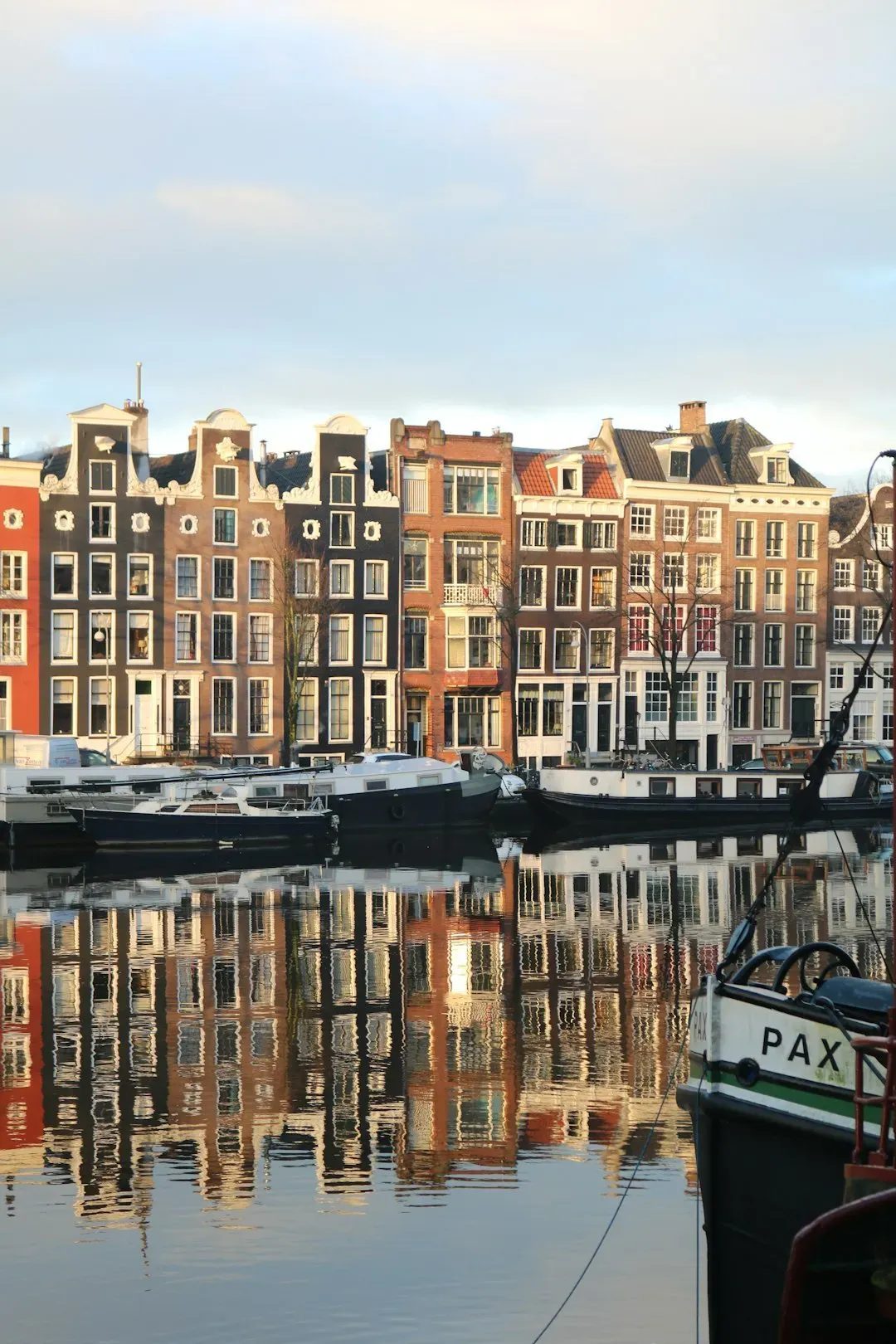
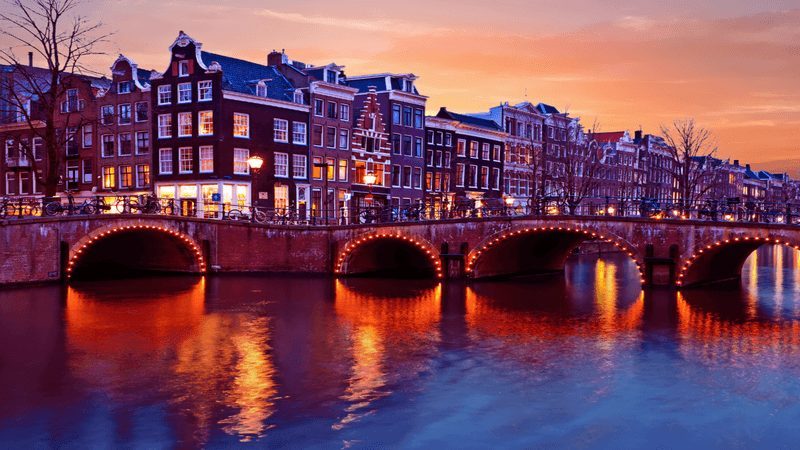
- Amsterdam: charges around 12.5% of the room rate as tourist tax on top of other taxes. By 2026, the total tax burden on accommodation (including VAT) is expected to reach about 33.5%.
- Barcelona: stacks regional and city taxes. In higher-end hotels, combined surcharges can reach around €11–€15 per person per night as increases phase in.
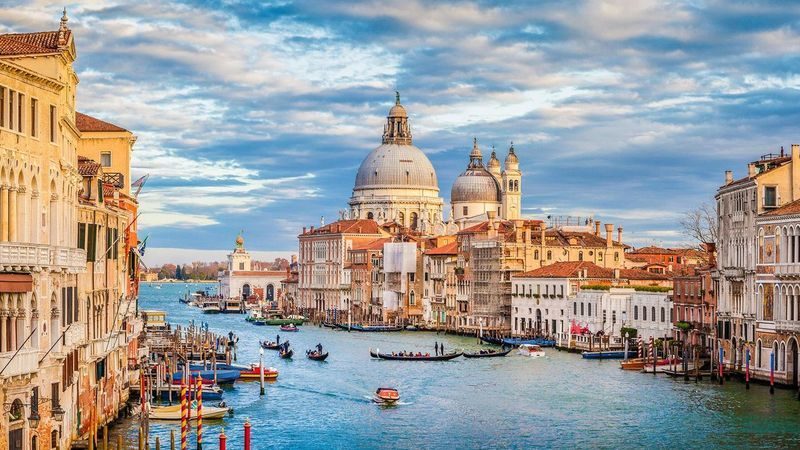
- Venice: charges a standard tourist tax for overnight guests plus a separate day-tripper access fee on certain days.
- Edinburgh: rolling out a 5% visitor levy on the pre-VAT room rate (first five nights) from 2025–2026.
- Paris, Rome, Dubrovnik, Santorini: all have their own per-night or per-visit systems that add up quickly for couples and families.
On a week-long stay for two adults, you’re easily looking at €70–€200+ in extra taxes in some of these cities. For a family of four, double it.
So I ask myself a simple question when planning: Is this city worth the premium, or would a nearby alternative give me 80% of the experience for 50% of the hidden costs?
Often, staying in a nearby town with lower tourist city taxes Europe cost and commuting in for sightseeing is a smart move. You still get the city, but you don’t pay for it every single night.
3. Day-Visitor & Entry Fees: Paying Just to Step Into the City
Here’s a newer twist: some places now charge you just to enter the city or historic center, even if you’re not staying overnight.
Venice is the poster child:
- On selected high-traffic days, day-trippers pay around €5 to enter the historic center between roughly 8:30 a.m. and 4:00 p.m.
- You’re supposed to pay in advance and carry a QR code as proof.
- Overnight guests pay the usual tourist tax instead, which can actually be cheaper than multiple day-entry fees.
Other places are experimenting with similar systems:
- Dubrovnik: limits Old Town entries and charges a steep fee (around €35) for certain day visitors.
- Santorini: charges cruise passengers a per-visit fee in peak season to manage crowds.
What does this mean for you in practice?
- If you’re on a cruise or a day tour, don’t assume the advertised price includes these city entry fees. Ask explicitly.
- If you’re choosing between day-tripping vs. staying overnight, run the numbers. In Venice, staying overnight can be cheaper than paying multiple day-entry fees.
- Check timing: arriving after the fee window (for example, after 4 p.m. in Venice) can sometimes avoid the charge.
My rule: whenever a city is in the news for “overtourism,” I assume there’s either a tax already in place or one coming soon. I check the official tourism site before I book anything.
4. Card Fees, ATMs & Currency Tricks: The 3–5% You Don’t See
Even if you’ve nailed your accommodation costs, your payment method can quietly add another 3–8% to your trip.
Here’s where the money leaks out:
- Foreign transaction fees: many cards (especially in the U.S.) charge 2.5–3% on every purchase in foreign currency. On a €3,000 trip, that’s roughly $75–$90 gone for nothing.
- ATM withdrawals: you can get hit twice—your bank’s foreign transaction fee and the local ATM fee. Some banks also add a separate “international ATM” surcharge.
- Dynamic currency conversion (DCC): this is when a terminal or ATM offers to charge you in your home currency instead of euros. It feels safe. It’s usually a bad deal. The markup is often 3–5% on top of everything else.
These are the payment processing fees when traveling that most people never see, but they add up fast.
My system now is simple:
- Use a fee-free card: I travel with at least one credit card that has no foreign transaction fees. If your card charges them, it’s worth getting a travel card before your trip.
- Always pay in local currency: when the terminal asks
Pay in EUR or in USD?
I always choose EUR. Same at ATMs. That’s how I avoid the dynamic currency conversion travel trap. - Limit ATM use: I withdraw a reasonable amount of cash at once from a reputable bank ATM, not a random tourist machine with sky-high fees.
- Check my bank’s rules: some banks reimburse ATM fees or waive foreign charges if you use partner banks. I check this before I leave.
One more subtle cost: mobile roaming. U.S. carriers love $10–$15 per day passes. Over 10 days, that’s $100–$150 per person. For a family, it’s brutal. I usually switch to a local SIM or an eSIM instead and treat roaming as a last resort.
If you’re wondering how to avoid travel payment fees, this combination—fee-free card, local currency, smart ATM use—gets you most of the way there.

5. Budget Airlines & Transport Traps: When the Cheap Flight Isn’t Cheap
Ryanair, easyJet, Wizz Air and friends are masters of the low headline price. The real cost only appears once you start adding what most people consider normal travel needs.
When I see a €19 fare, here’s what I immediately check:
- Baggage: many budget airlines now charge for any carry-on beyond a tiny personal item. A standard cabin bag can cost more than the ticket itself.
- Checked bags: fees jump sharply if you add them at the airport instead of online. Overweight charges per kilo are painful.
- Seat selection: want to sit with your partner or kids? That’s often an extra fee per seat, per leg.
- Boarding passes: some carriers still charge if you don’t check in online or if you need a printed pass at the airport.
By the time a family of four adds two checked bags, four seat selections and a couple of cabin bags, that €19 flight can quietly become €80–€120 per person.
Local transport has its own hidden travel costs after booking:
- Unvalidated tickets: in cities like Vienna, you must validate your tram or metro ticket before boarding or immediately on board. Forget, and you risk an on-the-spot fine (around €135 in Vienna).
- Zone confusion: buying the wrong zone ticket for trains or metros can also lead to fines, even if you “meant well.” Inspectors don’t care about intentions.
- Local metro cards and passes: a city pass can be great value, but in some places the local metro card and pass cost is overkill if you’re only taking one or two rides a day.
My approach:
- Price the full journey: when comparing flights, I add baggage, seat and airport to city transport cost before deciding. Sometimes a “more expensive” full-service airline is actually cheaper overall.
- Read the transport rules: in a new city, I spend five minutes checking how tickets work—zones, validation, time limits. That five minutes can save €100+ in unexpected public transport fees for tourists.
- Travel lighter: if I know I’ll be hopping on budget airlines, I pack to fit one shared checked bag or strict cabin rules.
6. Restaurant Service Charges, Cleaning Fees & Other “Small” Extras
Individually, these don’t look huge. Together, they can easily add another 10–20% to your real trip cost.
Here’s what I keep an eye on:
- Restaurant service charges: in many European countries, a 10% service charge is added to the bill. That’s not a scam; it’s just how the system works. But if you’re also tipping 15–20% on top out of habit, you’re overpaying.
- Cover charges: in Italy and elsewhere, you’ll see
coperto
or a per-person cover charge. It’s normal, but it’s a cost you should expect. - Vacation rental cleaning fees: Airbnb and similar platforms often add a non-negotiable cleaning fee that can be €50–€70+ per stay. For short stays, this can make an apartment more expensive than a hotel.
- New entry systems: from 2026, Americans and some other non-EU travelers will need an ETIAS visa waiver to enter much of Europe, with a per-adult fee. It’s not huge, but it’s another mandatory line item.
My habits here are simple:
- I always check the final price of a rental, including cleaning and service fees, before comparing it to a hotel.
- At restaurants, I look at the bill: if there’s already a service charge, I tip lightly or not at all unless service was exceptional.
- For short stays (1–2 nights), I often prefer hotels over apartments because cleaning fees distort the nightly rate.
None of these charges are inherently unfair. The problem is when we don’t see them coming—and don’t include them when budgeting for hidden travel expenses.
7. Fines & “Harmless” Tourist Habits That Get Expensive
Some of the most painful travel costs aren’t fees at all—they’re fines for things that feel harmless.
Examples that keep popping up:
- Buying counterfeit goods: in parts of Italy, buyers of fake bags or sunglasses can be fined up to €10,000. Not just the sellers.
- Feeding pigeons: banned in places like Venice, with fines attached.
- Sitting on monuments: sitting on Rome’s Spanish Steps, for instance, can lead to a fine.
- Swimming where you shouldn’t: jumping into Venice’s canals is both illegal and a health risk, and it comes with penalties.
These rules aren’t always obvious, and they change. But the pattern is clear: heavily touristed cities are increasingly using fines to control behavior and protect heritage.
My rule of thumb: if a place looks iconic, fragile or sacred, I assume there are rules—even if I don’t see a sign. I don’t climb, sit, swim or feed anything unless I’m sure it’s allowed.
8. How to Budget for the Invisible 30–50%
When you add all of this up—tourist taxes, card fees, transport extras, service charges, cleaning fees, occasional fines—the real cost of a trip can easily be 30–50% higher than the bare-bones flight + hotel number you started with.
So how do you plan realistically without killing the joy?
Here’s the framework I use now:
- Add a tax buffer: I assume at least €4–€10 per person per night in tourist taxes for major European cities unless I’ve checked otherwise. That covers most hotel city tax not included in price surprises.
- Use the right card: I travel with at least one no-foreign-fee credit card and always pay in local currency to avoid extra credit card fees on international travel.
- Price the full flight: I compare flights only after adding baggage, seat and airport transfer costs. A slightly higher fare can be cheaper once you strip out the traps.
- Check local rules: before I go, I skim the official tourism site for taxes, entry fees and common fines. Five minutes of reading can save hundreds.
- Be intentional with destinations: if my budget is tight, I might choose one high-tax “dream” city and balance it with a few lower-cost, lower-tax destinations.
The goal isn’t to dodge every fee. That’s impossible. The goal is to make sure you decide where your money goes, instead of discovering it at the check-in desk, the ATM screen or the ticket inspector’s clipboard.
If you treat these extra charges on arrival at hotel, card fees and local transport hidden charges as part of the plan—not an afterthought—you’ll travel with fewer nasty surprises and a lot more control.