

I don’t usually blow my travel budget on big, obvious splurges. It’s the quiet little charges that get me: a surprise ATM fee here, a roaming bill there, laundry that costs more than dinner. If you’ve ever checked your statement mid-trip and thought, Where did all my money go?
this guide is for you.
Let’s walk through the invisible travel costs that ambush people on the road – and how to build them into your budget so they stop being surprises.
1. Data Roaming & Phone Plans: The Bill That Hits After You Get Home
Phone data is one of the sneakiest hidden travel costs because it doesn’t hurt until weeks later. You land, switch off airplane mode just for a second
, and suddenly your carrier is charging premium rates for every MB.
Here’s the uncomfortable truth: traditional roaming is almost never the best deal. Many carriers still charge eye-watering daily or per-MB rates. A few days of lazy roaming can cost more than your flight.
So what are your real options when you’re budgeting for phone data abroad?
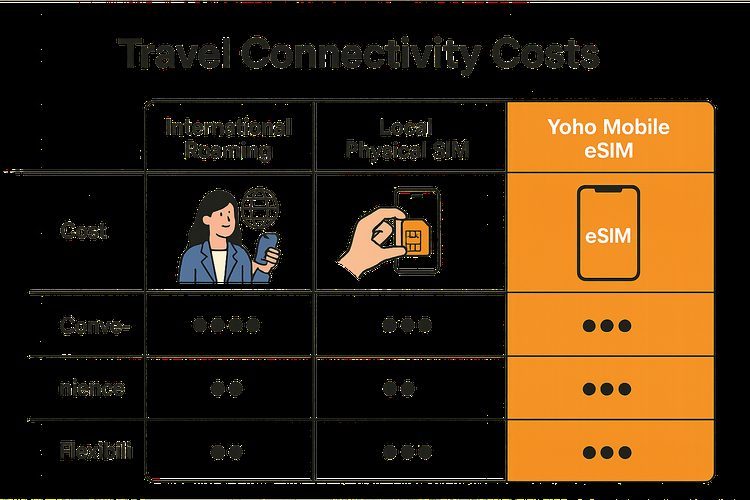
- International add-on from your carrier: Simple, but often overpriced and limited. Good if you’re anxious about tech and only traveling for a couple of days.
- Local SIM card: Usually the cheapest in pure price, but you need to find a shop, show ID, and swap SIMs. Not ideal if you need your home number active for codes or calls.
- eSIM data plans: You buy and activate a digital SIM before you fly. No physical card, no store hunt. Providers like Yoho Mobile (discussed in this guide) sell country or regional plans that are often far cheaper than roaming.
The key budgeting move is simple: decide your data strategy before you leave. Don’t wait until you’re standing in an airport with no Wi‑Fi and a long line behind you.
When I plan a trip, I literally write a line in my budget: Connectivity: $X
. That covers:
- eSIM or local SIM cost
- Any top-ups I realistically might need
- A small buffer for airport Wi‑Fi or emergency calls
Once you’ve set that number, you can make smarter choices on the road. If you know you only budgeted 5 GB for a week, you’ll think twice before streaming HD video on mobile. That’s how you avoid the classic cost of data roaming on vacation shock when you get home.
2. ATM Fees, FX Markups & Cash: Death by a Thousand Tiny Percentages
Cash is still king in many places. The problem is that getting that cash can be expensive if you don’t understand the layers of fees and foreign transaction fee traps.
There are usually three ways your money leaks:
- Your home bank’s foreign ATM fee – often a flat fee plus a percentage.
- The local bank’s ATM fee – a fixed charge per withdrawal.
- Bad exchange rates or dynamic currency conversion (DCC) – when the machine or terminal offers to charge you in your home currency.
That last one is particularly nasty. You’ll see something like: Pay 50 EUR or 56 USD?
It feels safer to pick your home currency. In reality, you’re usually accepting a terrible exchange rate. Most experts, including those in this breakdown of hidden travel fees, agree: always choose to pay in the local currency.
Here’s how I budget and minimize cash costs and international ATM fees when traveling:
- Get a no-foreign-transaction-fee card for purchases. That 1–3% fee on every transaction adds up fast.
- Use a travel-friendly bank that reimburses ATM fees or charges low ones.
- Withdraw fewer, larger amounts instead of many small ones, as long as it’s safe to carry.
- Avoid airport exchange counters except for a tiny starter amount. Their rates are usually awful.
When you build your budget, don’t just write Cash: $300
. Add a line for cash access costs. Even a conservative 2–3% on that $300 is $6–9 gone for nothing. With the wrong card and low ATM withdrawal limits while traveling, it can be much more.

3. Laundry, Toiletries & Small Daily Essentials: The Slow Leak
Laundry is the classic invisible
cost. You don’t think about it when you book flights, but halfway through a trip you’re paying hotel prices to wash socks. That’s when you realize you never added travel laundry cost to your budget.
Here’s the rough hierarchy of laundry costs I’ve seen:
- Hotel laundry: Most expensive. Per-item pricing can make a small bag cost as much as a nice meal.
- Full-service laundromat: You drop off, they wash and fold. Still not cheap, but usually far better than hotels.
- Self-service laundromat: Cheapest in cities, but you pay in time and coins.
- DIY in the sink: Almost free, but only realistic for light clothes and short trips.
Instead of pretending laundry won’t happen, I assume:
- One proper wash every 7–10 days on longer trips.
- A small buffer for detergent, stain remover, or a quick hotel sink wash.
Then I add a simple line to my budget: Laundry & essentials: $X per week
. That same line also covers:
- Toiletries you forgot or can’t carry (sunscreen, shampoo, razor)
- Random small items (umbrella, flip-flops, reusable water bottle)
- Medication top-ups (painkillers, allergy pills)
These don’t feel like travel costs
in the moment. But they are. And they’re predictable if you’re honest with yourself about how you actually live on the road.
4. Airports, Planes & “Cheap” Flights That Aren’t
Airlines are masters of the from $49
game. The base fare looks tiny. The final price… not so much.
By the time you’re done, you might have paid for:
- Checked baggage (and sometimes even carry-on)
- Seat selection – including middle seats on some airlines
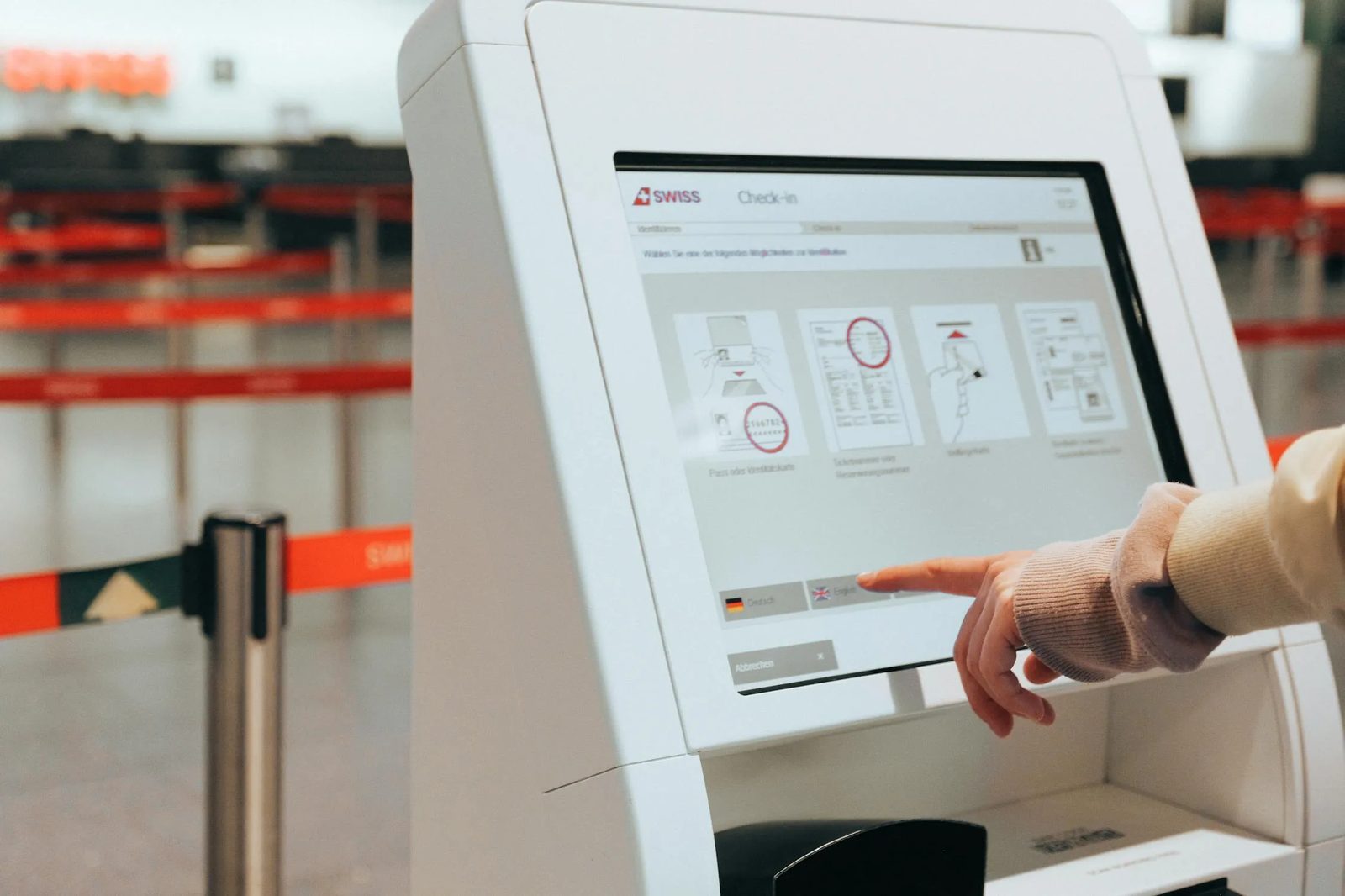
- Airport check-in or boarding pass printing on low-cost carriers
- Change or cancellation fees
- Phone booking fees if you don’t book online
- Auto-added travel insurance you didn’t notice
Then there’s the airport itself: overpriced food, water, and parking. As The Professional Hobo points out, these extras can quietly turn a bargain flight into the most expensive option.
Here’s how I keep this under control and avoid some of the most common hidden travel costs around flights:
- Compare total trip cost, not just the fare. I click through to the final price with bags and seat selection before I decide.
- Pack to your ticket. If your fare doesn’t include a checked bag, don’t pack like it does.
- Skip paid seat selection unless it really matters. Many times, I let the airline assign a seat for free.
- Check in online and use mobile boarding passes to avoid printing fees.
- Bring snacks and an empty water bottle to avoid airport markups.
In your budget, don’t just write Flight: $400
. Break it down:
- Base fare + taxes
- Expected baggage fees (both ways)
- Seat selection (if you know you’ll pay for it)
- Airport transfers and parking
- Airport food buffer
Once you see that full number, some cheap
flights stop looking so attractive.
5. Hotels, “Resort Fees” & In-Room Traps
Accommodation is another place where the headline price lies. You think you’re paying $120 a night. Then you see the bill and discover:
- Resort fees for the pool, gym, or
amenities
you never used - Wi‑Fi charges in 2026, somehow
- In-room safe fees – yes, some hotels charge daily for that
- Mini-bar raids you forgot about
- Early check-in or late check-out fees
These are not rare. They’re business models.
My approach is simple and a bit skeptical:
- Search for the real nightly cost. On booking sites, click through to the final price and divide by nights. That’s your true rate.
- Read the fine print and recent reviews for words like
resort fee
,facility fee
, ormandatory service charge
. - Ask at check-in:
Are there any daily fees or charges I should know about?
- Decide on the safe and mini-bar upfront. If the safe has a fee, I usually skip it and use a money belt or front-desk safe.
In your budget, treat accommodation as:
- Room rate x nights
- + mandatory fees (resort, service, city tax)
- + realistic extras (laundry, occasional room service, tips)
Once you do that, a slightly more expensive hotel with no hidden fees can actually be cheaper than the deal
with a long list of add-ons.
6. Local Transport, Taxis & “Just This Once” Convenience
Transport inside your destination is where daily budgets quietly explode. You’re tired, it’s late, the bus system looks confusing, and suddenly you’re in a taxi paying airport prices for a 10-minute ride.
Common money drains:
- Airport taxis and hotel cars that cost 2–3x public transport
- Rideshares used for every short hop instead of walking or transit
- Parking fees if you rent a car in a city that doesn’t need one
- Tourist-zone transport (like hop-on hop-off buses) that duplicate cheap local options
The fix is mostly about research and honesty:
- Before you go, look up airport transfer options. Is there a train, metro, or bus? How long does it take? How much?
- Decide your default mode: walk + public transport, or car + parking. Don’t mix them randomly; that’s how you overspend.
- If you know you’ll be tired on arrival, budget for one expensive ride and accept it. The problem is when every ride becomes
just this once
.
In your budget, I like to split this into:
- Airport transfers (both ways)
- Daily local transport (passes, tickets, occasional taxi)
- Parking / tolls if renting a car
Once you see the numbers, you might decide that a central hotel with higher nightly cost but no daily transport or parking is actually the cheaper choice.
7. Tipping, Service Charges & Social Pressure Spending
Tipping is where money and culture collide. In some countries, tipping is expected and built into wages. In others, it’s minimal or even awkward. If you don’t know the norms, you can easily over-tip out of guilt or under-tip and feel uncomfortable.
On top of that, many places now add a service charge to the bill. If you don’t notice, you might tip on top of that and double-pay.
Here’s how I handle it:
- Before I go, I quickly search:
COUNTRY tipping guide
. I want a simple rule of thumb. - At restaurants, I check the bill for
service
orservice charge
. If it’s there, I only add extra for exceptional service. - I keep a small stash of small bills or coins for housekeeping, porters, and drivers where tipping is customary.
Then I add a modest line in my budget: Tipping & small thank-yous: $X
. It doesn’t have to be huge, but acknowledging it keeps it from feeling like a constant surprise.
While we’re here, it’s worth mentioning social pressure spending: the extra drink you didn’t really want, the overpriced group activity you joined because everyone else did. These aren’t fees
, but they are overlooked travel expenses if you never plan for them.
I usually give myself a small, honest buffer: Spontaneous fun / peer pressure: $X
. It sounds silly, but it’s realistic. And realism is what keeps budgets from breaking.
8. Building a Realistic Daily Budget (That Survives Reality)
Most people budget like this: Hotel + flight + some food = done.
Then they’re shocked when the card bill arrives.
I prefer to think in layers and build a daily travel expenses breakdown that matches how I actually travel.
Layer 1: Fixed big-ticket items
- Flights (with all fees)
- Accommodation (with all taxes and mandatory charges)
- Travel insurance
Layer 2: Predictable recurring costs
- Data / phone plan (roaming, local SIM, or eSIM)
- Local transport
- Laundry & toiletries
- Average daily food (including airport days)
Layer 3: Invisible but inevitable extras
- ATM and currency costs
- Tipping and small cash payments
- Occasional taxis or rideshares
- One or two
oops
purchases (adapter, umbrella, charger)
When you build your daily budget, don’t just ask, How little can I spend?
Ask, What do I actually spend when I’m tired, hungry, and in a new place?
That’s the number that matters.
If you want a simple rule for budgeting for invisible travel costs: once you’ve added up your realistic daily costs, add 10–20% as a buffer for all the invisible stuff we’ve just talked about. If you don’t use it, great. If you do, you won’t be surprised.
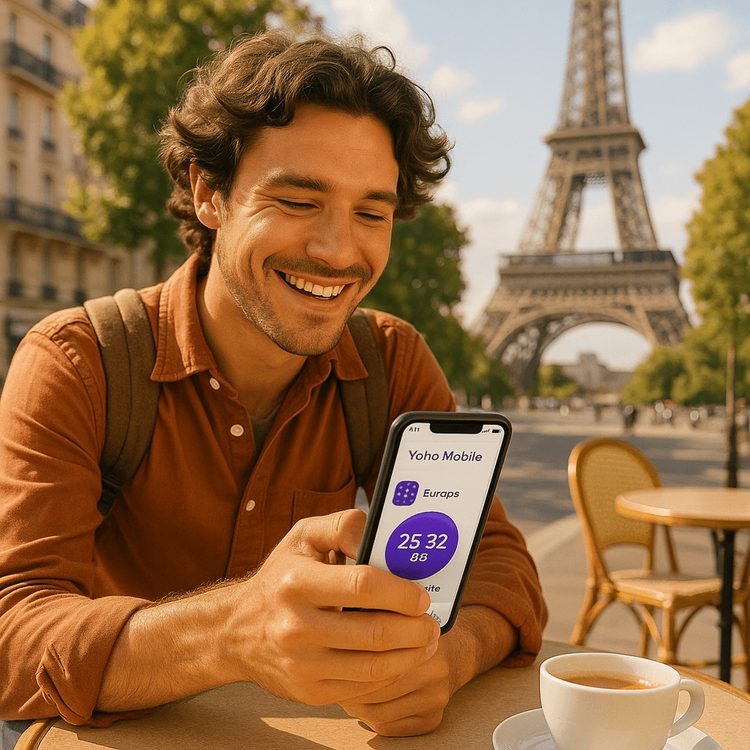
Travel gets a lot less stressful when money stops being a mystery. The goal isn’t to eliminate every fee – that’s impossible. The goal is to see them coming, price them in, and enjoy your trip knowing your budget matches reality. That’s how you avoid surprise travel fees and keep your trip fun instead of financially stressful.