I used to believe the same thing you probably do: last-minute flights are always a rip-off.
Then I started digging into real fare data, dynamic pricing systems, and how airports and timing actually change what you pay.
The truth is messier. Sometimes waiting really does cost you three times more. Other times, on specific routes and airlines, booking a week out is actually cheaper than planning months ahead. The trick is knowing when the odds are on your side – and when you’ve become the desperate buyer airlines quietly wait for.
1. Are Last‑Minute Flights Really More Expensive – Or Is That a Myth?
The uncomfortable answer: both things are true.
Most guides on last minute travel costs will tell you that late bookings are usually more expensive. They’re not wrong. As cheaper fare buckets sell out, the system leaves you with higher-priced seats, especially within 48 hours of departure and around peak dates like Christmas, Thanksgiving, and school holidays. On some routes, prices can nearly triple if you wait until the last two days.
But there’s a twist. A 2025 analysis of over 21,000 fares on busy U.S. routes found that tickets bought about a week before departure were, on average, 8.3% cheaper than those booked further in advance, with last-minute one-way fares averaging around $228. That’s not a rounding error. That’s the market quietly saying that late
doesn’t always mean punished
.
So what’s going on with last minute flight pricing strategies?
- Dynamic pricing means there’s no single rule. Algorithms react to demand, competition, and booking pace in real time.
- Route and season matter more than the calendar. A quiet Tuesday in August on a competitive route behaves very differently from a Friday in February on a business-heavy corridor.
- “Last-minute” is not one thing. Booking 7–10 days out is very different from booking 24–48 hours out.
Here’s how I think about last minute travel costs now:
- 7–21 days out: Prices can be surprisingly reasonable or even cheaper on some routes, especially if demand is soft.
- 2–6 days out: You’re in the danger zone. Prices often creep up, but deals still appear on undersold flights.
- 0–48 hours: This is where the horror stories live. Unless a flight is badly undersold, expect a steep markup.
If you remember nothing else from this section, remember this: last-minute is a gamble, not a strategy. Sometimes you win. Over time, the system is designed so that the airline wins more.
2. How Dynamic Pricing Actually Works (And Why Your Fare Jumps for No Reason)
Dynamic pricing sounds like jargon until you watch a fare jump $80 between your first coffee and your lunch break. I’ve done that. You probably have too.
Here’s what’s happening behind the scenes when you see those price spikes on last minute tickets.

Airlines used to rely on fixed fare buckets
– a set number of seats at each price. Now, most major carriers use AI-driven systems that constantly recalculate fares based on:
- Demand and booking pace: Are seats selling faster or slower than expected?
- Competitor prices: Did another airline just drop its fare on the same route?
- Seasonality and events: Is there a festival, conference, or school holiday coming up?
- External shocks: Fuel prices, regional conflicts, weather disruptions.
The goal is simple: maximize revenue per flight while keeping enough seats filled to stay profitable. That’s why people on the same plane can pay wildly different prices. The system isn’t reacting to you personally; it’s reacting to the overall pattern of demand.
What this means for last-minute travelers:
- As seats fill, prices rise. Late bookers are often business or urgent travelers, and the system knows they’re less price-sensitive.
- Undersold flights can drop in price. If a route is quiet or an off-peak time isn’t filling, the algorithm may cut fares close to departure to avoid empty seats.
- AI adds volatility. Tiny changes in demand can trigger sudden jumps or drops. That’s why you see those
how is this $150 cheaper than yesterday?
moments.
Dynamic pricing doesn’t care about fairness. It cares about filling seats at the highest sustainable price. Once you accept that, you stop looking for the rule
and start looking for leverage – the things you can actually control to save on last minute airfare.
3. Airline Choice: When Budget Carriers Win (And When They Quietly Drain Your Wallet)
When I started comparing last-minute fares by airline, one pattern jumped out: the cheapest-looking ticket is often not the cheapest trip.
In that 2025 fare study, budget airlines like Spirit and Frontier consistently offered the lowest last-minute base fares. Some full-service carriers, like Alaska and Southwest, even priced last-minute tickets lower than advance bookings on average. Alaska’s last-minute fares were about 22.6% cheaper than its advance fares on the routes studied.
But there’s a catch – several, actually. This is where the hidden costs of last minute travel start to creep in.
- Budget carriers rely heavily on add-ons: bags, seat selection, priority boarding, even printing a boarding pass at the airport.
- Full-service airlines often include more in the base fare: a carry-on, sometimes a checked bag, better schedules, and more reliable operations.
- Some airlines, like JetBlue and Hawaiian in the analysis, punish last-minute buyers with steep markups – nearly 30% more than advance fares in JetBlue’s case.
So how do you choose when you’re booking late and trying to avoid last minute booking mistakes?
I use a simple mental checklist:
- Calculate the real total: Add bags, seat fees, and any extras you actually care about. Compare that total across airlines, not just the headline fare.
- Check flexibility: If your plans might change, a slightly higher fare on a more flexible airline can be cheaper than change fees or a lost ticket.
- Look at schedule and reliability: A rock-bottom fare that gets you in at 1 a.m. to a distant airport with poor transport might cost you more in taxis and lost sleep.
There’s no universal winner. On some last-minute trips, a bare-bones budget carrier is perfect. On others, a mid-priced full-service airline with better timing and fewer surprise fees is the real bargain.
4. Airport Choices: The Hidden Price of Flying Into the “Wrong” City
One of the easiest ways I’ve cut last-minute costs is by treating airports as interchangeable – at least at the search stage.
Most cities have more than one viable airport, and the secondary
or older one is often where the deals hide. Think Oakland instead of San Francisco, Don Mueang instead of Suvarnabhumi in Bangkok, or a smaller regional airport that low-cost carriers favor.
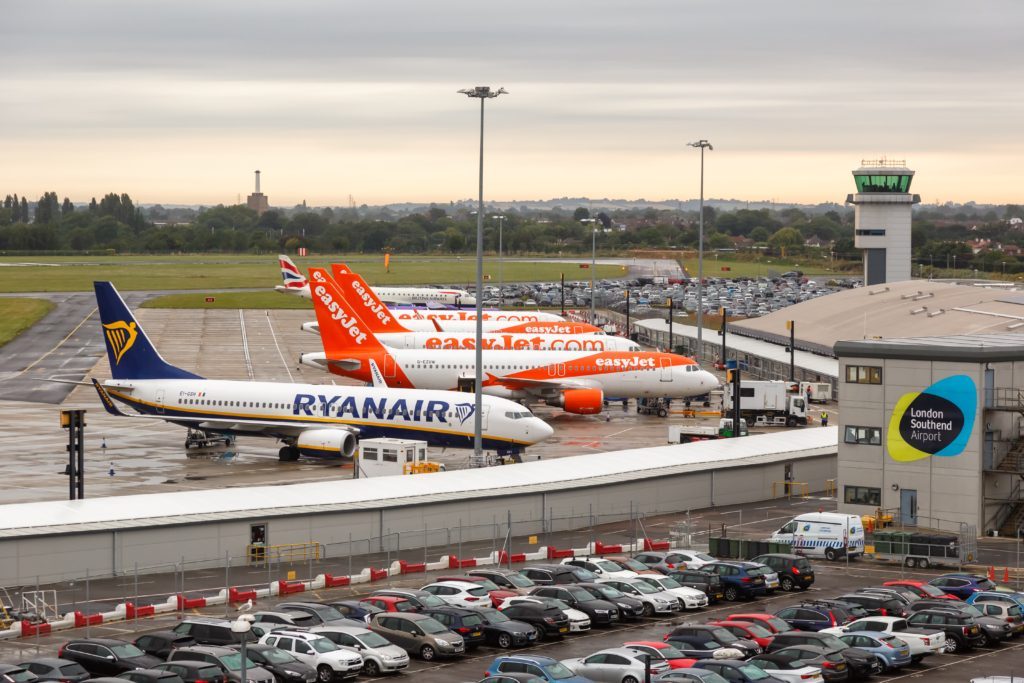
Here’s why this matters for last-minute bookings and overall last minute travel costs:
- Primary hubs (the big, shiny airports) tend to have higher demand and more business travelers – exactly the people who book late and pay more.
- Secondary airports often serve more price-sensitive travelers and low-cost carriers, which can mean lower last-minute fares.
- Ground transport can flip the math. A cheaper flight to a far-out airport plus an expensive taxi can cost more than a pricier flight to the main hub with a cheap train.
When I’m booking late, I always:
- Search “all airports” for both origin and destination if the tool allows it.
- Check the total door-to-door cost: flight + transport + time. A $60 saving isn’t worth a 2-hour bus at midnight if I have an early meeting.
- Consider open-jaw itineraries: fly into one airport, out of another, if that’s where the cheap last-minute seats are.
The key question I ask myself: If I pretend the city is the destination, not the airport, which combination actually gets me there cheapest and sanest?
When you compare the cost comparison main vs secondary airports, don’t just look at the fare. Look at the whole journey.
5. Timing Tricks: When Last‑Minute Actually Works in Your Favor
Most people ask, What’s the best day to book?
I think that’s the wrong question. For last-minute travel, the better question is: When is the market least interested in the same seat I want?

From both data and experience, a few patterns keep showing up when you’re hunting for the cheapest time to book last minute flights:
- Midweek departures – especially Tuesdays and Wednesdays – are often cheaper than Fridays and Sundays, even when booked late.
- Off-peak months can flip the script. August, for example, can be surprisingly good for last-minute deals on some routes, while February and March can be weirdly expensive despite being off-peak in other contexts.
- Trip length flexibility matters. Shifting your stay by a day or two, or making it slightly longer/shorter, can unlock cheaper combinations of flights and hotels.
Here’s how I actually search when I’m booking late and trying to use timing tricks for cheaper flights:
- Use a broad search tool (Skyscanner, Google Flights, etc.) with flexible dates turned on.
- Scan a full week around my ideal departure and return dates.
- Play with one-way tickets and open-jaw routes instead of locking into a round-trip bundle.
- Adjust my hotel dates to match the cheapest flight pattern, not the other way around.
One more subtle timing trick: don’t wait for the miracle drop in the final 48 hours. Tour operators and airlines sometimes discount unsold inventory close to departure, but prices can also spike again as desperate buyers jump in. If I see a fare that’s good enough
a few days out, I usually take it rather than gambling on a last-second miracle.
6. When Last‑Minute Is Smart – And When You Should Absolutely Book Early
Last-minute travel isn’t inherently good or bad. It’s just a tool. The question is whether it fits your situation.

From everything I’ve seen, last-minute strategies and flexible dates last minute flight deals work best when:
- You’re flexible on destination and dates. You can go where the deals are, not where your heart is set.
- You’re traveling in off-season or shoulder season, not peak holidays.
- You’re okay with secondary airports, odd flight times, and basic cabins.
- You’re booking solo or as a couple, not trying to coordinate a family of five in school holidays.
On the other hand, booking early is almost always smarter when:
- You have fixed dates (weddings, conferences, school breaks).
- You need specific accommodation (family rooms, accessible rooms, popular resorts).
- You’re traveling during peak periods – Christmas, New Year, major festivals, summer holidays.
- You’re flying long-haul on limited routes where competition is low, especially for last minute international flight costs.
One practical workaround if cash flow is the only thing stopping you from booking early: some agencies and airlines offer pay-later or layaway models that let you lock in a fare now and pay over time. It’s not for everyone, but it’s often cheaper than waiting until the price jumps.
The real decision test I use is simple: If I wait, am I gambling with money, or with the entire trip?
If the answer is the trip
, I book early.
7. A Simple Playbook for Not Getting Burned by Last‑Minute Travel
Let’s pull this together into something you can actually use the next time you’re tempted to book a spontaneous trip.
Before you search:
- Decide what’s fixed (dates, destination, must-have airport) and what’s flexible.
- Set a realistic budget range and a
walk-away
price where you’ll skip or change the plan.
While you search:
- Use flexible date tools and search all nearby airports on both ends.
- Compare total trip cost, not just base fares: bags, seats, transport, and time.
- Check both budget and full-service airlines; don’t assume one category is always cheaper.
- Experiment with one-way tickets and open-jaw itineraries.
When deciding whether to book now or wait:
- If you’re within 48 hours and the price is tolerable, don’t expect a miracle drop.
- If you’re 7–14 days out and see a fare that’s
good enough
, consider locking it in. - If the trip is important and dates are fixed, treat waiting as a gamble, not a strategy.
Dynamic pricing, airport choice, and timing tricks won’t turn every last-minute trip into a steal. But they can keep you from overpaying blindly – and sometimes, they’ll hand you a deal that feels almost unfair in your favor.
The next time you’re staring at a flight search at midnight, ask yourself: Am I playing this game with the odds on my side, or am I the desperate buyer the algorithm has been waiting for?
Your answer should decide whether you click Book now, or walk away.