

I love a good deal as much as anyone. But after years of chasing “cheap” last-minute flights, I’ve learned something uncomfortable: the lowest ticket price is not always the lowest trip cost.
If you’ve ever grabbed a bargain fare and then watched your budget explode on bags, hotels, and transfers, you know the feeling. In plenty of cases, overpaying
a little on the flight can actually save you hundreds overall.
Let’s walk through the choices that really matter when you’re booking late and trying to keep your last minute travel budgeting under control.
1. Are You Really Getting a Deal, or Just a Cheap Base Fare?
When I’m booking last minute, the first trap I look for is the illusion of a deal. A low number on the screen doesn’t automatically mean a low-cost trip.
Most airlines now use dynamic pricing and multiple fare buckets. As fare guides from Going and Kiwi explain, the cheapest buckets sell out first. Close to departure, you’re often left with higher fares and stripped-down inclusions.
So before I get excited about a “cheap” last-minute ticket, I run through three questions:
- What’s actually included? Bags? Seat selection? Any flexibility at all?
- What will I realistically add? Checked bag, carry-on, seat, priority boarding?
- What’s the true door-to-door cost? Transfers, extra nights, food, time off work?
Once I add those up, a slightly more expensive flight with better inclusions often wins the last minute flight cost breakdown. Especially when I’m booking late and can’t plan around ultra-tight connections or awkward airport locations.

Takeaway: Don’t compare base fares. Compare the total trip cost for the way you actually travel.
2. Are You Saving on the Ticket but Overpaying for Time and Stress?
Last-minute travel is already stressful. This is where I’ve learned that time is money in a very literal way.
That $80 cheaper flight with a 7-hour overnight layover? It might cost you:
- An airport hotel or a miserable night on a bench
- Extra meals and snacks at airport prices
- Lost sleep, which hits hard if you’re traveling for work or a short break
On top of that, dynamic pricing means that as you get within about three weeks of departure, fares tend to rise sharply, as noted by MoreTraveler. So the “cheap” options that remain are often cheap for a reason: they cost you in time, not just money
.
Here’s how I decide whether to pay more upfront and avoid the hidden costs of last minute travel:
- If a more direct or better-timed flight saves me a hotel night, I’m willing to pay more.
- If a better schedule lets me work a full day instead of losing income, I factor that in.
- If I’m traveling for something important (wedding, meeting, cruise), I pay extra to reduce the risk of misconnects.
Takeaway: When you’re booking late, a pricier nonstop or better-timed flight can be the cheapest choice once you value your time, sleep, and sanity.
3. Are You Flying the Wrong Days Just to Chase a Fare?
One of the easiest ways to blow your budget is to lock into “must-fly” dates and then panic-book whatever’s left. Most data-backed guides agree on two things:
- Prices usually rise as you get close to departure.
- Midweek flights (especially Tuesday and Wednesday) are often cheaper, even last minute.
Sources like CheapDealsFare and KAYAK both highlight this midweek advantage.
Here’s the trade-off I look at when I’m weighing total trip cost vs flight price:
- Flying Friday–Sunday usually means higher fares and higher hotel rates.
- Shifting to Tuesday–Thursday can cut both the flight and the room cost.
Sometimes, paying a bit more for a midweek flight that lines up with cheaper hotel nights is smarter than grabbing the absolute lowest fare on peak days and then overpaying for everything on the ground.
Takeaway: Don’t just ask, What’s the cheapest flight?
Ask, Which dates give me the lowest combined cost for flights, hotels, and time off?
4. Is That Secondary Airport Actually Saving You Money?
I like secondary airports. They’re often calmer, and they can be cheaper, especially if you’re flexible, as noted in guides like TheTravel and KAYAK. But last minute, they can also be a budget trap.
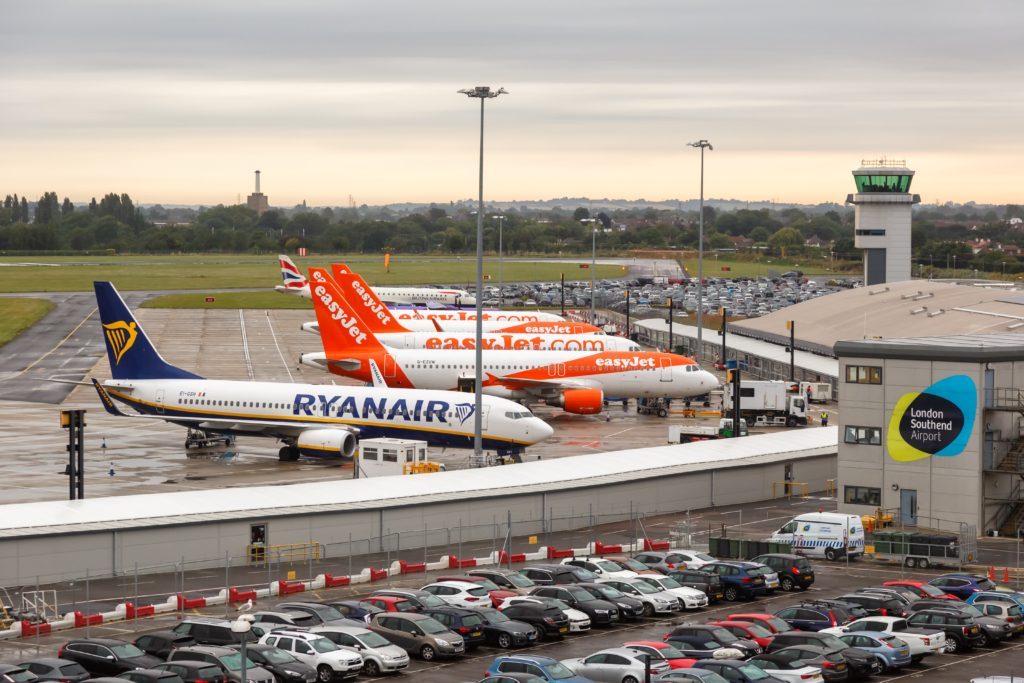
Here’s how I sanity-check a “cheap” secondary airport option:
- Ground transport cost: How much is the train, bus, or rideshare to where I actually need to be?
- Travel time: Am I adding 1–2 hours each way? Does that mean extra meals or even another hotel night?
- Schedule risk: Fewer flights often mean fewer backup options if something goes wrong.
Example: A $70 cheaper flight into a far-flung airport can easily be wiped out by a $40–$60 taxi and an extra meal. If I’m traveling with someone else, those transfer costs double.
On the other hand, if public transport is cheap and frequent, that secondary airport can be a genuine win. The key is to do the math before you book, not after you land.
Takeaway: A slightly more expensive ticket into the right airport can save you money on transfers, time, and hassle—especially when you’re booking at the last minute and can’t fine-tune every detail.
5. Are You Ignoring Baggage and Seat Fees That Will Hit You Later?
Last-minute trips often mean less time to pack strategically. You might be traveling for a wedding, a work event, or a multi-climate itinerary. In other words, you’re more likely to need bags.
Budget airlines love this. They lure you in with a low base fare and then charge for:
- Carry-on bags
- Checked bags
- Seat selection (especially if you want to sit together)
- Priority boarding

When I’m booking late, I often find that a full-service airline with a higher upfront fare but included bags and a decent seat is cheaper than a bare-bones ticket once I add everything I’ll realistically pay for.
My quick rule to avoid the true cost of cheap flights:
- If I need a checked bag and a normal carry-on, I immediately compare all-in prices, not base fares.
- If I’m traveling with family or a partner, I assume we’ll pay for seats together unless they’re included.
Takeaway: Last minute, you have less time to travel ultra-light. Paying more for a fare that includes what you need can be the budget-friendly move.
6. Are You Gambling on Last-Minute Drops When You Should Lock In?
There’s a persistent myth that if you wait until the last second, airlines will panic and slash prices. Most of the data says the opposite.
Multiple sources—including PayLaterTravel, Kiwi, and Aerospace Global News—agree on a few key points:
- Last-minute cheap flights do exist, but they’re the exception.
- Airlines know late bookers are often business or emergency travelers and will pay more.
- On popular routes and peak dates, prices usually only go up as departure nears.
So when does paying more now save you money later?
- When you’re traveling around holidays, school breaks, or big events.
- When you have fixed dates (weddings, cruises, conferences).
- When you’re seeing fares creep up day after day.
In those cases, I’d rather pay a bit more today than gamble and end up paying three times as much tomorrow—or not going at all.
Takeaway: If your dates are fixed and demand is high, waiting for a miracle drop is usually more expensive than locking in a slightly higher fare now.
7. Are You Using Flexibility Strategically, Not Just Hoping for Luck?
Flexibility is the one lever that consistently works in your favor. But it has to be strategic, not just wishful thinking.
With tools like Skyscanner, Google Flights, Kiwi, and KAYAK’s flexible date search, I use flexibility in three ways when I’m booking late and thinking about last minute airfare strategy:
- Flexible dates: I check +/- 3 days to see if shifting by even one day cuts the fare and hotel cost.
- Flexible airports: I compare nearby airports but always include transfer costs and time.
- Flexible routing: I look at one-way and open-jaw tickets, which can be cheaper and more logical for last-minute trips.

Sometimes, the best move is counterintuitive: paying more for a flexible or changeable fare. If your plans might shift, a slightly higher ticket that lets you move dates without a huge penalty can save you from buying a whole new last-minute ticket later.
Takeaway: Use flexibility to shape a cheaper overall trip, not to justify endless waiting. The goal is a smart, bookable plan—not a perfect unicorn fare that never appears.
8. How to Decide: When Paying More Upfront Actually Saves You Money
When I’m staring at a screen full of last-minute options, I run a quick mental checklist:
- Total trip cost: Flight + bags + seats + transfers + hotels + time off.
- Risk: How expensive is it if I miss this event or connection?
- Comfort vs. chaos: What’s the real cost of exhaustion, stress, and lost time?
Then I ask myself one blunt question: If this trip goes wrong because I chose the cheapest possible flight, how much will that actually cost me?
Often, the honest answer pushes me toward a slightly more expensive ticket that’s:
- Better timed
- More direct
- From the right airport
- With the bags and flexibility I actually need
That’s when paying more upfront isn’t a splurge. It’s insurance for your budget and a smarter way to handle the time vs money trade off in air travel.
If you remember nothing else, remember this: the best last-minute flight is the one that makes your whole trip cheaper, not just your ticket price lower.