
Ever stepped out of a bar in Paris, London, or Zurich, waved down a cab without thinking, and then watched the meter climb like a slot machine? I have. After a few painful rides, I started asking a simple question: What does a fair late-night ride actually cost in Europe?
This guide breaks down how late-night pricing really works, which cities hurt your wallet the most, and the exact steps you can use to avoid surprise taxi bills after a night out in Europe.
1. Night Fares: When Does the Meter Turn Against You?
Let’s start with the obvious: taxis are usually more expensive at night. Not because every driver is trying to rip you off, but because the system is built that way.
Most European cities add a night surcharge to cover things like:
- Working unsociable hours
- Higher perceived risk (drunk passengers, emptier streets)
- Lower demand outside rush hours
The tricky part? The rules change from city to city. In one place, night fares kick in at 8 p.m.; in another, it’s 10 p.m. or midnight. Weekends and holidays often have their own special tariffs too. As fare guides point out, you’re usually paying a mix of:
- Base fare (just for getting in)
- Per-kilometre or per-mile rate
- Per-minute rate in traffic
- Night surcharge
- Airport or station fees
Put that together and a short
15-minute ride from the airport at 1 a.m. can quietly stack several charges on top of each other. That’s where the real cost of late night transport in Europe starts to bite.
My rule before I get in any cab at night: I ask myself, Do I know what the night tariff is here?
If the answer is no, I assume I’m flying blind and change my strategy (we’ll get to that).
2. The Most Expensive Cities: When a 5 km Ride Becomes a Luxury Purchase
Not all European cities are equal when it comes to taxi prices. Some are brutal on your budget, day or night, and even more so after midnight.
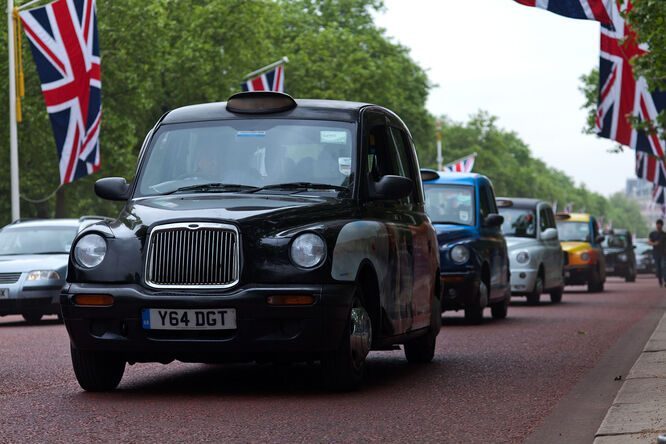
According to a Deutsche Bank survey, a basic 5 km cab ride in some cities costs as much as a decent dinner elsewhere. A few usual suspects:
- Zurich: among the most expensive in the world. High wages, parking, insurance, fuel, and strict regulations are all baked into your fare.
- Paris: similarly pricey. Heavy regulation, licensing costs, and traffic that keeps the meter ticking while you sit still.
- Geneva: high cost of living = high taxi fares. Even locals often recommend public transport unless it’s urgent.
- London: iconic black cabs are excellent but far from cheap. A short ride can feel like a premium experience with a premium price.
Now add a night surcharge on top of already high base fares and you see the problem. A late-night airport run in these cities can easily cost more than your budget hotel. If you don’t check prices in advance, airport taxi costs at night in Europe can be a nasty surprise.
What I do in expensive cities:
- Use taxis strategically – mainly late at night, with luggage, or when I’m in a group.
- Rely on public transport for most journeys (Geneva and Zurich are excellent for this, even after dark).
- In London, compare black cabs vs licensed mini-cabs vs apps before committing.
If you treat taxis in these cities as your default, not a luxury, you’ll feel the pain quickly.
3. Apps vs Street Hails: Which Is Cheaper After Midnight?
Everyone wants a simple answer to: Is it cheaper to use Uber/Bolt/Free Now, or just grab a cab on the street?
For late night transport in Europe, the honest answer is: it depends.
From my own trips and what the data suggests:
- Taxi apps (Uber, Bolt, Free Now, Cabify) often win on convenience: GPS tracking, driver ratings, and cashless payment. In some cities, they’re around 30% cheaper than traditional taxis.
- In many European countries, those
Uber
rides are actually licensed taxis or limousine services with regulated or premium pricing. - Street-hailing can be cheaper where metered fares are tightly regulated and apps add their own service fees or surge pricing.
The real trap at night is surge pricing. Apps adjust prices based on demand. When bars close, concerts end, or a storm hits, your fare can quietly double or triple. Meanwhile, a metered taxi might be running a fixed night tariff that’s actually lower than the app’s surge.
If you’re comparing late night Uber vs taxi in Europe, don’t assume the app is always cheaper. Sometimes the old-school cab wins.
How I decide in real time:
- Open the app and get a live quote for my route.
- Compare it to a regulated taxi estimate (using a fare calculator – more on that next).
- If the app is surging hard, I walk to an official taxi rank and go meter-based instead.
There’s no universal winner. The trick is to compare both options every time, especially after midnight.
4. Using Fare Calculators: Your Best Defense Against Taxi Shock
If you only adopt one habit from this article, make it this: estimate your fare before you ride. It’s the easiest way to avoid hidden taxi fees in European cities.
Tools like BetterTaxi’s European taxi fare calculator and global tools like MyTimeCalculator are surprisingly useful if you use them properly.
What these tools do well:
- Use official local tariffs (where available) to estimate fares across Europe.
- Factor in time of day, so you can see the difference between day and night pricing.
- Show estimated trip duration, which helps with airport transfers and late-night connections.
- Let you break down costs per passenger or per kilometre, so you can compare night bus vs taxi costs in Europe or check if a ride-share is worth it.
What they don’t cover perfectly:
- Unexpected traffic jams or detours.
- Extra fees like waiting time, luggage, tolls, or special event surcharges.
- App-based surge pricing that changes minute by minute.
So I treat these calculators as a baseline, not a promise.
My personal method before a late-night ride:
- Plug my route into a fare calculator using the correct city and night-time setting.
- Add a mental buffer of 20–30% for traffic, luggage, or minor surprises.
- If the app quote is way above that range, I know I’m looking at surge pricing and I rethink my plan.
After a few trips, you start to develop a feel for what a fair
price looks like in each city. That alone makes you much harder to overcharge and helps you avoid surprise taxi bills in Europe.
5. Airport & Station Traps: When You’re Tired and Vulnerable
Late-night arrivals are where most people get burned. You’re jet-lagged, it’s dark, public transport is running a skeleton service, and someone is waving you toward a car. Perfect conditions for bad decisions.
Here’s what I keep in mind when I’m dealing with airport taxi costs at night in Europe:
1. Airport and station surcharges are real.
Many cities add a fixed airport fee on top of the night tariff. So you’re paying:
- Base fare
- Distance/time
- Night surcharge
- Airport/station fee
That’s why a short hop from the airport can feel disproportionately expensive.
2. Unofficial drivers love late-night arrivals.
At big European hubs, you’ll often be approached by people offering a taxi
or cheap ride
. I avoid them completely. Instead, I stick to:
- Official taxi ranks with clear signage
- Cars with company logos and phone numbers
- Pre-booked rides through reputable apps or transfer services
This is one of the simplest ways to avoid taxi scams in Europe, especially when you’re tired.
3. I decide my plan before I land.
If I know I’m arriving late, I check in advance:
- Does the city have night buses or night metro lines?
- Is there a fixed-price airport transfer I can book?
- What’s the approximate taxi fare at night for my route?
That way, when I walk out of arrivals, I’m not negotiating with myself or with strangers. I already know how I’m getting to my hotel and what the cost of getting home after a night out in Europe should roughly be.
6. Safety, Scams, and How to Push Back (Calmly)
Cost and safety are linked. The more confused you are about pricing, the easier it is for someone to take advantage of you.

Here’s how I protect both my wallet and myself when dealing with European taxi prices after midnight:
Verify the vehicle.
- For taxis: look for official markings, license numbers, and a visible meter.
- For apps: match the plate number, car model, and driver photo before you get in.
Insist on the meter where it’s required.
- If a driver refuses to use the meter in a metered city, I politely step out and find another cab.
- If they claim the meter is
broken
but still want to drive, that’s a red flag.
Know how to complain.
- Many cities let you report issues to a transport authority or taxi regulator.
- Keep a photo of the license plate and driver ID if something feels off.
- With apps, use the in-app fare review or support options if the price looks wrong.
Share your ride details.
- Most apps let you share your trip with a friend in real time.
- In a street taxi, I sometimes send a quick message with the plate number and ETA to someone I trust.
None of this is about being paranoid. It’s about being just alert enough that you’re not the easiest target in the car.
7. When a Taxi Is Actually the Smart Choice
After all this, you might be wondering: Should I just avoid taxis altogether?
I don’t. I just use them deliberately.
There are plenty of moments when a late-night taxi in Europe is absolutely worth it:
- You’re in a group of 3–4 and can split the fare.
- You’re carrying luggage and the night bus would be a nightmare.
- You’re arriving very late in an unfamiliar area and want door-to-door safety.
- You want to do something fun, like a custom night tour of a city (I’ve done this in Paris and it was worth every euro).
The key is to treat taxis and ride-shares as tools, not habits. You don’t need to swear them off. You just need to know what you’re paying for, and when the price makes sense for your night out and your budget.
If you remember nothing else, remember this:
- Check if it’s night tariff time.
- Use a fare calculator to get a baseline.
- Compare apps vs street taxis in real time.
- Stick to official, traceable rides.
Do that, and late-night transport in Europe stops being a gamble and becomes just another smart part of your trip planning.