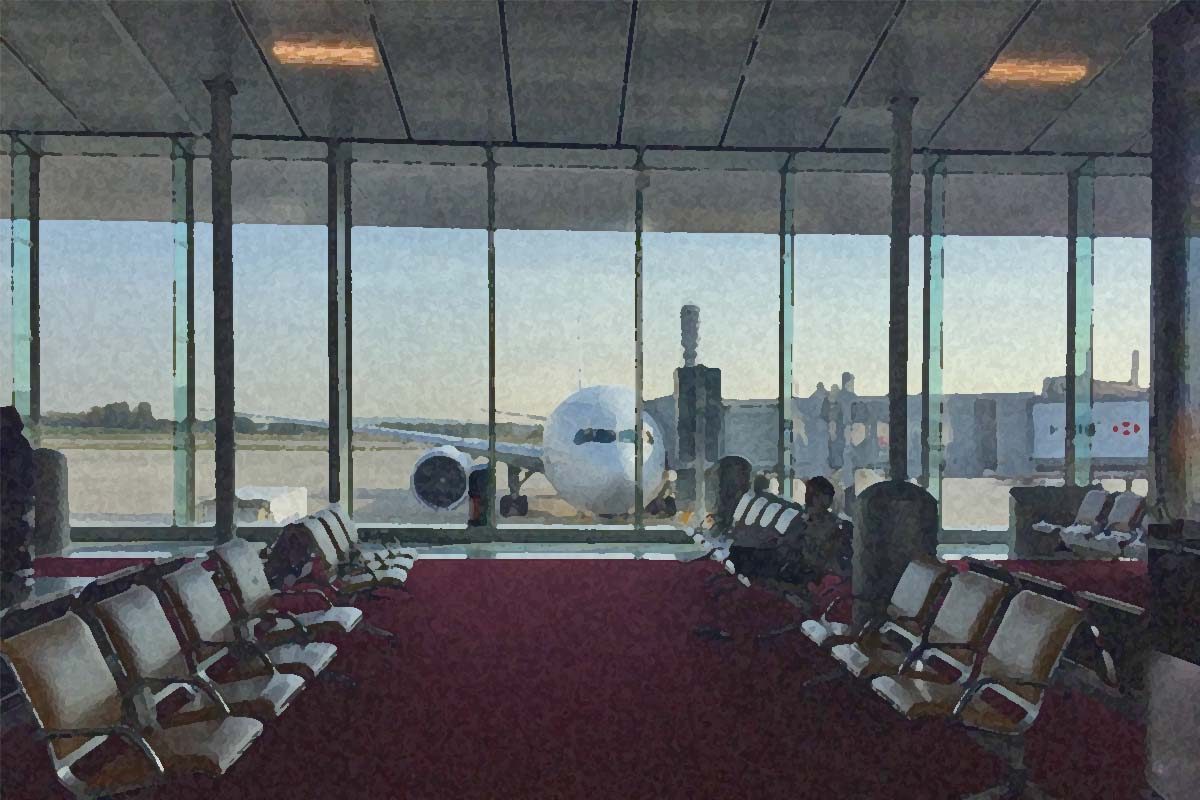
I don’t budget for perfect trips anymore. I budget for the trip where everything goes wrong: missed connections, surprise hotels, last-minute tickets, and sad sandwiches at 11:45 p.m. in some random airport.
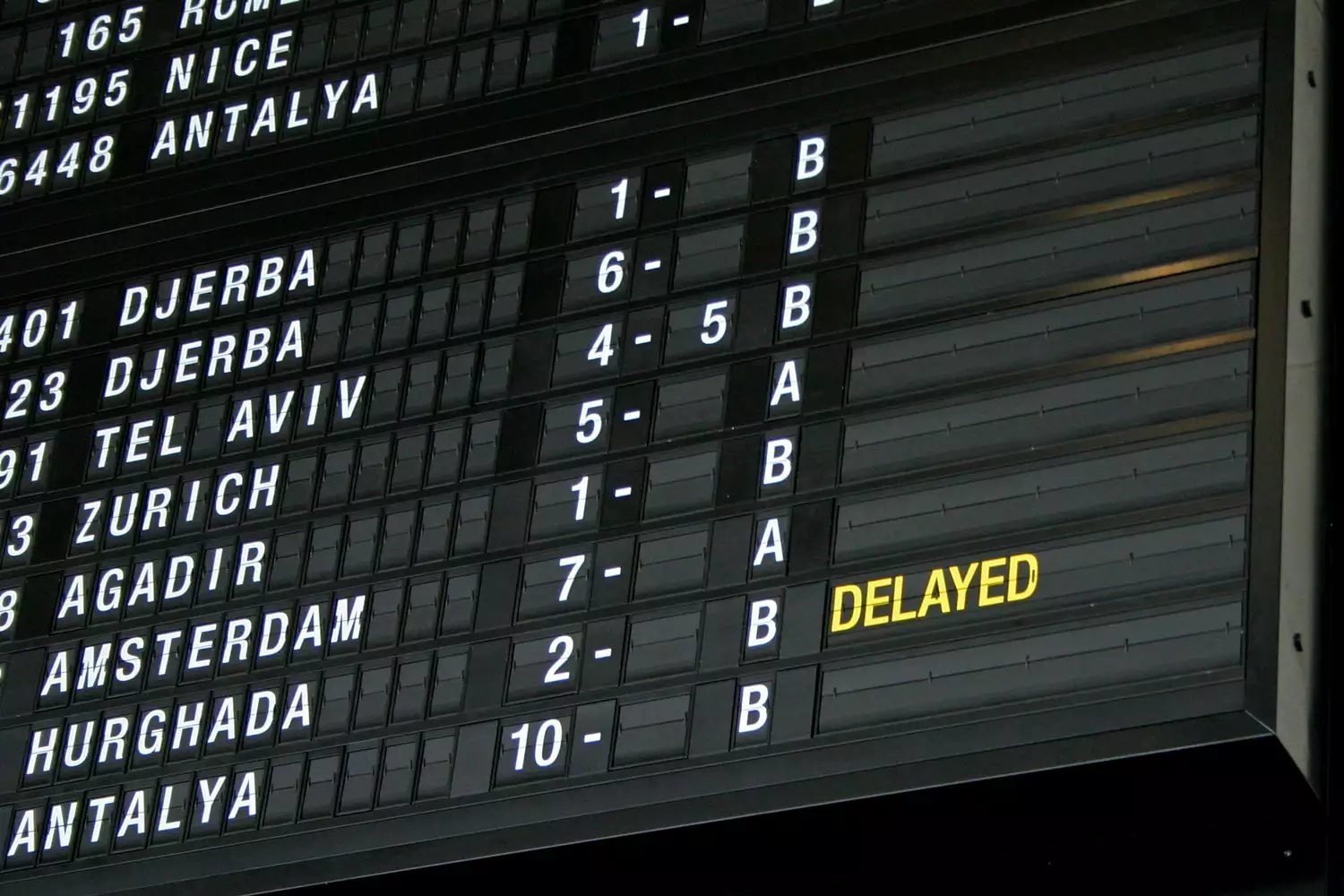
If you’ve ever watched your layover time shrink on a departure board, you know the feeling. Your plans are one delay away from becoming very expensive. The upside? You can plan for that worst-case scenario—both in dollars and in strategy.
Let’s walk through the real cost of a missed connection and how to build a practical “everything goes wrong” budget so one bad day doesn’t wreck your whole trip.
1. First Decision: Are You on One Ticket or a DIY Connection?
Before you think about money, you need to know which game you’re playing.
When you miss a connection, almost everything comes down to one question:
Are all my flights on one ticket, or did I build my own connection on separate tickets?
On a single itinerary (one booking reference, one ticket number):
- If the airline’s delay or cancellation makes you miss your connection and your layover met the airport’s Minimum Connection Time (MCT), the airline usually has to get you to your final destination or refund the unused segment. That often means free rebooking on the next available flight, as outlined in airline policies and DOT guidance (example).
- In the U.S., there’s no EU261-style standard cash compensation, but you may get meal or hotel vouchers depending on the airline and the cause of the delay.
On separate tickets (you stitched flights together yourself):
- Each ticket is a separate contract. If you miss the second flight, you’re usually treated as a no-show.
- The second airline typically owes you nothing. You may have to buy a brand-new ticket at walk-up prices, which is where the cost of rebooking missed flights can explode.
This is where your missed connection cost really starts. On a protected, single-ticket itinerary, your worst-case expenses are usually hotels, meals, and a few incidentals. On DIY connections, your worst case can be hundreds or thousands in new flights.
How I budget:
- If I’m on one ticket: I set aside a small disruption fund for one unexpected hotel night + 3–4 airport meals. That’s my basic backup budget for travel problems.
- If I’m on separate tickets: I assume I might have to repurchase the most expensive leg at last-minute prices and budget accordingly. That’s my personal worst case scenario travel budget.
2. Time vs. Money: How Much Layover Is “Cheap Insurance”?
Every tight connection is a bet. You’re trading time for risk. The shorter the layover, the more you’re gambling with your wallet.
Airlines use a formal Minimum Connection Time (MCT) to build valid itineraries. If your ticketed connection meets MCT, the airline is implicitly saying, If we delay you, we’ll take responsibility for getting you to your final destination.
That’s good—but MCT is often the bare minimum, not the smart minimum.
For self-built connections, I use my own rules of thumb:
- Domestic–domestic: at least 90 minutes.
- Domestic–international: 2–3 hours, especially if I’m changing terminals or going through security again.
- International–international with immigration: 3+ hours, more if I know the airport is chaotic.
Yes, longer layovers “cost” you time. But they can save you from buying a last-minute long-haul ticket because your 55-minute connection evaporated in a minor delay.
How I budget: I treat extra layover time as a kind of free insurance policy. If I insist on a tight connection (maybe to avoid an overnight), I mentally add a line item: Potential new ticket: up to $X
and decide if I’m really comfortable with that risk and the possible travel mistake costs and fees.
3. The Hidden Price of “Who’s at Fault?”
When everything goes wrong, the next question is: Whose fault is this?
Because that decides who pays.
Broadly, there are two buckets:
1. Airline-controlled issues (better for you):
- Mechanical problems
- Crew scheduling issues
- Certain schedule changes
In these cases, on a single ticket, airlines usually:
- Rebook you on the next available flight at no extra cost.
- Sometimes provide meal vouchers and, for overnight delays, a hotel (policy varies by airline; check their customer service plan or the DOT dashboard).
2. Not airline-controlled (worse for your wallet):
- Weather and air traffic control
- Airport closures, natural disasters
- Your own lateness, traffic, oversleeping, visa issues
Here, the airline may still rebook you, but:
- They’re usually not required to give you hotels or meals.
- On separate tickets, they may not help at all with the onward flight.
In the U.S., there’s no federal rule forcing airlines to pay cash compensation for delays or missed connections. Under the DOT’s automatic refund rule (effective Oct 2024), you’re entitled to a cash refund if your flight is canceled or significantly changed and you choose not to travel, or if certain paid services aren’t provided (details here). But that’s different from being reimbursed for the hotel you booked or the new ticket you bought on another airline.
How I budget:
- I assume no one will pay for my hotel or meals unless it’s clearly airline-controlled and I’m on one ticket.
- I keep a mental “weather fund” for winter and storm seasons, because weather is the classic
you’re on your own
scenario and a big source of hidden costs when trips go wrong.
4. The Real Numbers: What a Missed Connection Can Actually Cost
Let’s put some rough numbers to this. When a connection goes sideways, here are the usual suspects in your flight cancellation cost breakdown:
1. Last-minute flights
- Short-haul regional: $150–$400
- Domestic cross-country: $300–$800
- Transatlantic / long-haul: $700–$2,000+ (especially if you’re replacing a peak-season or award ticket)
If you’re on separate tickets and miss a long-haul flight because a low-cost carrier was delayed, this is the line item that hurts the most. This is where the cost of rebooking missed flights can blow up your budget.
2. Hotels
- Airport motel in the U.S.: $120–$200 per night
- Major hub city (London, New York, Tokyo): $180–$350+ per night
Sometimes the airline covers this for airline-controlled delays on a single ticket. Often they don’t. I assume I’ll pay it myself and treat any voucher as a bonus.
3. Food and transport
- Airport meals: $15–$25 per person, per meal
- Airport–hotel–airport transport: $20–$80 depending on city and number of people
4. Nonrefundable extras
- Prepaid tours, transfers, or the first night of a hotel
- Cruise departures you can’t reach on time
These are easy to forget when you’re budgeting, but they’re exactly what Missed Connection coverage in travel insurance is designed to protect (see how it works).
How I budget: For any trip with connections, I set aside a trip meltdown fund roughly equal to:
- One night hotel near a major airport
- Four airport meals per person
- One airport transfer each way
- Plus, if I’m on separate tickets, up to 50–100% of the cost of the most expensive leg as a mental worst-case.
That number becomes my practical trip contingency budget and helps answer the question: How much extra should I budget for delays?

5. Insurance, Credit Cards, and Points: Your Financial Safety Net
Here’s where the story gets more hopeful. You don’t have to pay for every disaster out of pocket if you set up a safety net in advance.
Travel insurance: Missed Connection coverage
Many comprehensive policies include a Missed Connection benefit. It typically:
- Reimburses you if you miss a flight, cruise, or tour because your common carrier was significantly delayed.
- Covers extra transport to catch up, plus hotels and meals, up to a limit (often $250–$1,000 per person).
- Requires a minimum delay (often 3+ hours) and specific covered reasons like weather, mechanical issues, or natural disasters.
It usually doesn’t cover you if you just misjudged your layover or overslept. You need to read the policy, not guess. When you compare missed connection vs travel insurance benefits, look closely at the fine print.
Premium credit cards
Some travel cards quietly include strong trip interruption and delay benefits if you pay for the trip with that card. They may reimburse:
- Hotels and meals during long delays
- Essential items if your bags are delayed
- Sometimes even new tickets if you have to reroute
Again, the details matter: minimum delay hours, covered reasons, and per-trip limits. But this can turn a $600 disaster into a paperwork exercise.
Points and miles
In one real-world case, a traveler missed a separately booked Qatar Airways award flight after a delayed low-cost domestic leg. Qatar had no obligation to help. What saved the day? Hotel points and elite status that made an airport hotel night cheap and comfortable while they figured out a new flight.
How I budget:
- I assume I’ll pay up front, then get reimbursed later by insurance or my card if it’s covered.
- I keep a small stash of hotel points specifically for “I’m stuck at an airport” nights.
- I treat good insurance and card benefits as a way to shrink my disaster fund, not eliminate it. They’re part of my overall emergency travel fund amount.

6. Your Move in the Moment: How to Keep Costs from Exploding
When you realize you’re going to miss a connection, the clock starts. What you do in the next 15–30 minutes can literally save you hundreds.
My playbook looks like this:
1. Move first, panic later.
- As soon as your inbound flight is clearly late, start planning. Don’t wait until you’re off the plane.
- When you land, head straight to the airline’s customer service desk and call the airline at the same time. Often the phone agent can rebook you faster than the line can move.
2. Know what to ask for.
- Ask to be rebooked on the next available flight to your final destination.
- If the delay is airline-controlled, ask (politely) about meal and hotel vouchers.
- Ask if they can endorse your ticket to another carrier. They’re not required to, but sometimes they will.
3. Don’t quietly wait at the gate.
People get marked as no-shows because they assume someone will come find them. They won’t. Watch the boarding time, gate changes, and announcements. If you’re cutting it close, talk to the gate agent.
4. If you buy your own replacement flight, document everything.
- Take screenshots of delay notices and boarding passes.
- Save receipts for flights, hotels, meals, and transport.
- Note who you spoke to and when.
You may not get reimbursed by the airline (especially in the U.S.), but you’ll need this for insurance or credit card claims. It’s the boring part of managing unexpected travel expenses, but it matters.
How I budget: I assume that speed = savings. The faster I move, the more likely I am to grab the last seat on a reasonable flight instead of paying for the only option left at 2 a.m.
7. Building Your Personal “Everything Goes Wrong” Budget
Now let’s turn all of this into something you can actually plug into a spreadsheet or notes app—a simple trip contingency budget guide.
Step 1: Classify your trip
- All on one ticket, or DIY connections?
- Short-haul, long-haul, or a mix?
- Any critical, non-movable events (cruise departure, wedding, tour)?
Step 2: Estimate your worst-case costs
- Hotel: 1–2 nights at a realistic airport rate for your most expensive hub.
- Food: 3–4 airport meals per person.
- Transport: Two airport–hotel transfers.
- New ticket: If you’re on separate tickets, estimate a last-minute fare for the most expensive leg.
- Prepaid losses: One missed tour or first hotel night.
Step 3: Subtract your safety nets
- Check your travel insurance: what’s the limit for Missed Connection and Trip Interruption?
- Check your credit card benefits: what’s covered for delays and missed connections?
- Factor in any points or miles you’re willing to burn for hotels or flights.
Step 4: Decide your comfort level
Now ask yourself:
If everything goes wrong, am I comfortable being on the hook for this number?
If the answer is no, you have options:
- Book longer layovers.
- Put all legs on one ticket instead of DIY connections.
- Buy better insurance or use a card with stronger protections.
- Shift your trip dates to avoid peak disruption seasons.
This is how you turn a vague “I hope nothing goes wrong” into a clear, funded backup budget for travel problems.
8. The Mindset Shift: Stop Hoping, Start Pricing the Risk
Most people plan trips as if everything will go right. Then they’re shocked when a missed connection turns into a $900 problem.
I’d rather be honest with myself:
- Yes, that 55-minute connection might work.
- Yes, that separate low-cost flight might save $120.
- But what’s the price if it doesn’t?
When you start putting real numbers on your worst-case scenarios, your decisions change. You might happily pay $60 more for a longer layover. You might decide that a single through-ticket is worth the extra $150. Or you might keep your risky plan, but with a clear, funded backup.
The goal isn’t to avoid every disruption. That’s impossible. The goal is to make sure that when everything goes wrong, it’s annoying, not financially devastating.
So for your next trip, try this: before you book, write down one number—your everything goes wrong
budget. Build your flights, insurance, and layovers around that. You’ll travel with a lot more confidence, even when the departure board starts to flicker.