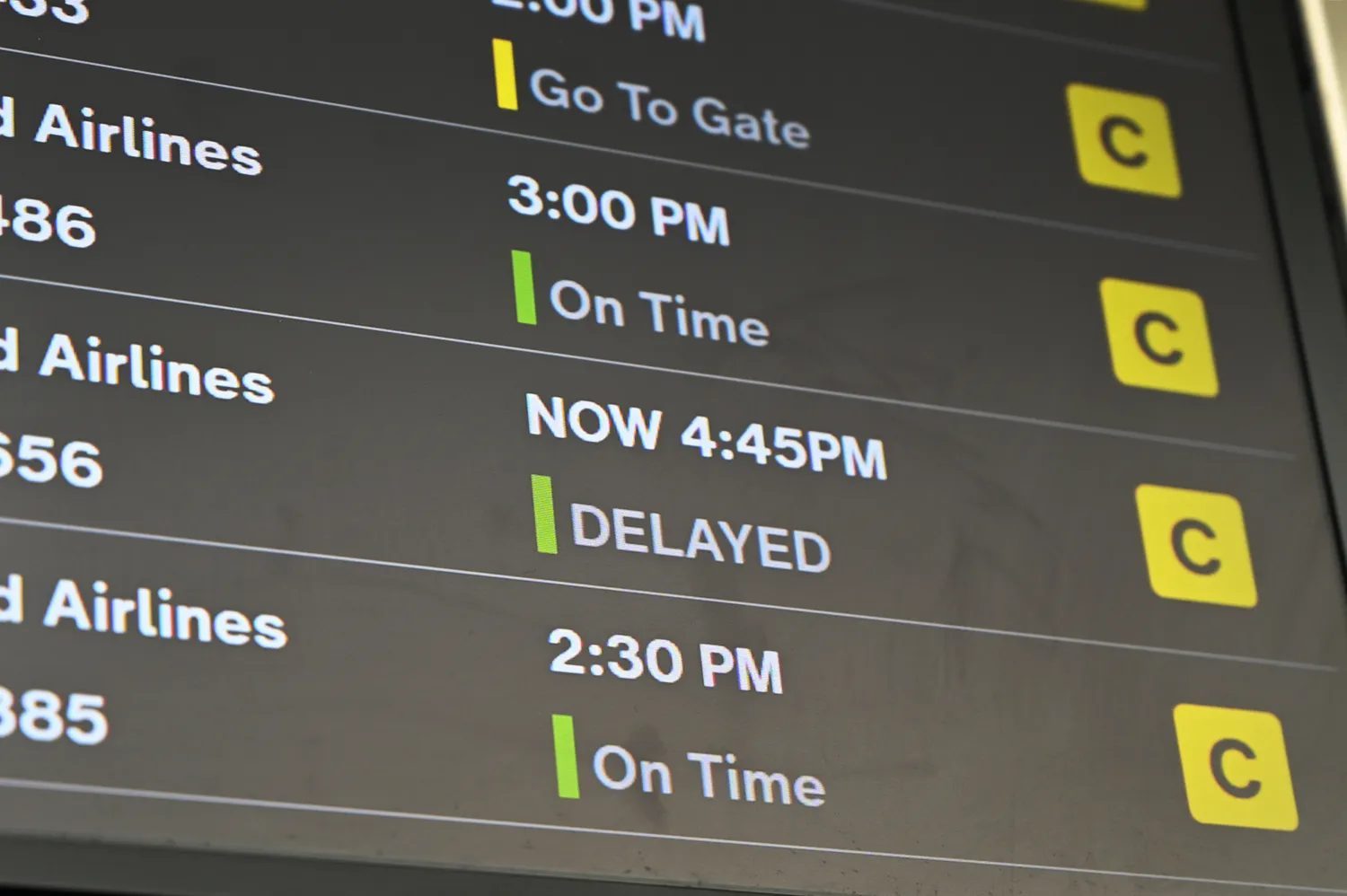
I don’t plan trips assuming everything will go wrong. But I also don’t pretend it never does. Modern travel is delay-prone, overbooked, and weather-sensitive. If you don’t price that reality into your budget, you’re not really budgeting. You’re just hoping.
Think of this as your Plan B travel budget: a realistic, numbers-based way to put a price tag on cancellations, delays, and last‑minute changes so they sting less when they happen. It’s not about being pessimistic. It’s about being prepared.
1. Start With the Ugly Truth: What Disruptions Really Cost
Before I decide how much to set aside, I want to know what delays actually cost people in the real world. The numbers are not small, and they’re not rare. If you’ve ever scrambled to rebook flights or hotels, you already know this.
Recent analyses show that serious flight disruptions routinely cost travelers in the ballpark of $380–$480 per incident in out‑of‑pocket expenses and lost value. One study cited by Travel + Leisure found U.S. passengers were out an average of about $484 per disruption. AirHelp’s research, reported by Fodor’s, landed around €362.50 (~$383).
Where does that money go? Typical categories look like this (per disrupted traveler):
- Extra accommodation: around $300+ for an unplanned hotel night
- Missed prepaid activities: roughly $100–$120 in lost tours, tickets, or excursions
- Local transport: $100–$150 for extra taxis, rideshares, or trains
- Airport meals: $100+ (because nothing says “delay” like a $19 sandwich)
- Replacement essentials: $90+ for clothes, toiletries, chargers, medicine
- Last‑minute transport: $200+ if you have to rebook or reroute yourself
And that’s before we even talk about the value of lost baggage (often estimated around $250 per bag) or lost work time.
So when I build a Plan B travel budget, I don’t ask, Will something go wrong?
I ask, When something goes wrong, how much do I want it to hurt?
Takeaway: A realistic baseline for a serious disruption is about $400–$500 per person. That’s the number I keep in the back of my mind as I plan and as I think about the cost of travel delays and disruptions.
2. Decide Your Risk Level: How Much Plan B Do You Actually Need?
Not every trip needs the same level of backup cash. A long weekend with flexible dates is very different from flying to a wedding or a cruise departure. So before I start budgeting for flight cancellations or last‑minute travel change fees, I ask three blunt questions.
- How time‑sensitive is this trip?
Is there a cruise departure, a wedding, a once‑in‑a‑lifetime event, or a non‑refundable tour at the other end? If yes, I assume I’ll pay more to protect it. - How fragile is my itinerary?
Tight connections, winter travel, peak holiday weekends, or multiple separate tickets (different airlines on different bookings) all increase the odds that one delay cascades into a mess. - How much financial pain can I tolerate?
If a surprise $600 expense would wreck the trip or my month, I need a stronger Plan B. If it would be annoying but survivable, I can be more relaxed.
From there, I roughly classify trips into three risk tiers and assign a Plan B budget per person:
- Low‑risk trips (direct flights, flexible dates, no big events):
I set aside about $150–$250 per person for disruptions. - Medium‑risk trips (connections, some non‑refundable plans):
I aim for $300–$400 per person. - High‑risk trips (international, winter, cruises, weddings, complex routing):
I budget $500–$700 per person in potential Plan B costs.
That doesn’t mean I’ll definitely spend it. It just means I’m honest with myself about what it might cost to keep the trip on track if things go sideways.
Takeaway: Your Plan B travel budget should match your trip’s fragility and your personal tolerance for risk, not some generic “10% extra” rule. When you’re deciding how much extra to budget for trip changes, start with your risk level, not a random percentage.
3. Know What the Airline Will (and Won’t) Pay For
Most travelers wildly overestimate what airlines are required to cover. That’s how people end up paying hundreds out of pocket for hotels and meals they assumed were “included” in the ticket.
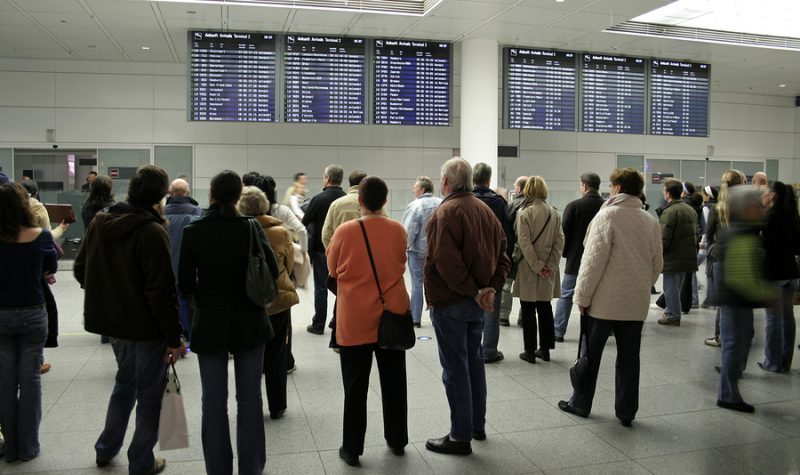
In the U.S., the rules are pretty stark:
- Refunds are your core legal right.
Under current DOT rules, if your flight is canceled or significantly changed and you choose not to travel, you’re entitled to a cash refund of the ticket and paid extras (bags, seat fees, Wi‑Fi) when those services aren’t provided. See explanations from Squaremouth and VisaVerge. - Refund ≠ compensation.
A refund just gives you back what you paid for the flight. It does not cover your hotel, meals, or lost time. There is no general U.S. law that forces airlines to pay extra cash for delays. - Incidental costs are mostly on you.
Meals, hotels, ground transport, and missed tours are usually your problem unless the airline voluntarily helps. - Controllable vs. uncontrollable matters.
If the delay is the airline’s fault (crew, maintenance, tech), many U.S. carriers voluntarily offer meal vouchers, hotel nights, and rebooking. If it’s weather or air traffic control, you’re often on your own.
To see what your airline promises for controllable disruptions, I like the DOT’s Airline Customer Service Dashboard at FlightRights.gov. It doesn’t create new rights, but it shows who offers what: meals, hotels, ground transport, rebooking on partners, and so on.
In Europe, it’s different. Under EU261, you may be entitled to fixed cash compensation (up to €600) for long delays and cancellations on covered flights, plus care (food, lodging, transport) unless the cause is an “extraordinary circumstance” like severe weather or security issues. But even there, airlines often don’t volunteer this information.
Takeaway: Your Plan B budget should assume you are paying for most secondary costs. Any airline help is a bonus, not a guarantee. If you’re serious about budgeting for flight cancellations, start from the assumption that you’re self-funding most of the disruption.
4. Put Numbers on the Big Risk Categories
Now I translate all this into actual line items. Instead of a vague “extra cushion,” I break my Plan B budget into specific buckets. That way, when something happens, I already know what I’m willing to spend and where.

4.1 Extra nights and emergency hotels
This is usually the biggest hit. I ask:
- What’s a realistic nightly rate at my origin or hub city?
- Would I accept a budget airport hotel, or do I need something safer/nicer?
Then I budget:
- Domestic hub city: $150–$250 per night
- Major international city: $200–$350 per night
For a medium‑risk trip, I usually assume one unplanned night per person or per room. For a high‑risk winter or connection‑heavy trip, I might mentally allow for two nights, even if I don’t set aside the full amount in cash.
4.2 Food during long delays
Airport food is expensive and stress makes people snack. I typically assume:
- $40–$60 per person for a 3–6 hour delay
- $80–$100 per person for an all‑day or overnight disruption
If the airline gives me meal vouchers, great. If not, I’ve already priced it in.
4.3 Ground transport and rerouting
Delays often mean extra rideshares, taxis, or trains. I ask:
- What does a typical airport–city ride cost at my destination?
- Could I end up switching airports or cities (e.g., flying into a nearby airport)?
Then I budget:
- $50–$100 per person for extra local transport on a simple trip
- $150–$250 per person if I might need to switch airports or take a long train/drive as a backup
4.4 Replacement essentials and baggage issues
If my bag goes missing or I’m stuck overnight without it, I assume I’ll buy:
- Basic clothes (underwear, T‑shirt, maybe a sweater)
- Toiletries and personal items
- Chargers or small electronics
I usually budget $75–$150 per person for this. If I’m traveling with kids or to a place where shopping is expensive, I lean higher.
4.5 Missed prepaid activities
This one is easy to underestimate. I list all the prepaid, non‑refundable items that depend on me arriving on time:
- Tours and excursions
- Event tickets
- First night’s hotel if it’s non‑refundable
- Transfers or shuttles
Then I ask: If I lost all of these because of a delay, what’s the total?
That number becomes my “sunk cost risk”. If it’s high, I either:
- Buy better insurance, or
- Change my bookings to more flexible options, or
- Arrive earlier (build in a buffer day)
Takeaway: Don’t just say “I’ll bring extra money.” Put specific dollar amounts on hotels, food, transport, essentials, and prepaid losses. That’s your real Plan B budget and your personal cost guide for last minute travel changes.
5. Use Time Buffers to Replace Cash (When You Can)
Money isn’t the only way to protect a trip. Time is a powerful currency too. Sometimes I’d rather “pay” with an extra day than with an extra $600.
Here’s how I think about time buffers:
- Buffer before critical events.
If I have a cruise, tour, or wedding, I try to arrive at least one full day early. For winter or long‑haul flights, sometimes two. That buffer can be worth more than any insurance policy. - Longer layovers on purpose.
I’d rather have a 3‑hour connection I can relax through than a 45‑minute sprint that turns into an overnight stay. A longer layover is a free Plan B. - Flexible first day.
I avoid booking expensive, non‑refundable activities on arrival day. If I do, I treat that cost as part of my disruption risk.
Every hour of buffer you add reduces the chance you’ll need to dip into your Plan B cash. It’s not glamorous, but it’s effective.
Takeaway: If you don’t want to budget hundreds for Plan B, budget more time instead. One extra day can save you a lot of money and stress.
6. Decide When to Walk Away and Take the Refund
One of the most expensive mistakes I see travelers make is staying on a doomed itinerary out of inertia. They keep waiting, keep buying food, keep paying for extra nights, when they could have cut their losses and taken a refund.
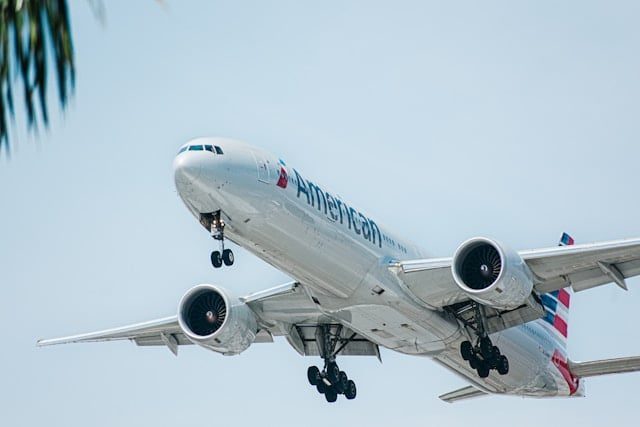
Under current U.S. rules, if your flight is canceled or significantly changed and you decide not to travel, you’re entitled to a cash refund (not just a voucher) for the unused portion of your ticket and paid extras. But there are catches:
- If you accept rebooking or a voucher, you usually give up the refund.
- Once you board the delayed flight, the refund option is basically gone.
So I ask myself a hard question early:
At what point does it make more sense to cancel the trip, take the refund, and redeploy that money later?
My personal rules of thumb:
- If the delay or change means I’d miss more than half of a short trip, I seriously consider walking away.
- If the disruption will trigger a cascade of non‑refundable losses (tours, hotels, events), I compare the total cost of salvaging the trip vs. canceling and rebooking another time.
- If the airline offers a refund and the alternative routing looks miserable, I don’t hesitate to take the money.
And I always keep a paper trail: screenshots of delay notices, emails, app messages. If I need to argue that a change was “significant,” documentation helps.
Takeaway: Part of your Plan B budget is knowing when to stop spending. Sometimes the smartest financial move is to take the refund and go home.
7. Use Insurance and Credit Card Perks Strategically (Not Blindly)
Travel insurance and credit card protections can reimburse a lot of Plan B costs—but only if you know what they cover and how to use them. I treat them as tools, not magic.
When I evaluate a policy or card, I look for:
- Trip delay coverage: Does it reimburse meals, hotels, and transport after a delay of X hours? What’s the per‑day and total maximum?
- Trip interruption coverage: If I have to cut the trip short or reroute, will it cover extra transport and lost prepaid costs?
- Missed connection coverage: Especially important for cruise or tour departures.
- Baggage delay coverage: Does it pay for clothes and essentials if my bag is late?
Then I do something most people skip: I mentally map my Plan B budget against those benefits.
Example:
- If my card covers $500 in trip delay expenses after 6 hours, I might reduce my own cash Plan B budget for hotels and meals.
- If I have no coverage, I increase my personal buffer or simplify the itinerary.
But I never assume I’m covered. I read the triggers: how many hours, what causes are included, what documentation is required. And I keep every receipt, boarding pass, and delay notice. Without proof, benefits are just words on a brochure.
Takeaway: Insurance and card perks can replace part of your Plan B budget—but only if you understand the fine print and can prove your losses. When you’re weighing travel insurance vs self insuring cancellations, compare the premium to what you’d realistically set aside in a travel backup fund for unexpected expenses.
8. Build a Simple, Personal Plan B Formula
At this point, you might be thinking, Okay, but what do I actually do before my next trip?
Here’s the simple framework I use to price worst‑case scenario travel costs without overcomplicating things.
Step 1: Classify the trip.
- Low, medium, or high risk based on timing, connections, season, and importance.
Step 2: Set a per‑person Plan B target.
- Low risk: $150–$250
- Medium risk: $300–$400
- High risk: $500–$700
Step 3: Break that number into buckets.
- Emergency hotel(s)
- Food during delays
- Extra ground transport
- Replacement essentials
- Potential lost prepaid activities
Step 4: Adjust for coverage.
- Check your airline’s policies on FlightRights.gov.
- Check your credit card and insurance benefits.
- Reduce your personal Plan B budget only where you’re clearly covered.
Step 5: Decide your walk‑away point.
- At what delay or level of chaos will you stop trying to salvage the trip and take a refund instead?
Once I’ve done this once or twice, it becomes second nature. I’m not obsessing over disaster scenarios; I’m just acknowledging that disruptions are part of modern travel and pricing them in like an adult.
Final thought: A good Plan B travel budget doesn’t make delays fun. It makes them survivable. When everyone else is panicking at the gate, you’ll already know what you’re willing to spend, what you’re owed, and when it’s time to walk away. That calm is worth every dollar you quietly set aside before you left home.