I used to grab unlimited transit passes because they seemed
like a bargain. Then I’d check my bank app at the end of the trip and realize I’d basically paid $40 to ride the metro three times.
These days I flip the script. I design my city itinerary around the transit options first—passes, single tickets, metro lines—then decide what to buy. That’s when the passes finally start paying off instead of quietly draining the budget.
This is the step-by-step approach I use for public transport based city itinerary planning, so you can stop guessing and start using passes like someone who’s actually done the math.
1. Decide: Do You Even Need a Transit Pass?
Before you fall for the glowing 72-hour unlimited!
sign at the airport kiosk, pause. A pass only saves money if you ride enough to justify it.
Here’s how I decide in a new city:
- Check the walking culture. Is it a compact, walkable center (Lisbon, Florence, central Prague) or a stretched-out sprawl (LA, Dubai)? If most sights are clustered in one or two neighborhoods, a budget itinerary using local transit might just mean a couple of single tickets and a lot of walking.
- Look at your energy, not just the map. On paper, a 30-minute walk looks fine. After 20,000 steps and summer heat, it’s a different story. If you know you’ll be tired—or traveling with kids or luggage—assume more rides.
- Estimate rides per day. I literally write it down: airport → city, hotel → center, center → museum, dinner → hotel, and so on. If I see 5–6 rides per day, a pass might be worth it. If it’s 2–3, I’m skeptical.
- Compare real numbers. This is your quick transit pass vs single tickets cost comparison. If a single ride is $2.50 and a day pass is $8, you need at least 4 rides to break even. Anything less and you’re paying for convenience, not savings.
My rule: don’t buy a pass until you’ve done a 5-minute back-of-the-envelope calculation. If the math is close, I still wait until I’ve done my first day in the city. That first day tells you how much you’ll really ride, not how much you think you will.
2. Choose the Right Pass for How You Actually Move
Most cities quietly offer several types of passes. Pick the wrong one and you’re locked into a pattern that doesn’t match how you travel.
When I research, I look for:
- Time-based vs. trip-based. Some passes are 24/48/72 hours unlimited. Others are bundles of trips (10 rides, 20 rides). If I know I’ll have one
heavy transit
day and two lighter days, I’ll do a 24-hour pass plus single tickets, not a 3-day pass I won’t fully use. - Zone traps. Airports and far suburbs are often in outer zones. A cheap inner-city pass might not cover your airport ride. I always check the zone map before assuming anything.
- Multi-modal coverage. Does the pass include metro + bus + tram? What about regional trains, ferries, or bike share? The more modes it covers, the more flexible (and valuable) it becomes—especially if you’re trying to optimize sightseeing around subway and bus routes.
- Tourist cards vs. pure transit passes. City cards that bundle museums + transit can be great if you’ll actually visit those museums. If not, you’re subsidizing attractions you never see.
This is where apps like Transit or Moovit help. I plug in a few sample routes and see what I’d realistically use. If I’m mostly on metro and rarely on buses, I don’t pay extra for a pass that includes every possible mode.
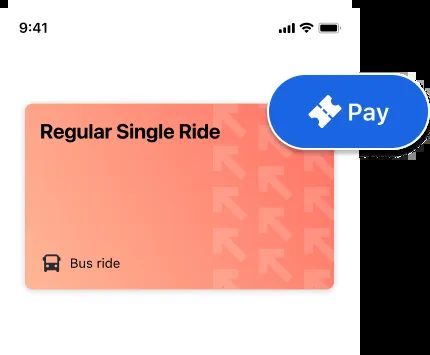
Once I know the pass type that fits my style, I still don’t buy it. First, I design a city itinerary clustered by public transport so the pass works with my days instead of dictating them.
3. Cluster Your Days by Geography, Not by Theme
Most people plan like this: Museum day, old town day, food day.
That’s how you end up zigzagging across the city three times a day and burning through rides.
I plan like this instead: north day, south day, river day, outskirts day. Themes come second. Geography comes first.
Here’s the basic method I use in any city:
- Drop pins, then draw clusters. I put all my must-see spots into Google Maps (or similar). Then I visually group them into 3–5 tight clusters where everything is walkable once I’m there. This is the heart of grouping attractions by neighborhood to save on transport.
- Assign one cluster per day. The goal is 2–4 transit rides per day, not 8. Ideally: hotel → cluster in the morning, cluster → hotel at night. Everything else on foot.
- Save the outliers for a
heavy transit
day. Anything far from the center (a viewpoint, a beach, a distant museum) goes on the same day. That’s the day I’ll use a 24-hour or 48-hour pass.
Example: In a big European city, my 3 days might look like:
- Day 1 – Old Town cluster: Walk between cathedral, main square, riverfront. Only 2 metro rides (there and back). Single tickets.
- Day 2 – Museum + park cluster: Metro to museum district, walk between 2–3 museums and a park, metro back. Again, 2–3 rides. Single tickets.
- Day 3 – Outskirts + viewpoints: Morning train to a hilltop viewpoint, tram across town, bus to a market, metro back. 6–8 rides. This is my 24-hour pass day.
By clustering, I’m not buying a 3-day pass I don’t fully use. I’m buying one pass for the one day that actually needs it. That’s how a 3 day city pass itinerary strategy turns into real savings instead of a flat fee you never quite justify.
4. Time Your Pass Activation Like a Hawk
The biggest leak I see: activating a pass at the airport just to be safe
and then wasting half a day of validity while you’re jet-lagged and asleep.
Instead, I ask:
- When will I start chaining rides? That’s when I want the clock to start. Usually it’s the morning of my
heavy transit
day, not the moment I land. - Is the pass by calendar day or rolling hours? A
1-day
pass that expires at midnight is very different from a24-hour
pass that lasts until the same time tomorrow. I always read the fine print. - Can I cover the airport separately? Often there’s a special airport ticket or a cheap regional train that doesn’t require a full pass. I’ll use that on arrival and save my pass for later.
My favorite trick: if a city offers a 24-hour pass, I’ll often activate it around 10–11 a.m. That way I get a full busy day plus the next morning’s ride to a train station or another neighborhood before it expires.
Think of your pass like a stopwatch. You want it running during your densest movement, not while you’re sitting in a café or sleeping off jet lag. That’s a simple way to maximize the value of a city transit pass without changing anything else.
5. Use Transit Apps to Test Your Itinerary Before You Commit
Most people design an itinerary, then open a transit app to figure out how to get around. I flip that: I use the app to stress-test my plan before I lock it in.
Here’s how I do it with apps like Transit or Moovit:
- Plug in your draft day. I take my Day 1 cluster and run a few sample routes: hotel → first sight, sight → lunch spot, lunch → second sight, second sight → hotel.
- Count the rides and transfers. If I see 5–6 rides and multiple transfers, I either re-cluster the day or accept that this is a
pass day
. It’s a quick reality check on whether saving money with unlimited travel cards is realistic for that day. - Check real-time vs. schedule. In some cities, buses are frequent and reliable. In others, they’re theoretical. Real-time data tells me whether I can trust a bus-heavy route or should stick to metro and trams.
- Look at walking segments. If the app suggests a 20-minute walk between two stops, I ask:
Is that a pleasant stroll or a highway underpass?
Sometimes I’ll move a sight or swap the order to avoid ugly or unsafe walks.
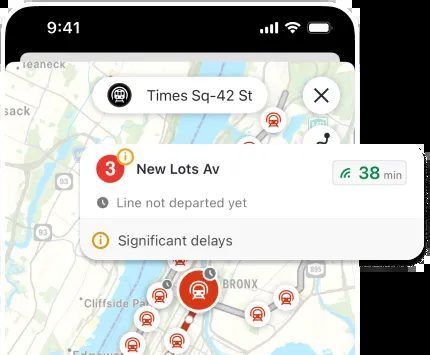
Bonus: in many cities, these apps let you buy and store tickets or passes directly. That means I can wait until the morning of my heavy transit day, check the weather and my energy, and then buy the pass in 30 seconds if it still makes sense.
Planning with the app first keeps me from romanticizing the map. It forces me to see the day the way a local commuter would—and that’s exactly how you avoid classic mistakes with city transport passes.
6. Stack Your High-Transit
Activities on the Same Day
Some activities are transit magnets. They’re far, they’re on hills, or they’re in awkward corners of the network. I try to stack as many of these as possible on the same pass day.
Typical high-transit activities:
- Viewpoints and hilltop parks
- Beaches or lakes outside the center
- Theme parks, stadiums, or big event venues
- Out-of-the-way food markets or night markets
- Day trips that start with a metro or tram to a main station
Instead of sprinkling these across three days, I’ll do something like:
- Morning: metro + funicular to a viewpoint
- Midday: tram across town to a market
- Afternoon: bus to a waterfront or park
- Evening: metro back, then one more ride to a dinner neighborhood
That’s 6–8 rides. Perfect for a 24-hour pass.
Meanwhile, my low-transit
days are intentionally simple: one ride in, one ride out, everything else on foot. No pass needed.
This is the core idea: don’t spread your transit usage evenly. Concentrate it. Make one or two days very transit-heavy and the others very walkable. That’s how passes stop being a tourist tax and start being a tool.
7. Use Clustering to Save Time, Not Just Money
There’s a hidden benefit to building your itinerary around transit passes and clusters: you’re also hacking the city’s urban logic.
Cities naturally form clusters of activity. Transit systems are built to connect those clusters efficiently. When you align your days with those patterns, everything gets easier:
- Less decision fatigue. You’re not constantly asking,
Should we Uber? Metro? Walk?
The day has a clear structure. - Fewer transfers. You’re riding along the main spines of the network instead of bouncing between lines for one-off sights. It’s a subtle way of clustering activities by metro line without overthinking it.
- More serendipity. When you stay in one area longer, you actually notice side streets, cafés, and local spots you’d otherwise rush past.

Think of it this way: transit agencies use data and clustering algorithms to understand how people move and where to add service. You’re doing a simpler version for your own trip. You’re designing your days to ride with the city’s flow instead of fighting it.
8. Quick Checklist: Are You Actually Saving Money?
Before I buy any pass, I run through this 60-second checklist. It’s my quick cost guide for city transit passes and a sanity check on the tourist transit card break even point:
- Have I mapped my must-see spots and grouped them into tight daily clusters?
- Do I know which day(s) will be transit-heavy vs. walk-heavy?
- Have I compared the cost of single tickets vs. passes for those specific days?
- Do I understand the zones and what’s included (airport, trams, regional trains)?
- Have I checked real routes and ride counts in a transit app, not just eyeballed the map?
- Do I have a clear moment when I’ll activate the pass to maximize its hours?
If I can’t answer yes
to most of those, I wait. I buy single tickets for a day or two, watch how I actually move, and then decide. That’s how I figure out how many trips make a day pass worth it in each new city.
Transit passes aren’t magic. They’re just tools. But when you design your itinerary around them—clustered days, smart timing, and realistic ride counts—they stop being a gamble and start being one of the easiest ways to save money, time, and energy in any city.