
I used to treat flights like a dare to my own body: How little can I spend and still function when I land?
Red-eyes in the last row, 12-hour hauls in the middle seat, then straight into meetings. It felt frugal. It was actually expensive.
Once I started tracking the real cost of arriving wrecked—lost billable hours, wasted first days, extra hotel nights, bad decisions made while jet-lagged—it got uncomfortable fast.
Sometimes paying for a premium cabin, an airport shower, or a day room is actually the cheaper move.
This isn’t about flying fancy for the sake of it. It’s about math, energy, and what your time is worth. Let’s look at when arriving rested is a smart financial decision—and when it’s just expensive self-indulgence.
1. The Hidden Price of Arriving Destroyed
Before you decide whether business class is worth it for work trips, put a number on the thing most people ignore: the cost of being useless after a flight.
Ask yourself three questions for your next trip:
- What is one hour of my time worth? Use your salary, billable rate, or what you’d realistically pay for an extra hour of real focus.
- How many hours do I lose when I arrive exhausted? Think foggy mornings, naps you “didn’t plan,” slow thinking, mistakes.
- What does that add up to in money? Hourly value × hours lost = your fatigue bill.
Now compare that number to the cost of:
- a premium economy or business upgrade,
- a paid lounge with showers, or
- a 4–6 hour airport hotel day room.
On long-haul routes, business class can be 2–5x the price of economy according to multiple analyses (Forbes, Navan, Tripbeam). That sounds outrageous—until you realize that on a critical work trip, losing a full day of productivity can quietly cost the same or more.
So I stopped asking the wrong question.
Don’t ask, “Is business class worth $2,000 more?”
Ask, “Is arriving functional worth $2,000 on this trip?”
Once you factor in the cost of lost productivity from travel fatigue, the “cheap” overnight flight doesn’t always look so cheap.
2. When a Premium Cabin Is Actually the Cheaper Option
Most of the time, I still fly economy or premium economy. But there are specific situations where a premium cabin isn’t a splurge—it’s a tool.
From frequent travelers and people who’ve flown hundreds of business-class segments, the upgrade usually makes financial sense when:
- Flights are overnight or ultra-long-haul (8+ hours, especially red-eyes).
- You have to perform immediately on arrival: client meetings, presentations, negotiations, interviews, or high-stakes decisions.
- Your time is expensive relative to the fare difference.
- You’ll actually sleep better in the cabin you’re paying for.
That last point is where a lot of people go wrong. The real value of business class on long-haul flights isn’t the champagne; it’s the lie-flat bed and quiet cabin. Travelers interviewed by outlets like CNN say the same thing: if the seat isn’t truly lie-flat, the value drops fast.
So my rule is simple:
If I’m paying business-class money, I’m paying for sleep, not status.
In practice, that means I:
- Check seat maps and reviews to avoid angled lie-flat or ancient cabins.
- Prioritize airlines with consistently good business products on that route.
- Ignore soft perks (wine lists, amenity kits) when doing the math.
On the other hand, if it’s a daytime flight and I don’t need to be sharp the moment I land, I usually drop down to premium economy. It’s often 1.5–3x the price of economy, but you get more legroom, better recline, and often priority boarding and better meals. For many business travelers, that’s the sweet spot in the premium cabin vs economy cost benefit equation.
3. Premium Economy vs Business: The 80/20 Comfort Upgrade
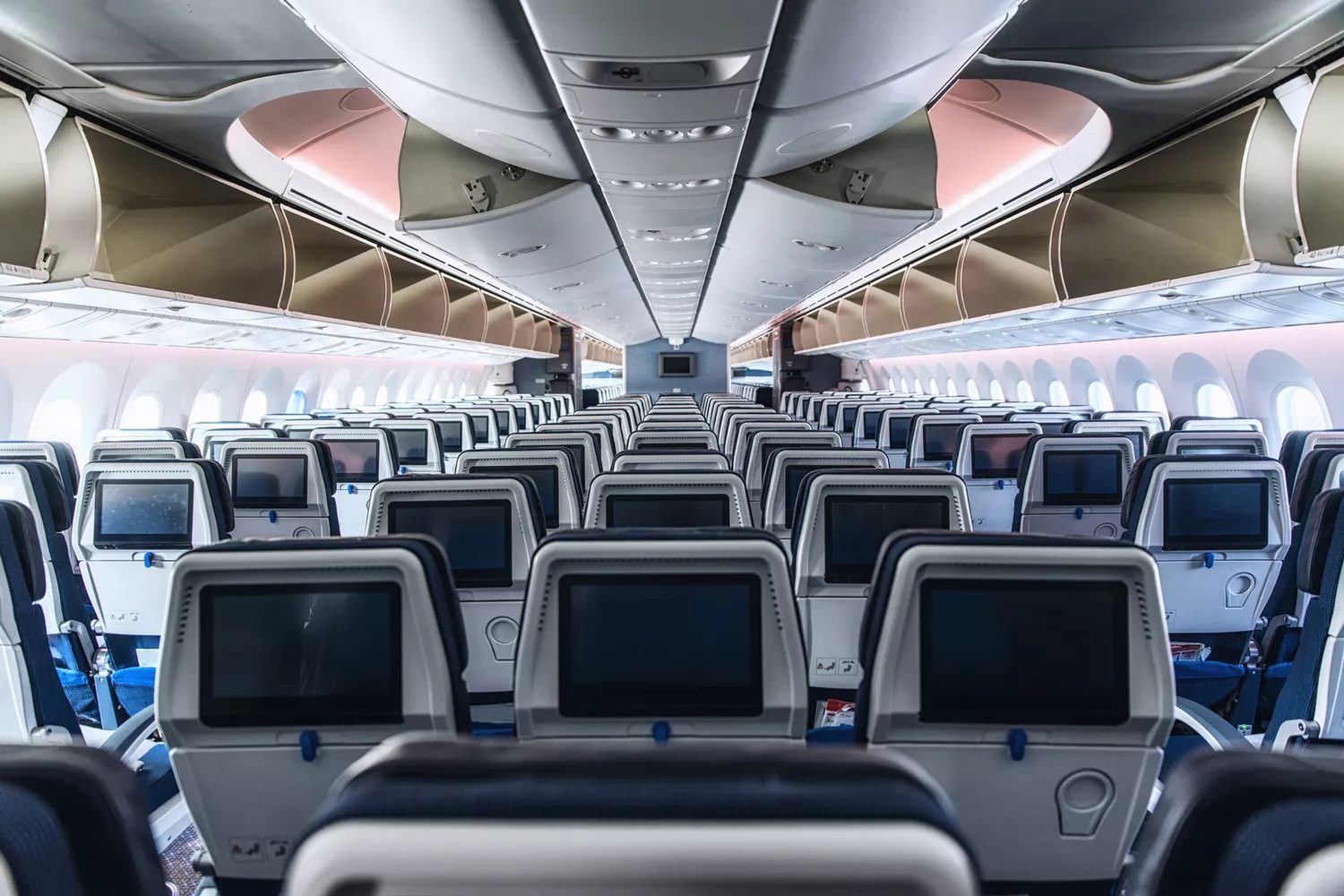
Here’s where things get interesting. On a lot of routes, premium economy gives you 80% of the comfort you actually need for a fraction of the price of business.
Typical differences, based on airline data and cabin comparisons:
- Economy → Premium Economy: +4–8 inches of legroom, more recline, slightly wider seats, better meals, sometimes amenity kits and priority boarding.
- Premium Economy → Business: lie-flat bed (on many long-hauls), much more privacy, quieter cabin, lounge access, upgraded food and service.
So when does premium economy win?
- Overnight but not ultra-long (around 6–8 hours) and you can sleep in a recliner without hating your life.
- Daytime long-haul where comfort matters more than deep sleep.
- Personal trips where you want to arrive human but don’t need to be razor sharp.
And when is business worth the jump?
- Red-eyes where you must sleep to function.
- Flights over 9–10 hours where sitting upright becomes a health and sanity issue.
- Trips where losing a day of productivity costs more than the upgrade.
There’s another wrinkle: premium economy pricing is weird. Some analyses show it can be about 85% more than economy when booked early, but that gap can shrink closer to departure. I’ve seen plenty of cases where premium economy is only slightly more than regular economy, especially when economy is nearly sold out. In those moments, the upgrade is almost a no-brainer.
My personal rule of thumb:
If premium economy is <50% more than economy on a 6+ hour flight, I seriously consider it.
When you factor in hotel and taxi costs at the other end, premium economy vs hotel and taxi costs can sometimes tilt in favor of the better seat—especially if it lets you skip an extra night on the ground.
4. Airport Showers, Lounges & Day Rooms: The Low-Cost Reset Button
You don’t always need a premium cabin to arrive fresh. Sometimes you just need one good reset between the plane and real life.
That’s where airport showers, lounges, and day rooms come in—and where the airport shower cost vs hotel night comparison gets interesting.
Options you can usually buy even on the cheapest economy ticket:
- Paid lounge access (often $30–$70): many lounges include showers, food, Wi‑Fi, and quiet space.
- Independent lounges (Priority Pass, DragonPass, or pay-per-use): open to you even on basic economy fares.
- Airport hotel day rooms: 4–8 hour blocks, often $80–$150, with a real bed and shower.
Now compare that to the price gap between economy and business on a long-haul flight—often $1,000–$3,000+.
If a $60 lounge with a shower and a quiet corner lets you:
- Change clothes,
- Take a hot shower,
- Grab coffee and something decent to eat, and
- Get 2–3 hours of focused work done,
…you’ve just bought back a big chunk of your day for a tiny fraction of a premium cabin fare.
On long layovers, the choice often becomes: long layover airport shower or lounge, or pay for a full hotel night you barely use. In many hubs, a day room or nap room is the better deal.
When I’m being ruthless about value, I ask:
Can I get 70–80% of the benefit of business class by flying economy or premium economy + buying lounge access or a day room?
More often than you’d think, the answer is yes.
5. A Simple Framework: Upgrade, Shower, or Suffer?
Let’s turn this into something you can actually use when you’re staring at three tabs of flight options and a headache.
- How long is the flight?
- <5 hours: usually economy or an extra-legroom seat. Upgrades rarely pay off unless you’re very tall, have back issues, or the price difference is tiny.
- 5–8 hours: premium economy starts to make sense, especially overnight.
- 8+ hours: consider premium economy as a minimum; business if you must function on arrival.
- What do you need to do within 6 hours of landing?
- Nothing critical: save money, maybe add lounge access or a shower.
- Moderate work (emails, light tasks): premium economy + shower or lounge is often enough.
- High-stakes performance (presentations, negotiations, interviews): business class, or economy + day room, depending on the price gap.
- What’s your hourly value?
- Estimate your hourly rate.
- Estimate how many hours you’d lose if you arrive wrecked.
- Multiply. That’s your
fatigue cost.
- Compare options:
- Economy only.
- Economy + lounge/shower.
- Economy + day room or airport nap room.
- Premium economy.
- Business class.
Then ask one blunt question:
Which option gives me enough rest and function for the lowest total cost (ticket + fatigue + extras)?
Sometimes that’s business class. Sometimes it’s economy plus a $60 shower and a $20 neck pillow. The point is to stop defaulting to cheapest ticket
or fanciest cabin
and start optimizing for net value.
When you compare a daytime flight plus day room vs redeye, or a cheap overnight flight vs a more expensive daytime option, remember to include the hidden line item: how you’ll feel when you land.
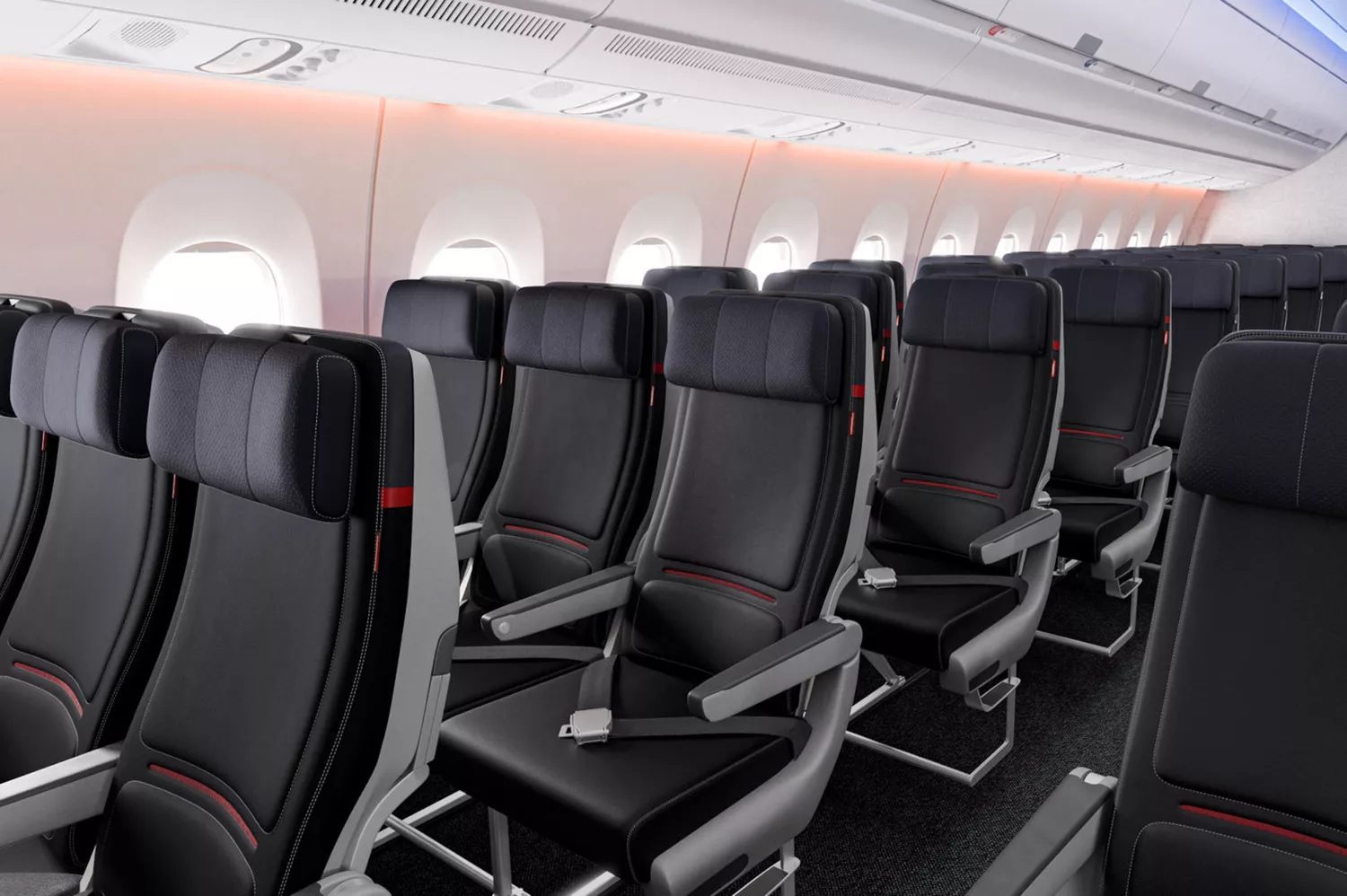
6. Hacks to Get Premium Rest Without Paying Full Premium
Once you decide that arriving rested is worth paying for, the next step is obvious: pay less for it.
Some practical ways to do that:
- Use miles and points strategically
Many airlines now design their loyalty programs around premium cabins. Transferable points from bank cards can often be turned into business-class seats for far less than the cash price. I treat miles assleep currency
and save them for red-eyes and long-hauls where skipping rest would be a real travel mistake. - Target off-peak days and routes
Business-heavy routes are often cheaper on weekends; leisure-heavy routes can be cheaper midweek. Shifting your trip by a day can drop business or premium economy fares dramatically and stretch your business travel budget further. - Watch for last-minute upgrade offers
Airlines sometimes sell day-of-departure upgrades at a steep discount. If you’ve already budgeted some money for comfort, this can be a smart way to turn an economy ticket into a lie-flat bed without paying full freight. - Leverage status and co-branded cards
Elite status and airline credit cards can unlock free bags, priority boarding, lounge access, and cheaper upgrades. That means you can fly economy or premium economy but still get many of thepremium
ground perks that make travel less draining. - Mix cabins on roundtrips
One of my favorite tricks: book business one way, economy or premium economy the other. Use business on the overnight or pre-meeting leg, and save money on the return when you can afford to be tired.
Used well, these tricks turn a rigid economy vs business
choice into a flexible cost guide to arriving fresh for business meetings.
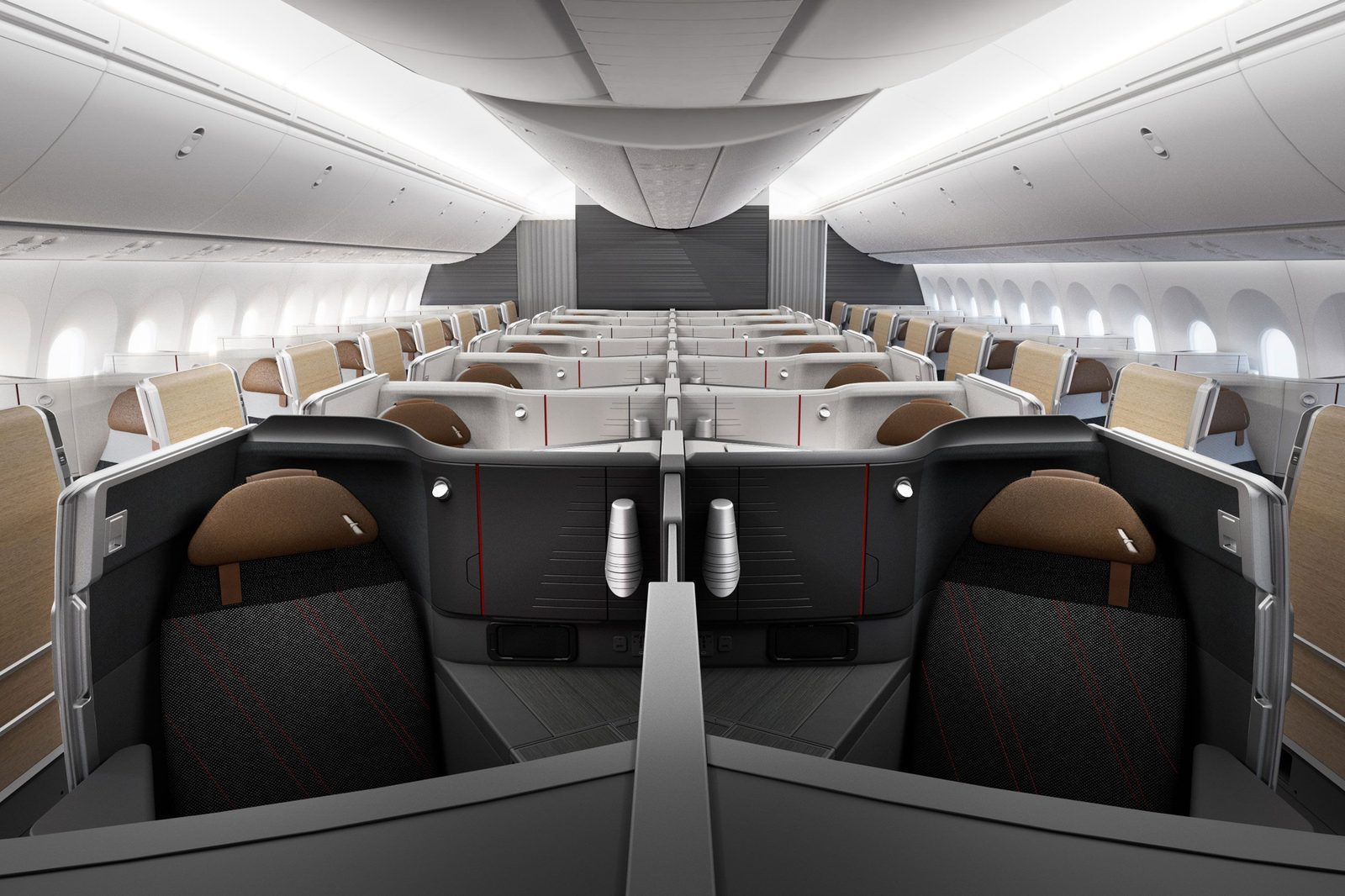
7. When You Should Not Pay to Arrive Rested
There’s a real danger here: once you’ve had a taste of lie-flat, it’s easy to start justifying it every time. That’s how strategic comfort
quietly turns into lifestyle inflation.
I keep myself honest with a few hard rules:
- No premium cabin for short flights (<3–4 hours) unless there’s a medical reason or the price difference is tiny.
- No business class for pure vacation unless I’ve already maxed out savings and investments for the year and the fare is unusually low or on points.
- No upgrades for ego: if the only reason I want it is to feel important, I pass.
- No paying for soft perks alone: I don’t spend thousands extra for better food, amenity kits, or a glass of champagne. If I’m not getting real sleep or major time savings, it’s not worth it.
In other words, I try to reserve premium spend for trips where it clearly earns its keep in productivity, health, or time.
Sometimes the smartest move is to accept that a short hop in economy is fine—and save your points and cash for the flights where skipping rest would really hurt.
8. Your Personal Travel Equation
There’s no universal answer to whether you should pay for business class, premium economy, airport showers, or day rooms. But you can build a personal equation and refine it over time.
Here’s the version I use:
Total Trip Cost = Ticket Price + Fatigue Cost − (Productivity Gained + Stress Avoided)
Most people only look at the ticket price. If you start tracking the rest—how you feel, how you perform, how much time you lose—you’ll quickly see patterns:
- Maybe you’re fine in economy on daytime flights but useless after red-eyes.
- Maybe a $60 shower buys you more value than a $600 upgrade.
- Maybe premium economy is your sweet spot, and business is only for once-a-year mega trips.
Over time, you’ll get better at calculating the true cost of cheap overnight flights and deciding when to pay for an airport day room price comparison instead of another hotel night.
The goal isn’t to always fly fancy. It’s to spend deliberately so that when you do pay to arrive rested, it’s not a guilty pleasure—it’s a smart move.
Next time you’re about to click cheapest fare
or business class
on autopilot, pause and ask:
What’s the real cost of how I’m going to feel when I land?
Your answer to that question is where the real savings start.