
I don’t care how good the “today only” deal looks. If I’m trading a small discount for a big chance of losing money, I want to know it. That’s what this guide is about.
When you see Pay now and save
vs. Pay at property
or Pay later
, you’re not just choosing when your card is charged. You’re choosing how much risk you’re willing to carry if life, flights, or work blow up your plans.
Below is a practical, slightly skeptical playbook you can actually use. We’ll walk through hotels, flights, and activities, then wrap up with a quick framework so you can decide in under 30 seconds whether to prepay or pay on arrival.
1. The Core Trade-Off: Are You Selling Flexibility Too Cheap?
Every prepay vs pay on arrival decision comes down to one question:
Is the discount worth the flexibility you’re giving up?
With hotels, the pattern is pretty consistent across different sources:
- Prepaid / advance purchase rates are often 10–40% cheaper than flexible rates (15–30%, sometimes up to 15–40%).
- In exchange, you usually get strict or non-refundable terms and very limited ability to change dates.
- Pay-at-hotel or flexible rates cost more but often allow changes or cancellations up to 24–48 hours before arrival.
Here’s the mental model I use when I’m weighing pay at hotel vs pay now:
- Prepay when: dates are firm, disruption risk is low, and the discount is meaningful.
- Pay on arrival when: plans are fuzzy, connections are tight, or the discount is small.
And one more thing: the label (pay now
vs. pay later
) matters less than the actual cancellation rules. I always read those first, especially when comparing flexible vs prepaid hotel cost.
2. Hotels: When Prepaying Is Smart (and When It’s a Trap)
Hotels are where the prepay vs pay on arrival decision shows up most clearly. Let’s break it down by scenario so you can avoid the classic non refundable travel booking mistakes.

When I seriously consider prepaying a hotel
- Short, fixed trips – A 2–3 night city break with locked-in vacation days and non-changeable flights. My dates are not moving.
- Peak season or big events – Festivals, conferences, New Year’s, major sports events. Rooms sell out and prices usually go up, not down.
- Meaningful discount – I’m seeing at least 15–20% off compared with the flexible rate, not a token 5%.
- Clear, reasonable terms – The prepaid rate might still allow cancellation up to a certain date, or at least partial refunds. I can live with the rules.
- Corporate trips with fixed agendas – If I’m on a tight schedule with meetings that won’t move, prepaying can help the company budget and speed up check-in so I can go straight to work (source).
In these cases, a prepaid hotel rate can:
- Lock in a lower rate before prices rise.
- Guarantee a room in high-demand periods.
- Make budgeting easier because accommodation is already paid.
When I avoid prepaying hotels
- Complex itineraries – Multi-city trips, tight connections, or journeys that depend on visas, health, or weather. Too many failure points.
- Long stays – A 10-night non-refundable booking is a big liability. One change can cost hundreds.
- Small discount – If the prepaid rate is only 5–10% cheaper, I usually pay more for flexibility.
- Third-party prepay – Prepaying through OTAs (Expedia, Booking, etc.) can mean slow, messy refunds and finger-pointing if something goes wrong (source). I’d rather pay the hotel directly.
- Unclear policies – If the cancellation text is vague, contradictory, or buried, I assume risk is high.
One myth worth killing: prepaying doesn’t magically make your reservation safer. Hotels will usually charge at least the first night for a no-show whether you prepaid or not, and prepaying via a third party can even increase your headache if there’s a billing error or double charge (source).
Quick hotel decision rule
I prepay a hotel only if all three are true:
- My dates are 90–100% fixed.
- The discount is at least 15–20% vs. flexible.
- I understand and accept the hotel cancellation policy and prepaid rates in writing.
If any of those fail, I pay at the hotel. That simple rule has saved me from a lot of expensive regrets.
3. Flights: Prepaying Is the Default – So Where’s the Flexibility?
With flights, you almost always prepay in full at booking. So the real question isn’t pay now vs. pay later
. It’s:
- How flexible is the fare?
- What change and cancellation penalties am I accepting?
Airlines have quietly turned flexibility into a product. When you’re deciding when to prepay flights, you’re really choosing between:
- Basic / light fares – Cheapest, but often no changes or very high fees, no checked bag, sometimes no seat selection.
- Standard / main cabin – Slightly more expensive, but usually allows changes (often with a fare difference only) and sometimes refunds as credit.
- Flexible / refundable fares – Much more expensive, but you can cancel or change with minimal penalty.
The same logic as hotels applies: don’t sell your flexibility too cheaply. That’s the heart of any good travel payment timing strategy.
When I choose the cheapest, least flexible flight
- Short-haul, low-cost trips where I’d probably eat the cost if something went wrong.
- Trips that are truly locked in (for example, flying to a wedding where dates are fixed and I’ve already booked everything else).
- When the price difference between basic and flexible is huge and my risk of change is genuinely low.
When I pay more for flexibility
- Work trips that might move by a day or two.
- Trips with tight connections or winter weather risk.
- Long-haul flights where a change would be very expensive and painful.
One more layer: add-ons are prepayment too. Seat selection, bags, priority boarding – these are all mini prepayments. When I think about prepaid flight ticket pros and cons, I ask myself: if the flight changes or I cancel, how much of this is sunk?
4. Activities & Tours: How Much Are You Willing to Lose for a Spot?
Activities, tours, and tickets are where people quietly burn a lot of money. Non-refundable museum tickets, tours that run rain or shine, timed entries you can’t move – they all look cheap until your plans shift.

When I prepay activities
- Limited-capacity or must-do experiences – Think Alhambra tickets, popular canyon tours, or anything that sells out weeks in advance.
- Clear, fair cancellation windows – Free cancellation up to 24–48 hours before? I’m much more comfortable prepaying.
- Bundle value – City passes or combo tickets that genuinely save money on things I know I’ll do.
When I wait and pay on the day (or last minute)
- Weather-sensitive activities – Boat trips, outdoor tours, anything that’s miserable in bad weather.
- Low-demand attractions – Places that rarely sell out; I don’t need to lock in.
- Loose itineraries – If I want the freedom to wander, I avoid stacking my days with prepaid time slots.
My rule for prepaying for activities vs paying there: I only prepay activities I’d be genuinely upset to miss and that I’m 80–90% sure I’ll attend.
5. Third-Party Sites vs. Direct: Who Do You Want Holding Your Money?
There’s another layer to the prepay decision that most people ignore: who you’re actually paying.
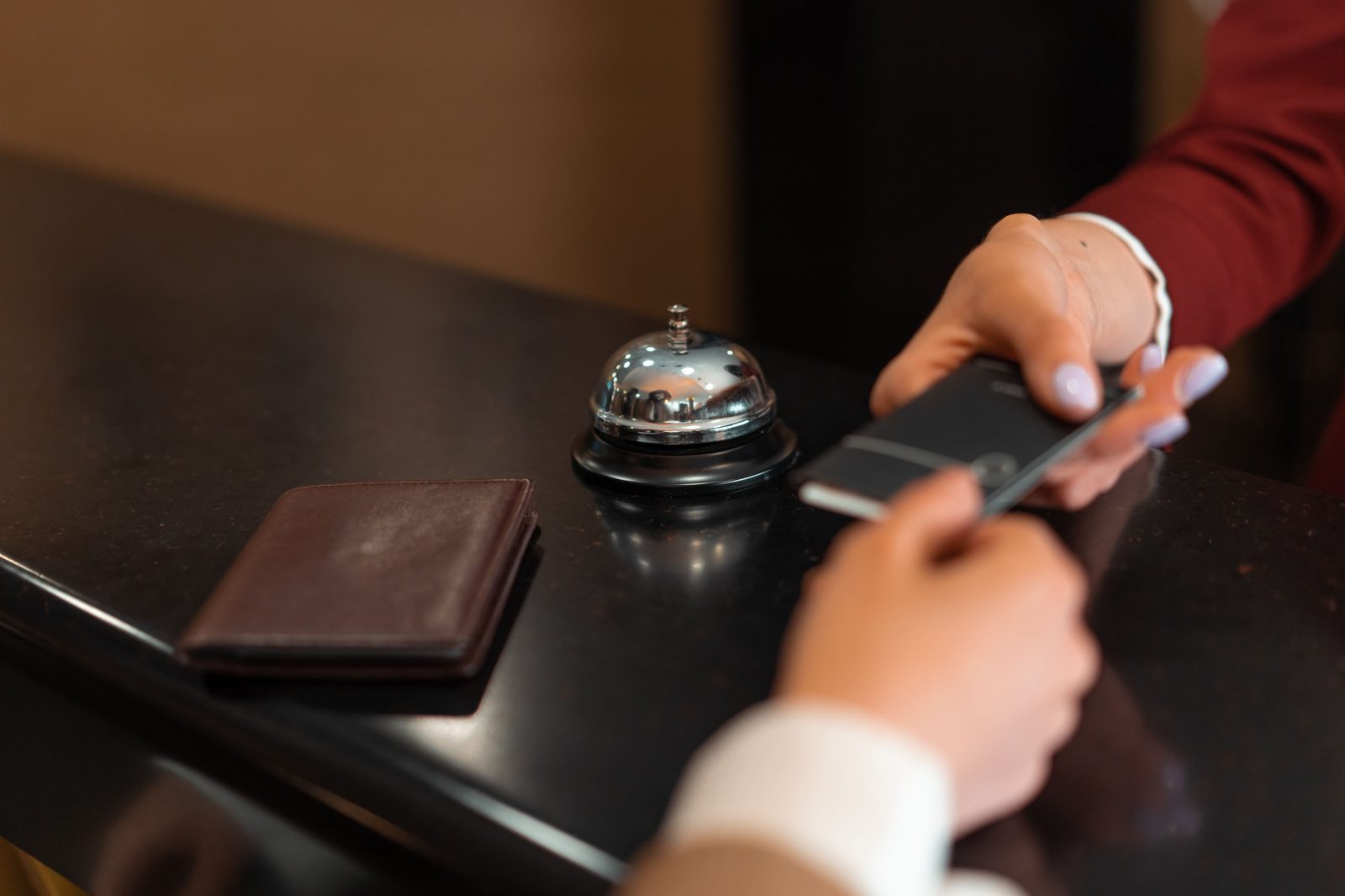
With hotels especially, you’ll see:
- Prepay to the OTA (Expedia, Booking, etc.) – They charge your card, then pay the hotel.
- Pay at hotel – The hotel charges you directly at check-in or check-out.
Why this matters for your travel cost risk trade offs:
- Refunds are slower and messier when you’ve prepaid a third party. The hotel can’t just hand you money; they have to talk to the platform, which then talks to you.
- Double charges happen – You prepay the OTA, then the hotel accidentally charges you again. Fixing this can be painful (source).
- Policy confusion – The OTA says one thing, the hotel says another. You’re stuck in the middle.
On the flip side, booking direct with the hotel can mean:
- Better recognition and sometimes better rooms or perks.
- More straightforward changes and cancellations.
- Occasional direct-only discounts or loyalty benefits.
My approach:
- If I’m going to prepay, I strongly prefer to do it directly with the hotel whenever possible.
- If I use an OTA, I lean toward pay-at-hotel options to keep control closer to the property.
And always with a credit card, not a debit card, for better dispute protection.
6. Currency, Cash Flow, and Hidden Costs: The Quiet Ways Prepaying Bites You
Even if your plans don’t change, prepaying can still cost you in less obvious ways. This is where a lot of people lose money without noticing.

Currency and fees
- Exchange rates move – Prepaying in a foreign currency locks in today’s rate. That can be good or bad. If your home currency strengthens later, you’ve overpaid.
- Foreign transaction fees – Some cards add 2–3% on foreign charges. Prepaying multiplies that across your whole stay.
Sometimes, paying at the hotel lets you:
- Use a card with no foreign transaction fees.
- Benefit if the exchange rate moves in your favor before your trip (source).
Cash flow and opportunity cost
Prepaying months in advance means your money is tied up:
- You can’t use it for other deals that pop up.
- If you need to cancel, you might wait weeks for a refund (if you get one at all).
Pay-at-hotel options, or book now, pay later
deals, can be useful if you want to:
- Keep your cash available until closer to the trip.
- Hold a room while you finalize flights or time off.
Just remember: pay later doesn’t always mean free cancellation. You still need to read the penalty window and compare the cost comparison prepaid vs flexible bookings before you decide.
7. A Simple Cost–Risk Checklist You Can Use in 30 Seconds
When I’m staring at a prepay vs pay on arrival choice, I run through this quick checklist:
- How likely are my plans to change?
Work trips, family obligations, visas, health, weather, tight connections – if any of these are shaky, I assume higher risk. - What’s the real discount?
I compare the prepaid rate to the most flexible rate. If the difference is under 15%, I usually buy flexibility. - What exactly happens if I cancel?
Do I lose everything? First night only? Is there a free-cancellation window? I want this in writing before I click. - Who’s charging my card?
Hotel vs. OTA vs. airline. If it’s a third party, I assume refunds will be slower and more annoying. - What’s the worst-case cost?
If I had to walk away from this booking tomorrow, how much would I lose? Am I okay with that number? - Any currency or fee traps?
Foreign transaction fees, dynamic currency conversion, exchange-rate risk. I factor those in.
If I’m comfortable with the worst-case loss and the discount is genuinely worth it, I prepay. If not, I pay on arrival and sleep better. That’s how I save money with flexible travel bookings without feeling like I’m gambling.
8. Putting It All Together: Your Personal Prepay Strategy
You don’t need a perfect system. You just need a consistent one that matches your risk tolerance and how you actually travel.
Here’s a simple way to frame it:
- Risk-averse traveler (hate losing money, plans often change):
Pay on arrival for hotels when possible, choose flexible flight fares, prepay only must-do activities with good cancellation windows. - Risk-tolerant planner (plans rarely change, love locking in deals):
Prepay hotels in peak seasons with strong discounts, accept stricter flight fares on short trips, prebook key activities early. - Mixed approach (most of us):
Prepay selectively: big events, short fixed trips, and bucket-list activities. Keep everything else flexible.
The goal isn’t to avoid prepaying forever. It’s to only prepay when the numbers and the risk actually make sense for you.
Next time you see Pay now and save
, pause for a second and ask yourself: What am I really paying for – a discount, or a headache I haven’t met yet?