
I love a rock-bottom fare as much as anyone. But after years of chasing $19 and $39 deals, I’ve learned this the hard way: the cheapest ticket on the screen is rarely the cheapest trip in real life.
Ever clicked on a “flash sale” fare and watched the total quietly double by checkout? You’re not alone. This is how ultra-low-cost airlines make their money. In this guide, we’ll look at the real cost of cheap flights, where hidden fees sneak in, and how to tell when a bargain fare is actually a bad deal for your travel budget.
1. The $19 Ticket That Quietly Becomes $150
Ultra-low-cost carriers (ULCCs) like Frontier, Allegiant, Breeze and others are built on one simple idea: advertise the lowest possible number, then sell you everything else à la carte.
On these airlines, the base fare usually buys you:
- A seat (often with tight legroom)
- Transport from A to B
- One small personal item under the seat
That’s it. No standard carry-on. No checked bag. No seat choice. Often not even a free bottle of water.
Here’s how a “$19” one-way can realistically morph into $80–$150 once all the cheap flight extra charges show up:
- Carry-on bag: $35–$80 each way
- Checked bag: $30–$70 each way (more at the airport)
- Seat selection: $10–$40 per segment
- Priority boarding, early check-in, etc.: $10–$30
- Payment or booking fees: a few extra dollars at the end
Suddenly that $19 fare is sitting next to a full-service airline’s $120 fare. One includes a carry-on, snacks, and better legroom. The other doesn’t. Which one is really cheaper once you calculate the true cost of airfare?
Key takeaway: The only price that matters is your all-in cost, not the headline fare. If you don’t add up the extras, you’re not comparison shopping—you’re guessing.
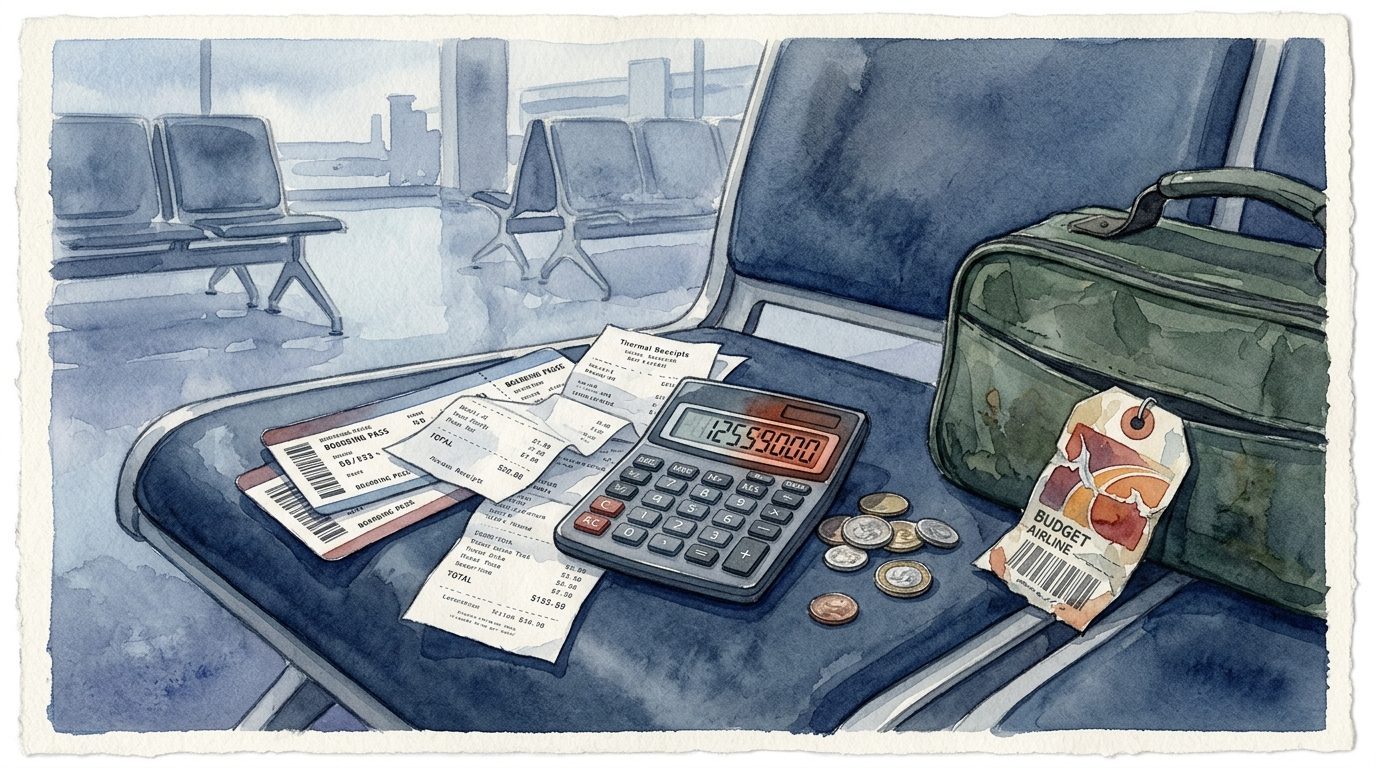
2. Low-Cost vs Ultra-Low-Cost: Same Idea, Very Different Reality
Not all “budget” airlines are created equal. This is where a lot of travelers get burned by cheap flights that end up expensive.
There are two main flavors now:
- Low-Cost Carriers (LCCs) – Think Southwest, JetBlue, some regional players. They usually include more: a carry-on, snacks, decent legroom, and clearer policies. They’re cheaper than legacy airlines, but not bare-bones.
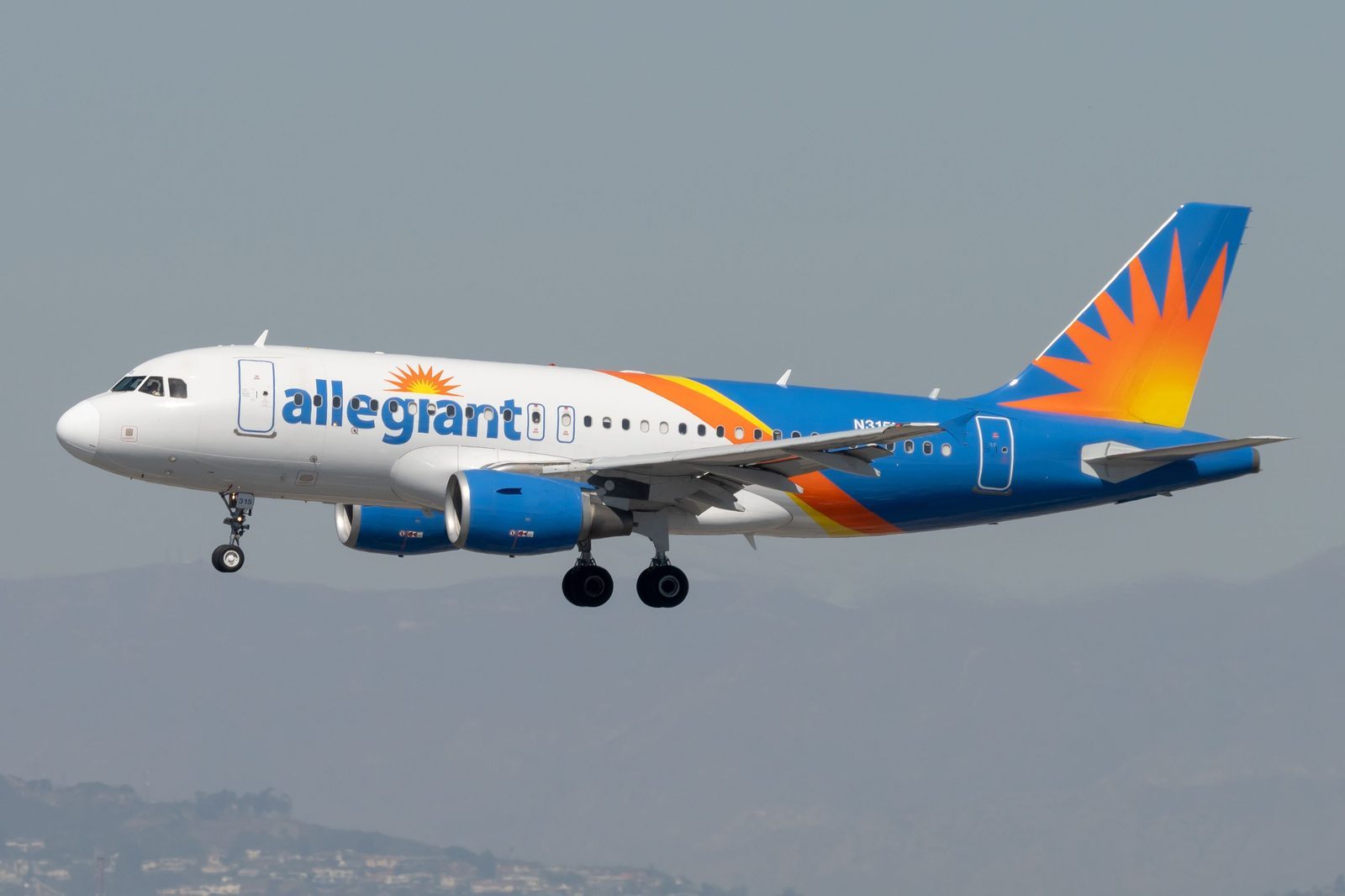
- Ultra-Low-Cost Carriers (ULCCs) – Frontier, Allegiant, Ryanair, and similar. They strip out almost everything and make their money on fees. Some earn over half their revenue from extras, not tickets.
Here’s the mindset shift that helps me avoid common cheap flight booking mistakes:
- LCCs = value with fewer surprises
- ULCCs = you pay for every single decision you make
On paper, ULCCs can look dramatically cheaper. In practice, once you add a bag and a seat, the gap often shrinks to $30–$50 or less. At that point, I ask myself:
- Is saving $30–$40 worth tighter seats, more rules, and higher risk of fees?
- Would I pay that difference to avoid stress and surprise charges? Often, yes.
Key takeaway: Don’t lump all “budget airlines” together. LCC vs ULCC is a business model difference, not just a price difference. You’re choosing an experience, not just a number.
3. Baggage: The Fee That Destroys Your “Deal”
If there’s one place your budget gets wrecked, it’s bags. Airlines know most people can’t travel with just a tiny personal item, so baggage is a gold mine.
Here’s the typical ULCC pattern for budget airline baggage fees:
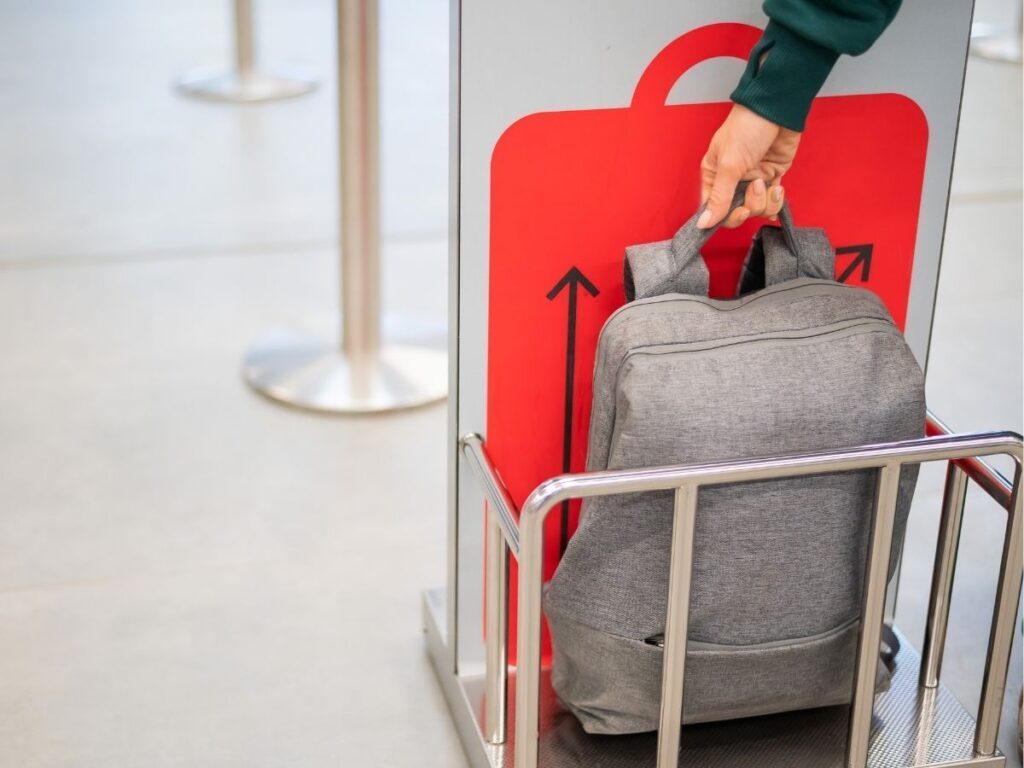
- Personal item (small backpack under the seat): free
- Carry-on (overhead bin): often more expensive than a checked bag
- Checked bag: cheaper if bought early, brutal if bought at the airport
And the traps:
- Size and weight limits are stricter than full-service airlines.
- Buying baggage at the airport can be almost double the online price.
- Gate agents are sometimes
incentivized
to catch oversized bags, because fees are big business.
My rule now is simple: decide your baggage strategy before you ever search for flights.
- Can I realistically do this trip with just a personal item?
- If not, how many bags do I truly need?
- What will those bags cost on each airline, booked in advance?
Only then do I compare fares. Often, once I add one carry-on and one checked bag, the ULCC is no longer cheaper than a regular airline. The total trip cost of that “cheap” flight suddenly doesn’t look so cheap.
Key takeaway: A “cheap” flight with expensive bags is not cheap. Price the bags first, then the ticket.
4. Seat Selection, Comfort & The Cost of Being Squeezed
Seat fees are the quiet second punch after baggage. Between 2018 and 2023, major U.S. airlines pulled in billions from seat selection alone. Why? Because nobody wants the middle seat, and families want to sit together.
On ULCCs, you’ll often pay for:
- Choosing any seat at all
- Guaranteeing seats together
- Extra legroom or front-of-cabin seats
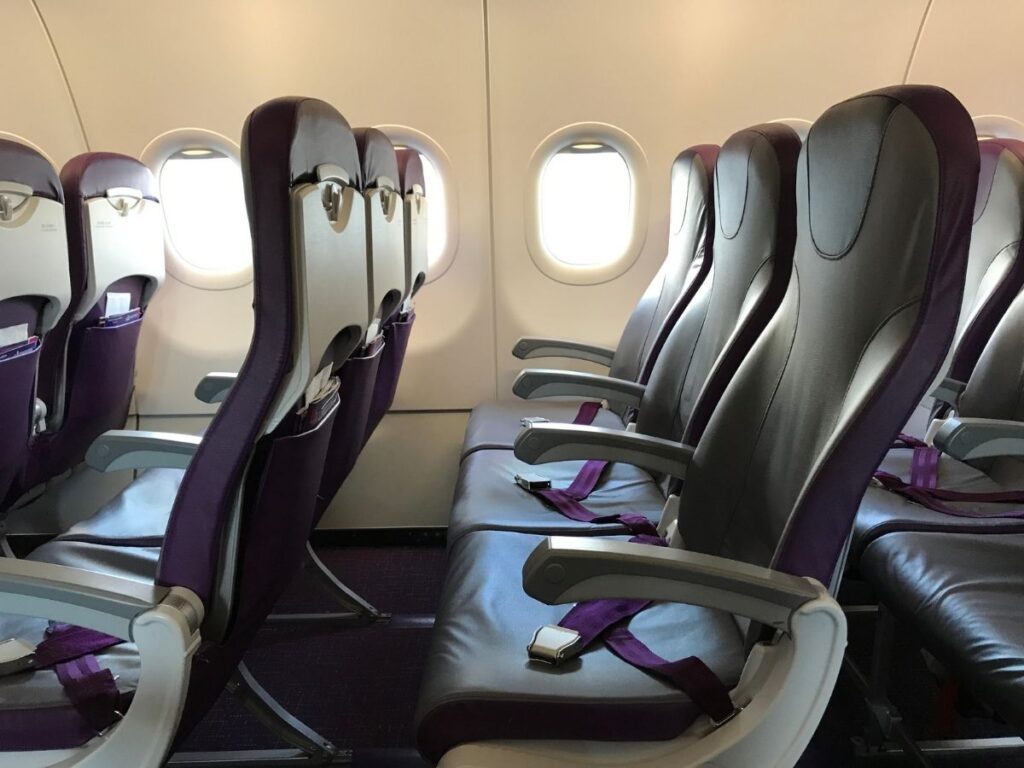
And remember: the base seat is usually less comfortable. ULCCs squeeze in more rows, so you might see 28–30 inches of pitch versus 31–32+ on more generous airlines. That’s a big difference on a 3–4 hour flight.
Here’s how I decide whether to pay for a seat:
- Solo, short flight: I skip seat selection and roll the dice. Free assignment at check-in is usually fine.
- With kids or older relatives: I treat sitting together as non-negotiable and factor seat fees into the initial price comparison.
- Longer flights: I put a dollar value on my comfort. Would I pay $20–$30 to avoid 4 hours in a cramped middle seat? Often, yes.
Key takeaway: Don’t just ask, How cheap is this ticket?
Ask, How much am I willing to pay to not be miserable for hours?
Then add that number to the fare before you compare cheap flights vs full service airlines.
5. Dark Patterns, Last-Minute Fees & Other Nasty Surprises
Here’s where things get sneaky. Many airlines don’t just charge fees—they design the booking flow to nudge you into paying more than you planned.
Common tricks I watch for when I’m trying to understand the real cost of cheap flights:
- “From” prices that only apply to one date or one seat, but get you to click.
- Pre-checked add-ons (insurance, priority boarding, seat bundles) that you have to manually uncheck.
- Payment or processing fees that appear only at the final step, sometimes varying by card type.
- Airport check-in penalties if you forget to check in online or print your boarding pass.
Regulators in the U.S. and Europe are pushing for more transparency, but the reality is simple: the system is still designed to make you spend more than the headline fare.
My personal safeguards:
- I always do a slow final review of the checkout page: bags, seats, insurance, fees, total.
- I assume the first price I see is not the real price and mentally add $40–$60 until I’ve checked everything.
- I treat airport check-in fees as a “tax on being rushed” and avoid them by checking in on the app and saving my boarding pass.
Key takeaway: If you rush through the booking process, you will overpay. Slow down for 60 seconds at the end and you’ll often save more than any coupon code.
6. When a ULCC Is Actually a Smart Money Move
After all this, it might sound like I’m anti-ULCC. I’m not. I just think they’re tools, and tools work best when you use them for the right job.
Here’s when I happily book an ultra-low-cost carrier, even knowing all the ultra low cost carrier fees that might pop up:
- Short flights (under ~3 hours) where comfort matters less.
- I can travel with only a personal item—no carry-on, no checked bag.
- The all-in price is at least $80+ cheaper per person than the next best option.
- I’m flexible on time and can handle delays or schedule changes without ruining my plans.
In those cases, ULCCs can be fantastic. I’ve flown cross-country for less than the cost of a nice dinner, simply because I packed light and ignored the upsells.
But when:
- I need multiple bags
- I’m traveling with older family members or kids
- The savings are under $30–$50 per person
…I usually choose a more traditional airline. The extra comfort, clearer policies, and fewer surprises are worth the modest price difference once you look at the full low cost airline cost breakdown.
Key takeaway: ULCCs reward disciplined, informed travelers. If you’re willing to play by their rules and pack light, you can win. If not, they will win—at your expense.
7. A Simple Checklist Before You Click “Buy”
Before I book any “cheap” flight now, I run through a quick checklist. You can copy this and use it as your personal filter to avoid having your travel budget blown by cheap flights.
- What’s my real baggage plan?
Personal item only? One carry-on? Checked bag? Price each option on each airline so you see the total trip cost of that cheap flight. - Do I need to sit with someone?
If yes, add realistic seat fees to the fare before comparing. Don’t assume the system will seat you together for free. - What’s the total price, door to door?
Include bags, seats, airport transfers (especially for secondary airports), and any payment fees or cheap airfare hidden costs. - How much am I really saving?
If the difference is under $30–$50 per person, is the hassle worth it for this trip? - What’s my tolerance for discomfort and risk?
Tight seats, fewer protections, more rules—am I okay with that this time?
If a flight still looks good after that checklist, it’s probably a genuinely smart deal—not just a shiny number on a search page.
In the end, the real cost of cheap flights isn’t just the fees. It’s the stress, the surprises, and the feeling of being tricked. When you understand how the game works, you stop being the product and start being the one in control.
Next time you see that irresistible fare, pause for a moment and ask yourself: What will this really cost me?
Your future self—standing at the gate with the right-sized bag and no surprise charges—will be glad you did.