
I’ve lost count of how many “bargain” stays have turned out to be anything but. A $59-a-night room that becomes $110 after fees. A “central” apartment that’s actually a 40-minute bus ride from anywhere you want to be. A resort fee for a pool I never saw.
If you’ve ever stared at a final checkout screen thinking, How did it get that expensive?
this guide is for you.
Let’s pull apart the real cost of cheap accommodation—cleaning fees, resort charges, location traps, and all the extras—so you can tell the difference between a genuine deal and clever marketing.
1. The Cleaning Fee Shock: When a Cheap Nightly Rate Isn’t Cheap
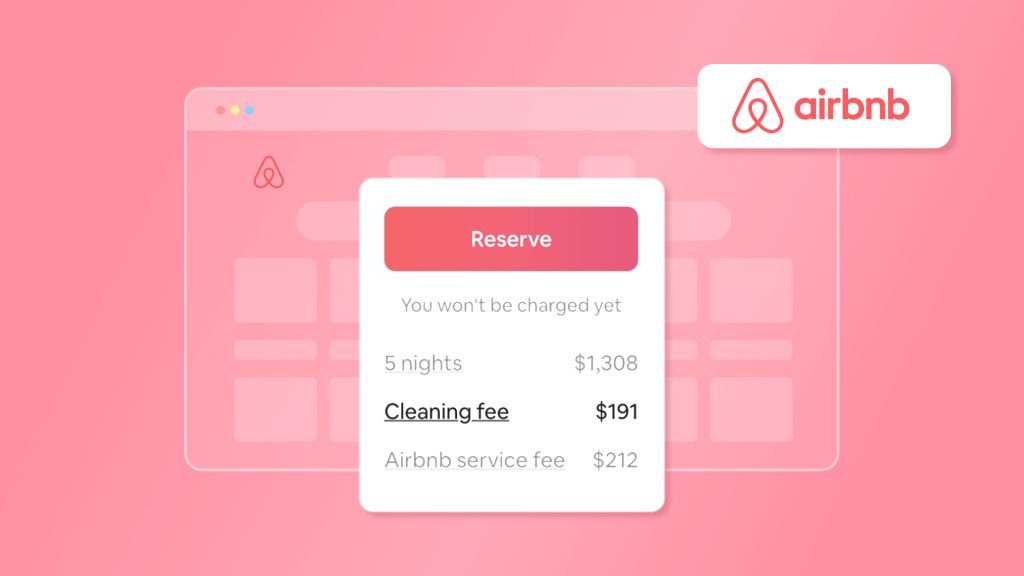
On platforms like Airbnb, Vrbo and others, the cleaning fee is usually the first nasty surprise. You see a low nightly rate, click through, and suddenly there’s a one-time cleaning fee that can be as much as a full night’s stay.
Here’s what’s really going on behind those vacation rental cleaning fees:
- Cleaning fees are real costs, not random greed. Hosts pay cleaners, buy supplies, wash linens, restock amenities, and turn the place over—often in a tight window between guests. That’s labor, not magic.
- Hotels hide this cost inside the nightly rate. You don’t see a “cleaning fee” line at a hotel, but you’re still paying for housekeeping. With rentals, it’s just itemized instead of buried.
- There’s no universal “fair” fee. Articles that quote averages like $50–$80 are misleading. A studio in a small town and a 4-bedroom beach house in a high-cost city will never have the same cleaning bill.
From the host side, the logic is simple: they can either charge a separate cleaning fee or roll that cost into the nightly rate. The total you pay over the whole stay might be similar either way.
The problem is perception. A $40 nightly rate plus a $120 cleaning fee feels worse than a $60 nightly rate with no fee—even if the total is identical. That’s how the true cost of budget hotels and rentals gets disguised.
How to protect yourself:
- Ignore the headline price. Always click through to the final price breakdown. Look at the total for the stay, not the nightly rate.
- Compare apples to apples. When you’re choosing between two rentals, compare total cost divided by number of nights. That’s your real nightly rate.
- Watch short stays. Cleaning fees hurt most on 1–2 night stays because that one-time fee is spread over fewer nights. Sometimes a slightly more expensive place with a lower fee is cheaper overall.
And one more thing: a cleaning fee doesn’t mean you can trash the place. Hosts still expect basic tidying—dishes rinsed, trash in the bin, no major damage. If you assume the fee buys you a free pass, you’re likely to meet a bad review or extra charges.
2. Resort Fees, “Destination” Fees and Other Hotel Junk Charges
Hotels play a different game. Instead of cleaning fees, you get resort fees
, destination fees
, and a menu of add-ons that quietly inflate your bill.

These are the big ones to watch when you’re trying to compare accommodation prices with fees included:
- Resort / destination fees. Often $20–$50 per night, even at non-resort city hotels. They’re marketed as covering things like pool towels, “local calls,” or a welcome drink—whether you use them or not.
- Wi‑Fi games. Some hotels charge per device or upsell “premium” internet. If you’re working remotely or traveling with multiple devices, this adds up fast.
- Parking that isn’t really optional. In many cities, on-site parking is extra and can be dynamic—more on weekends or during events. The “cheap” hotel can become expensive once you add $30–$60 per night to park.
- Early check-in / late checkout fees. What used to be a courtesy is now a revenue stream. Don’t assume you can show up early or leave late for free, even if the room is ready.
Some places, like New York City, are cracking down on so-called junk fees
and forcing hotels to show mandatory charges up front. But this is far from universal. In many destinations, you still won’t see the full cost until the last booking step—or even until check-in.
If you’ve ever wondered why the resort fees vs nightly rate balance feels off, this is why: the base rate is designed to look low, and the rest is quietly bolted on.
How to protect yourself:
- Before you book, ask one question:
Can you confirm all mandatory fees for my dates?
That includes resort/destination fees, Wi‑Fi, parking, and any required deposits. - Check if you’ll actually use what you’re paying for. If the resort fee covers a gym, spa discounts, and a kids’ club you’ll never touch, that “deal” may not be a deal.
- Compare with nearby alternatives. A hotel with a higher base rate but no resort fee and cheaper parking can easily be the better value. A quick hotel resort fee breakdown against the nightly rate will usually make this obvious.
3. Location Traps: When “Budget” Means Far, Inconvenient or Unsafe
Sometimes the biggest hidden cost isn’t a fee. It’s the location.
That ultra-cheap apartment might be cheap because:
- It’s a 45-minute commute from the places you actually want to visit.
- The neighborhood feels sketchy at night, so you end up taking taxis instead of walking or using public transport.
- There’s nothing nearby—no grocery store, no cafes—so you spend more on delivery and eating out.
On paper, you saved $30 a night. In reality, you spent that (and more) on extra transport, time, and stress. This is one of the most common cheap hotel location traps budget travelers fall into.
How to protect yourself:
- Map the address before you book. Don’t just trust
central
orclose to everything
. Check actual travel times to the places you care about. - Read reviews for clues. Look for comments about safety, noise, and transport. Phrases like
we didn’t feel comfortable walking at night
orfarther than expected
are red flags. - Put a price on your time. If you’re spending an extra hour a day commuting, what is that worth to you? Sometimes paying more to be central is the smarter financial decision.
City center vs outskirts hotel cost is about more than the room price. Cheap accommodation in the wrong place can quietly drain your budget and your energy. A slightly pricier, better-located option often wins once you factor in everything.
4. Service Fees, Taxes and “Platform Costs” You Don’t See Coming
Even after you’ve accounted for cleaning and resort fees, there’s another layer: platform service fees and local taxes.
On rentals, you’ll often see:
- Platform service fees. Airbnb, Vrbo and others add their own percentage on top of the host’s price. It’s usually a separate line item.
- Local occupancy or tourism taxes. These can be charged per night, per person, or as a percentage of the booking. In some cities, they’re collected in cash at check-in.
On hotel sites and OTAs (online travel agencies), you might see a low rate that says + taxes and fees
in tiny text. That’s your cue that the real price is higher.
How to protect yourself:
- Always click through to the final step before deciding. Don’t compare properties based on the first price you see in search results. Compare the final total for your dates and number of guests.
- Watch for per-person charges. Some places add extra fees for additional guests, even if you’re under the maximum occupancy.
- Check if taxes are included or added at checkout. A tax included rate is easier to compare than one that adds 15–20% at the end.
If you want a realistic accommodation price comparison with taxes and fees, you have to train yourself to ignore the first number and focus on the one that actually leaves your bank account.
5. The Trade-Off: Cheap Stay vs. Overall Trip Cost
Here’s the uncomfortable truth: the cheapest bed is not always the cheapest trip.

Ultra-budget accommodation can come with hidden trade-offs that don’t show up in the booking total:
- Poor sleep. Thin walls, bad mattresses, street noise. You save money but wake up exhausted and enjoy less of your trip.
- Questionable cleanliness. If the place feels grimy, you might eat out more, avoid using the kitchen, or even cut your stay short.
- Higher daily spending. No kitchen? You eat every meal out. No safe storage? You pay for lockers or lug your stuff around.
On the flip side, a slightly more expensive place with a decent kitchen, good location, and reliable Wi‑Fi can save you money on food, transport, and last-minute workarounds. That’s where the real cost of cheap accommodation shows itself: not just in the booking, but in everything you spend because of it.
How to protect yourself:
- Read the worst reviews first. Don’t just skim the 5-star praise. Look at 1–3 star reviews for patterns: cleanliness, noise, safety, surprise fees.
- Think in terms of total trip value. If spending $15 more per night saves you $20 a day on transport and food, that’s a win.
- Decide your non-negotiables. For some people it’s Wi‑Fi. For others, it’s a quiet room or a safe neighborhood. Pay to protect those.
When you zoom out and look at the total accommodation cost plus your daily spending, the “cheapest” option often stops being the cheapest.
6. A Simple Checklist Before You Click “Book”
To keep your “cheap” stay from turning into an expensive mistake, run through this quick checklist. Think of it as your personal total accommodation cost calculator in five steps:
- What’s the true nightly cost?
Take the final total (including cleaning, resort fees, service fees, and taxes) and divide by the number of nights. That’s the number you should use when you compare accommodation prices with fees included. - What’s included—and what isn’t?
Wi‑Fi, parking, breakfast, kitchen access, air conditioning, laundry? Anything you’ll need but don’t see listed is a potential extra cost. - Where is it really located?
Check the map, transit options, and reviews about the neighborhood. Estimate your daily transport cost from this location and factor in any safety concerns. - What are the top complaints in reviews?
If multiple people mention surprise fees, noise, or cleanliness issues, believe them. Many common mistakes booking cheap accommodation show up clearly in the 1–3 star reviews. - What’s the cost of a backup plan?
If this place is awful and you have to move, how painful will that be for your budget? Sometimes paying a bit more up front is cheaper than gambling.
Cheap accommodation isn’t the enemy. Hidden costs are. When you learn how to avoid hidden accommodation costs—cleaning fees, resort charges, location traps, and all—you stop chasing “deals” and start booking places that are genuinely good value for you.
Next time you’re tempted by a rock-bottom rate, pause and ask: What’s the real cost of this stay?
The answer is almost never just the nightly price on the screen.