I used to treat flight hunting like a game. If one option was $60 cheaper, I’d hit “book” and feel very pleased with myself… right up until I was half-asleep on a plastic chair at 3 a.m., paying $40 for airport food and a taxi because the trains had stopped hours ago.
That’s when it finally landed: the cheapest ticket can easily become the most expensive trip.
This guide breaks down the real cost of cheap flights—how layovers, airport transfers, and bad arrival times quietly eat your budget—and how to turn those same factors into smart, intentional choices instead of painful surprises.
1. The Illusion of the Cheapest Fare
When you search for flights, your eyes go straight to one thing: the price. Airlines and booking sites know this. They highlight the lowest fare so it looks like a win, even when it isn’t.
The problem? Your real cost isn’t just the ticket. It’s the door-to-door cost of the whole trip:
- Airport transfers (especially late-night taxis or rideshares)
- Food and drinks during long layovers
- Extra hotel nights or paying for early check-in/late checkout
- Lost sleep, lost work time, and arriving too wrecked to enjoy your first day
- Ancillary fees: bags, seat selection, printing boarding passes, and more
As Tripsense points out, a layover itinerary might be roughly 25% cheaper
than a nonstop on paper. But once you add airport transfer costs, layover food, and the toll of fatigue, that “cheap” flight can easily end up more expensive than a direct one.
So before you click “Book”, ask yourself:
- How much will this really cost me from my front door to my hotel bed?
- What am I trading in time, energy, and risk for that lower fare?
2. Layovers: Savings or Expensive Dead Time?
Layovers are where the real cost of cheap flights often hides. On average, itineraries with layovers are cheaper than nonstops—one source estimates nonstops at about 25% more expensive
. Sounds like an easy choice, right?
Not always.
Here’s what a “cheap” layover can actually cost you:
- Time: 4–8 extra hours in transit, usually in the least comfortable place possible.
- Money: airport food, lounge passes, Wi‑Fi, impulse shopping, extra coffees just to stay awake.
- Risk: more chances for delays, missed connections, and rebooking drama.
- Energy: arriving wired, dehydrated, and exhausted instead of ready to go.
I’ve had layovers that felt like a fun mini-trip—and others that felt like a punishment. The difference wasn’t luck. It was planning.
Here’s how I think about layovers now:
- Short layovers (under 90 minutes): risky in big or chaotic airports. A small delay on the first leg can blow up your whole itinerary.
- Medium layovers (2–4 hours): often the sweet spot. Enough buffer for delays, not so long that you lose your mind.
- Long layovers (6–24 hours): either a deliberate stopover or a waste of life. If you’re not going to leave the airport or rest properly, think hard about whether the savings are worth it.
And remember: not all airports are created equal. A 5-hour layover in Singapore or Seoul—with showers, decent food, and even free transit tours—is very different from 5 hours in a cramped terminal with bad lighting and nowhere to lie down.
3. When a Long Layover Becomes a Smart Stopover
Here’s the twist: the same long layover that ruins one trip can make another trip brilliant—if you design it that way.
Instead of passively accepting whatever layover the airline throws at you, you can intentionally build in a long stop and turn it into a mini-destination. For example:
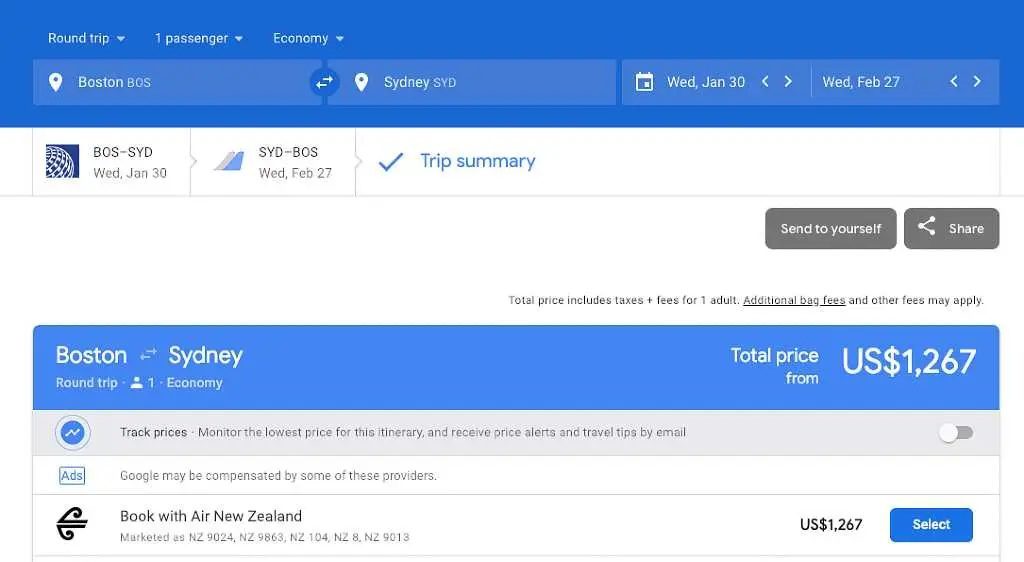
- Boston → Hawaii (19-hour stop) → Sydney
- Los Angeles → New York (30+ hours) → Paris
As Going and Airglitch show, this kind of itinerary can sometimes be cheaper than booking a multi-city ticket or separate legs—even when the flights themselves are identical. You’re taking advantage of how airlines price different patterns, not changing the actual planes.
Some extra perks you can tap into on these long layovers:
- STPC (Stopover Paid by Carrier): some airlines will cover a hotel if your connection is long enough.
- Free or cheap transit tours: airports like Singapore Changi, Seoul Incheon, Doha, Istanbul, and others offer city tours for transit passengers.
But there are trade-offs:
- Checked bags: usually checked through to your final destination. You may not see them during your long stop.
- Rebooking risk: if there’s a schedule change or disruption, the airline might move you to a different connection—or even a nonstop—killing your planned stopover.
- Fatigue: a 20-hour “stopover” is only fun if you actually rest or enjoy the city, not just drag yourself around in a daze.
The rule I use now:
If a long layover doesn’t clearly add value—either as real rest or a real mini-trip—it’s probably not worth the savings.

4. DIY Connections vs. Single Tickets: Where Risk Lives
At some point you’ll see this tempting option: book two separate tickets and save a chunk of money. For example:
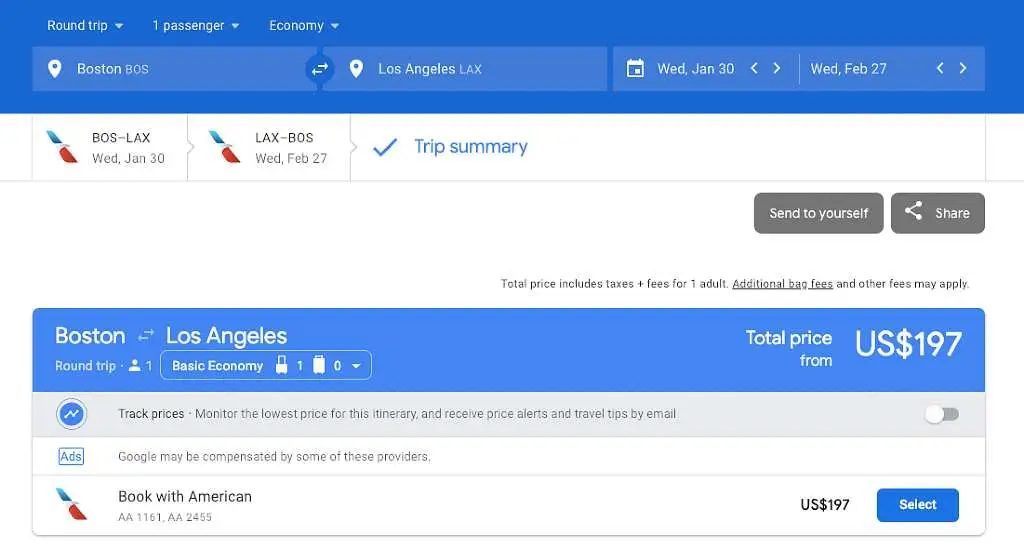
- Ticket 1: Boston → LAX
- Ticket 2: LAX → Sydney
On the screen, it looks clever. In reality, you’ve just moved all the risk from the airline onto yourself.
On a single through-ticket:
- If your first flight is delayed, the airline is responsible for getting you to your final destination.
- They’ll usually rebook you at no extra cost if you miss the connection.
- Your bags are checked through.
On separate tickets (a DIY connection):
- If your first flight is delayed and you miss the second, that’s on you.
- You may have to buy a brand-new ticket at walk-up prices.
- You often need to collect and re-check your bags, clear immigration, and go back through security.
Sometimes the savings are worth it. Often they’re not, especially when you factor in the true cost of multi stop flights if something goes wrong.
If you do go DIY, I’d only consider it when:
- You have a very long buffer (think 5–8 hours, or even an overnight).
- You’re comfortable eating the cost if things go sideways.
- You’re not on a tight schedule (wedding, cruise departure, important meeting).
- You book directly with airlines, not through third-party sites that complicate changes and cancellations.
Otherwise, that “cheap” combo can become the most expensive decision of your trip.
5. Early Flights, Late Arrivals, and the Taxi Trap
Flight time is another place where fake savings hide. The cheapest option is often a brutal 6 a.m. departure or a midnight arrival. On paper, you save $40–$80. In real life, you pay for it somewhere else.
Here’s how those bad times quietly add to the budget flight cost breakdown:
- Very early departures: public transport may not be running. You end up paying for a taxi or rideshare, or an extra hotel night near the airport.
- Very late arrivals: same problem in reverse. No trains or buses, so you’re stuck with expensive ground transport.
- Sleep and productivity: getting up at 3 a.m. or arriving at 1 a.m. can wreck your first day, especially on work trips.
On the flip side, Tripsense notes that early-morning flights are often more reliable than later ones. Fewer delays, fewer cascading knock-on effects. So sometimes paying a bit more for a 7–9 a.m. departure is actually cheaper in risk and stress than a rock-bottom midday fare that’s notorious for delays.
When I compare flights now, I literally add a line item for the late night flight arrival costs or pre-dawn departures:
- Taxi or rideshare cost at that time of day
- Lost sleep / lost work hours
- Whether I’ll need an extra hotel night
More often than not, a slightly more expensive midday or early-evening flight wins on total cost and sanity.

6. Budget Airlines and Secondary Airports: The Fine Print That Bites
Ultra-low-cost carriers and secondary airports are where many travelers think they’re being clever. I’ve done it too: It’s only $39! How bad can it be?
Here’s how bad.
1. Secondary airports
- They’re often far from the actual city (think 60–90 minutes away).
- Transfers can be limited at night or early morning.
- By the time you pay for buses, trains, or taxis, your “cheap” fare can cost more than a main-airport flight.
Those extra costs of airport transfers are one of the easiest ways a cheap ticket vs total trip cost comparison gets skewed.
2. Ancillary fees
- Carry-on and checked bags
- Seat selection (sometimes even just to sit together)
- Airport check-in or printing boarding passes
- Priority boarding to avoid forced gate-checking
Some ultra-low-cost carriers make most of their money from these cheap flights hidden fees, not the base fare. That $39 ticket can easily become $120+ once you add a bag and a seat.
Before I book a budget airline now, I do this:
- Price the flight with all the fees I’m realistically going to pay.
- Add the actual cost and time of getting to/from that secondary airport.
- Compare that total to a mainline carrier into the main airport.
Sometimes the budget option still wins. Often, it doesn’t—especially once you factor in the airport transfer costs for cheap flights that arrive late at night or leave before dawn.
7. Advanced Hacks: Hidden-City Tickets and When They’re Not Worth It
If you’ve gone down the rabbit hole of cheap flights, you’ve probably heard of hidden-city ticketing or skiplagging. The idea is simple:
- You want to fly to City B.
- A ticket from City A → City C (via City B) is cheaper than A → B.
- You book A → C, get off at B, and skip the final leg.
Tools like Skiplagged specialize in finding these pricing quirks. It can save serious money. But there are strings attached—big ones.
From CBC’s coverage and other sources, here’s what you’re signing up for:
- It violates most airlines’ terms of service. They can cancel remaining segments, claw back miles, or even ban you.
- You can’t check bags. They’ll go to the ticketed final destination, not your hidden city.
- If you miss any leg, the rest of your ticket can be cancelled.
- Gate-check risk: if the flight is full and they force you to check your carry-on, your whole plan falls apart.
Personally, I treat hidden-city ticketing as a last-resort hack, not a standard strategy. If you do use it:
- Use it sparingly, not on every trip.
- Never attach it to a roundtrip you care about; buy one-ways.
- Travel with a small carry-on that you’re confident will fit under the seat.
And always ask: Is the savings worth the stress and potential fallout? Often, a well-planned layover or stopover is a safer way to save than playing games with tickets.
8. How to Compare Flights the Way Airlines Hope You Won’t
Here’s the framework I use now when I’m staring at a page of flight options and trying to see the real cost of cheap flights instead of just the headline price.
Step 1: Start with the nonstop (if available)
- Note the price, total travel time, and arrival time.
- This is your
baseline sanity option
.
Step 2: Look at 1-stop itineraries on a single ticket
- Check layover length and airport quality.
- Ask:
Is this layover comfortable and safe, or just dead time?
Step 3: Consider intentional long stopovers
- Try multi-city searches or long layovers in cities you actually want to see.
- Check if any airline offers stopover hotels or transit tours.
Step 4: Price the full door-to-door cost
- Airport transfers at the actual times you’ll travel.
- Food during layovers (especially on long layover flights).
- Hotel nights, early check-in, or late checkout.
- All airline fees you’re likely to pay.
Step 5: Put a value on your time and energy
- How much is 6–8 extra hours of travel worth to you?
- What’s the cost of arriving exhausted for a key event or workday?
Only after that do I decide whether the “cheap” flight is actually cheap—or whether the hidden costs of layovers, transfers, and bad arrival times are going to wipe out the savings.
Most people never do this math. Airlines are counting on that. If you start thinking in terms of total trip cost instead of just ticket price, you’ll make very different choices—and you’ll arrive with more money, more energy, and far fewer airport horror stories.
Next time you see that rock-bottom fare, pause for a second and ask yourself: What is this really going to cost me?