
I love a good deal as much as anyone. But after years of chasing rock-bottom fares and flash sales, I’ve learned something the hard way: “cheap” travel is often anything but. The real price shows up later, buried in change fees, no-show penalties, and fine print that quietly eats your budget.
In this guide, I’ll walk you through the real cost of cheap travel and the hidden fees that airlines, hotels, and tour operators rarely highlight up front. We’ll also look at how to protect yourself so you’re not paying more in penalties than you saved on the headline price.
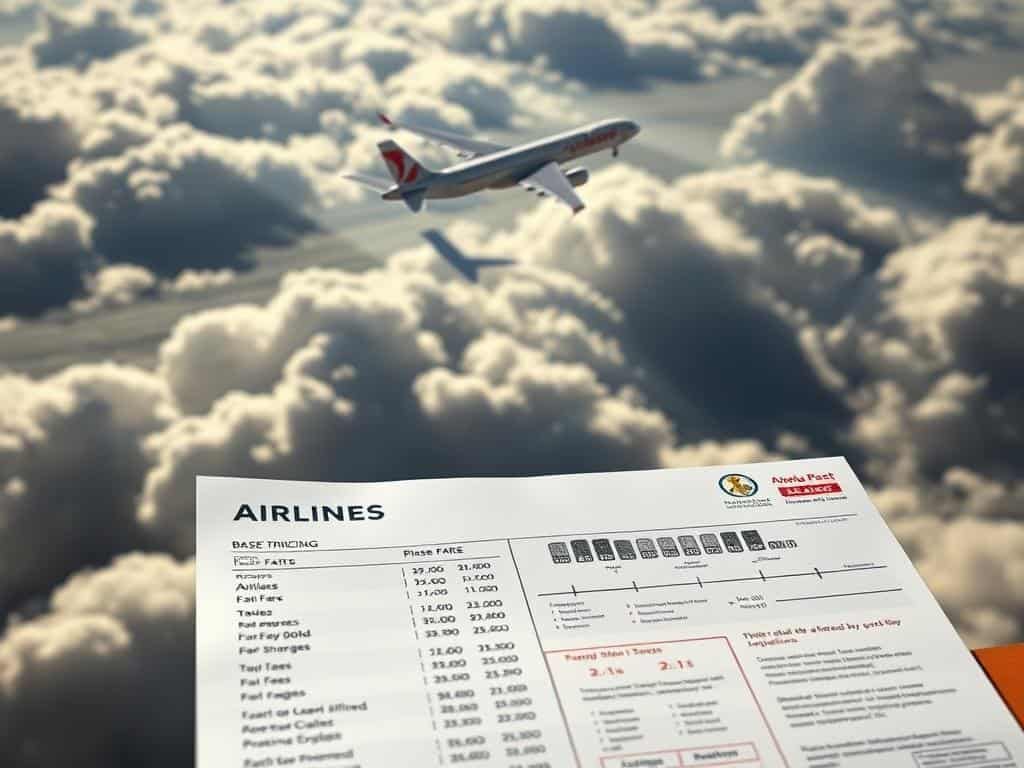
1. The Illusion of the Cheap Flight: Base Fare vs. Real Fare
Let’s start with the biggest trap: the flight that looks unbelievably cheap.
Airlines know exactly what they’re doing. They hook you with a low base fare, then layer on fees for bags, seats, changes, and even no-shows. By the time you’re done, that $79 ticket can quietly morph into $200+.
Here’s what’s really happening behind the scenes:
- Base fare is just your seat from A to B. Everything else is a revenue opportunity.
- Baggage fees (checked and sometimes carry-on) are now a core profit center, especially for low-cost airlines.
- Seat selection – even for “normal” seats – is increasingly pay-to-play.
- Basic economy fares often lock you into the most restrictive rules: no changes, no refunds, limited baggage, and harsh no-show penalties.
On top of that, many airlines have unbundled
what used to be included. Legacy carriers now mimic budget airlines with stripped-down fares that look cheap but punish you later if plans change.
My rule of thumb: I don’t compare just ticket prices anymore. I compare the total trip cost – bags, seats, and the likely cost of changing flights. If you travel with family, this matters even more. A $30 per-bag fee each way for four people is $240 round-trip… just in luggage.
Once you start thinking in total cost, a slightly higher fare with better flexibility often becomes the smarter, cheaper choice. That’s where the real cost of cheap travel shows up.
2. Baggage & Seat Fees: The Nickel-and-Diming That Adds Up Fast
Bags and seats are where many “cheap” tickets quietly explode in price.
Checked bags can easily run $25–$35 each way per bag on many airlines. Overweight or oversized? That’s where it gets painful: you might pay more in fees than the bag’s contents are worth. Some ultra-low-cost carriers even charge for standard carry-ons and only include a tiny personal item for free.
Seat selection isn’t just about extra legroom anymore. Airlines now charge for:
- Window and aisle seats
- Front-of-cabin seats for faster exit
- “Preferred” seats that are otherwise identical to regular ones
Families feel this most. Want to sit together? That can mean paying seat fees for every person, each way. I’ve seen standard seat fees creep up to $50–$100 per segment on busy routes. Suddenly that bargain fare doesn’t look so cheap.
How I keep these costs under control:
- Weigh bags at home. I use a small luggage scale and aim for a buffer of 1–2 kg below the limit.
- Know the rules by airline. Some allow a free carry-on, others don’t. I always check the baggage page before booking.
- Max out the personal item. On budget airlines, I use a soft backpack that fits under the seat but packs like a small suitcase.
- Skip seat selection when possible. I often wait until online check-in (usually 24 hours before departure). Airlines frequently release better seats then, for free.
- Use credit card perks. Many airline cards include a free checked bag and sometimes priority boarding, which can save a lot over a few trips.
Sometimes, paying for a seat is worth it – extra legroom on a long-haul flight, for example, if you’re tall or need to work. But I make that call on purpose, not because I got nudged into it by a booking screen full of warnings.

3. Change & Rebooking Fees: When Plans Shift and the Meter Starts Running
This is where the real damage happens: when life doesn’t cooperate with your itinerary.
Airline change and rebooking fees used to be notorious – often $200–$300 on international routes. After the pandemic, many airlines relaxed change fees on certain fares, but the rules are still a maze and the real cost of changing flights can surprise you.
- Most basic economy tickets are still nonrefundable and often non-changeable.
- Standard fares on many major U.S. airlines now allow changes without a fee, but you still pay any fare difference.
- Budget carriers often keep strict change fees and limited flexibility, especially close to departure.
Some airlines stand out:
- Southwest allows free changes and cancellations, with credits for future travel.
- Alaska may waive fees if you cancel more than 60 days out.
- Frontier offers free changes 90 days out, then tiered fees as departure approaches.
On top of that, many carriers offer same-day confirmed changes (often around $75). It’s usually cheaper than a full change fee and can be a smart way to shift flights at the last minute.
What I do before I click “buy”:
- Check the 24-hour rule. Most U.S. airlines let you cancel within 24 hours of booking for free, but conditions vary. I treat this as a safety net if I’m booking quickly.
- Read the fare rules. It’s boring, but a two-minute scan can save hundreds later in unexpected travel penalty fees.
- Consider flexible fares. Sometimes paying more upfront for a flexible or premium fare is cheaper than paying change fees later.
- Watch for schedule changes. If the airline significantly changes your flight time, you may qualify for a free change or refund. I always open those schedule-change emails.
- Use credit cards with trip protection. Some cards (like certain Chase Sapphire or premium travel cards) include trip cancellation/interruption insurance for covered reasons. That can be the difference between losing everything and getting reimbursed.
One more thing: frontline agents often have some discretion. I’ve had fees reduced or waived simply by being polite, explaining the situation clearly, and asking what options exist.

4. No-Show Penalties: The Most Expensive Mistake You Can Make
Missing a flight is bad. Missing a flight and not understanding no-show rules is worse.
Many travelers don’t realize that if you simply don’t show up for a flight:
- You can be charged a no-show fee – often $25–$500, commonly in the $270–$400 range.
- The airline may cancel all remaining segments on your ticket, including your return flight.
- You may lose the entire value of the ticket, especially on restrictive fares and non refundable flight tickets.
Airlines say this helps prevent skiplagging
(booking a longer route to get a cheaper fare and skipping a segment) and speculative bookings. In reality, it often punishes people who hit traffic, get sick, or have a genuine emergency.
How I reduce no-show risk:
- Never just “skip” a flight. If I know I can’t make it, I call or use the app to cancel or change before departure. Even if I lose some value, it’s usually better than a full no-show penalty.
- Build buffer time. For important trips, I avoid last flights of the day and allow extra time for connections.
- Use travel insurance or card benefits. Some policies cover missed connections or no-shows for specific reasons (like illness or severe weather). I check the fine print before I rely on it.
- Know the airline’s policy. Some carriers are harsher than others. If I’m flying a strict airline, I’m extra cautious.
There’s also a regulatory shift happening. New U.S. rules require airlines to clearly display mandatory and ancillary fees alongside base fares. That doesn’t eliminate no-show penalties, but it does push airlines toward more transparency. Until then, the burden is still on us to read the rules and understand the real cost of cheap travel.
5. Hotels & Tours: Flexible vs. Nonrefundable Isn’t Just a Price Difference
Airlines aren’t the only ones playing the flexibility game. Hotels and tour operators quietly do the same – and their change, rebooking, and no-show rules can be just as costly.
When you see a hotel or tour with two prices – one higher, one lower – you’re usually looking at:
- Flexible / refundable rate: Higher price, but you can cancel or change up to a certain date with no penalty.
- Nonrefundable / advance purchase rate: Lower price, but you lose your money if you cancel or don’t show.
It’s tempting to grab the cheaper option. But ask yourself: How likely is it that my dates might change?
If the answer is anything above “almost zero,” that discount can be a trap.
Common hotel and tour fee pitfalls:
- No-show fees: Often equal to one night’s stay or even the full booking on nonrefundable rates.
- Late cancellation penalties: Many properties now require 48–72 hours’ notice, not just 24.
- Tour rescheduling fees: Some operators charge to move your date, especially close to departure.
- Package deals: Flights + hotel + tour bundles can have stricter, all-or-nothing cancellation rules.
These hotel cancellation and no show charges can easily wipe out whatever you saved by choosing the cheaper rate.
How I decide what to book:
- Short trips, fixed dates: I might risk a nonrefundable hotel if I’m very confident in my plans.
- Complex or long trips: I lean heavily toward flexible rates, especially for the first and last nights and any key tours.
- Group travel: More people = more risk of someone needing to change. I treat flexibility as insurance.
- Read the cancellation window. I set a reminder on my phone for the last free-cancellation date so I can adjust if needed.
One more subtle trap: some hotels and tours charge “administration” or “processing” fees even on refundable bookings. It’s small print, but it’s there. I always scan for that line before I book.
6. When “Cheap” Isn’t Worth It: How to Choose the Right Kind of Flexibility
So how do you put all this together without going crazy? For me, it comes down to one question:
What’s the real cost if my plans change?
If the answer is hundreds of dollars and a lot of stress,
I pay more upfront for flexibility. If the answer is not much,
I might gamble on the cheaper, stricter option.
Here’s the framework I use for flights, hotels, and tours:
- Estimate your change risk. New job? Kids? Tight connections? Winter weather? All of these increase the odds you’ll need to adjust plans and pay flight change and rebooking fees.
- Compare total cost, not sticker price. Add bags, seats, likely change fees, and potential no-show penalties into your mental math. Think of it as an airline, hotel, and tour fee comparison rather than a single cheap ticket vs flexible fare decision.
- Use flexibility strategically. Maybe you buy a flexible outbound flight and a cheaper return, or a flexible first hotel night and cheaper mid-trip stays.
- Leverage loyalty and cards. Elite status, airline alliances, and co-branded cards can unlock fee waivers and better treatment when things go wrong.
- Document everything. Keep confirmation emails, screenshots of fare rules, and any messages about schedule changes. If you need to argue a fee later, this is your evidence.
Travel will always involve some uncertainty. The goal isn’t to eliminate risk; it’s to avoid being blindsided by budget travel hidden costs you could have spotted in advance.

7. Your Action Plan: How to Stop Overpaying for “Cheap” Travel
If you’ve ever walked away from a trip feeling like the fees were the most expensive part, you’re not alone. Airlines, hotels, and tour operators have built entire business models around ancillary charges.
But once you see the pattern, you can play the game differently.
Before you book anything, run through this quick checklist:
- Flights: What are the baggage rules? Are change fees waived on this fare? What happens if I miss a flight or become a no-show?
- Hotels: Is this rate refundable? Until when? What’s the no-show policy and late cancellation fee?
- Tours: Can I reschedule? Is there a cut-off date? Are there partial refunds or tour rebooking and penalty fees?
- Cards & insurance: Which card gives me the best protection and perks for this trip? Do I have coverage for cancellations or delays?
Then ask yourself one last question: If something goes wrong, will I be okay with the financial hit?
If the answer is no, adjust the booking until it is.
Cheap travel isn’t about the lowest number on the screen. It’s about predictable, manageable costs and the freedom to adapt when life doesn’t stick to your itinerary. Once you start thinking that way, the real bargains become a lot easier to spot – and the fake ones are much harder to fall for.