
I used to brag about my “$40-a-day” trips. Then I sat down with my bank statements and did the maths.
Flights. Airport transfers. “Mandatory” resort fees. That sad $12 airport sandwich at midnight because everything else was closed. My proud $40 a day? It was closer to $90 once I counted the real cost of budget travel.
If you’ve ever come home from a “cheap” holiday wondering how you burned through so much money, this is for you. Let’s pull the curtain back on the three big budget killers: accommodation, airport transfers, and food – plus the sneaky extras wrapped around them that quietly double your budget.
1. The Myth of the Cheap Destination
We’re sold a simple story: pick a “cheap country”, live like a king on $30–$50 a day, and you’ve hacked travel. That daily number makes a great headline, but it’s usually a half-truth.
Most viral “$X per day” posts skip the awkward bits in any honest hidden travel expenses breakdown:
- Long-haul flights to actually get there
- Visa and entry fees
- Tourist taxes and local levies
- Health costs (vaccines, insurance, malaria meds)
- Transport gaps where you’re forced into taxis and private transfers
As one breakdown points out, weak infrastructure in so-called budget destinations often means you pay more for comfort and reliability: private drivers instead of buses, cash-only hotels, and expensive last-minute fixes when things don’t work.
Cheap daily costs don’t matter if it costs a fortune to arrive, move around, and get out.
So before you fall in love with a low daily budget or a TikTok “$25 a day” itinerary, ask yourself:
- How much does it cost to get there and back? (including likely price surges and baggage)
- What are the entry fees? (visas, tourist cards, national park or island fees)
- How easy is it to move around cheaply? (reliable buses and trains vs. “just take a taxi”)
If those three answers are expensive or uncertain, your “cheap” trip is already on shaky ground, no matter how low the daily cost looks on paper.
2. Accommodation: The Nightly Rate That Lies
Accommodation is where budgets quietly bleed. Not because of the headline price, but because of everything wrapped around it that never shows up in the big bold number.
When I’m comparing the true cost of budget travel now, here’s what I check before I book a “bargain” room:
- Tourist & city taxes
Many cities add a per-night, per-person tax that isn’t included in the booking total. It looks tiny, but over a week it can add up to another night’s stay. - Resort & “facility” fees
These are the worst. You think you’ve found a deal, then discover a mandatory daily fee for the pool, Wi‑Fi, or “amenities” you may not even use. - Location tax: cheap room, expensive life
A cheap hotel in the tourist center can mean inflated prices for everything else: food, coffee, laundry, even basic groceries. A slightly pricier place in a local neighborhood can work out cheaper overall. - Transport trade-off
That ultra-cheap guesthouse 40 minutes outside town? Add up the daily taxis or long rides. Often, a more central place with a higher nightly rate wins once you factor in time and transport.
How to keep accommodation from quietly doubling your budget:
- Always click through to the
taxes and fees
section before booking. - Compare the total stay cost, not just the nightly rate.
- Map the property and check: can you walk to food, transit, and basics?
- For resorts, ask directly:
Are there any mandatory fees on arrival or at checkout?
The “cheapest” room is rarely the cheapest choice once you factor in how it forces you to spend on everything around it.
3. Airport Transfers: The First and Last Blow to Your Wallet
Airport transfers are where a lot of “cheap” trips start badly. You land tired, it’s dark, you don’t know the language, and suddenly that $8 bus you planned to take doesn’t exist at 11:30 p.m.
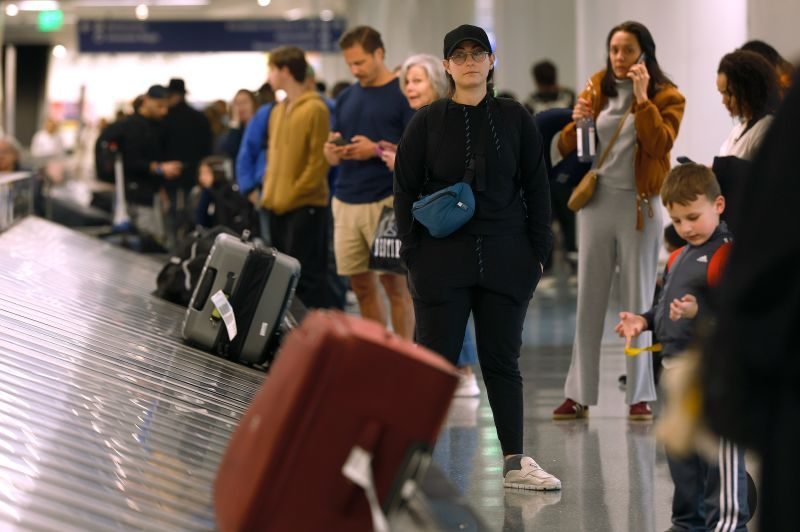
So you grab a taxi. Or a rideshare with surge pricing. Or a hotel transfer that costs more than your flight. This is where airport transfer costs for tourists can quietly wreck a carefully planned budget.
Here’s what quietly inflates transfer costs:
- Late-night or early-morning arrivals when public transport is limited or feels unsafe.
- Airports far from the city (very common in “cheap” destinations) that require long, pricey rides.
- Cash-only systems where you’re forced into bad exchange rates at the airport.
- Unclear or predatory pricing – no meters, no posted fares, just “special price for you”.
Multiply that by both arrival and departure, and you’ve added the cost of another flight without really noticing.
How I keep transfers under control now:
- Check the airport website for official transport options and prices.
- Search
airport name + public transport + night
to see if buses/trains actually run when I land. - If I must arrive late, I compare: hotel transfer vs. taxi vs. rideshare and book in advance.
- Carry a small amount of local currency or a fee-free card that works in local ATMs.
Transfers are not an afterthought. They’re a line item. Treat them like one when you calculate the full trip cost beyond flights and hotels.
4. Food: The Silent Budget Creep
Food is where most of us lie to ourselves.
We plan for $15 a day
and then somehow end up at a rooftop bar with a $14 cocktail and a $22 burger because we’re on holiday
. That’s how a sensible travel food budget per day turns into a shock at checkout.
Here’s what quietly doubles your food budget:
- Tourist-zone pricing
Eat every meal within a 5-minute walk of your hotel in a popular area and you’ll pay a premium for the same dishes locals eat cheaper two streets back. - Convenience purchases
Airport snacks, hotel minibar raids, random coffees while you “kill time” – they add up faster than you think. - Breakfast traps
That “included breakfast” might be worth it… or it might be a $20 buffet you barely touch. On the flip side, skipping breakfast and buying it out every day can cost more than a slightly pricier room with a solid breakfast included. - All-inclusive illusions
All-inclusive can be a money-saver in expensive resort areas, but only if you actually use what you’re paying for and don’t spend heavily off-resort anyway.
Simple ways to stop food from wrecking your budget:
- Make a rule: one “nice” meal a day, the rest simple and local.
- Use supermarkets for water, fruit, snacks, and a few easy meals.
- Walk 5–10 minutes away from the main square or beach before choosing a restaurant.
- Check if an all-inclusive or half-board package actually beats realistic daily food costs.
Food is where you can overspend without feeling it – until your card statement arrives and you realise your cheap holiday’s hidden costs were mostly on your plate and in your glass.
5. Flights: When the “Cheap Fare” Isn’t Cheap at All
Flights are often the single biggest line item, and they’re getting more unpredictable every year.

Airlines use dynamic pricing that constantly adjusts fares based on demand, remaining seats, and competition. As cheaper fare buckets sell out, the same seat quietly becomes more expensive. Add in geopolitical shocks and fuel price spikes, and your “cheap” destination can suddenly require a very expensive ticket.
On top of that, basic economy fares are designed to look cheap while charging extra for:
- Cabin bags and checked luggage
- Seat selection (especially if you’re a family)
- Changes, cancellations, and sometimes even mileage earning
Research from the UK shows that peak summer flights can be over 150% more expensive than off-peak months, especially during school holidays. For families locked into those dates, that’s brutal – and it’s a classic example of how cheap flights increase total trip cost when you only look at the base fare.
How to stop flights from blowing up your “cheap” trip:
- Price the trip from your home airport, not from a fantasy hub you’ll never actually use.
- Check total cost including bags and seat selection – especially for families.
- Be flexible with dates and airports if you can; a week earlier or later can be hundreds cheaper.
- Watch for fuel surcharges and sudden spikes tied to global events.
A low daily budget in a faraway country doesn’t help if the flight there eats half your annual travel money before you’ve even booked a room.
6. Banking, Fees, and the Cost of Being Unprepared
Even if you nail flights, hotels, and food, there’s another layer: how you pay.
Hidden financial costs that quietly drain your budget:
- Foreign ATM fees – both from your bank and the local machine.
- Foreign transaction fees on every card purchase.
- Dynamic currency conversion – when a terminal offers to charge you in your home currency at a terrible rate.
- Cash-only situations that force you into bad exchange rates or multiple ATM withdrawals.
Then there’s the cost of things going wrong: blocked cards, lost wallets, or needing emergency cash because your bank flagged a “suspicious” transaction.
How I reduce money friction now:
- Use at least one fee-free travel card for foreign transactions.
- Withdraw larger amounts less often from ATMs to reduce fixed fees.
- Always choose to pay in local currency on card terminals.
- Carry a backup card from a different bank, stored separately.
Banking costs don’t feel like “travel spending”, but they absolutely are. And they’re one of the easiest leaks to fix when you’re trying to keep the real cost of cheap trips under control.
7. Packages, All-Inclusive Deals, and When “Expensive” Is Actually Cheaper
Here’s the twist: sometimes the thing that looks more expensive upfront is what actually protects your budget.

Package holidays and all-inclusive deals can look like a lot of money in one hit. But they often bundle:
- Flights
- Transfers
- Accommodation
- Meals and drinks (sometimes snacks and activities too)
That means fewer variables that can spiral out of control. In some cases, you also get stronger consumer protection (like ATOL/ABTA in the UK) if something goes wrong with the airline or hotel.
Where packages and all-inclusive can make sense:
- Resort destinations where eating out is expensive.
- Peak school holiday periods when DIY flights are sky-high.
- Trips where you know you’ll mostly stay in one place and actually use the included meals and facilities.
But they’re not automatically a win. They can be a trap if:
- You plan to eat out a lot anyway.
- You’re paying for facilities you don’t care about.
- You could build a similar trip cheaper by mixing and matching.
The key is to compare the total realistic spend for both options, not just the headline price. An all inclusive vs self catering cost comparison can be eye-opening once you plug in what you’ll actually eat and drink, not what the brochure promises.
8. How to Build a “Real” Budget for a Cheap Trip
If you want a trip that’s genuinely affordable – not just cheap on Instagram – you need to budget for how you actually travel, not how you wish you did.
Here’s a simple travel cost guide for budget trips that I use now:
- Start with the big three:
- Return flights (with bags and realistic dates)
- Accommodation (with all taxes and fees)
- Airport transfers (both ways, at your actual arrival times)
- Add the “boring” essentials:
- Travel insurance (for the actual region and activities)
- Visas, entry fees, tourist cards
- Vaccines or health precautions if needed
- Be honest about daily spending:
- Food (one nice meal + two simple ones is a good baseline)
- Local transport (buses, metro, occasional taxis)
- Activities and entrance fees (museums, tours, day trips)
- “Leakage”: coffee, snacks, random purchases (I add 15–20% on top)
- Stress-test the trip:
- What if flights go up 20% before you book?
- What if you need to use taxis more than planned?
- What if you eat out slightly nicer than you’re pretending you will?
This is how you avoid the classic cheap trip budgeting mistakes: pretending you’ll live on street food, walk everywhere, and never buy a drink… then doing the exact opposite once you arrive.
If the trip only works when everything goes perfectly and you behave like a monk, it’s not actually a cheap trip. It’s a fragile one.
The real win? Not the lowest possible number, but a trip where you know the true cost, you’ve planned for it, and you’re not stressed every time you open your banking app.
Cheap travel is still possible. You just have to stop believing the marketing, look past the flight price, and budget for the way travel really works – transfers, meals, fees, and all the hidden costs that never make it into the headline.