

I love a good deal. I also hate feeling tricked. Ultra-cheap airfares sit right at that intersection.
You see a $49 fare and think, How bad can it be?
By the time you land, you’ve paid more than a regular airline, you’re exhausted, and your knees still haven’t forgiven you.
In this guide, I’ll walk through the decisions that quietly turn cheap
flights into expensive ones – and how to flip the script so you actually save money and understand the real cost of cheap airlines.
1. The $39 Ticket That Becomes $189 at Checkout
Let’s start with the core problem: the price you see is almost never the price you pay.
Ultra-low-cost carriers (ULCCs) like Frontier and Allegiant (and formerly Spirit) are built on a simple model: advertise the lowest possible base fare, then bolt on fees for everything else. That includes:
- Carry-on bags (yes, even those)
- Checked bags
- Seat selection
- Early boarding
- Changes and cancellations
- Agent help at the airport or printed boarding passes
That’s the hidden airline fees breakdown most people don’t see coming.
By contrast, low-cost but not ultra-cheap airlines (think JetBlue, Southwest, Alaska, Hawaiian) often look pricier at first glance, but include more in the fare and have friendlier policies. When you add in a bag and a seat, they can actually be cheaper overall than the rock-bottom option you saw on a search engine.
Here’s the mental shift I use: I never compare ticket prices. I compare trip prices. That means I always ask:
- What will I realistically pay for bags?
- Do I care where I sit?
- How likely am I to change this flight?
If you don’t answer those questions before you book, the airline will answer them for you at the highest possible price.
Takeaway: A cheap base fare is just an anchor. The only number that matters is your all-in cost for the way you actually travel.
2. Bags: The Fee That Quietly Doubles Your Fare
Baggage is where cheap
airlines quietly make a fortune. And it’s where most travelers lose the plot.
On many ULCCs, you’ll see patterns like this:
- Personal item (tiny bag under the seat): free, but with strict size limits
- Carry-on in the overhead bin: often more expensive than a checked bag
- Checked bag: cheaper if you pay when booking, much more at the airport
Miss the fine print and you can easily pay $60–$100 per direction for a single bag, especially if you wait until check-in or the gate. That $39 fare? It’s now $139 before you’ve even chosen a seat.
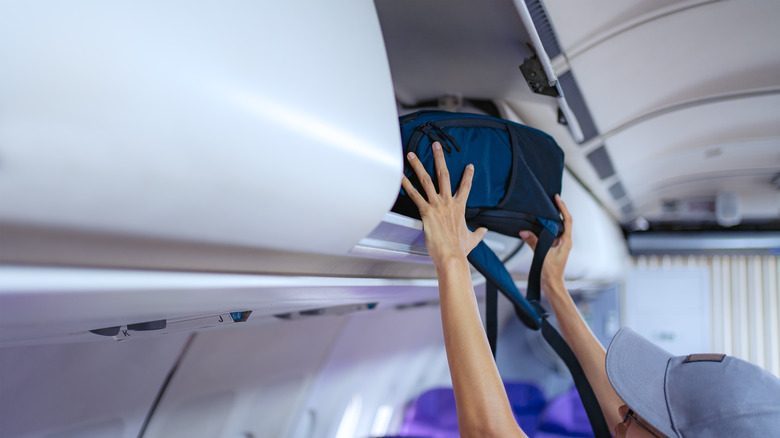
Here’s how I keep baggage from blowing up the budget and keep the total trip cost with budget airlines under control:
1. Decide your luggage strategy before you pick an airline.
- If you can travel with just a personal item, ULCCs can be a steal.
- If you need a carry-on or checked bag, suddenly JetBlue, Southwest, Alaska, or Hawaiian often win on total cost in a budget airline vs full service cost comparison.
2. Max out the free personal item. Many major carriers still allow a free carry-on and a personal item. On ULCCs, the personal item is often your only free bag. Use a soft, slightly larger backpack or duffel that fits their exact dimensions. I’ll even nest a small purse or sling inside it.
3. Pay for bags early or not at all. The later you pay, the more it costs. Buying a bag at the gate is like buying bottled water at a music festival: you’ll pay whatever they ask because you have no choice.
4. Know the dimensions, not just the weight. ULCCs are ruthless about size. A bag that’s one inch too big can trigger a last-minute fee that’s higher than the original ticket. I always check the airline’s exact measurements and test my bag at home.
Takeaway: Before you fall in love with a fare, ask: What will this cost with the bags I actually bring?
If you’re checking a bag, the cheap
airline often isn’t.
3. Seat Selection: Are You Paying Not to Sit in the Middle?
Seat fees are sneaky because they feel optional. In practice, they often aren’t.
On many budget and mainstream airlines, you now pay to:
- Guarantee you sit with your partner or kids
- Avoid the last row or middle seats
- Get extra legroom or closer-to-the-front seats
On ULCCs, these fees can be aggressive. You might see $15–$40 per seat, per direction, even for standard seats. For a family of four on a round trip, that’s easily $120–$300 just to sit together.
Here’s how I decide whether to pay these cheap flight add on charges:
If I’m solo and it’s a short flight: I often skip seat selection entirely. I accept the risk of a middle seat and put that money toward a better airline next time.
If I’m traveling with kids or on a long flight: I treat seat selection as part of the fare. I add it into the total cost when comparing airlines. If a ULCC plus seat fees is within $30–$50 of a more comfortable carrier, I usually choose the better airline.
Also, remember: some airlines quietly board basic or bare-bones fares last. That means overhead bin space may be gone by the time you get on, which can force a gate-check (and sometimes a fee). Suddenly, that optional
seat or boarding upgrade looks less optional.
Takeaway: Don’t compare fares without including the cost of the seat you’re actually willing to sit in.
4. Comfort & Time: The Hidden Costs You Don’t See on a Receipt
There’s another layer of cost that doesn’t show up on your credit card statement: your comfort, your time, and your stress level.
ULCCs often pack in more seats, which means:
- Tighter legroom
- Less recline (or none)
- More cramped cabins overall
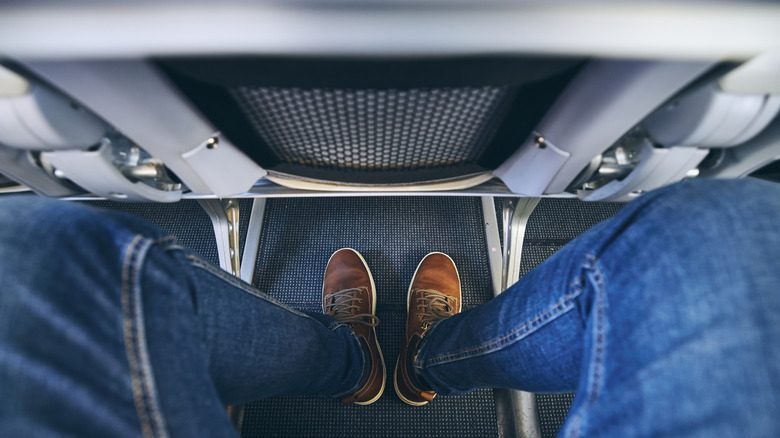
On a 45-minute hop, that might be fine. On a 4-hour flight, it can feel like a bad life choice.
Then there’s the schedule and reliability problem. Many budget airlines:
- Fly fewer routes and fewer frequencies per day
- Have limited backup aircraft and crews
- Offer weaker customer service when things go wrong
So when a flight is delayed or canceled, you may have:
- No same-day alternative
- Long lines and slow support
- Out-of-pocket costs for hotels, meals, and missed connections
That’s the part most people don’t factor in. A $60 cheaper ticket can cost you a missed wedding, a lost day of vacation, or an extra night of hotel and food. Suddenly, the expensive
airline with more flights and better recovery options looks like a bargain.
My rule: If I absolutely must arrive on time (weddings, cruises, important meetings), I avoid ULCCs or at least avoid tight connections and last flights of the day. The risk-adjusted cost is just too high.
Takeaway: The cheapest ticket on paper can be the most expensive in real life if it costs you time, sleep, or a critical event.
5. Change Fees, Cancellations & the Flexibility Trap
Another way cheap airlines get expensive: inflexible tickets.
Many basic or ultra-low fares come with harsh rules:
- High change fees (or no changes allowed at all)
- Little or no credit if you cancel
- Penalties even when you switch to a cheaper flight
On some carriers, change and cancellation fees can run $75–$200 for domestic flights and much more for international. On a $99 ticket, that’s absurd – but it’s also common.
Meanwhile, some airlines (and specific fare types) have moved to no change fees or more flexible credits. Southwest, for example, built its reputation on no change fees and generous credits, which is a big reason it often wins on total trip cost for people whose plans might shift.
Here’s how I approach flexibility and avoid the classic mistakes booking ultra low fare flights:
1. I’m honest with myself about how likely my plans are to change. If there’s even a moderate chance, I’ll pay more upfront for a flexible fare or a more forgiving airline. It’s cheaper than paying change fees later.
2. I read the fare rules before I click buy. Basic economy and ultra-basic fares often look irresistible, but they’re designed to punish any deviation from the plan. If I know I might need to move the flight, I avoid them.
3. I use tools and cards that soften the blow. Some travel credit cards reimburse airline incidentals like change fees or offer trip protection. That doesn’t make a bad fare good, but it can tilt the math in your favor.
Takeaway: A rigid cheap ticket is only a deal if your life is perfectly predictable. Most of ours aren’t.
6. The Illusion of Airfare “Hacks” vs. Real Savings
You’ve probably seen the headlines: Book on Tuesdays!
Use a VPN!
Change your currency!
There’s a whole industry built on the idea that you can outsmart airline pricing with a clever trick.
Here’s the uncomfortable truth: those hacks usually save you a little, while fees cost you a lot.
Data from airfare studies and reports shows that:
- Booking on certain days (like Sunday vs. Friday, or midweek vs. weekend) might save you 5–15% in some cases.
- Flying on off-peak days (Tuesday, Wednesday, Saturday) can reliably be 10–20% cheaper than peak days.
- VPN and foreign-currency tricks sometimes work, but the savings are inconsistent and often wiped out by foreign transaction fees or support headaches.
Meanwhile, airlines are making billions from baggage, seat, and other ancillary fees. That’s where the real money is – and where your real savings are hiding.
So instead of obsessing over whether Tuesday at 3 p.m. is the magic booking time, I focus on things I can control:
- Choosing airlines with better included benefits for the way I travel
- Traveling lighter to avoid bag fees
- Picking off-peak travel days when I can
- Comparing total trip cost, not just base fare
If you enjoy tinkering with hacks, go for it. Just don’t let them distract you from the bigger, more predictable savings sitting right in front of you.
Takeaway: Timing tricks might save you $20. Smart choices about bags, seats, and airlines can save you hundreds.
7. How to Compare Airlines the Smart Way (Without a Spreadsheet)
Let’s put this into a simple, repeatable process you can use every time you book.

When I’m choosing between a cheap airline and a more mainstream one, I walk through this checklist. It’s my quick budget airline cost comparison method:
Step 1: Define your real
trip.
- How many bags will you bring, realistically?
- Do you need to sit with someone?
- How likely are your dates to change?
- How important is on-time arrival?
Step 2: Simulate the full booking on 2–3 airlines.
- Add at least one checked bag or carry-on if you’ll need it.
- Add seat selection if you care where you sit.
- Note any change/cancellation rules for the fare you’re choosing.
Don’t stop at the search engine’s first price. Click through until you see the real total, including extra fees on low cost airlines like bags and seats.
Step 3: Put a value on comfort and risk.
- If Airline A is $40 cheaper but has tighter seats, fewer flights, and harsher rules, is that worth it to you?
- If Airline B is slightly more but includes a bag and has better recovery options, that might be the smarter buy.
Step 4: Use cards and perks strategically, not blindly.
- An airline credit card that gives you a free checked bag can flip the math in favor of that airline.
- But if you rarely fly them, the annual fee may not be worth it.
At the end of this process, I’m not asking, Which ticket is cheapest?
I’m asking, Which option gives me the best value for the way I actually travel?
Takeaway: A 5-minute full cost
comparison beats hours of chasing hacks and deals
that aren’t really deals.
8. When Cheap Airlines Make Sense – and When to Walk Away
Ultra-cheap airlines aren’t evil. They’re just very specific tools. They work brilliantly in some situations and terribly in others.
When they can be a great deal:
- You’re traveling solo or as a couple.
- You can fit everything into a strict personal item.
- Your dates are firm and you’re flexible about delays.
- It’s a short, direct flight, not a long-haul or tight connection.
When I usually avoid them:
- Family trips where sitting together matters.
- Trips with checked bags or bulky gear.
- Time-sensitive events (weddings, cruises, important meetings).
- International trips where disruption recovery is critical.
The real power move isn’t to swear off cheap airlines or to worship them. It’s to use them deliberately, with your eyes open.
Next time you see that irresistible low fare, pause for a second and ask yourself:
What will this actually cost me – in money, time, and stress – by the time I get home?
If you like the answer after you’ve added bags, seats, and risk into the equation, book it. If not, that more expensive
airline might be the real bargain.
Because in the end, the cheapest flight isn’t the one with the lowest number on the screen. It’s the one that gets you where you’re going, with your sanity (and your budget) still intact – even after all the airline baggage and seat fees are counted.