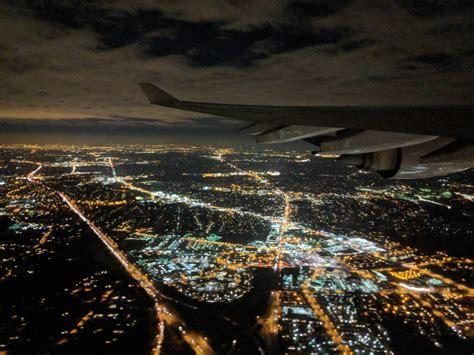
I used to click the cheapest fare and call it a win. If it left at 11:45 p.m. or landed at 4:30 a.m., I’d shrug and think, It’s fine, I’ll sleep on the plane.
Then I started adding up what those flights really cost me.
Extra taxis. Wasted hotel nights. Groggy first days where I basically lost a full day of my trip. That’s when I realised: red-eye flights are often cheaper on paper, but not always in real life.
Now, before I book any late-night or early-morning flight, I run through a quick checklist. It helps me compare the total trip cost—transport, safety, sleep, and hotel time—not just the fare on the screen.
1. Are you really saving money once you land?
Let’s start with the big illusion: the ticket price. Yes, late-night and early-morning flights are often cheaper. Many routes see 12–30% lower fares at awkward hours because most people don’t want them. Airlines discount to fill seats and keep planes moving instead of parked.
But the moment you land, the math changes.
Ask yourself:
- What transport options will actually be running when I arrive? After a certain hour, metros and buses stop. That
cheap
red-eye can quietly add a $40–$80 taxi or rideshare. Those airport transport costs at night can erase the savings fast. - How far is the airport from the city? Secondary or regional airports can make the ticket cheaper but the ground transport longer and pricier.
- What’s my realistic arrival time? Airlines pad schedules, and late flights are more vulnerable to delay chains. A 10:45 p.m. scheduled arrival can easily become 12:15 a.m.
Here’s the mental trick I use now: I add the likely taxi cost directly to the ticket price when I compare options. It turns a simple fare comparison into a real late night flight cost breakdown.
Example:
- Red-eye: $220 fare + $55 late-night taxi = $275
- Daytime: $270 fare + $5 metro = $275
On the booking site, the red-eye looks cheaper. In real life, they’re the same price. If the daytime flight also gives me more energy and less risk, it’s suddenly the better deal.
Takeaway: Before you get excited about a cheap red-eye, price in your realistic ground transport at that hour. If you wouldn’t take a bus at midnight in that city, don’t pretend you will when you’re booking.
2. How much of your hotel night are you throwing away?
Here’s a cost most people ignore: the value of the hotel night you’re paying for.
If you land at 1:00 a.m., clear immigration, grab your bag, and reach your hotel at 2:30 a.m., you’ve just paid for a full night to sleep maybe four or five hours. If you’re checking out the same day or starting early, that night is heavily discounted in terms of actual use.
Flip it around. Arrive at 7:00 a.m. or 8:00 a.m. and you hit a different problem: you can’t check in yet, you’re exhausted, and you end up:
- Paying for early check-in or an extra night
- Spending hours in cafes, co-working spaces, or airport lounges
- Dragging your luggage around, too tired to enjoy anything
Both late-night and early-morning arrivals create what I call dead time—hours where you’re spending money but not really getting value from your accommodation.
When I compare flights now, I ask:
- What time will I realistically reach the hotel?
- Will I actually use that first night? Or am I paying full price for a bed I’ll barely touch?
- Would shifting to a daytime flight let me use that night fully?
Sometimes the answer is to arrive earlier and pay for an extra night so I can check in immediately and sleep properly. Other times, I’ll deliberately book a morning arrival, store my bags, shower at a gym or lounge, and ease into the day.
Takeaway: Don’t just compare fares. Compare how many usable hours of hotel time each flight gives you. A slightly pricier flight that lets you fully use a hotel night can be cheaper overall than a so-called hotel-saving red-eye.
3. Is the safety and stress trade-off worth it?
Money isn’t the only cost. Late-night and very early-morning arrivals can change your risk profile and stress level, especially if you’re solo or in an unfamiliar city.
Before I book a red-eye, I run through a quick red eye flight safety and cost check:
- What’s the neighbourhood like around my accommodation at 1–3 a.m.? Busy and well-lit, or deserted and sketchy?
- How reliable are taxis or rideshares at that hour? In some cities, you’ll wait 40 minutes. In others, surge pricing kicks in.
- What’s my backup plan if my flight is delayed past the last train or bus?
Late flights are more exposed to delay domino effects. Every small delay during the day can stack up, and by the time your 9:30 p.m. departure rolls around, the plane might be late arriving, the crew might be out of hours, or airspace might be congested.
That’s how you end up landing at 2:00 a.m. instead of 11:30 p.m., with:
- No public transport
- Higher taxi fares
- Closed hotel reception or complicated late check-in
Personally, I’m willing to pay more to avoid arriving in a new city in the middle of the night unless I know it well and have solid transport lined up.
Takeaway: If a late arrival would make you feel unsafe, stressed, or stranded, that’s a real cost. Price in the peace of mind of arriving at a more reasonable hour.
4. What is your sleep actually worth to you?
We talk about money a lot, but the hidden killer with red-eyes is sleep debt.
On paper, a red-eye looks efficient: you save
a night of accommodation and arrive ready to go. In reality, most of us:
- Sleep badly in cramped seats
- Wake up multiple times for announcements, turbulence, or service
- Arrive dehydrated and out of sync with local time
Then what happens?
- You lose your first day to fatigue and naps
- You’re more likely to get sick or irritable
- Your work performance or trip enjoyment drops
If you’re flying for work, ask yourself bluntly: What is a half-productive day worth? If you bill clients, lead meetings, or need to be sharp, that cheap red-eye can quietly cost you far more in lost effectiveness than the fare difference.
Even for leisure, I’ve had trips where I saved
$60 on a red-eye and then spent the first day in a fog, doing nothing I’d planned. That’s not a saving. That’s a wasted day of vacation.
Some people genuinely sleep well on planes. If that’s you, great. If it’s not, be honest with yourself about the sleep trade-offs of overnight flights.
Takeaway: Put a rough value on your first day’s energy. If a red-eye will wipe it out, that’s part of the price.
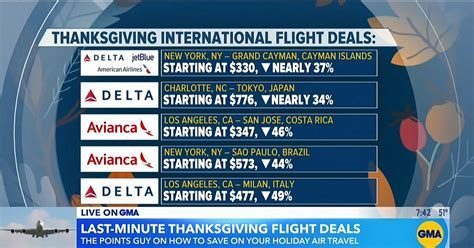
5. Are you chasing myths about night-time prices?
There’s another layer to this: when you book, not just when you fly. You’ve probably heard lines like:
Tickets are always cheaper after midnight.
Book at 2 a.m. and you’ll get secret deals.
Modern airline pricing doesn’t really work like that anymore. Fares are set by dynamic algorithms that adjust 24/7 based on demand, competition, and remaining seats. There’s no universal cheap at midnight
rule.
What does happen:
- Some airlines still push fare updates or flash sales around their local midnight to avoid heavy traffic.
- Lower search volume late at night can sometimes mean slightly lower prices on some platforms because fewer people are signalling demand.
- Online travel agencies can show outdated fares for a short time due to API delays, so a
deal
you see at 2 a.m. might vanish at checkout.
In other words, you might find a deal at 2 a.m., but it’s not guaranteed, and it’s not because the universe decided that’s the magic hour.
What consistently matters more:
- Booking in the right window (often 1–3 months before domestic, 2–8 months for international)
- Being flexible with dates and airports
- Using price alerts and tracking trends over time
Takeaway: Don’t torture yourself staying up to book at 2 a.m. Focus on overall flexibility and timing, not midnight myths.

6. How to run a quick door-to-door cost check (the 5-minute method)
Here’s the simple process I use now before I book any awkwardly timed flight. It takes about five minutes and often flips my decision about whether red-eye flights are really cheaper.
- List your realistic options.
- Option A: Late-night or red-eye
- Option B: Daytime or early evening
- Option C: Different day or nearby airport (if relevant)
- For each option, estimate door-to-door time.
- Home to departure airport
- Flight time + likely delay buffer (especially for late flights)
- Arrival airport to accommodation
- Add realistic ground transport costs.
- Check last metro/bus times
- Look up typical taxi or rideshare fares at that hour
- Include any airport surcharges or night fees
- Factor in hotel value.
- Will you use the full night, half a night, or almost none?
- Will you need early check-in or an extra night?
- Price your energy.
- Will you lose a workday or a vacation day to exhaustion?
- Is that worth more than the fare difference?
Then I write it out roughly like this:
Option A (Red-eye)Ticket: $220Taxi (no metro at 1 a.m.): $50Hotel night used: 4 hours (feels like half value)Energy: first day mostly lostOption B (Daytime)Ticket: $280Metro: $5Hotel night used: fullEnergy: first afternoon productiveWhen I see it in black and white, the cheap
option often stops looking cheap. It’s a quick way to see the total trip cost with red-eye flights, not just the fare.
Takeaway: Always compare flights on a door-to-door, full-impact basis. If you only look at the fare, you’re not really comparing the same thing.
7. When a red-eye actually makes sense
After all this, you might think I’m anti–red-eye. I’m not. I still book them—but only when the context is right.
I’m more likely to choose a late-night or early-morning flight when:
- I know the destination well and trust the transport at that hour
- The airport is close to the city and taxis are cheap and safe
- I can sleep decently on that route (long-haul, decent seat, eye mask, etc.)
- I have a buffer day before important meetings or events
- The savings are significant even after adding taxis and hotel effects
On the other hand, I avoid red-eyes when:
- I’m arriving somewhere new or chaotic late at night
- I need to be sharp the next morning for work or an event
- Public transport shuts down early and taxis are expensive
- The fare difference is small once I add ground costs and hotel time
Think of red-eyes as one tool among many. Sometimes they’re perfect. Other times, they’re the classic mistake of booking very early flights just because the fare looks good.
Takeaway: Red-eyes aren’t automatically good or bad. They’re a tool. Use them when the context makes sense, not just when the price looks tempting.
8. The bottom line: stop letting the fare box decide for you
When you’re staring at a booking screen, it’s easy to let the lowest number win. But that number is only the starting point of what the trip will cost you in money, time, and energy.
Before you lock in a late-night or early-morning flight, pause and ask:
- What will I really spend door-to-door? Include those airport taxi costs for 4 a.m. flights and any night surcharges.
- How much of my hotel night will I actually use?
- Will I feel safe and calm when I arrive?
- What will this do to my first day’s energy?
If, after that, the red-eye still comes out ahead, book it confidently. You’re not just chasing a cheap fare—you’re making a conscious trade-off.
And if the more expensive daytime flight wins on total value? That’s not overspending. That’s buying back your time, safety, and sleep. In my experience, those are the best travel upgrades you can make.