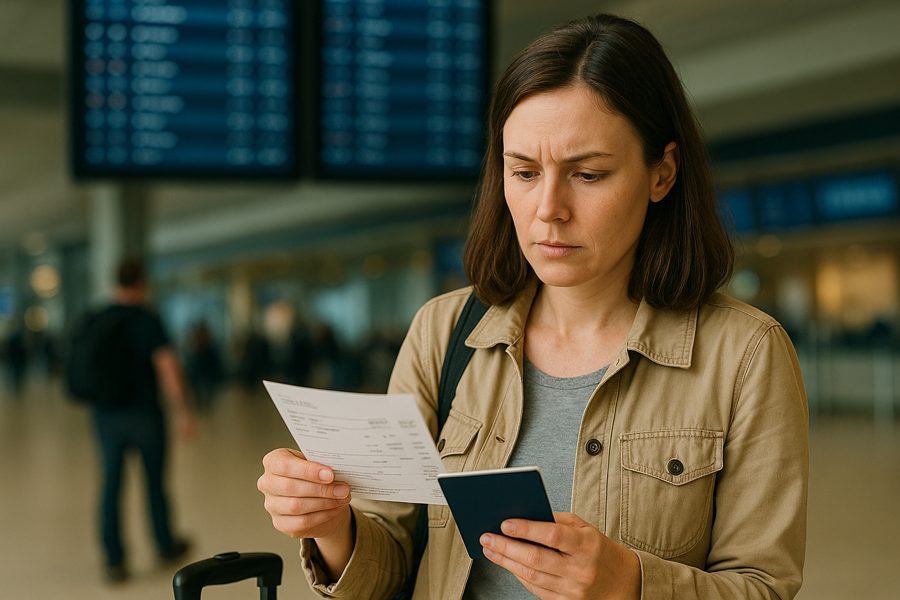
I love squeezing value out of flights. I also know that self-transfer itineraries can blow up spectacularly if you don’t respect the risks.
When you book separate tickets to “build” your own connection, you’re basically playing airline. Sometimes that saves hundreds. Other times it costs you thousands, plus a ruined trip, if you get a few key decisions wrong.
Let’s walk through the real mistakes travelers make with self-transfers – and how to avoid turning a clever money-saving move into an expensive disaster.
1. Treating Separate Tickets Like a Normal Connection
This is the big one. It happens all the time.
You book Flight A and Flight B on different tickets. The times line up nicely. It looks like a normal connection. So you assume the airlines will help if something goes wrong.
They won’t.
On a self-transfer with separate tickets:
- Each ticket is its own contract and its own PNR.
- The second airline doesn’t care what happened on the first flight.
- If you’re late, you’re usually a no-show – and your onward ticket can be canceled with no refund.
Weather delay on the first flight? Mechanical issue? Crew timing out? It doesn’t matter. With unprotected flight connections, the second airline is not responsible. You’ll likely be buying a new last-minute ticket at walk-up prices.
Before you even think about a DIY connection, ask yourself:
If my first flight is delayed by three hours, can I afford to buy a brand-new ticket on the spot?
Is this trip flexible enough that a major delay won’t wreck it?
If the answer is no, you probably want a through ticket instead of a self transfer. That way, the airline owns the connection risk, not you.
2. Underestimating How Long a Self-Transfer Really Takes
One of the most common self transfer flight mistakes is copying the layover times you’d accept on a normal connection. That’s asking for trouble.
On a protected connection, you usually stay airside. Your bags are checked through. If you’re late, the airline rebooks you.
On a self-transfer, you often have to:
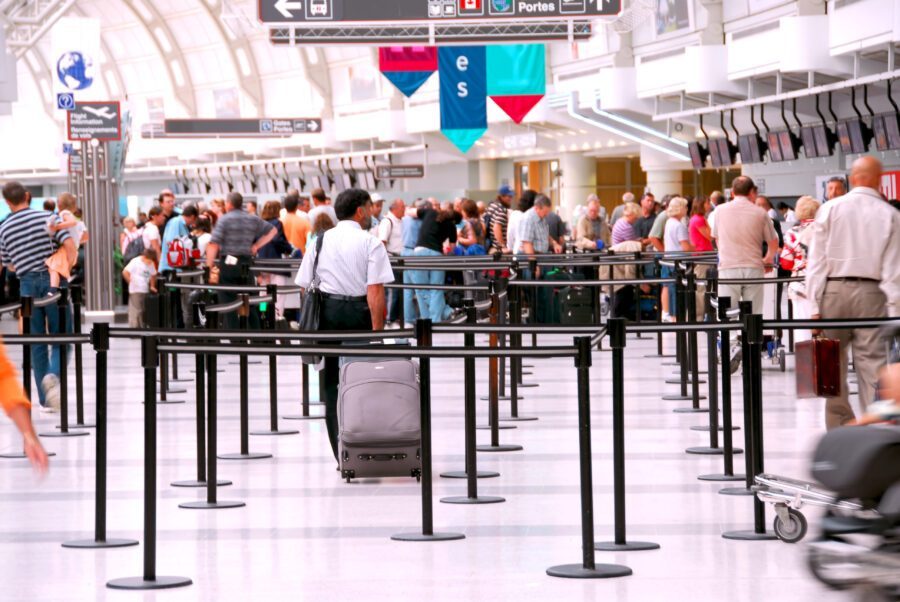
- Deplane and walk to immigration
- Clear immigration and customs (for international arrivals)
- Wait at baggage claim
- Exit arrivals completely
- Find the next airline’s check-in area
- Check in again and drop bags
- Clear security again
- Walk to the gate (possibly in another terminal)
That’s a lot of steps. Any one of them can eat 30–40 minutes if the airport is busy. Suddenly your “comfortable” layover doesn’t look so safe.
My personal self transfer minimum connection time (same airport):
- Domestic–domestic: 3 hours (2 only if I know the airport very well and I’m carry-on only)
- International arrival–domestic: 4–5 hours
- International–international: 4–6 hours, more if visa checks or security are notoriously slow
If you’re changing airports (Heathrow to Gatwick, JFK to LaGuardia, etc.), that’s a different game. Think in half-days, not hours.
When in doubt, ask: If immigration is slammed, baggage is slow, and security is backed up, do I still make this?
If the honest answer is “maybe,” your layover is too tight – and you’re flirting with a missed connection on separate tickets.
3. Ignoring Baggage Reality (and Losing All Your Savings)
Checked bags are where self-transfers go to die.
On separate tickets, your bags usually do not check through. That means:
- You must collect them at the first airport.
- You must re-check them with the next airline.
- You pay baggage fees on each ticket, often at the highest airport rate.
That “$200 cheaper” itinerary can quietly become more expensive than a single through-ticket once you add:
- Bag fees on both legs
- Seat selection fees (twice)
- Priority boarding or check-in you buy in a panic
And that’s before you factor in the time risk of waiting at baggage claim. Baggage issues with self transfer flights are one of the fastest ways to erase any savings.
Whenever I’m considering a self-transfer, I do a simple exercise:
- Price the total cost of the self-transfer: base fares + bags + seats + any extras I realistically will buy.
- Price a single-ticket alternative with bags included.
If the difference isn’t substantial, I don’t bother with the risk.
My rule of thumb: if I can’t go carry-on only, I need a very big price gap to justify a self-transfer. Otherwise, the separate booking flight problems just aren’t worth it.

4. Forgetting About Immigration, Visas, and Border Rules
Self-transfers can quietly turn into immigration traps.
On a protected connection, you often stay airside and never technically “enter” the country. On a self-transfer, you usually have to enter the country to collect your bags and re-check in.
That means you may need:
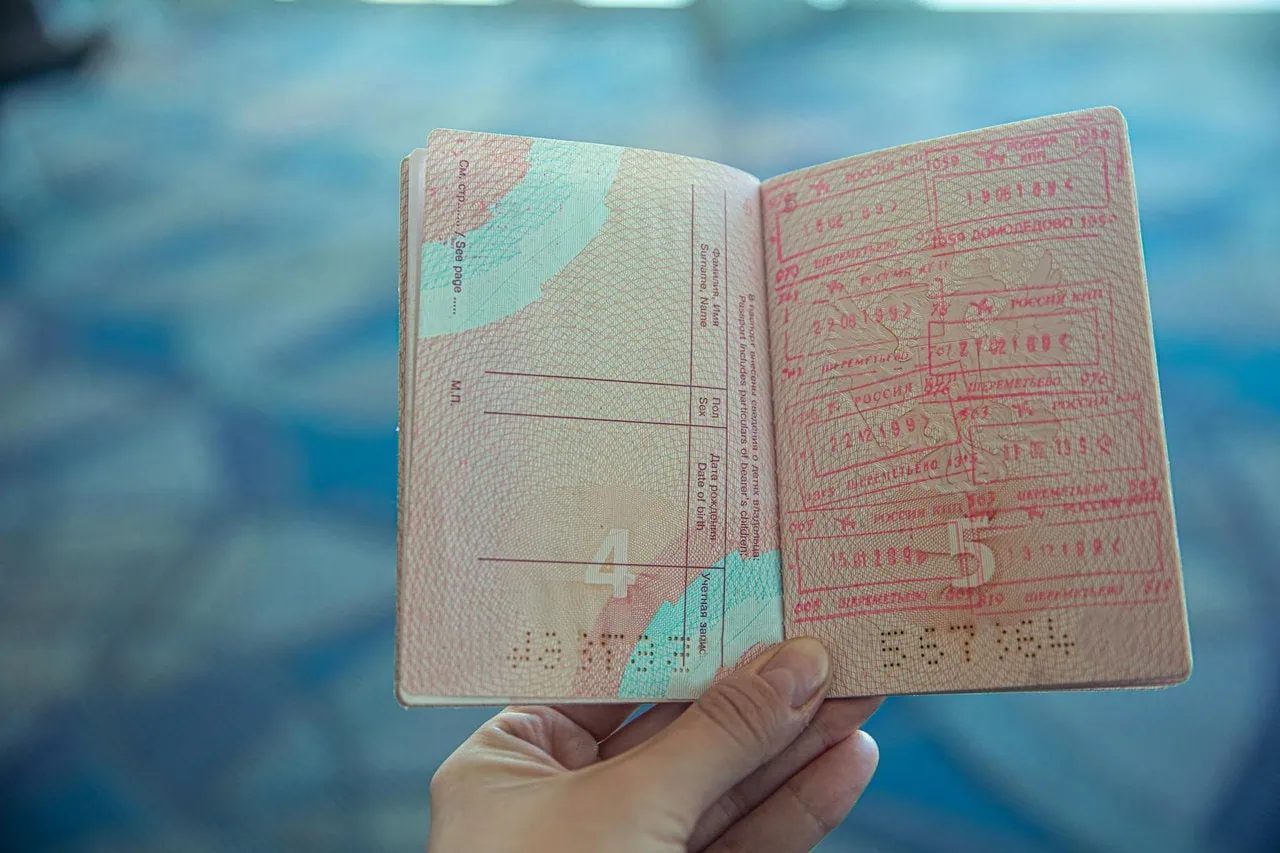
- A visa you didn’t realize was required
- Proof of onward travel from that country
- Enough remaining validity on your passport
I’ve seen travelers denied boarding on the first flight because the airline realized they’d be forced to enter a country where they didn’t have the right to do so, just to complete their self-transfer. That’s one of the nastier self transfer immigration risks.
Ask yourself:
Will I have to clear immigration to get my bag and re-check in?
Does this country require a visa or transit visa for my nationality if I enter?
Is my onward flight considered ‘proof of exit’ from that country, or is it technically a separate trip?
Don’t assume. Check the rules for your passport and your exact routing using official government sites or a reputable visa checker. And remember: airline agents can and will deny boarding if they think you’ll be refused at the border.
5. Booking Self-Transfers for Trips You Absolutely Cannot Miss
Some trips are flexible. Some are not.
Self-transfers are a terrible idea when the stakes are high, for example:
- A cruise departure
- A wedding or once-in-a-lifetime event
- A tight work schedule or important meeting
- Long-haul trips with limited daily flights
Remember: if your first flight is delayed and you miss the second, you’re on your own. The cruise ship won’t wait. The event won’t move. The airline won’t feel bad.
Ask yourself bluntly:
If this connection fails, what do I lose?
Can money fix it, or is it gone forever?
If the answer is “this would be devastating,” don’t gamble with separate tickets. Book a protected itinerary, or arrive a day early on a completely separate trip and treat it as a buffer.
And if you still insist on self-transferring for a critical trip, at least:
- Build in huge time buffers (think half a day or more).
- Have a clear Plan B (and the budget) if things go wrong.
- Consider travel insurance that explicitly covers missed connections on separate tickets.
When self connecting flights go wrong on a big trip, the emotional cost can be just as painful as the financial hit.
6. Not Having a Backup Plan (or Budget) for When Things Go Wrong
Self-transfers are all about risk management. Many travelers book them as if everything will go perfectly. That’s the mistake.
Here’s what I do instead:
1. I assume something will go wrong.
- A delay, a schedule change, a long security line, a slow baggage belt.
- I mentally treat the “perfect” itinerary as a bonus, not the baseline.
2. I pre-plan escape routes.
- What are the next 2–3 flights to my destination if I miss my connection?
- Are there trains, buses, or other airports I could use?
- How late is “too late” before I switch to Plan B?
3. I ring-fence a disruption budget.
- Enough to buy a last-minute one-way ticket if I have to.
- Enough for a hotel and meals if I get stuck overnight.
Also, understand your rights properly:
- Regulations like EU261 or Canada’s APPR may compensate you for a delayed or canceled flight itself, but they usually don’t cover your missed self-transfer.
- In the U.S., there’s no federal compensation rule for missed connections; it’s all airline policy.
- Travel insurance can help, but only if the policy explicitly covers missed connections on separate tickets and the cause is a covered reason.
In other words: you are the safety net. Don’t book a self-transfer if you can’t afford to be your own backup or cover the cost of a missed self transfer out of pocket.
7. Trusting Search Engines Without Reading the Fine Print
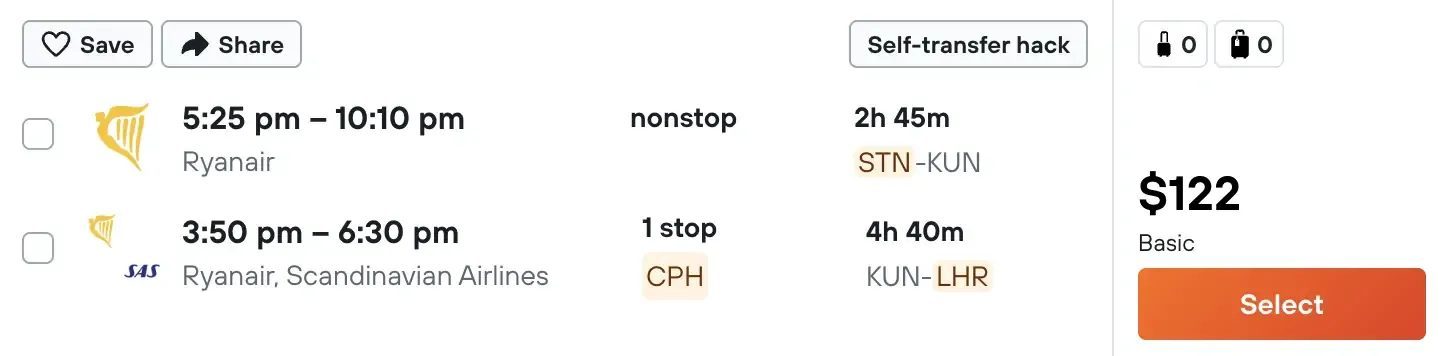
Here’s a sneaky one. Many flight search engines now mix protected connections and self-transfers in the same results. The layouts look similar. The risks are not.
Tools like Kiwi, Skiplagged, Kayak, and even Google Flights can show “hacker fares” or “self-transfer” options that are separate tickets stitched together. Sometimes they’re clearly labeled. Sometimes the warning is easy to miss.
Before you click “buy,” always check:
- Is this one ticket with one booking reference, or multiple tickets?
- Does the site offer any kind of connection protection or guarantee? (And what are the conditions?)
- Which airline actually issued each ticket?
If you’re booking directly with airlines, it’s simpler: if you can see all flights under one booking reference and one ticket number, it’s usually a protected connection. If you have multiple separate bookings, it’s not.
Don’t let a clever interface trick you into thinking you’re safer than you are. Many DIY flight connection mistakes start with a search result that looked “normal” at first glance.
8. Packing and Moving Like It’s a Normal Layover
Even if you’ve nailed the timing and the tickets, you can still sabotage yourself with how you move through the airport.
On a self-transfer, every minute counts. I change how I travel.
I go carry-on only if humanly possible.
- No waiting at baggage claim.
- No risk of bags being misrouted between separate airlines.
- More flexibility if I need to switch to a different flight last-minute.
I keep my phone alive and my info handy.
- Portable charger in my personal item.
- Airline apps installed and logged in for all carriers I’m flying.
- Boarding passes and booking references saved offline.
I avoid leaving the secure area unless I absolutely must.
- On some domestic self-transfers, you may be able to stay airside if you’re carry-on only and already checked in.
- Every extra security line is another chance to get stuck.
I bring my own snacks and an empty water bottle.
- So I’m not forced to exit security just to find food.
- So I don’t waste time in long food-court lines when I should be moving.
Think of a self-transfer as a timed obstacle course. The lighter and more organized you are, the more margin you have when something unexpected happens – and the less likely you are to become another story of self connecting flights gone wrong.

Should You Ever Book a Self-Transfer?
Yes – but only when it makes sense.
I’m comfortable with self-transfers when:
- The savings are significant (not $40, more like $200+).
- I know the airports or have researched them thoroughly.
- I’m traveling light and can go carry-on only.
- The trip is flexible enough that a delay won’t ruin everything.
- I’ve built in generous time buffers and a clear Plan B.
And I avoid them when:
- The trip is time-critical or emotionally important.
- I’m traveling with kids, older relatives, or anyone who moves slowly.
- I need checked bags and the price difference is modest.
- Visa or immigration rules are complicated or uncertain.
In the end, it’s not just self transfer vs through ticket. It’s about how much risk you’re willing to carry yourself.
The real question isn’t Can I save money with separate tickets?
It’s:
Is the risk I’m taking worth the money I’m saving?
If you answer that honestly – and plan like the airlines won’t help you (because they won’t) – you can avoid the most common errors with separate flight tickets and use self-transfers as a smart tool instead of an expensive mistake.