I don’t really believe in cheap
trips or luxury
trips. I believe in smart trips.
Most of us don’t have unlimited money. But we do have choices. And how you allocate your budget matters far more than the final number on your credit card bill. The same $2,000 can feel forgettable—or absolutely life-changing—depending on where you splurge and where you’re willing to save.
This guide is a practical, reusable framework for where to splurge vs save on a trip. We’ll walk through flights, stays, food, activities, and souvenirs through the lens of different travel personalities, so you can decide what’s worth it for you, not for Instagram or someone else’s idea of budget vs luxury travel
.
1. Start With Your Travel Personality (Before You Touch the Budget)
Most people start with prices. I start with patterns.
Think back to your last few trips. Where did you feel, That was so worth it
? And where did you think, Why did I spend money on that?
Forget what you think you should like. Look at what actually lit you up. That’s the core of any practical travel budgeting framework.
- The Comfort Seeker – You care about sleep, hot showers, and not feeling rushed. Bad beds ruin your mood and your trip.
- The Experience Hunter – You’ll tolerate a cramped room if it means a hot air balloon ride, safari, or niche local tour you’ll talk about for years.
- The Food-First Traveler – You remember trips by meals. You’ll walk 30 minutes for a legendary hole-in-the-wall and plan days around reservations.
- The Social/Status Traveler – You like good aesthetics, photogenic spots, and places that feel a bit aspirational or
special
. - The Value Maximizer – You get a thrill from squeezing the most out of every dollar and hate paying for things that don’t clearly add value.
Most of us are a mix, but one or two usually dominate. That’s your starting point for any travel splurge and save framework.
Key move: Before you look at prices, write one sentence: On this trip, I care most about ________.
Comfort? Food? Adventure? Time with family? That one line will guide how you prioritize travel spending and where you cut ruthlessly.
2. Flights: Save on Class, Splurge on Time and Sanity
Flights are emotional. Business class looks tempting. Flash sales feel urgent. And if you’re not careful, you’ll burn half your trip budget allocation on flights before you even land.
Here’s a simple way to think about it when you’re weighing cost trade-offs in travel planning:
- Save on status, splurge on schedule. Business class is rarely worth the massive price jump. Instead, look at premium economy, extra-legroom, or bulkhead seats. If you want an upgrade, watch for last-minute offers when prices sometimes drop.
- Pay more for direct flights. Nonstop or fewer-connection routes are a
smart splurge
. They buy back your time, reduce stress, and lower the risk of missed connections and lost luggage. - Use strategy, not luck, to save. Fly off-peak days and times, use airline loyalty programs and credit card points, and consider budget airlines—but always check baggage and seat fees so your
deal
doesn’t double in price.
How this plays out by travel style:
- Comfort Seeker: Splurge on a direct flight and a decent seat (premium economy if you can swing it). Save by flying at less popular times and skipping full business class.
- Experience Hunter: Save aggressively on flights—red-eyes, budget airlines, points—so you can pour money into bucket-list activities once you arrive.
- Value Maximizer: Treat flights as a
commodity
: safe, on time, and reasonably comfortable. Use tools and alerts, book early, and avoid emotional upgrades.
Non-negotiable splurge: Travel insurance. One medical issue or major disruption can wipe out your entire budget. In any practical travel budgeting framework, this sits firmly in the spend more where safety is involved
category.
3. Accommodation: Location Is the Real Luxury
This is where many people get it backwards. They’ll pay for a fancy room in the wrong neighborhood, then spend their days commuting in and out.
Most travel advisors agree: accommodation is worth a thoughtful splurge, but not necessarily on stars, brand names, or marble bathrooms. When you’re deciding how to split your trip budget allocation between flights, hotels, and activities, remember this:
- Location over labels. A mid-range or boutique hotel in the right area beats a five-star hotel in the middle of nowhere. Being able to walk to key sights, cafes, and transit quietly upgrades your entire trip.
- Pay for sleep when it matters. After long-haul or red-eye flights, don’t book the absolute cheapest, noisiest place. A quiet, comfortable room that lets you actually rest is a high-ROI splurge.
- Use filters and reviews like a pro. Sort by review score, then price. Scan for words like
quiet
,walkable
,safe area
, andcomfortable bed
. Perks like free breakfast or late check-in can save money and stress. - Consider alternatives. Vacation rentals, guesthouses, upscale hostels, and small boutique hotels often give you more space or character for less—especially for groups or longer stays.
By travel style:
- Comfort Seeker: Splurge on a well-reviewed, well-located place with good beds and soundproofing. Save by skipping ultra-luxury brands and focusing on solid mid-range or boutique options.
- Experience Hunter: If you’re out all day, save with simpler accommodation in a great location. Splurge only on special nights—like a cave hotel in Cappadocia or a riad in Morocco.
- Value Maximizer: Set a strict filter: minimum review score, must-have amenities, and a clear price cap. You’re buying function, not bragging rights.
Rule of thumb: A bad stay can ruin a trip. A slightly nicer, better-located stay can quietly improve every single day. That’s usually worth some splurge in your travel cost guide.
4. Food: Everyday Cheap, Strategic Splurges
Food is where budgets quietly bleed. Three restaurant meals a day will wreck almost any plan, no matter how carefully you’ve tried to prioritize travel spending.
A better approach: save on routine, splurge on memory-making meals.
- Save on the everyday. Use local cafes, bakeries, markets, and street food for most breakfasts and lunches. If you have a kitchen, cook a few simple meals and put that money toward something special.
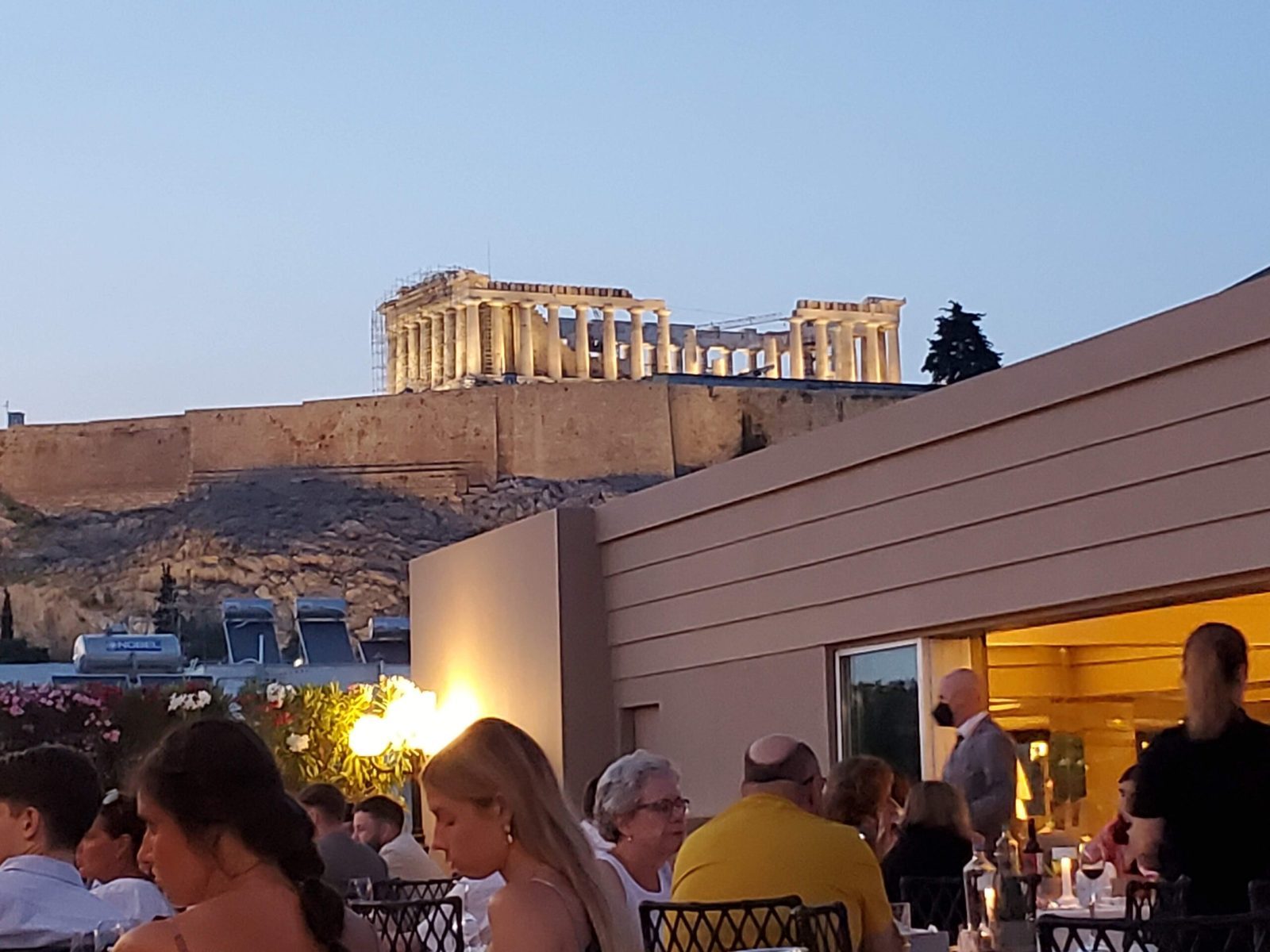
- Splurge on experiences, not just price tags. A dinner with a view of the Acropolis, a wine tasting in France, or a cooking class in Thailand is worth more than three forgettable mid-range dinners.
- Walk away from tourist zones. Go a few blocks away from major attractions and prices usually drop while quality and authenticity go up.
- Balance your week. Plan 1–3 standout meals in advance, then deliberately keep the rest casual and cheap. That’s how you save money on trips without feeling like you’re missing out.
By travel style:
- Food-First Traveler: This is your main splurge category. Book that tasting menu or famous local spot. Save on flights, shopping, or hotels to make room for it.
- Experience Hunter: Choose food experiences that double as activities—cooking classes, food tours, vineyard visits, night markets.
- Value Maximizer: Focus on where locals actually eat. Use reviews, but filter for
good value
andlocal
, not just high prices or hype.
Question to ask before any expensive meal: Will I remember this in a year?
If the answer is no, save your money for something that will.
5. Activities: One or Two Big Splurges, Then Go Cheap and Local
This is where trips become stories—and where people often overspend on generic, copy-paste tours.
For a smart travel splurge and save framework, think like this: intentionally plan a few major splurges that are unique to the destination, then fill the rest of your time with low-cost or free experiences.
- Choose 1–3 anchor experiences. Think hot air balloon rides, safaris, helicopter tours, snorkeling the Great Barrier Reef, private guides, or special day trips. These are your
this is why we came
moments. - Cut ruthlessly elsewhere. Skip overpriced tourist-trap attractions and paid viewpoints when there are free parks, rooftop bars, or local walking routes with similar views.
- Use free and low-cost fillers. Tip-based walking tours, free museum days, neighborhood wandering, hikes, markets, and beaches can easily fill days without draining your budget.
- Pre-plan to avoid guilt. Decide your big splurges before you go. When the bill comes, you’re not panicking—you’re just following the plan.
By travel style:
- Experience Hunter: This is your main splurge category. Save on flights and accommodation so you can say yes to the big stuff.
- Comfort Seeker: You might prefer fewer, more relaxed experiences—like a private driver for a day or a small-group tour instead of a huge bus tour.
- Value Maximizer: Read reviews carefully. Pay for activities that consistently show
worth every penny
and skip anything described asoverpriced
ortouristy
.
Litmus test: If you can do the same thing in any other city, think twice. If it’s truly location-specific, it’s a better candidate for a splurge.

6. Transportation, Safety & Insurance: Splurge Where Risk Lives
Some expenses don’t feel exciting, but they quietly protect your entire trip. This is where saving can be very expensive later.
- Travel insurance is a must. Medical issues, cancellations, lost luggage, and sudden rule changes can cost thousands. A modest policy is a small splurge that protects everything else.
- Local transport: save smart, not blindly. Public transit, walking, and bikes are usually cheaper and often more authentic. But late at night or in unfamiliar areas, paying for a taxi or rideshare is a safety splurge, not a luxury.
- Car rentals and cross-border driving. Don’t assume your home insurance covers you abroad. Check coverage carefully; sometimes the
annoying
extra insurance is the only thing between you and a huge bill. - Long-distance comfort. For long train rides or overnight buses, paying a bit more for a better class or sleeper can protect your health and mood for the next few days.
By travel style:
- Comfort Seeker: Splurge on direct routes, private transfers after late arrivals, and safer, more comfortable options.
- Experience Hunter: Save with public transit and walking most of the time, but don’t compromise on safety for the sake of a few dollars.
- Value Maximizer: Treat safety like an investment. You’re not paying for
nice to have
; you’re paying to avoid catastrophic downside.
Simple rule: Always spend more where safety is involved—insurance, secure lodging, safe transport, and convenient locations for late-night arrivals.
7. Souvenirs & Shopping: Save on Stuff, Splurge on Meaning
This is where many people mindlessly burn money at the end of a trip—airport gift shops, mass-produced trinkets, random clothes you’ll never wear again.
A better approach is to save on clutter and splurge on meaning.
- Skip tourist junk. Cheap, mass-produced souvenirs rarely last and don’t really represent the place. They’re the classic common travel splurge mistake.
- Buy local and practical. Artisan-made goods, local snacks from grocery stores, small pieces of art, or items you’ll actually use at home are better value and more meaningful.
- Consider experiences as souvenirs. Hiring a local photographer for a short shoot, printing a favorite photo, or framing a small piece of art can outlast any keychain.
- Set a souvenir budget. Decide in advance how much you’re willing to spend on shopping. When it’s gone, you’re done.
By travel style:
- Social/Status Traveler: If you care about aesthetics, splurge on one or two high-quality, photogenic items instead of a pile of cheap things.
- Value Maximizer: Focus on items with daily utility—spices, textiles, kitchenware, or clothing you’ll actually wear.
Question to ask: Will this still make me happy six months from now?
If not, take a photo and walk away.
8. Build Your Personal Splurge/Save Blueprint
Now let’s turn this into something you can actually use to plan a trip around your travel personality.
Grab a piece of paper (or a note on your phone) and create six lines:
- Flights: Splurge on ________ / Save on ________
- Accommodation: Splurge on ________ / Save on ________
- Food: Splurge on ________ / Save on ________
- Activities: Splurge on ________ / Save on ________
- Transport & Safety: Splurge on ________ / Save on ________
- Souvenirs & Shopping: Splurge on ________ / Save on ________
Then add one more line at the top:
Trip priority: On this trip, I care most about ________.
This becomes your personal travel budget by personality type. Use it every time you’re about to book something and ask:
Is this a splurge that matches my priorities, or am I just spending because everyone else does?
Travel doesn’t have to be cheap or lavish. It just has to be intentional. When you align your spending with who you are as a traveler—whether you splurge on experiences vs hotels, or the other way around—you stop chasing other people’s idea of a good trip and start building your own.