I love a big-name destination as much as anyone. But I don’t love paying $300 a night for a basic room or queuing for an hour just to stand at a crowded viewpoint.
If you’re a flexible traveler, you have a quiet superpower: you can swap the place everyone talks about for a place that quietly offers the same vibe
for half the price and a fraction of the crowds.
This guide isn’t about settling. It’s about asking a better question than Can I afford Switzerland / the Maldives / Singapore?
Instead, ask: What destination gives me a similar experience, but cheaper, calmer, and more authentic?
Think of it as a practical playbook for budget friendly destination swaps and affordable destination lookalikes—so you can travel more, not just spend more.
1. First Decision: What Experience Do You Actually Want?
Most people start with a brand
destination: Switzerland, Iceland, Tuscany, Singapore. That’s how you end up overpaying.
Flip it. Start with the experience instead. Ask yourself: what do I actually want my days to look like?
- Alpine drama – snow, lakes, cute villages, hiking, skiing.
- Tropical escape – turquoise water, white sand, island hopping.
- Old-world city break – cobblestones, architecture, cafes, markets.
- Adventure + nature – trekking, waterfalls, wildlife, camping.
- Modern city buzz – skyline, street food, nightlife, culture.
Once you know the experience, you can look for destination dupes—low cost alternatives to famous cities and regions—that deliver the same feeling without the price spike that comes with a famous name. That’s where the real savings are.
Keep this in mind as you read: every swap below is really about matching the vibe, not copying a postcard.
2. Love the Alps, Hate the Prices? Switzerland → Slovenia
If you dream of alpine lakes and mountain huts but choke when you see Swiss hotel prices, you’re not alone. Switzerland is stunning, but mid-range hotels at $200–$500 a night and pricey lift passes can burn through a budget in days.
Enter Slovenia. Same region, similar landscapes, radically different bill. It’s one of the easiest wins in any expensive vs cheap travel destinations comparison.

Here’s how the swap plays out in real life:
- Scenery: The Julian Alps, Lake Bled, and Triglav National Park give you that classic alpine mix of peaks, forests, and mirror-like lakes. You still get castle hikes, lakeside strolls, and mountain viewpoints that feel straight out of a Swiss brochure.
- Costs: Mid-range hotels in Ljubljana often come in under $100 per night. Food, coffee, and wine are noticeably cheaper than in Switzerland. You’re not counting every cappuccino.
- Access: Slovenia is compact. You can base in Ljubljana and reach mountains, lakes, and caves (like Postojna) without long, expensive transfers.
- Adventure: Long-distance routes like the Juliana Trail and the Trans Dinarica cycling route give you serious hiking and bikepacking options without Swiss-level prices.
If you were eyeing the Dolomites in Italy, the same logic applies. Slovenia’s alpine areas offer similar drama, but with more availability, fewer crowds, and better value glamping and guesthouses. You still get mountain huts and big views; you just don’t pay luxury-resort money for them.
Takeaway: When you want Alps energy
, search the whole region, not just Switzerland. For Europe destination swaps on a budget, Slovenia is the sweet spot right now: high quality, lower cost, and still relatively under the radar.
3. Chasing City Buzz: Singapore & Vienna → Kuala Lumpur & Budapest
Big-name cities are where budgets quietly die. The trick is to separate what you want to feel from the specific city you first thought of.
Singapore → Kuala Lumpur (and beyond)
Maybe you want a modern, multicultural city with skyscrapers, great food, and easy access to nature. Singapore fits that perfectly. It’s also one of the most expensive cities in Asia, especially for accommodation.
Malaysia gives you a very similar mix at a much friendlier price point—and it’s a textbook example of how to find cheaper lookalike cities if you’re willing to zoom out on the map.

- Kuala Lumpur: Think skyline views, malls, mosques, temples, and street food. Comfortable rooms often run around $50–$75, with nicer stays from about $100. That’s a big drop from Singapore’s typical $150–$300 mid-range.
- Side trips: Cool-climate tea plantations in the Cameron Highlands, heritage streets and cafes in Penang, and wildlife and diving in Malaysian Borneo (including Mount Kinabalu) give you a full, varied trip without leaving the country.
You still get the futuristic city + nature
combo, just without the financial hangover.
Vienna → Budapest
If your dream is grand architecture, river views, and cafe culture, Vienna is an obvious pick. It’s also polished, pricey, and busy.
Budapest gives you a similar hit of old-world charm with a more relaxed bill:
- Danube river views and dramatic architecture.
- Free access to Castle Hill, a UNESCO site with sweeping city panoramas.
- Thermal baths (often around $30) that feel indulgent but are still affordable.
- Lower prices on food, wine, and accommodation than Vienna.
Takeaway: When you want a big city hit
, ask: Is there a nearby city with the same cultural mix and skyline, but less hype?
Kuala Lumpur and Budapest are two of the easiest cheap alternatives to popular destinations you can plug into your plans.
4. Old-World Charm Without Overtourism: Prague & Tuscany → Ljubljana & the Balkans
Let’s be honest: some romantic
European cities now feel more like theme parks. Crowds, stag parties, inflated prices. If you’re flexible, you can sidestep that completely with smarter budget travel planning for flexible travelers.
Prague → Ljubljana
Prague is gorgeous, but it’s no longer a secret. Prices have climbed, and so have the crowds.
Ljubljana, Slovenia’s capital, offers a similar mood with far less stress:
- Renaissance-era and baroque architecture, riverside cafes, and a castle on a hill.
- Summer evenings where the whole city seems to spill into outdoor terraces.
- Winter Christmas markets that feel festive rather than crushed.
- Very affordable food, wine, and accommodation (you can still find budget stays under $20/night if you’re not picky).
It’s also a perfect base for day trips to Lake Bled, Triglav National Park, and nearby wine regions. You get the storybook European city
experience without the Prague price tag.
Tuscany → Bosnia & the wider Balkans
If you’re picturing rolling hills, vineyards, stone villages, and long lunches, Tuscany is the classic. It’s also heavily marketed and priced accordingly.
The Balkans—especially Bosnia and Herzegovina and neighboring countries—offer a surprisingly similar mix:
- Scenic countryside, mountains, and river valleys.
- Historic towns with Ottoman and Austro-Hungarian architecture.
- Local wine, hearty food, and coffee culture at a fraction of Italian prices.
Pair this with nearby Albania, where most of the country is still very affordable: local meals around $5, simple apartments around $35 per night, and hostel beds in the $11–$14 range. Outside a few viral hotspots, overtourism is minimal.

Takeaway: If you want romantic Europe
, don’t lock yourself into the most famous name. Central and Eastern Europe still have cities and countryside that feel magical, but your money goes much further. For budget friendly destination swaps, this region is gold.
5. Tropical Daydreams on a Realistic Budget: Maldives & Canaries → Philippines, Gili Islands & The Gambia
Beach destinations are where marketing really distorts value. The water is blue in more than one country. The sand is soft in more than one archipelago. If you’re willing to look beyond the brochure, you’ll find plenty of affordable travel lookalike beaches.
Maldives → The Philippines & Indonesia’s Gili Islands
The Maldives are gorgeous, but the classic experience—overwater villas, private islands—comes with luxury pricing baked in.
The Philippines gives you:
- Thousands of islands to choose from.
- Clear lagoons in Palawan, beaches in Boracay, and unique landscapes like Bohol’s Chocolate Hills.
- Boutique stays and guesthouses that feel special without being ultra-luxury expensive.
In Indonesia, skip the party-heavy Gili T and look at Gili Air and Gili Meno instead. They’re quieter, cheaper, and still give you that small island, walk everywhere, snorkel before breakfast
lifestyle.

Canary Islands → The Gambia
If you were eyeing the Canary Islands for winter sun, consider The Gambia instead as a more offbeat, low cost alternative.
- Quieter, less touristy beaches like Bijilo Beach.
- Pristine coastline plus access to wildlife tours and inland exploration.
- Fewer package tourists, fewer peak-season price spikes.
You trade some European infrastructure for more authenticity and lower costs. For many travelers, that’s a good deal.
Takeaway: When you catch yourself saying I just want turquoise water and a quiet beach
, remember: that’s not a Maldives-only feature. Look for countries where the scenery is similar but the branding is quieter, and you’ll find plenty of affordable destination lookalikes.
6. Adventure & Culture on a Backpacker Budget: Costa Rica & Cabo → Guatemala, Laos, Vietnam & La Paz
Adventure travel has its own set of it
destinations—Costa Rica, Cabo, certain parts of Thailand—that are now priced for short vacations, not long trips.
If you’re planning a longer journey, or just want more value, it pays to look at swap pricey hotspots for budget destinations nearby.
Costa Rica → Guatemala
Costa Rica is famous for jungles, volcanoes, wildlife, and surfing. It’s also one of the pricier countries in Central America.
Guatemala offers a similar nature hit at much lower prices:
- Jungles, volcanoes, lakes, and ruins.
- Local meals and buses that are dramatically cheaper (with the caveat that the very cheapest
chicken buses
can be unsafe; safer intercity buses still stay affordable). - Plenty of adventure—hikes, markets, lakeside towns—without Costa Rica’s price premium.
Cabo → La Paz
If you’re drawn to Baja California Sur for beaches and marine life, you don’t have to default to Cabo, which is heavily Americanized and priced accordingly.
La Paz gives you:
- Nearby beaches like Balandra that are as beautiful as anything near Cabo.
- Wildlife experiences like diving or snorkeling with whale sharks and sea lions.
- More traditional Mexican culture, local markets, and restaurants.
- Lower prices across the board.
Thailand’s hotspots → Laos & Northern Thailand
Southern Thailand’s islands are famous for a reason, but they’re no longer ultra-cheap. If you want that Southeast Asia adventure feel without the inflated prices, look at:
- Vang Vieng, Laos: An affordable adventure hub with kayaking, caving, hot air ballooning, and cheap guesthouses and restaurants.
- Northern Thailand (Chiang Mai, Chiang Rai): Cultural immersion, trekking, cooking classes, and markets, with inexpensive hostels and guesthouses.

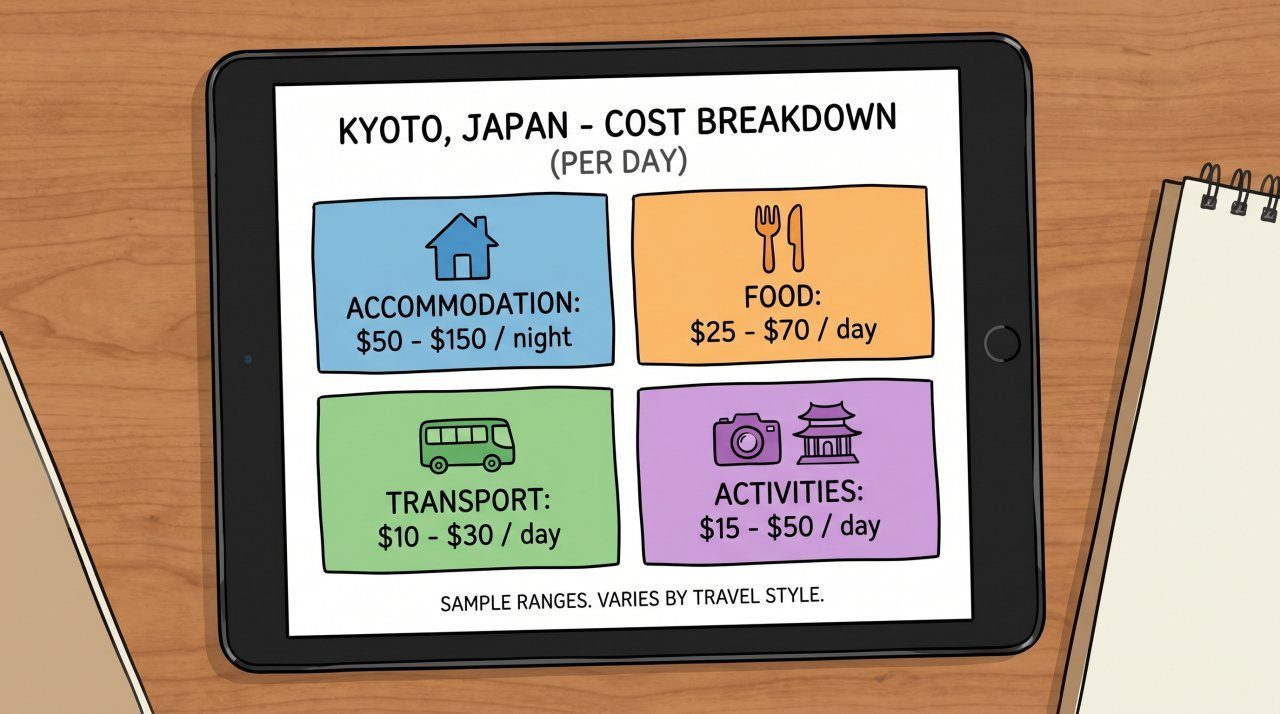
Japan-level intrigue → Vietnam
If you’re drawn to Japan for its mix of tradition, modernity, and food—but the prices scare you—consider Vietnam as a different kind of alternative.
- Daily budgets around $25–$30 are realistic for budget travelers.
- Local meals cost just a few dollars; beer can be as low as $0.25.
- Hotel rooms around $14 per night are common; long-term rentals for digital nomads (e.g., in Da Nang) can be around $500 per month.
- It’s more about culture and adventure than beaches, but the value is exceptional.
Takeaway: For adventure and culture, the famous
country in a region is rarely the cheapest. Look at its neighbors and less-hyped regions inside the same country, and you’ll uncover your own cheap alternatives to popular destinations.
7. How to Systematically Find Your Own Destination Dupes
You don’t have to rely on lists like this forever. You can build your own swaps with a simple process and a bit of curiosity.
- Define the core experience.
- Write one sentence:
I want X (mountains / beaches / city buzz / ruins) with Y (good food / nightlife / quiet) at Z budget per day.
- Be honest about the budget. This is where cost comparison of destination alternatives starts.
- Write one sentence:
- Map the region, not the country.
- If you’re looking at Switzerland, zoom out to the Alps as a whole.
- If you’re looking at the Maldives, zoom out to the Indian Ocean and Southeast Asia.
- For city breaks, look at neighboring capitals and second cities, not just the headliners.
- Compare real numbers, not vibes.
- Check typical hotel prices, daily budgets, and activity costs on multiple sources (blogs, booking sites, forums).
- Ask:
Can I realistically live on $X per day here?
That’s the heart of flexible travel to save money.
- Watch for hidden costs.
- Visa fees can turn a
cheap
country into an expensive one. - Internal flights, mandatory tours, or park fees can add up fast.
- Factor these in so you don’t fall into common mistakes when choosing cheap destinations.
- Visa fees can turn a
- Check safety and logistics.
- Some ultra-cheap transport options (like certain local buses) may not be worth the risk.
- Look for a balance: still affordable, but reasonably safe and stable.
- Stay flexible with timing.
- Shoulder seasons can turn an expensive place into a reasonable one.
- But if prices are still painful, that’s your cue to pivot to a dupe instead of forcing it.
If you like digging deeper, you can cross-check destinations using budget-focused guides like Indie Traveller or regional breakdowns of cheap countries. Use them as raw data, not gospel, and plug them into your own practical guide to destination lookalikes.
8. The Mindset Shift: From FOMO to Value
In the end, this is less about geography and more about mindset.
You can chase the same five bucket-list names everyone posts on social media. Or you can ask harder questions:
What am I actually paying for here—experience, or branding?
Is there a place that gives me the same feeling, but lets me stay twice as long?
Will I enjoy this more if I’m not surrounded by tour groups and $20 cocktails?
Flexible travelers win because they’re willing to trade a famous name for a better trip. They get the same sunsets, the same mountains, the same sea—just with more time, more freedom, and more money left for the next adventure.
If you start planning your next trip with the question What’s the affordable lookalike?
, you’ll be surprised how far your budget can actually take you—and how many saving money with destination swaps opportunities you’ve been overlooking.