I love booking business class with points. Lie-flat seats, champagne, lounge access – all for “free,” right? At least that’s what I thought. Then I started looking closely at my own bookings and noticed something uncomfortable:
Most “free” international business class trips quietly cost hundreds – sometimes over a thousand dollars – in cash.
If you’ve ever seen a “70,000 miles” business award turn into $900 in taxes and fees at checkout, this guide is for you. We’ll break down what you’re really paying for, why some business class award tickets are terrible value, and how to keep the true cost of your points flights under control.
The First Shock: Miles Don’t Cover the Whole Ticket
On my first long-haul business award, I assumed miles replaced money. Simple. Then the final screen showed almost $800 in extras. That’s when I learned the basic rule of international award pricing:
Miles usually cover only the base fare
. You still pay everything else in cash.
On an award ticket, your total cost is usually split into:
- Base fare – paid with miles or credit card points
- Government taxes – airport fees, security charges, departure taxes
- Carrier-imposed surcharges – the infamous “fuel” or “YQ/YR” fees
- Program fees – partner booking fees, close-in fees, phone booking fees, etc.
Different loyalty programs price international business class award tickets in very different ways. Some still use old-school region-based charts. Others use dynamic pricing that jumps around with demand. As many award pricing breakdowns show, the exact same seat can cost wildly different amounts of miles depending on which program you use – and the cash portion can swing just as much.
The mindset shift that changed how I book: stop asking “How many miles?” and start asking “How many miles plus how much cash?”
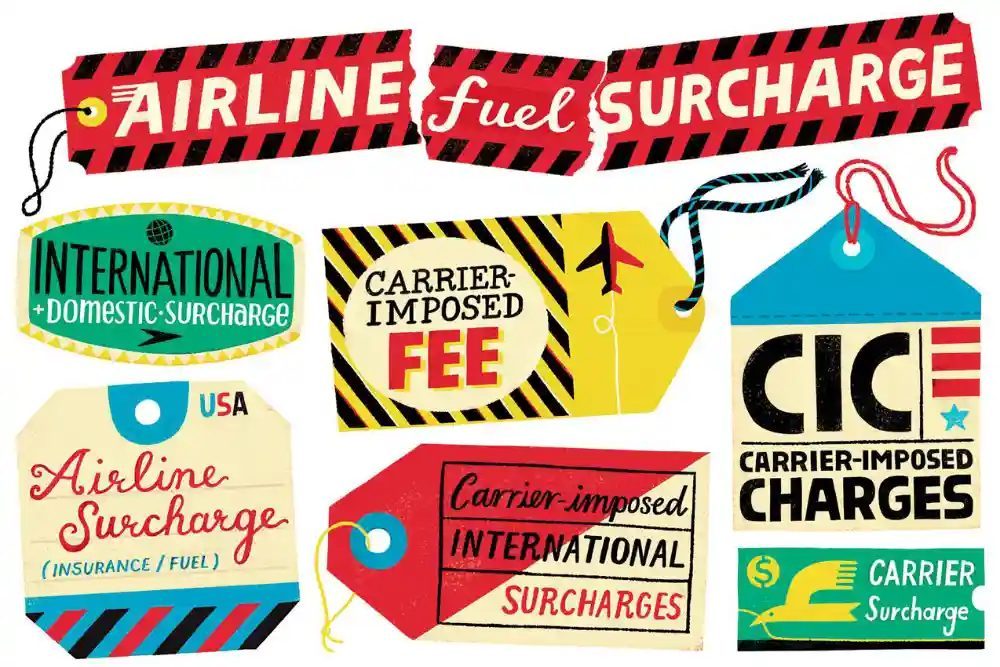
The Real Villain: Carrier-Imposed Surcharges
Taxes are annoying. Carrier-imposed surcharges are brutal.
These are the line items often labeled YQ
or YR
in a fare breakdown. They started as fuel surcharges when oil prices spiked. Fuel got cheaper. The surcharges didn’t. Airlines quietly rebranded them as carrier-imposed surcharges
because, honestly, they’re just extra revenue.
On cash tickets, regulations usually force airlines to bake these into the advertised fare. On award tickets, they show up as a separate, painful surprise at checkout. That’s why the true cost of “free” flights on points can still be $600–$1,500 in cash, especially in business class.
Here’s what makes them so sneaky:
- They vary wildly by airline. British Airways, Air France/KLM, Lufthansa Group, Emirates, and some Air Canada itineraries are notorious for huge surcharges on long-haul business class awards.
- They vary by program. Some frequent flyer programs pass them through fully; others absorb or reduce them. Booking the same flight via a different partner can save hundreds.
- They’re worst in premium cabins. Business and first class awards usually carry the highest surcharges.
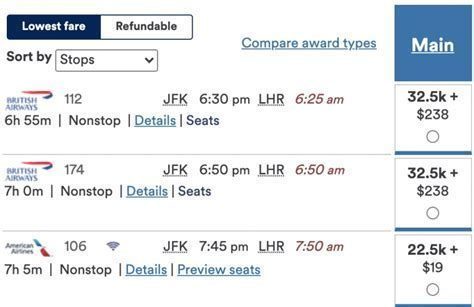
So that 70,000-mile business class seat to Europe? On one airline it might be 70,000 miles + $150. On another, 70,000 miles + $900. Same route. Same cabin. Completely different reality.
Action step: before you transfer credit card rewards or commit to a specific airline, click all the way through to the final pricing page and look at the full breakdown of taxes and fees.
If carrier-imposed surcharges are doing most of the damage, it’s time to look at partners and rethink that booking.
Route Roulette: Why London and Certain Hubs Destroy “Free” Travel
Not all departure points are created equal. Some airports and countries are landmines for international business class award tickets.
The classic example is London. The UK’s Air Passenger Duty (APD) is:
- Higher for long-haul flights
- Much higher for premium cabins like business and first
That means a business class award departing London can easily add a few hundred dollars in taxes alone – before you even touch surcharges. Connect through London for less than 24 hours and you may only pay a smaller passenger service charge instead of the full APD. Tiny routing detail, huge cost difference.
Other patterns to watch when you’re comparing the cost of business class flights with miles:
- High-tax countries – the UK is the poster child, but some other European hubs can be pricey too.
- Airline + hub combos – Lufthansa Group via Germany, Air France/KLM via Paris/Amsterdam, and BA via London often stack high local taxes with high surcharges.
- Direction matters – sometimes flying into a country is cheap, but flying out in business class is painful.
On the flip side, some airlines and routes are refreshingly light on extras. Finnair, certain United and Singapore Airlines routes, and many domestic US awards often carry minimal surcharges. That’s where the real value in international business travel on miles tends to hide.
Action step: when you’re planning international business travel on credit card points, ask yourself:
- Can I start my long-haul from a lower-tax country?
- Can I connect through expensive hubs instead of departing from them in business class?
- Is there a partner airline on the same route with lower surcharges?
Same Miles, Different Cash: The Partner Trick Most People Miss
This is where things get interesting – and where you can save serious money on the taxes and fees on international award tickets.
Most major programs let you redeem miles on partner airlines. What many travelers don’t realize is that the miles price might be similar, but the cash fees can be radically different.
Here’s how that plays out in real bookings:
- Using Aeroplan miles on United instead of Air Canada or Lufthansa to cross the Atlantic can slash surcharges.
- Using Alaska miles on American instead of British Airways for Europe can save hundreds in carrier-imposed fees.
- Some programs (like United MileagePlus) generally don’t pass on fuel surcharges at all, making the same seat far cheaper in cash.
Then there are programs like Lufthansa’s Miles & More. They’ve pushed surcharges so high that a round-trip to North America in business can mean:
- Over 110,000 miles plus €800–€900 in fees, or
- Even more miles with their Flex Plus option to reduce the cash portion
Is that still worth it? Sometimes. But you want to make that trade-off on purpose, not stumble into it because you didn’t compare.
Action step: whenever you find a good-looking award seat, ask:
- Can I book this same flight through a different partner program?
- What happens to the cash component if I switch programs or airlines?
This is where flexible bank points (Amex, Chase, Citi, Capital One) really shine. They let you move your points into the program that gives you the best mix of miles price and low fees – not just the airline you fly most often. That’s the key to winning the award flight surcharges comparison game.
The Fine Print: Booking, Change, and “Gotcha” Fees
Even after you’ve dodged the big fuel surcharges on award travel, smaller fees can quietly nibble away at your “free” trip.
Here’s what I always check before I hit book:
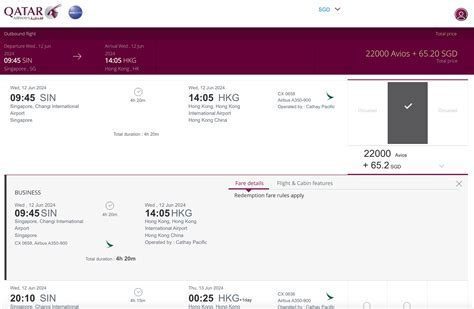
- Partner booking fees
Some programs charge extra when you redeem miles on partner airlines. It might be a flat fee per ticket or per direction. It’s not huge, but it adds up, especially for families. - Close-in ticketing fees
Booking within ~21 days of departure used to be a goldmine of surprise charges. Some programs have dropped these, others still sneak them in. If you like last-minute trips, this matters. - Phone booking fees
If you can’t book a complex itinerary online and have to call, some programs charge for the privilege. A few (like American and Delta) have removed phone booking fees for awards, which is a quiet but real win. - Change and cancellation penalties
Many programs have become more flexible, but not all. Some keep taxes non-refundable. Others charge region-based or cabin-based penalties. If your plans are shaky, a “cheap” award with harsh change rules can become very expensive.
Then there’s seat selection. Even in business class, some airlines charge extra for certain seats – bulkhead, throne seats, or specific mini-cabins. If you’re picky about where you sit, that’s another line item in the hidden fees on points flights.
Action step: before you transfer points or lock in a routing, read the program’s award fee and change policy. Ask yourself: If I need to change or cancel this, what’s my worst-case cash hit?
Stopovers, Layovers, and the “Bonus City” Trap
Stopovers and long layovers can be fantastic. One set of flights, two cities. Some programs even encourage this with free or cheap stopover rules.
But there’s a catch: every extra city is a chance for extra costs.
What can go wrong?
- Extra miles or segments – some programs charge more miles for stopovers or additional segments.
- More taxes and fees – each additional airport can add its own charges.
- Visa and entry costs – that “fun” 2-day stopover might require a visa or transit fee.
- Hotels and transfers – a long layover becomes an overnight stay, and suddenly your “free” routing has a $200–$400 side bill.
On the other hand, smart use of stopovers can be a huge win. Programs like ANA, Aeroplan, and Alaska (on some partners) have historically offered generous stopover rules that let you see more for not much extra.
The trick is to be intentional. A stopover is a feature if you genuinely want that extra city. It’s a bug if you only added it to “maximize value” and then resent the extra costs.
Action step: when you add a stopover, write down the total cost: extra miles, extra cash fees, plus realistic hotel/transport/visa costs. Still worth it? Great. If not, simplify.

When a “Free” Business Class Seat Is Actually a Bad Deal
Here’s the uncomfortable truth: not every business class award is worth booking, even if you have the miles sitting in your account.
To avoid the classic mistakes with international award bookings, I ask myself three questions before I pull the trigger:
- What’s my cents-per-point value after fees?
Rough math is fine. Take the cash price of the same itinerary, subtract the total cash you’d still pay on the award (taxes, surcharges, fees), then divide by the miles required. If you’re getting weak value and paying big surcharges, that’s a red flag. - How much of this “deal” is just me avoiding paying cash?
If you’d never pay $6,000 for that business class seat in real life, don’t pretend you’re “saving” $6,000. You’re trading points and cash for comfort. That’s fine – just be honest about it. - Is there a lower-fee alternative I’m ignoring?
Could you fly a different airline, route through a different hub, or use a different program and cut the cash cost in half? If yes, why aren’t you?
Sometimes the best move is counterintuitive: skip the flashy business award with $900 in surcharges and book a more modest option with low fees and solid value per point. Or even save your miles for a different trip entirely. That’s how you avoid the hidden costs of so-called free travel.

How to Actually Get Close to “Free” Business Class
So how do you get the most out of credit card rewards for business class flights without getting crushed by fees? Here’s the playbook I use when I’m planning international business travel with miles:
- Target low-surcharge airlines and programs.
Favor carriers and partners known for minimal or no fuel surcharges on awards. Avoid the usual suspects when fees are outrageous unless you’re consciously okay with the trade. - Be flexible with routes and hubs.
Start or end in lower-tax countries when possible. Connect through expensive hubs instead of departing from them in business class. - Use flexible points strategically.
Don’t transfer until you’ve checked the final cash cost in the program you’re considering. Move points to the program that gives you the best combo of miles price and low fees. - Book earlier, not last-minute.
This helps you avoid close-in fees, gives you more partner options, and makes it easier to dodge high carrier-imposed fees. - Know your change/cancellation risk.
If your plans are uncertain, prioritize programs with generous change policies, even if the miles cost is slightly higher. - Run the value check.
Always sanity-check: cash price vs. miles + fees. If the numbers feel off, they probably are.
The goal isn’t to eliminate every dollar of cost – that’s rarely possible with international business class award ticket costs. The goal is to avoid the nasty surprise where your “free” trip quietly turns into a four-figure bill.
If you start treating miles as a currency – and fees as the price of using that currency – you’ll make sharper decisions, skip the worst traps, and save your points for the trips that really deserve them.