I fly a lot, I like nice seats, and I hate wasting money. If that sounds like you, you’ve probably asked the same thing I have:
Is airline status worth it, or is it smarter to just buy the exact seat you want every time?
Airlines would love for you to do both. They sell status as comfort and recognition. They sell seats as peace of mind. Underneath all that marketing, though, it’s just math and priorities.
In this guide, I’ll walk through how I think about airline status vs paying for seats, using real-world examples from Delta, Southwest, and how U.S. airlines price extra-legroom and preferred seats. By the end, you should have a clear sense of which path fits your travel style, budget, and tolerance for discomfort.
1. Start With the Real Question: What Are You Actually Buying?
Before getting lost in elite tiers and loyalty charts, it helps to strip things down.
- When you chase status, you’re buying a
bundle of maybes
: maybe an upgrade, maybe a better seat, maybe earlier boarding, maybe priority service. - When you pay for a seat, you’re buying a
guaranteed specific thing
: 12A with extra legroom, row 7 aisle, or two seats together with your kid.
Both can be worth it. But they’re not the same product, and they don’t serve the same kind of traveler.
Look at how airlines frame their loyalty programs:
- Delta Medallion status is now almost entirely about spend, measured in Medallion Qualification Dollars (MQDs). You earn $1 MQD per $1 of base fare and carrier surcharges on Delta-marketed tickets, plus boosts from certain Delta Amex cards (Delta Medallion overview).
- Southwest Rapid Rewards is a points program where status and Companion Pass are tied to points you earn from flights, cards, and partners (Rapid Rewards).
In both cases, the airline is nudging you to concentrate your spend with them. Status is basically a loyalty contract: You give us most of your money; we’ll make your life a bit easier.
Paying for seats is different. It’s transactional. No long-term commitment, no sunk cost. Just: Is this seat worth this price on this flight?
If you keep that distinction in mind, the whole airline status vs cheapest fare debate gets a lot clearer.
2. The Status Trap: How Much Do You Really Spend to Get “Free” Seats?
Let’s talk about the elephant in the cabin: status is not free. You pay for it with:
- Higher fares (sticking to one airline even when others are cheaper)
- Credit card annual fees
- Time and flexibility (taking less convenient routes just to stay loyal)
Take Delta as a concrete example. To earn Medallion status, you need MQDs, not miles flown. You get:
- $1 MQD per $1 of eligible ticket price on Delta-marketed flights (excluding taxes/fees)
- MQD Headstart: certain Delta Amex cards give you $2,500 MQDs automatically each year
- MQD Boost: spend on those cards earns extra MQDs (for example, $1 MQD per $20 or $10 in purchases, depending on the card)
Sounds generous, but let’s do a simple frequent flyer status cost analysis. Say Silver Medallion requires $5,000 MQDs (the exact number may change, but the logic doesn’t):
- With a qualifying Delta Amex, you start at $2,500 MQDs.
- You still need another $2,500 MQDs from flights and/or card spend.
- At $1 MQD per $1 in airfare, that’s roughly $2,500 in Delta tickets.
- Or, via card spend at $1 MQD per $20, that’s $50,000 in card spend.
Now ask yourself: What are you actually getting for that?
- Better seat selection (often free access to preferred or extra-legroom seats)
- Earlier boarding, maybe a few upgrades, maybe better treatment when things go wrong
Nice perks. But if your main goal is just a better seat, you need to compare that $2,500–$5,000+ in loyalty spend to simply paying $20–$100 per flight for the seat you want. That’s the heart of the airline loyalty program cost benefit question.
On many U.S. airlines, extra-legroom seats on shorter flights run roughly:
- $20–$45 on some American domestic routes under three hours (Simple Flying)
- $70–$100 for Main Cabin Extra or exit/bulkhead seats on some routes (Your Mileage May Vary)
If you fly 8–10 times a year, you might be looking at a few hundred dollars in seat fees. That’s often less than the hidden cost of chasing status, especially if you’re a budget traveler trying to keep total trip costs down.
My rule of thumb:
If you’re not flying at least 20–25 paid segments a year on one airline, status is usually a bad deal if your only goal is better seats.
That’s one of the big airline status mistakes to avoid: treating status as the only way to escape the back of the plane.
3. The Seat Game: When Paying Cash Beats Chasing Perks
Now flip the question. Instead of asking, How do I get status?
try this:
On this specific flight, what’s the cheapest way to get the comfort I actually care about?
Most airlines now slice economy into micro-products:
- Standard seats: normal legroom, usually free to select with most non-basic fares.
- Preferred seats: same legroom, but closer to the front or in more desirable rows.
- Extra-legroom seats: 3–6 inches more pitch, sometimes exit rows or bulkhead, branded as things like Main Cabin Extra, Economy Plus, Comfort+, etc.
Here’s the catch: you’re paying almost entirely for space and location. Service is usually identical to regular economy:
- Same food (or lack of it)
- Same baggage rules
- Same seat width in most cases
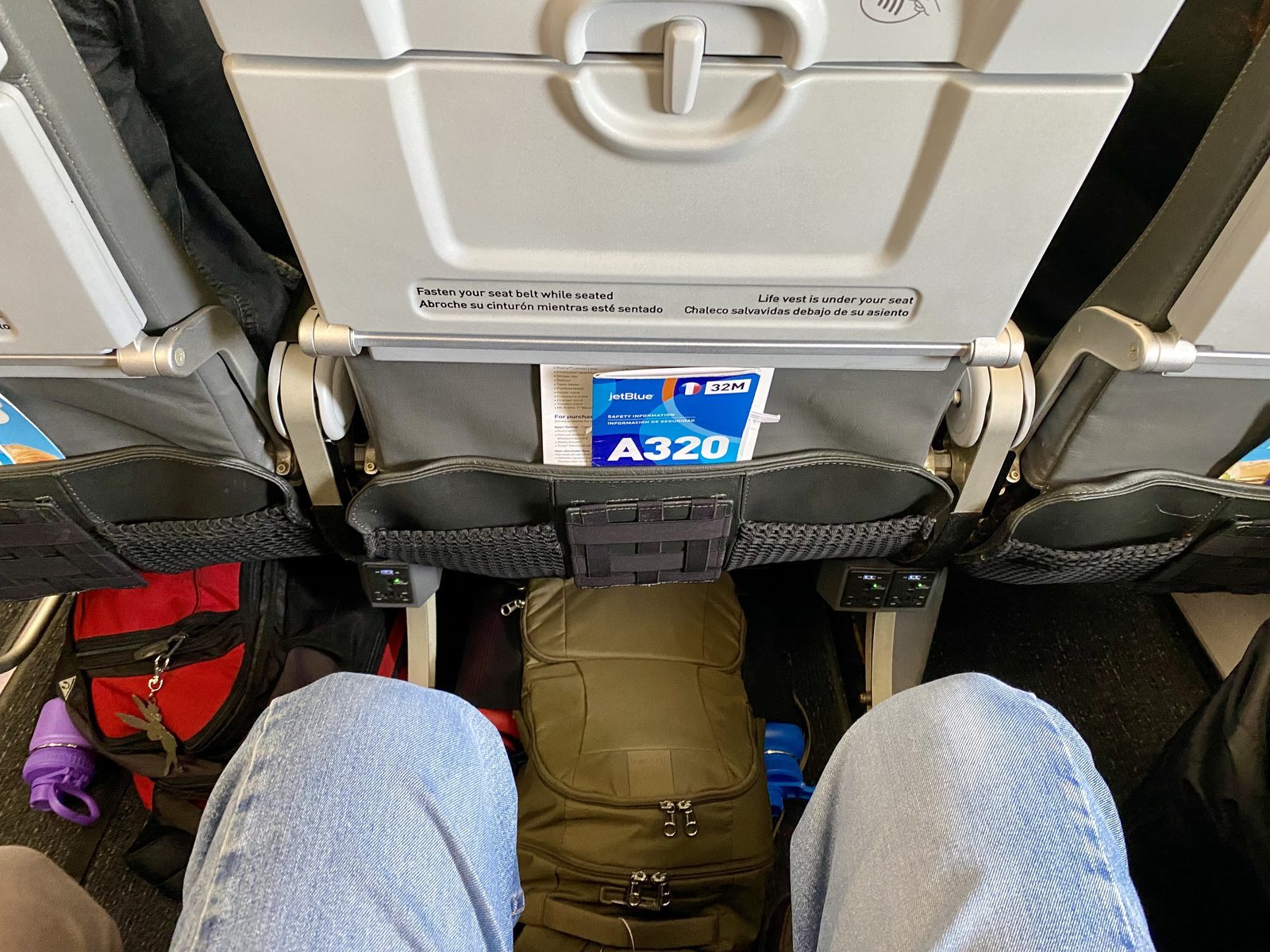
On a 90-minute hop, paying $70 for three extra inches of legroom is, honestly, a bad deal for most people. On a six-hour transcon or overnight flight, that same $70 might be the best money you spend all month.
I like to think in terms of cost per hour of comfort:
- $30 for extra legroom on a 1.5-hour flight = $20/hour
- $60 for extra legroom on a 6-hour flight = $10/hour
Personally, I’m much more willing to pay for comfort when the cost per hour drops and when I know I’ll be working or trying to sleep. That’s where buying extra legroom vs status upgrades becomes a very practical, numbers-based decision.
And some airlines simply offer better value. JetBlue, for example, already has decent standard legroom, and their extra-legroom product adds even more space plus reliable Wi‑Fi. The author at Your Mileage May Vary is happy to pay around $60 for that because it makes working in-flight realistic.
So instead of obsessing over elite tiers, I’d rather:
- Book the cheapest reasonable fare on the airline that fits my schedule.
- Open the seat map and see what’s actually available.
- Decide, flight by flight, if the upgrade is worth it.
That flexibility is something status can’t really buy. It’s a simple travel budgeting for airline seats strategy: pay for comfort only when it clearly earns its keep.
4. Families & Groups: Status Won’t Always Keep You Together
If you’re traveling with kids, a partner, or a group, the equation changes. The priority isn’t just legroom; it’s sitting together without getting fleeced.
Here’s the uncomfortable truth: status doesn’t guarantee your family sits together. Airlines will often try to keep people on the same reservation near each other, but with basic economy, full flights, and last-minute changes, it’s far from guaranteed.
Practical moves that matter more than status:
- Book early. More open seats = more options to sit together.
- Avoid the most restrictive fares (like some Basic Economy products) that block advance seat selection.
- Keep everyone on the same reservation. Airlines’ auto-seating logic is more likely to keep you together that way.
- Use the seat map aggressively. Check it at booking, then periodically before departure. Aircraft swaps and other passengers’ changes can free up better clusters of seats.
- Check in right when it opens and talk to gate agents early if you’re split up.
As CabinZero points out, sometimes the only realistic way to guarantee proximity is to pay for specific seats, especially if you’re mixing fare classes or traveling at peak times.

So if you’re a parent wondering whether to chase status for the family, I’d be blunt:
Don’t.
Put that energy into:
- Booking earlier
- Avoiding the most restrictive basic fares
- Paying for a few key seats (like aisle/window pairs) when it really matters
For families, seat selection fees vs elite status perks is an easy call. Status is a nice-to-have. Sitting next to your 5‑year‑old is a must-have.
5. Southwest’s New World: Assigned Seats, Bundles, and Status Shortcuts
Southwest used to be the outlier: open seating, no bag fees, no seat selection drama. That era is over.
Starting January 27, 2026, Southwest moved to assigned seating with multiple fare bundles and paid seat options (fare types & benefits, Trips With Tykes, CNBC):
- Basic: cheapest, no advance seat assignment; you’re auto-assigned at check-in, often middle seats and separated from your group.
- Choice: includes standard seat selection in the back half of the plane.
- Choice Preferred: includes preferred seats (front half, standard legroom).
- Choice Extra: includes extra-legroom seats (front and exit rows) plus a premium drink.
You can also buy seat assignments à la carte, which is where the real strategy comes in.
Example from CNBC’s reporting on a Denver–Orlando roundtrip around Presidents Day:
- Choice fare: about $692 roundtrip.
- Preferred seats: roughly $41–$46 each way.
- Extra-legroom seats: about $96 each way.
- Back-of-plane seats (rows 17–30): free to select with Choice.
Now layer in status: A‑List and A‑List Preferred members, plus some Southwest credit card holders, get complimentary access to preferred or extra-legroom seats and keep two free checked bags at higher tiers.
So is it worth chasing Southwest status for the seat perks? Or is this another case where elite status vs just buying the seat you want tilts toward paying cash?
I’d ask myself three questions:
- How often do I fly Southwest specifically?
If it’s just a couple of trips a year, status is almost never worth it. - Do I actually need the front/extra-legroom seats every time?
If you’re fine in the back half most of the time, just book Choice and pick free seats. - What’s the price gap between fare bundles and à la carte seats?
Sometimes upgrading from Basic to Choice Preferred is overkill if all you want is one specific aisle seat.
Trips With Tykes makes a key point: always compare the total cost of a bundle vs. buying the seat separately. Don’t pay for perks you don’t care about just to get a seat.
For most casual Southwest flyers, I’d lean toward:
- Skipping status chasing.
- Booking Choice (or even Basic if you truly don’t care where you sit).
- Paying for specific seats only when it really matters (long flights, tight connections, kids).
In other words, treat Southwest the same way you treat other airlines: focus on the cost of chasing airline elite status versus simply buying the comfort you need.
6. A Simple Framework: Are You a Status Flyer or a Seat Buyer?
Let’s make this practical. When I’m advising friends, I mentally sort them into two buckets.
Status makes sense if:
- You fly mostly on one or two airlines (for example, you live in a Delta or United hub).
- You take at least 20–25 paid segments a year on that airline.
- You value more than just seats: priority lines, same-day changes, better irregular-operations treatment, occasional upgrades.
- Your employer pays for many of your flights, but you personally enjoy the perks.
- You’re willing to sometimes pay a bit more or take a less convenient routing to stay loyal.
In that world, status can absolutely be worth it. The seat benefits (free extra-legroom or preferred seats) are just one part of a bigger package. That’s when airline status pays off.
Paying for seats makes more sense if:
- You mix airlines based on price and schedule.
- You fly fewer than ~15–20 paid segments a year.
- Your top priority is comfort on specific flights, not a long-term relationship with one airline.
- You travel with family or friends and care more about sitting together than elite lines.
- You’re comfortable doing a quick cost-benefit check on each booking.
In that case, I’d skip the status hamster wheel and focus on:
- Booking non-basic fares that include free standard seat selection.
- Paying for extra-legroom only on flights where it really matters (long, overnight, or work-heavy trips).
- Using airline-agnostic credit cards that earn flexible points instead of airline-specific status cards.
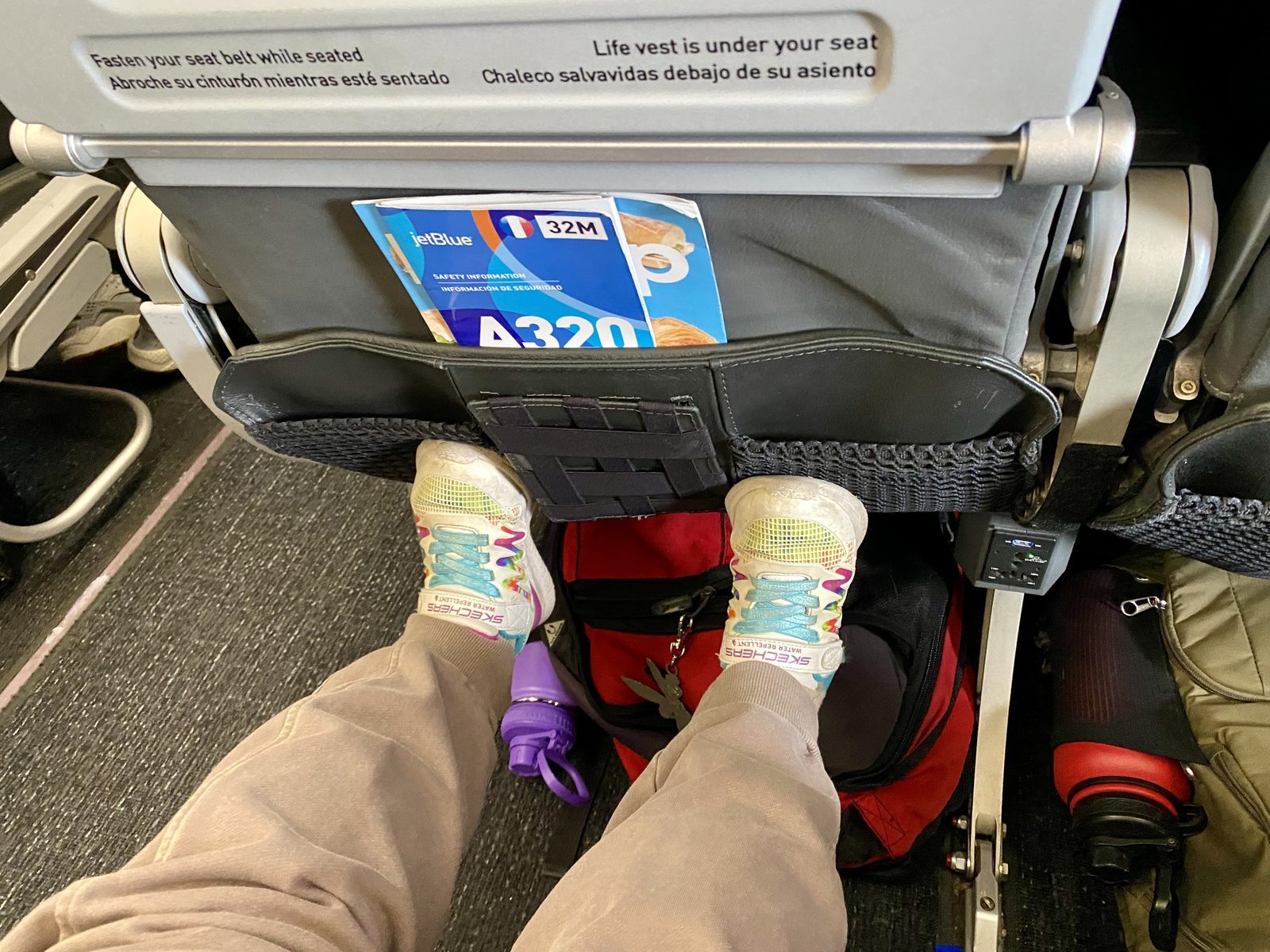
One more nuance: your height and body type matter. A 4'6" traveler may not get much value from extra legroom; a 6'4" traveler might find it life-changing. Don’t copy someone else’s budget traveler airline status strategy if your body and tolerance are different.
And if you’re eyeing premium cabins, remember: sometimes premium economy vs elite upgrade value comes down to certainty. Paying for premium economy guarantees the seat; relying on an upgrade is a gamble.
7. How to Decide on Every Flight (Without Overthinking It)
Here’s the quick decision process I use when I’m booking. It keeps me from spiraling into endless airline status vs paying for seats debates every time I open a fare search.
- Pick the airline and flight first.
I choose based on schedule, reliability, and base fare. I ignore status and seats at this stage. - Check what the base fare includes.
Does it allow free standard seat selection? Is it a basic fare that auto-assigns seats? If basic is only a tiny bit cheaper but blocks seat selection, I usually skip it. - Open the seat map.
I look at what’s actually available: standard, preferred, extra-legroom, and their prices. - Ask: What do I need on this flight?
- Short daytime hop, traveling solo? I usually take a free standard aisle or window.
- Long flight, overnight, or I need to work? I seriously consider extra legroom.
- Traveling with kids? I pay whatever it takes to sit together, but I start with cheaper standard seats before jumping to bundles.
- Calculate rough value.
I mentally do:Extra cost ÷ flight hours
. If it’s under, say, $10–$15/hour and I care about comfort, I lean yes. If it’s $30/hour for a short hop, I usually pass. - Only then do I think about status.
If I’m already close to a status tier on one airline, I might give that airline a small edge. But I treat that as a tiebreaker, not the main driver.
This keeps me from justifying bad decisions with But it helps my status.
If the seat isn’t worth it on its own, it’s probably not worth it for the status points either. That’s the core of a sane airline status vs paying for seats strategy.
8. The Bottom Line: Comfort Is a Choice, Not a Tier
After watching airlines slowly monetize every inch of the cabin, here’s where I land:
- Status is a lifestyle. It makes sense if you’re a frequent, mostly single-airline traveler who values a whole ecosystem of perks.
- Seat buying is a tool. It’s perfect if you want control and comfort on your own terms, flight by flight.
Airlines want you to believe that elite status is the only path to a decent seat. It isn’t. You can buy exactly the seat you want, on the airline that makes sense, without committing your entire travel life to one logo.
So next time you’re tempted to chase a shiny tier, ask yourself:
Would I still take this flight, at this price, with this card, if status didn’t exist?
If the answer is no, you already know what to do: close the loyalty tab, open the seat map, and start paying for comfort only when it actually earns its keep.